Preparing for a 3-day backpacking trip requires careful planning and packing to ensure a comfortable and enjoyable outdoor experience. Whether you’re a seasoned backpacker or new to the adventure, having the right gear and essentials can make all the difference in your journey. In this guide, we will walk you through the key items you should consider packing for your upcoming 3-day backpacking adventure. From clothing and gear to food and safety equipment, we’ve got you covered on how to pack effectively for a successful trip in the great outdoors.
Choosing the right clothing and footwear is essential for staying comfortable and protected during your 3-day backpacking trip. Here’s a breakdown of what you should pack:
Moisture-Wicking Base Layers: Start with a moisture-wicking shirt and underwear to keep sweat away from your skin and prevent chafing.
Quick-Drying Pants or Shorts: Opt for lightweight, quick-drying pants or shorts that offer flexibility and protection against insects and the elements.
Insulating Layer: Pack a fleece jacket or down vest to provide warmth during cooler evenings or at higher elevations.
Waterproof Jacket: Weather can be unpredictable, so bring a waterproof and windproof jacket to stay dry in case of rain.
Extra Socks and Underwear: Keep your feet dry and prevent blisters by packing extra pairs of moisture-wicking socks and underwear.
Sturdy Hiking Boots: Invest in comfortable and supportive hiking boots that are broken in and appropriate for the terrain.
Camp Shoes: Lightweight sandals or camp shoes are great for giving your feet a break at the campsite.
Sun Protection: Bring a wide-brimmed hat, sunglasses with UV protection, and sunscreen to shield yourself from the sun.
Gloves and Hat: If you expect chilly weather, pack lightweight gloves and a warm hat for added insulation.
Bandanas or Buffs: These versatile items can serve as sweatbands, headbands, or even improvised dust masks.
Rain Gear: Along with a waterproof jacket, consider rain pants to stay dry in wet conditions.
Pajamas: A clean set of sleepwear will keep you comfortable at night.
Remember to choose clothing made from moisture-wicking and breathable materials to help regulate your body temperature and minimize sweat accumulation.
Next, let’s move on to the essential gear you’ll need for your 3-day backpacking trip.
Sleep System
Getting a good night’s sleep is crucial for an enjoyable backpacking trip. Here’s what you should include in your sleep system:
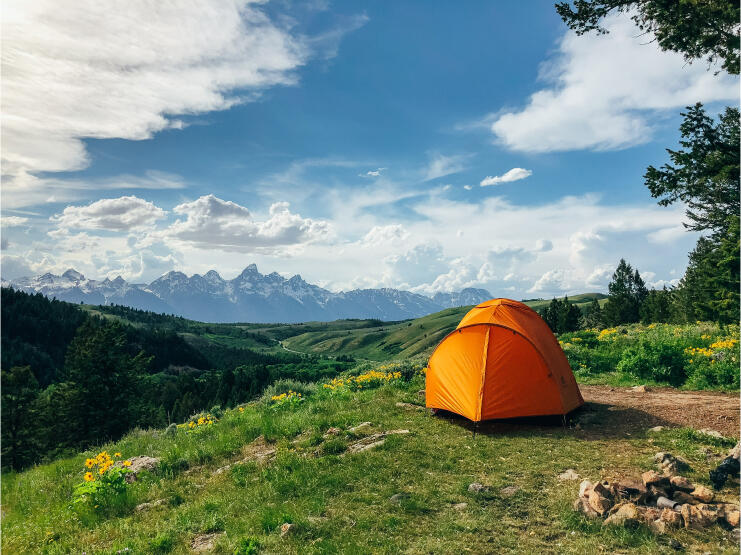
Tent: Choose a lightweight and compact tent that suits the number of people in your group. Make sure it’s appropriate for the weather conditions you expect.
Sleeping Bag: Opt for a sleeping bag that is suitable for the expected temperature range. Consider factors like insulation type (down or synthetic) and temperature ratings.
Sleeping Pad: A sleeping pad provides insulation from the cold ground and enhances sleeping comfort. Choose an inflatable or foam pad that is lightweight and easy to pack.
Pillow: While you can use a rolled-up jacket as a makeshift pillow, a compact and lightweight camping pillow can significantly improve your sleep quality.
Sleeping Bag Liner: For added warmth and hygiene, consider packing a sleeping bag liner. They’re especially useful in colder conditions.
Earplugs and Eye Mask: These items can help you sleep better by blocking out noise and light, especially if you’re in a shared campsite.
Tent Footprint: A footprint helps protect your tent’s floor from abrasion and moisture. It’s an extra layer of protection against wear and tear.
Repair Kit: Pack a small repair kit for your sleeping gear, including patches for your sleeping pad and a sewing kit for your sleeping bag.
Ensure that your sleep system is appropriate for the weather conditions you’ll encounter during your 3-day backpacking trip. It’s essential to strike a balance between staying warm and carrying gear that is lightweight and easy to manage on the trail. With your sleep system sorted, let’s move on to the next set of items you’ll need: cooking and food essentials.
Cooking and Food
Having a reliable cooking setup and nourishing meals are key components of a successful backpacking trip. Here’s what you need for cooking and food:
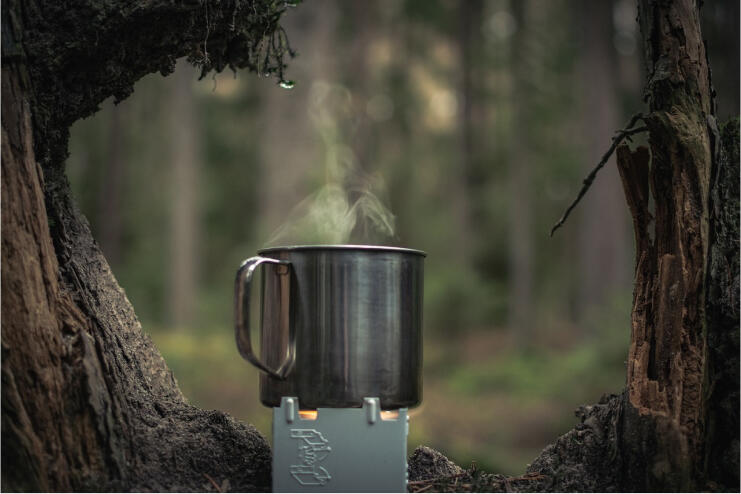
Stove: Choose a lightweight and compact backpacking stove. There are various options, including canister stoves, alcohol stoves, and wood-burning stoves. Make sure to bring enough fuel.
Cookware: Pack a lightweight pot or pan for cooking meals. Some backpacking cookware sets come with nested pots, pans, and mugs for convenience.
Utensils: Bring a compact set of utensils like a spork, knife, and collapsible mug. Look for utensils made from durable materials.
Biodegradable Soap: Bring a small container of biodegradable soap for washing your cookware and utensils. Remember to follow Leave No Trace principles and avoid soaping directly in natural water sources.
Food: Plan your meals for each day. Choose lightweight, non-perishable foods like dehydrated meals, instant oats, trail mix, energy bars, and freeze-dried fruits. Pack enough food for your trip’s duration and include a little extra in case of unexpected delays.
Cooking Accessories: Depending on your meals, pack accessories like a lightweight cutting board, collapsible bowl, and a small spice kit.
Water Filtration or Purification: Carry a reliable water filtration or purification system to ensure access to clean drinking water. This can include water filters, purifiers, or chemical treatment options.
Trash Bags: Pack out all your trash, including food wrappers. Bring extra trash bags to keep your campsite clean.
Bear Canister: If you’re hiking in bear country, a bear-resistant canister is essential for storing your food and scented items safely.
Resealable Bags: Bring a variety of resealable bags for organizing and storing your food items.
Spork: A lightweight and durable spork is a versatile tool for eating and cooking.
Cooking Method: Plan your cooking methods based on your chosen stove. Some stoves are better for boiling water, while others are suitable for simmering and sautéing.
Ensure you’re familiar with the operation of your chosen stove and practice using it before your trip. Plan your meals carefully to ensure you have the right balance of nutrients and calories to keep you energized throughout your backpacking adventure. With your cooking and food essentials covered, let’s move on to personal hygiene and other important items.
Hydration and Navigation
Staying hydrated and being able to navigate effectively are crucial aspects of a successful backpacking trip. Here’s what you need for hydration and navigation:
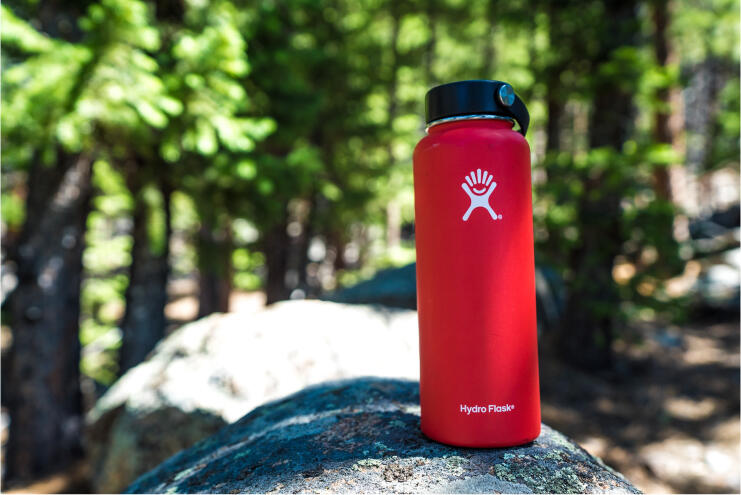
Water Bottles or Hydration System: Carry enough water bottles or a hydration bladder to keep you hydrated throughout the day. Ensure your water containers are durable and easy to access while on the trail.
Water Treatment: Pack a reliable water treatment method such as a water filter, purifier, or water purification tablets. This ensures you can safely drink water from natural sources along the trail.
Map and Compass: Bring a detailed topographic map of the area you’ll be backpacking in. A map and compass will be essential for navigation, especially if you’re traveling through remote or unfamiliar terrain.
GPS Device: If you’re comfortable using one, a GPS device can be helpful for navigation. Make sure it’s fully charged and loaded with accurate maps.
Navigation Apps: If you’re using a smartphone, consider downloading offline navigation apps that work using GPS even when you don’t have cell service.
Trail Guide or Guidebook: If your trip involves following a specific trail, carry a trail guide or guidebook that provides information about the route, landmarks, and points of interest.
Whistle: A whistle is a simple but effective tool for signaling in case of an emergency. It’s especially important if you’re traveling solo.
Headlamp: Even if you don’t plan on hiking at night, a headlamp is a crucial item for emergencies and for navigating in low-light conditions.
Extra Batteries: If you’re using electronic devices like a GPS or headlamp, bring extra batteries to ensure they stay powered throughout your trip.
Notebook and Pen: Having a small notebook and pen can be handy for jotting down important information, such as trail directions, landmarks, and notes about your trip.
First Aid Kit: While not directly related to navigation, a well-stocked first aid kit is essential for addressing injuries or medical issues that may arise during your backpacking trip.
Emergency Communication Device: Depending on the remoteness of your location, consider bringing an emergency communication device such as a satellite messenger or personal locator beacon (PLB).
Staying hydrated and knowing where you’re going are fundamental to having a safe and enjoyable backpacking experience. Prepare for varying weather conditions and terrain challenges by having the appropriate gear for hydration and navigation. With these essentials covered, let’s move on to other important items for a successful backpacking trip.
Safety and First Aid
Ensuring your safety and being prepared for emergencies is paramount while backpacking. Here are the essential safety and first aid items to pack for your 3-day trip:
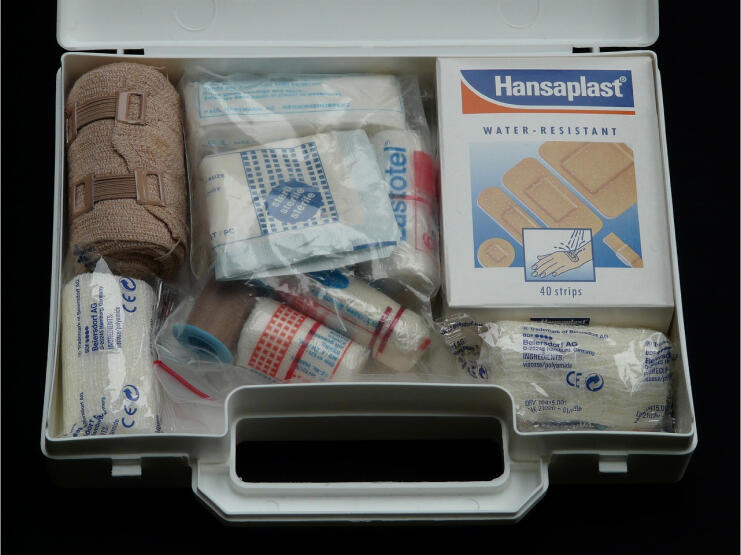
First Aid Kit: Carry a comprehensive first aid kit that includes adhesive bandages, gauze pads, antiseptic wipes, tweezers, scissors, blister treatment, adhesive tape, pain relievers, and any personal medications you may need.
Emergency Shelter: While you may have a tent, an emergency shelter like a lightweight tarp or bivy sack can be crucial in unexpected situations.
Multi-Tool or Knife: Having a versatile tool with multiple functions can assist in various tasks, including first aid and emergency situations.
Fire Starter: Pack waterproof matches, a lighter, or other reliable fire-starting tools to help you stay warm and signal for help if needed.
Emergency Blanket: These compact, lightweight blankets reflect body heat and provide warmth in emergency situations.
Signal Whistle: A loud whistle can help rescuers locate you in case you’re lost or in need of assistance.
Personal Locator Beacon (PLB) or Satellite Messenger: Especially if you’re backpacking in remote areas, having a PLB or satellite messenger can send distress signals and your GPS coordinates to emergency services.
Bear Spray (If Applicable): In bear country, carry bear spray and know how to use it properly to deter potential encounters.
CPR Face Shield: This compact tool can protect you while performing CPR, if needed.
Medical Information: Include essential medical information, allergies, and emergency contacts in your gear.
Duct Tape: Duct tape can be used for improvised repairs, first aid, and even temporarily sealing a tear in your tent or gear.
Navigation and Map: Reliable navigation tools are part of safety. Ensure you can find your way back to camp or the trailhead.
Personal Medications: If you have prescribed medications, ensure you have enough for the trip’s duration.
Emergency Contact Information: Share your itinerary with someone responsible who can contact authorities if you don’t return as planned.
Knowledge: Familiarize yourself with basic first aid techniques and wilderness survival skills before your trip.
While prevention is key, accidents can happen. Being prepared with proper safety and first aid equipment can make a significant difference in handling unexpected situations. With your safety gear packed, let’s move on to additional items to enhance your camping experience.
Personal Items
Don’t forget the personal items that will make your backpacking trip more comfortable and enjoyable. Here’s a list of personal items to consider packing:
Toothbrush and Toothpaste: Maintain your oral hygiene even in the wilderness.
Biodegradable Soap: Choose environmentally friendly soap for washing your hands and cleaning up.
Hand Sanitizer: Keep your hands clean, especially before eating.
Towel or Microfiber Cloth: A compact and quick-drying towel is useful for personal hygiene and cleaning.
Sunscreen: Protect your skin from sunburn, even on cloudy days.
Lip Balm with Sunscreen: Prevent chapped lips and sunburn on your lips.
Insect Repellent: Keep insects at bay to avoid discomfort and potential diseases.
Personal Medications: Pack any necessary prescription medications you regularly take.
Glasses or Contact Lenses: If you wear glasses or contacts, make sure you have them.
Spare Contact Lenses or Glasses: In case of loss or damage.
Feminine Hygiene Products: Pack according to your needs.
Personal Wipes: Handy for freshening up.
Travel Toilet Paper: Ensure you’re prepared for restroom needs.
Small Mirror: Useful for personal grooming and checking for ticks.
Camera: Capture the stunning views and memories.
Book or Kindle: If you enjoy reading, a lightweight book or e-reader can be a great way to unwind.
Journal and Pen: Document your experiences and thoughts.
Entertainment: A small card game or other lightweight entertainment can be enjoyable during downtime.
Cash: Keep a small amount of cash in case you need it for unexpected expenses.
Identification: Carry your ID, driver’s license, and any relevant permits.
Personal Items Bag: Use a lightweight, waterproof bag to keep your personal items organized and protected.
Remember that personal items vary based on individual preferences and needs. Tailor your packing list to ensure you have the essentials that will make your backpacking trip comfortable and enjoyable. With your personal items packed, your backpacking adventure is set to be both safe and fulfilling.
Clothing for Camp
Choosing the right clothing for your camping trip can greatly impact your comfort and enjoyment. Here’s a comprehensive list of clothing items to consider packing:
Moisture-Wicking Underwear: Keep moisture away from your skin to prevent chafing and discomfort.
Wicking Base Layer: Long-sleeved tops and bottoms to regulate your body temperature.
Insulating Layer: Fleece or down jacket to keep warm in cooler temperatures.
Outer Shell Jacket: Waterproof and windproof jacket to protect against rain and wind.
Convertible Pants: Zip-off pants that can be converted into shorts for versatile clothing options.
Hiking Shorts: Lightweight and comfortable for warm weather.
Hiking Pants: Sturdy and durable pants for protection against elements and vegetation.
T-Shirts or Long-Sleeve Shirts: Depending on the weather, choose appropriate shirts.
Extra Socks: Pack moisture-wicking socks to keep your feet dry and prevent blisters.
Warm Hat: Protect your head from cold temperatures.
Gloves or Mittens: Keep your hands warm during chilly evenings.
Bandana or Buff: Versatile for various purposes like protecting your neck from the sun.
Sunglasses: Shield your eyes from glare and harmful UV rays.
Hiking Boots or Trail Shoes: Choose footwear with good traction and ankle support.
Camp Shoes or Sandals: Comfortable footwear for relaxing around the campsite.
Gaiters: Protect your lower legs and boots from debris, water, and mud.
Rain Poncho or Pack Cover: Stay dry during rain showers.
Swimwear: If there’s a lake or river nearby, you might want to take a dip.
Undergarments: Pack underwear and bras based on your needs.
Sleepwear: Lightweight clothing for sleeping comfortably.
Hat or Cap: Protect your face and head from the sun.
Socks: Extra pairs for comfort and hygiene.
Clothing Accessories: Belts, suspenders, or other items you prefer.
Remember to pack clothing appropriate for the weather conditions and activities you’ll be engaging in. Layering is key to regulating your body temperature, and packing versatile clothing options can help you adapt to changing conditions.
Optional Gear
While the essentials are crucial for a successful camping trip, there are some optional items that can enhance your experience and add to your comfort. Consider these optional gear items:
Camp Chair: A collapsible and lightweight chair for comfortable seating around the campfire.
Portable Camping Table: Provides a convenient surface for cooking and dining.
Camp Pillow: For added comfort while sleeping.
Travel Towel: Quick-drying and compact towels are useful for various purposes.
Camp Shower: If you’re camping in an area without facilities, a portable shower can be a luxury.
Hammock: Relax and unwind in nature with a hammock.
Camp Mat or Pad: For yoga, stretching, or simply lounging around.
Entertainment: Books, playing cards, or other forms of entertainment.
Camera or Binoculars: Capture beautiful moments or enjoy wildlife watching.
Fishing Gear: If you’re into fishing, pack your fishing rod and tackle.
Repair Kit: Basic tools and materials for quick fixes on gear.
Camp Stove: If you prefer not to cook over an open fire, a portable camp stove is a great option.
Portable Power Bank: Keep your devices charged if necessary.
Journal and Pen: Document your experiences and thoughts during the trip.
Portable Camping Lantern: Provide additional lighting around the campsite.
Camping Pillow: Inflatable or compressible pillows for a better night’s sleep.
Camping Hammock: Set up a hammock for relaxation and leisure.
Camping Games: Cards, board games, or other activities for entertainment.
Binoculars: Ideal for birdwatching and enjoying distant views.
Field Guides: Books or apps to help you identify plants, animals, and constellations.
Camp Kitchen Utensils: If you’re planning elaborate cooking, consider bringing utensils beyond the basics.
Camp Shower: Portable showers can provide a refreshing way to stay clean.
Remember that the optional gear you pack should align with your camping style and the activities you plan to engage in. These items can enhance your comfort, enjoyment, and overall experience in the great outdoors.
Conclusion
A successful 3-day backpacking trip depends on careful planning and packing. By focusing on the essentials, you can ensure that you have the necessary gear to stay safe, comfortable, and prepared for the adventure ahead. Your clothing, sleep system, cooking and food supplies, hydration, navigation tools, and safety items are key components that should be prioritized.
Additionally, consider the specific environment and conditions of your trip. Research the weather, terrain, and any regulations or permits required for the area you’ll be exploring. Packing light and efficiently will help you maintain mobility and reduce the strain on your body during the hike.
Lastly, remember that every backpacking experience is unique, and personal preferences play a role in what you choose to bring. Take the time to customize your packing list to match your needs and priorities. With careful planning, you can make the most of your 3-day backpacking journey, creating memories and enjoying the beauty of nature while staying well-prepared and comfortable.


 Do I Need a Camping Pillow?
 Best Camping Gear for Families
 Best Camping Gear For Beginners under $200