The call of the wild is also a call to connect – to unplug from screens and reconnect with each other under the open sky. Family camping is more than just a vacation; it’s an adventure that builds resilience, sparks curiosity, and creates stories that will be told for years to come. But between the dream of a peaceful retreat and the reality of packing for a family lies a common challenge: where do you even begin?
The difference between a stressful outing and an unforgettable adventure often comes down to preparation. Having the right gear transforms the experience from “roughing it” into “comfortably exploring.” It’s about ensuring everyone stays dry, well-fed, safe, and happy, so you can focus on what truly matters: sharing s’mores, spotting constellations, and simply enjoying each other’s company.
This guide synthesizes wisdom from family camping experts to help you build your perfect kit. We’ll walk through the essential gear that creates a home away from home, ensuring your family’s foray into the great outdoors is filled with joy and wonder, from the first tent stake to the last ember of the campfire.
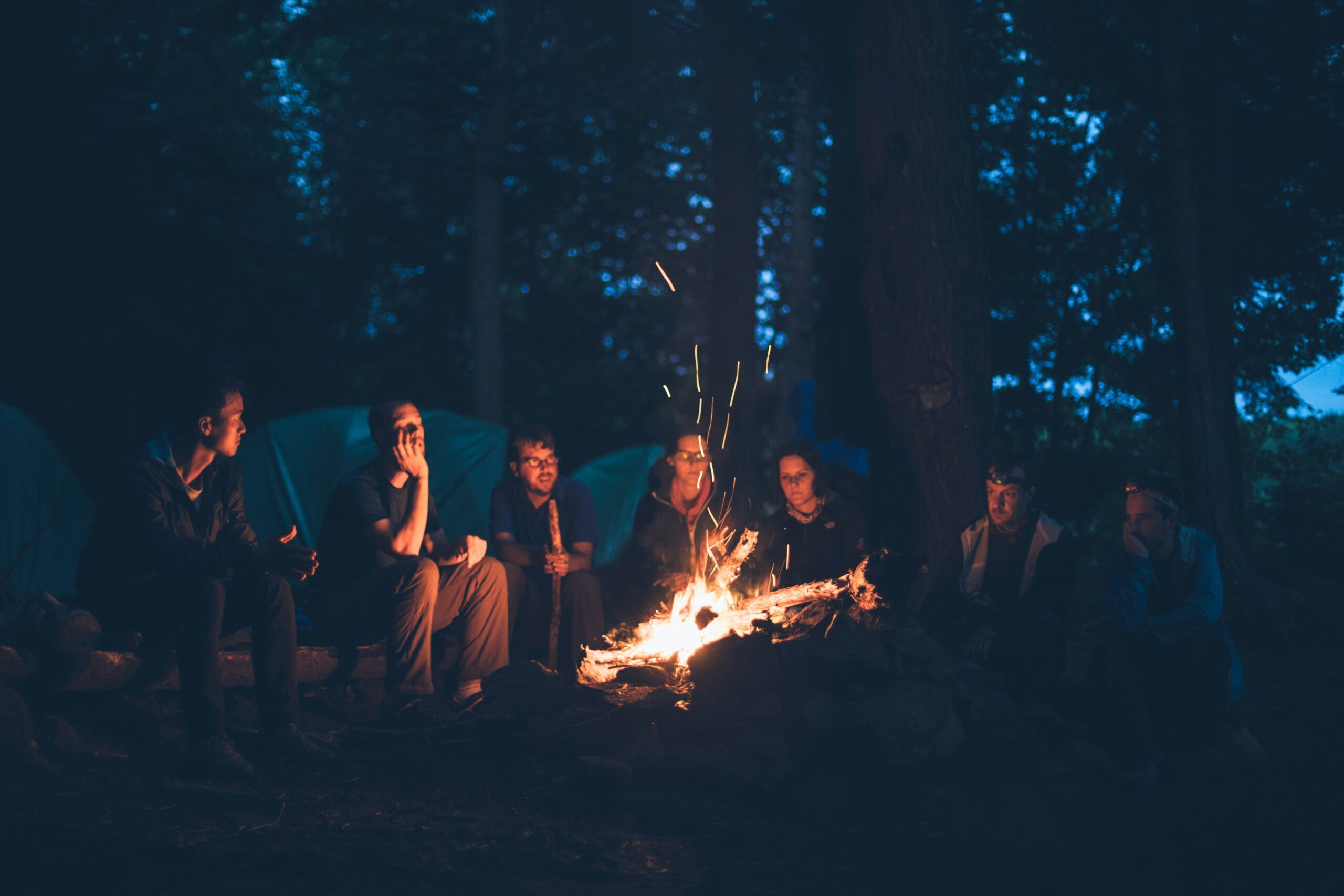
This category is the foundation of a successful camping trip. A dry, comfortable shelter and a good night’s sleep are non-negotiable for a happy family.
The universal advice from all sources is to choose a tent that is much larger than the number of people in your family. An 8 to 10 person tent is ideal for a family of four. This provides essential room for gear, air mattresses, and moving around, especially during bad weather.
Key features to look for include a full-coverage rainfly for protection from rain and dew, and a screen room or porch. This screened-in area is a game-changer, acting as a bug-free living room for meals and relaxation. The CORE 11-Person Tent with Screen Room was specifically recommended. For easier setup, consider instant cabin tents with pre-attached poles like the Coleman Skydome.
For older children seeking independence, a separate kids’ tent, like the Coleman Wonderlake, can be a fun option.
A footprint or a simple tarp cut to size is essential. It protects the tent floor from sharp objects, abrasion, and ground moisture. Crucially, the footprint must be slightly smaller than the tent’s base. If it sticks out, it will collect rainwater and channel it under your tent.
This system is what separates a restless night from a rejuvenating one.
For sleeping bags, select ones with appropriate temperature ratings. For kids, the Kelty Mistral was recommended for older children, while the Morrison Outdoors Big Mo 20 is designed for toddlers. In warm summer weather, sometimes just using the bag as a quilt over sheets is enough.
Sleeping pads or air mattresses are mandatory. They provide critical insulation from the cold ground and cushioning for comfort. Self-inflating pads like the REI Kindercamp for kids or the REI Camp Dreamer for adults are a popular balance of comfort and convenience.
Cots are excellent for getting sleepers off the ground, which often feels warmer and more comfortable. The Kid-O-Bunk bunk bed cots are a fantastic space-saving and fun solution for multiple children.
Do not underestimate the importance of pillows and extra blankets. Bringing pillows from home and plenty of extra blankets is a simple way to ensure everyone stays cozy, as temperatures can drop significantly at night.
For babies and toddlers, a pack-and-play is multipurpose, serving as both a safe sleep space and a contained play area during the day. Always remember to pack favorite comfort items like a stuffed animal or blanket to help maintain routine and provide security. If you have electrical hookups, a sound machine can help drown out unfamiliar campground noises.
A pop-up canopy or sun shelter, like a Clam Quick-Set, is invaluable. It provides shade over your kitchen and dining area and protection from rain, greatly expanding your usable living space.
An outdoor rug placed outside the tent door is a simple trick that drastically reduces the amount of dirt, sand, and leaves tracked inside.
Finally, use clear plastic bins to organize all your sleep gear and other supplies. They keep your camp tidy, protect gear in transit, and make packing and unpacking much easier.
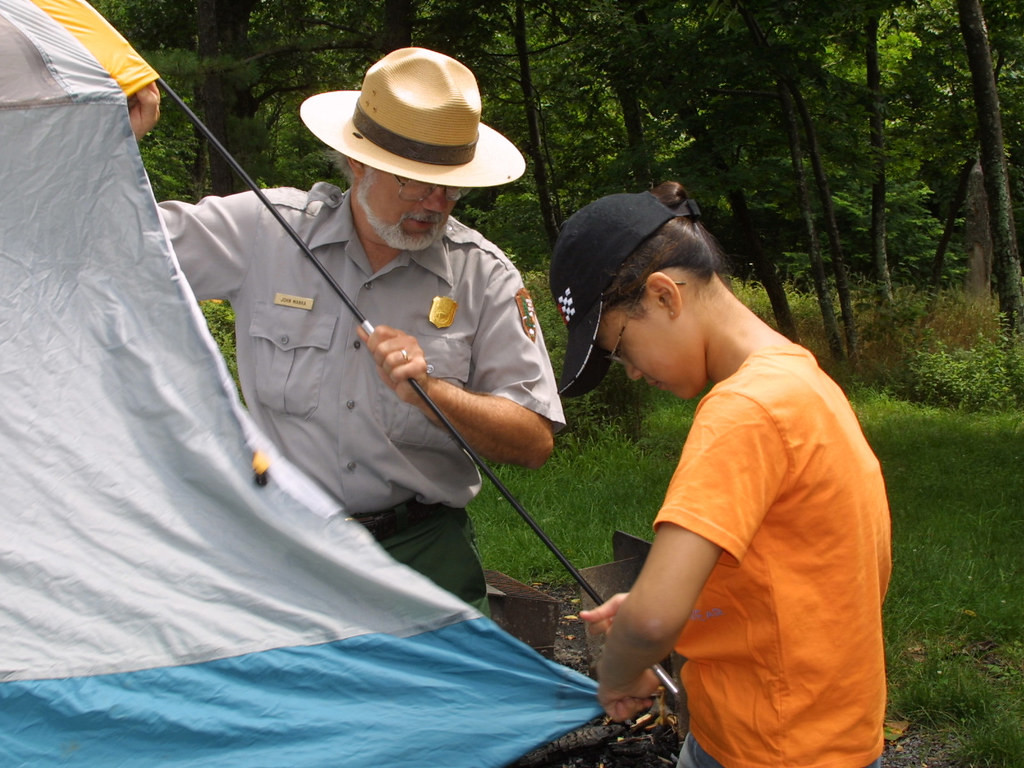
A well-organized camp kitchen is the heart of a great camping trip. Good food, prepared efficiently, keeps everyone happy and energized. The key is to balance essential tools with a few items that make cooking easier and more enjoyable.
Your primary cooking method will likely be a portable camp stove. A two-burner propane stove, like a Camp Chef model, provides the versatility to boil water and cook a main dish simultaneously. This is far more efficient than trying to cook everything over a fire.
Of course, the campfire is a central part of the experience. For cooking over the fire, you will need an over-fire grill grate or a tripod with a grill grate. For direct flame cooking, don’t forget long roasting sticks for hot dogs and marshmallows, or pie irons for making fun grilled sandwiches.
Cast iron is the undisputed champion of camp cooking. A cast iron skillet is a true must-have, as it can be used on a camp stove or directly in the fire and will last a lifetime. A cast iron Dutch oven expands your menu immensely, allowing you to bake, stew, and make soups, chilies, and nachos.
Beyond that, a small pot for boiling water (for coffee, oatmeal, or hot chocolate) is essential. A mixing bowl is needed for preparing ingredients, and a durable cutting board is necessary for food prep.
You do not need a full kitchen’s worth of tools, but a few key items are crucial. A good chef’s knife with a protective sheath and a smaller paring knife will handle most tasks. A set of tongs is indispensable for handling bacon, turning sausages, and managing food on the griddle. A heat-resistant spatula is needed for eggs and pancakes, and a sturdy set of BBQ tools is best for managing food over the fire.
Always have heavy-duty aluminum foil on hand. It is essential for creating foil packet meals (which cook beautifully and make for easy cleanup), wrapping potatoes or corn, and lining skillets to prevent sticking.
Other small but vital tools include a can opener, a bottle opener, a meat thermometer to ensure safety, and oven mitts or heat-resistant gloves.
Avoid flimsy disposable plates and utensils. Invest in a durable, reusable set of plates, bowls, and cups. enamelware or sturdy plastic are great options. Everyone should have their own dedicated mug for hot drinks in the morning.
A high-quality cooler is a critical investment. Heavy-duty coolers like those from Yeti or similar brands will keep ice frozen for days, which is vital for protecting perishable food and keeping drinks cold. Use reusable ice blocks instead of loose ice to prevent food from swimming in water.
For dry goods, use leak-proof containers to protect food from moisture, humidity, and critters.
Staying hydrated is crucial. Have a large water dispenser, like a 5-gallon jug with a spout, at your camp table. This allows everyone to refill their personal water bottles easily and provides water for cooking and cleaning. Each family member should have their own reusable water bottle, and water bottle slings are game-changers for keeping hands free during hikes and explorations.
Cleaning up is part of camp life. Have two wash bins: one for washing with biodegradable soap and one for rinsing. Bring a sponge or scrubber, a dish towel, and a roll of paper towels for quick clean-ups. Always have a large supply of trash bags and Ziploc bags on hand for storing leftovers, packing out trash, and organizing small items.
For coffee lovers, a simple system is a must. A French press (the Stanley model was highly recommended) or a pour-over setup will make excellent coffee. A camping kettle is useful for boiling water quickly.
Do not forget your pantry basics. Pack a small kit with cooking oil, cooking spray, salt, pepper, and your most-used spices and condiments. Pre-measuring spices into small containers can save a lot of space.
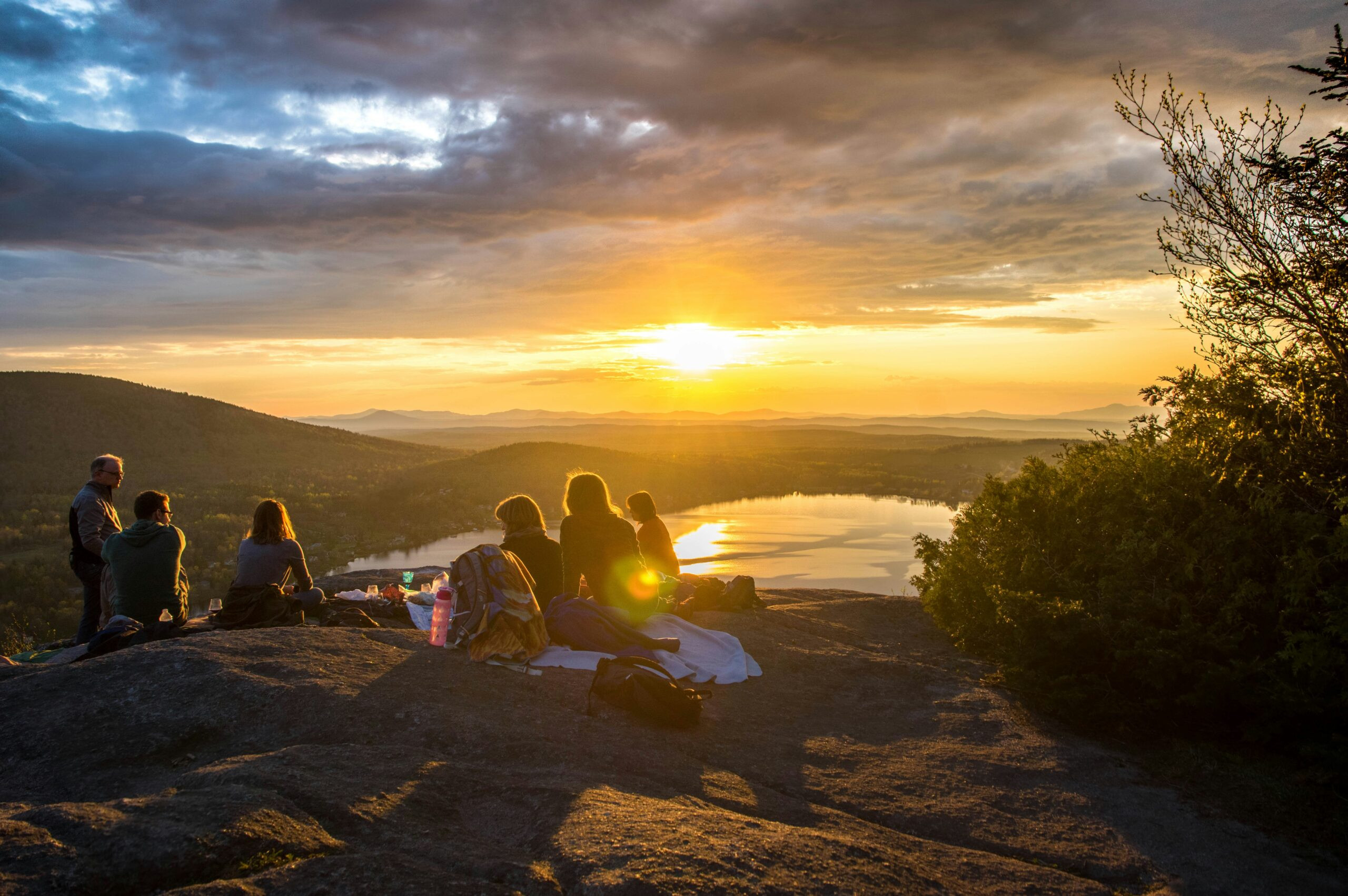
Packing the right clothing and personal items is crucial for comfort and safety in the outdoors. The key principle is to be prepared for changing conditions and to prioritize function over fashion. The mantra is layers, layers, layers.
This is the most important concept for staying comfortable in variable weather.
Start with a moisture-wicking base layer. This includes underwear and T-shirts made of synthetic materials or wool. Cotton should be avoided as it holds moisture and will make you cold.
Next, have insulating layers. A long-sleeve sun shirt provides protection from the sun and bugs. A lightweight fleece or jacket offers warmth when temperatures drop.
Your outer layer is for protection from wind and rain. A reliable rain jacket and rain pants are essential, even if the forecast looks clear. Weather can change quickly.
For colder weather, add a warm insulated jacket or vest, fleece pants, a warm hat, and gloves.
Shorts and quick-drying pants are ideal for daytime activities. For sleepwear, pack something comfortable and appropriate for the expected nighttime temperatures.
Footwear is critical. Sturdy hiking boots or shoes are needed for trails and exploring. Also pack camp shoes or sandals for relaxing around the site and for wearing to shower facilities. Water sandals are great for beaches or lakes.
Accessories make a big difference. A sun hat and sunglasses are necessary for sun protection. A warm beanie is essential for cool evenings around the fire. Bandanas are versatile for use as a handkerchief, pot holder, or neck cooler.
Always pack swimsuits and rash guards. Rash guards provide an extra layer of sun protection and can help prevent irritation.
A good rule of thumb is to pack one outfit per day for adults and teenagers. For younger children who are more prone to getting dirty, pack two outfits per day. Use a duffel bag, suitcase, or even a clear tote for each family member to keep things organized.
Do not forget a dedicated laundry bag for dirty clothes. A simple drawstring bag or even a spare trash bag works perfectly to keep the dirty clothes separate from the clean ones.
This goes beyond mere comfort and is important for health and well-being.
A well-stocked first aid kit is non-negotiable. It should include bandages, antiseptic wipes, pain relievers, and any prescription medications your family needs.
Sun and bug protection are a top priority. Pack sunscreen, lip balm with SPF, insect repellent, and after-bite treatment.
For hygiene, remember toilet paper (many primitive campsites don’t supply it), hand sanitizer, and biodegradable soap. Quick-dry towels are superior to cotton towels at camp. Include a toothbrush, toothpaste, a hairbrush, and any other personal toiletry items.
For families with babies and toddlers, remember diapers, wipes, and pull-ups. For older children and adults, consider a portable camping toilet or urination device for those late-night trips when the bathroom is far away.
Embrace the fact that kids will get dirty. Camping is a place where it’s okay to be messy. Setting up a hand-washing station with a jug of water and soap can help manage the grime.
Be flexible with teens. They may want to bring more personal care products or their own specific clothing items. Allowing them some control over their packing can make the trip more enjoyable for everyone.
The goal is to be prepared for anything from a sunny day at the lake to a chilly, rainy evening, ensuring everyone stays dry, comfortable, and happy.
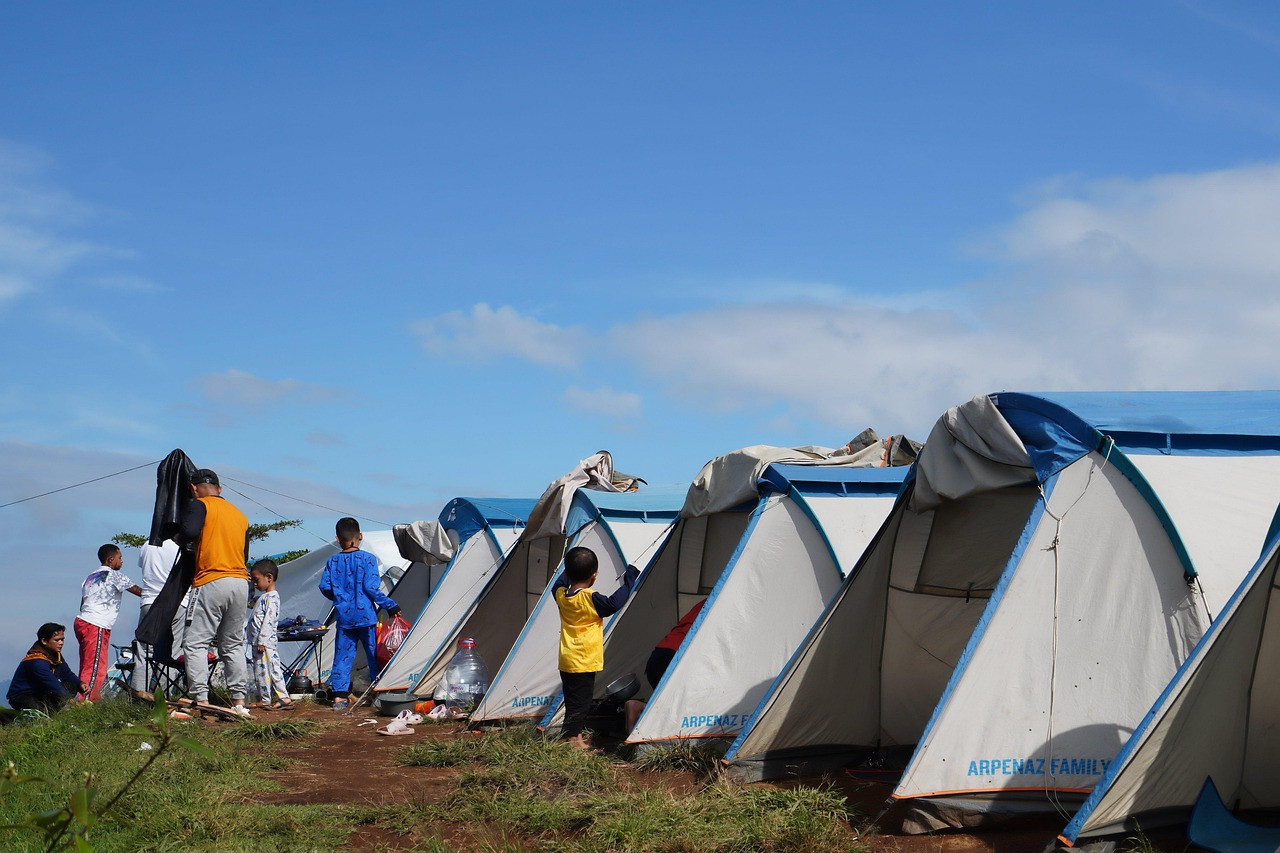
Transforming your campsite into a comfortable and safe home-away-from-home is key to a successful trip. This goes beyond the tent and involves creating functional living spaces, ensuring you can see and be seen, and being prepared for the unexpected.
Proper lighting is essential for safety, functionality, and ambiance after the sun goes down.
Every family member should have their own headlamp. This provides hands-free light for tasks like cooking, reading in the tent, or walking to the bathroom at night. The Petzl Tikkina was specifically recommended as a sturdy, kid-friendly option.
For ambient light that illuminates the entire campsite, you need a lantern. Options range from classic fuel-powered models to modern LED and even solar-powered inflatable lanterns like the LuminAid, which can also charge devices.
For a touch of magic and to define your space, hang solar-powered string lights around your canopy or tent. This creates a cozy atmosphere and helps prevent tripping over guylines.
Comfortable seating is what encourages everyone to relax and enjoy the campsite.
Adult-sized camp chairs are a must. Look for features like cup holders and side pockets. Equally important are kid-sized camp chairs. Having a chair that fits them makes children feel included and provides a safe, designated spot for them to sit around the fire.
If your campsite does not have a picnic table, a portable camp table is invaluable for meal preparation, eating, and playing games.
To create an extended living area, a pop-up canopy or sun shelter is a game-changer. It provides essential shade on hot days and rain protection during showers, allowing your family to enjoy the outdoors comfortably. Placing an outdoor rug or mat outside the tent door drastically reduces the amount of dirt, sand, and leaves tracked inside.
The campfire is often the centerpiece of the evening, but it requires the right tools and respect.
You must have a way to start a fire. Pack waterproof matches and/or a reliable lighter. Fire starters can be very helpful, especially if kindling is damp.
A basic set of tools is crucial for management and safety. A small saw or hatchet is useful for processing firewood. A multi-tool or pocket knife has countless uses around camp. Duct tape is the ultimate quick fix for gear repairs.
Always have a bucket of water or a fire extinguisher nearby before you light the fire, and ensure the fire is completely cold to the touch before going to sleep or leaving the site.
Being prepared for emergencies is paramount.
A well-stocked first aid kit is non-negotiable. It should be more comprehensive than a small backpacking kit and include supplies for treating blisters, cuts, burns, and allergic reactions.
Each child should be given a safety whistle and taught that it is only to be blown if they become lost or are in serious trouble. The sound of a whistle carries much farther than a voice.
Even at a drive-in campground, basic navigation tools are wise. A map of the campground and a compass can help everyone get their bearings. If your kids are old enough to explore on their own, set clear boundaries for where they can and cannot go.
A cluttered campsite is an uncomfortable and unsafe one.
Use clear plastic bins to organize everything. Have one for the kitchen, one for tools, and others for gear. You can see what’s inside, and they stack neatly in the car. Always have a supply of heavy-duty trash bags and Ziploc bags for storing food, packing out waste, and keeping small items organized and dry.
A clothesline with clips is incredibly useful for hanging wet towels, swimsuits, and dish towels to dry.
Comfort is also about enjoying your downtime.
A hammock is a fantastic addition for both kids and adults to read, nap, or simply lounge. For entertainment, pack a mix of classic, non-electronic options like a frisbee, a ball, bubbles for younger kids, and card games or board games for the whole family. A Bluetooth speaker is nice for playing music, but be respectful of your camping neighbors.
By thoughtfully addressing these areas, you create a campsite that is not just a place to sleep, but a comfortable, safe, and enjoyable base for making family memories.
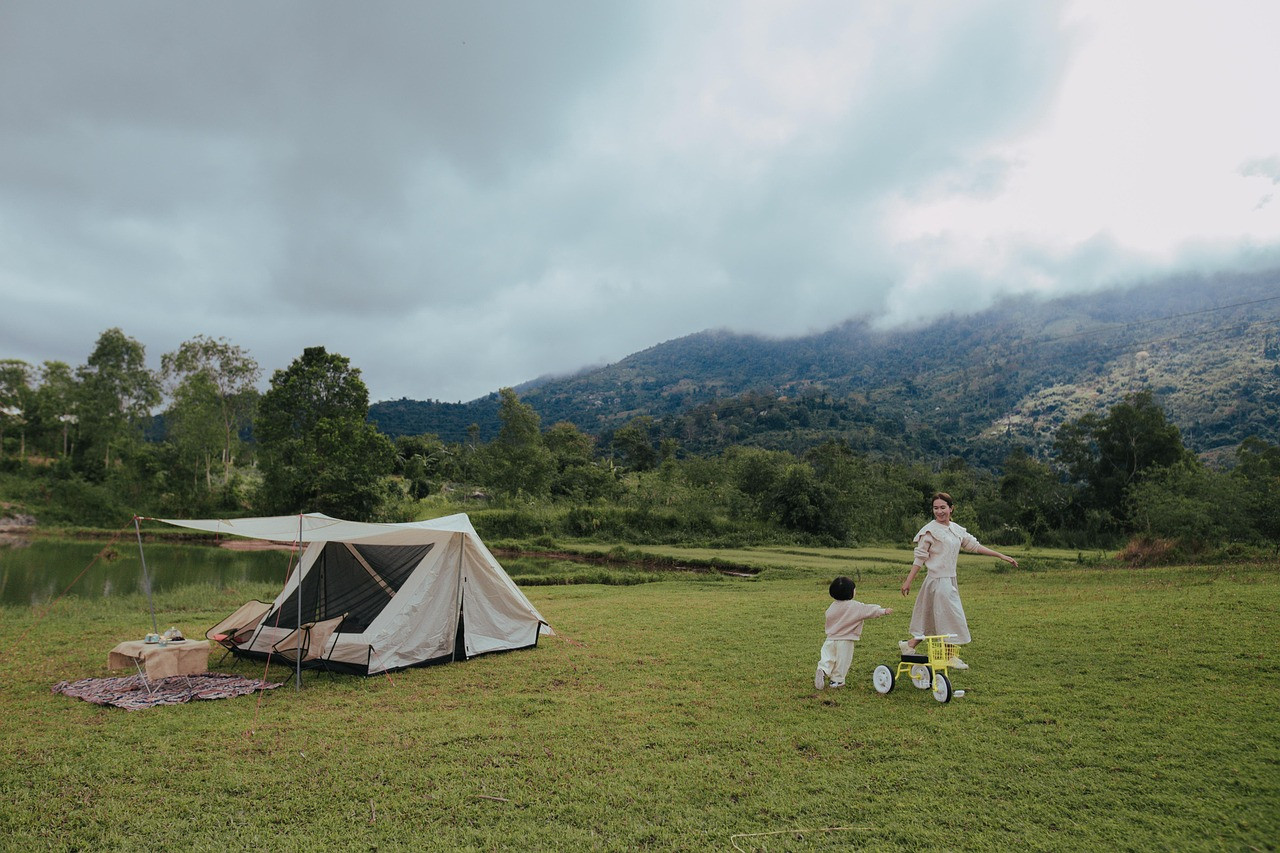
While nature itself is the main attraction, having a plan for entertainment ensures there’s never a dull moment, especially during downtime at the campsite or if the weather turns. The goal is to encourage engagement with the environment and each other.
Often, the simplest activities are the most engaging. Encourage kids to explore and interact directly with their surroundings. This can include digging in the dirt or sand, building forts with fallen sticks and branches, skipping rocks at a lake, or simply going on a wander to see what they can find. This kind of free, imaginative play is a core joy of camping.
Turn curiosity into a fun activity with tools that help kids engage with nature on a deeper level.
Bring along field guides relevant to the area. Books on birds, trees, wildflowers, insects, or animal tracks can make a walk feel like a scavenger hunt. Many parks also offer junior ranger programs with structured, educational activities.
Give kids their own tools for discovery. A pair of kid-friendly binoculars allows them to birdwatch or get a closer look at distant landscapes. A magnifying glass is perfect for inspecting bugs, leaves, and rocks up close.
Pack a bag of simple, versatile toys that encourage active and creative play.
For active fun, bring a frisbee, a soccer ball, or a football. Bubbles are a timeless hit with younger children. For quieter moments, sidewalk chalk can be used on rocks or pavement, and a jump rope is great for burning energy.
Don’t forget games for the picnic table or inside the tent. A deck of cards is lightweight and offers endless game options. Compact board games or travel games like Uno are perfect for evening entertainment.
As the sun sets, activities shift to calmer, cozy pursuits.
The campfire is a classic source of entertainment. Beyond making s’mores, try telling stories, singing songs, or playing simple games like “I Spy” focused on the sounds around you.
For a magical touch, add solar-powered string lights around your campsite for ambiance. Glow sticks are also a cheap and fun way for kids to light up the night and play in the dark.
If your family enjoys music, a waterproof Bluetooth speaker is great for playing tunes, but always be mindful of your camping neighbors and keep the volume respectful.
Always have a backup plan for when everyone needs to retreat to the tent.
Books are a perfect quiet activity. Bring a mix of books for yourself and your children, including camping-themed stories to get them in the spirit.
Coloring books, sketch pads, and small, contained craft kits can keep little hands busy when they’re confined to a small space.
One of the best forms of entertainment is giving children a real job to do. Involve them in age-appropriate camp chores. Younger kids can help gather kindling for the fire (with supervision), pump up sleeping pads, or set out the camp chairs. Older kids can be in charge of washing dishes, helping to cook a meal, or even learning to set up their own tent. This makes them feel capable and invested in the experience.
The key is to provide a mix of options – some structured, some purely for fun, and plenty of opportunities for kids to create their own adventures. This balance ensures everyone has a memorable and enjoyable time.
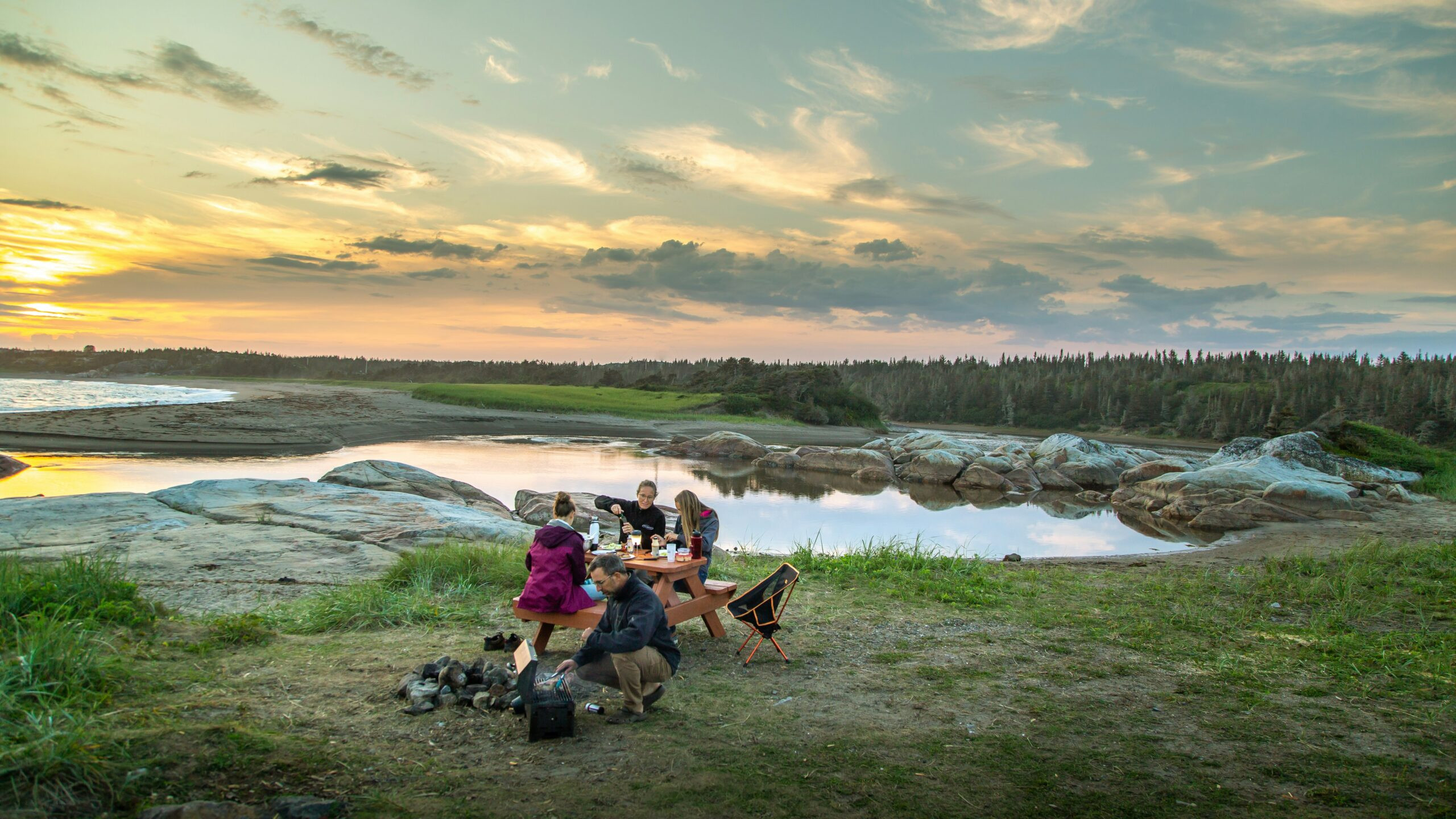
Good organization is the secret to a stress-free and enjoyable camping trip. It transforms chaos into order, saves precious time at the campsite, and ensures you can find what you need when you need it. The goal is to create systems that work from the car to the campsite and back home again.
Before you even start packing, use a comprehensive camping checklist. This is the single most important organizational tool. It ensures you don’t forget critical items and allows you to check things off as you pack and again before you leave the campsite to ensure nothing gets left behind. Many of the provided articles offer printable checklists.
The best method for organizing gear is to use clear plastic storage bins, often called totes. Group items by category and dedicate a separate tote for each category.
Have a Kitchen Tote that contains everything for cooking and eating: stove, fuel, utensils, spices, dish soap, sponge, and towels. A separate Food Tote or cooler is for perishable and dry goods.
Have a Shelter & Sleep Tote for tent, stakes, mallet, footprint, and repair kits. Another tote or duffel bag can be for sleeping bags, pillows, and blankets.
Use a Clothing Tote or have each family member pack their clothes in a separate duffel bag or suitcase. Using different colored bags for each person makes identification easy.
Clear bins are ideal because you can see the contents without having to open them and dig around.
Once you arrive, your organizational system helps you set up quickly and efficiently.
Designate specific areas within your campsite. Create a kitchen zone where the stove, table, and food are located. Have a sleeping zone for tents. Define a common area with chairs and a rug for relaxing.
An outdoor rug placed directly outside the tent door is a simple but brilliant tool. It gives people a place to sit and take off shoes, dramatically reducing the amount of dirt, sand, and leaves tracked inside the tent.
A pop-up canopy or sun shelter instantly creates a defined “living room” that offers shade and rain protection, making your usable space much larger and more comfortable.
Use small organizational tools to keep things tidy. A clothesline with clips is perfect for hanging wet towels and swimsuits to dry. A small over-the-door organizer hung inside a shelter or on a tree can hold small items like headlamps, sunscreen, and bug spray, keeping them off the table and easy to find.
Proper food storage is critical for safety and organization.
A high-quality cooler is an investment that keeps food cold and organized. Using reusable ice blocks instead of loose ice prevents food from becoming waterlogged.
All food and scented items (toothpaste, trash, soap) must be secured every night and whenever you leave the campsite. In bear country, this means using a bear box or bear canister. At other sites, this means locking everything in the trunk of your car. Never keep food or trash in your tent.
Use leak-proof containers for dry goods like cereal, pasta, and coffee to protect them from moisture, ants, and other critters.
Give each family member their own responsibilities. Each person should have their own duffel bag for clothing and personal items. A small daypack or backpack for each child is perfect for carrying their water bottle, snacks, and treasures they find on hikes.
Organization is just as important when breaking camp. Have a dedicated bag or tote for all dirty laundry. Designate one specific bag for all trash to ensure you leave no trace behind.
As you pack the car to leave, try to reverse the order you used when you arrived. This makes unpacking at home much easier.
By implementing these organizational strategies, you spend less time searching for lost items and managing clutter, and more time relaxing and enjoying your family adventure.
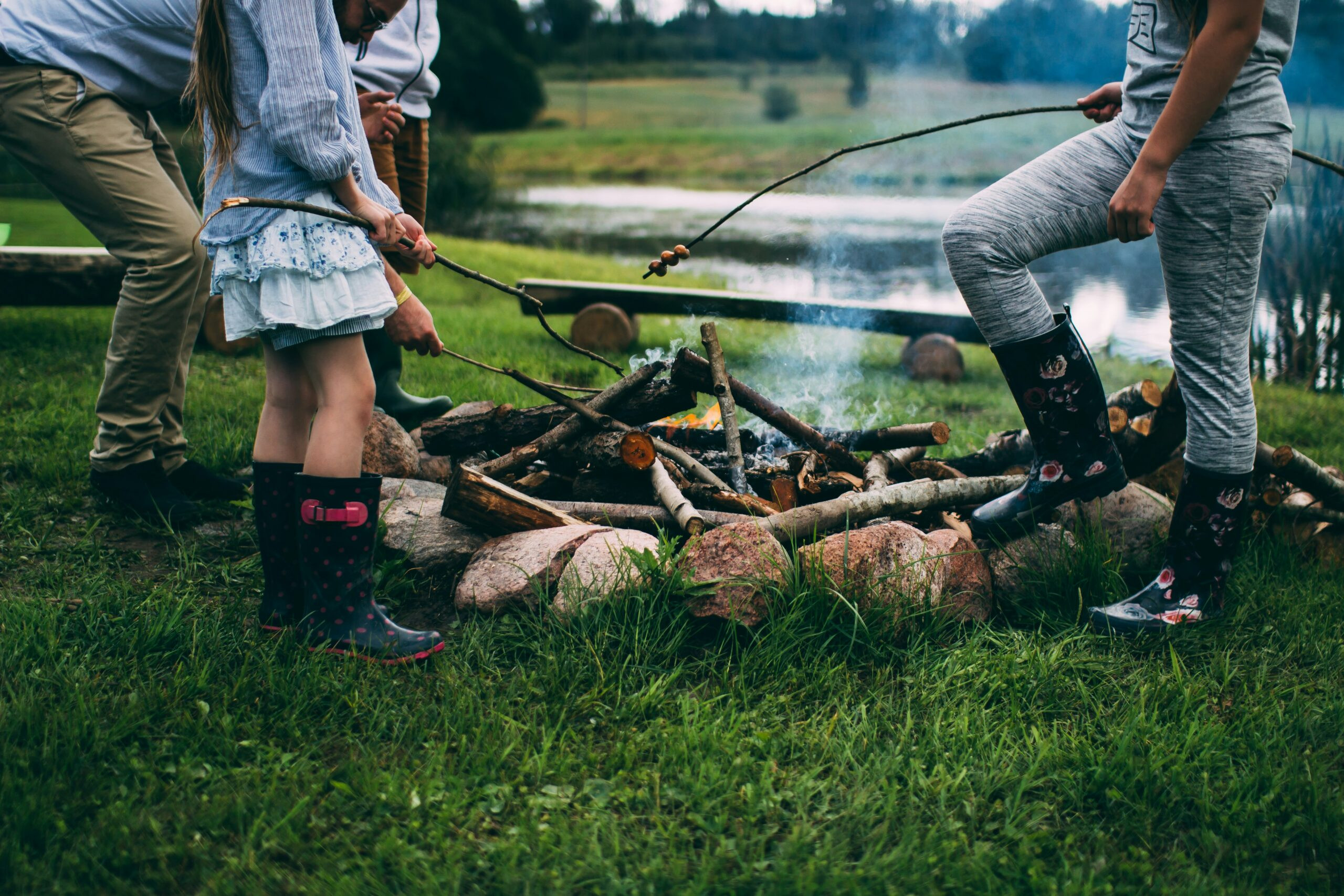
A successful family camping trip requires anticipating the unique needs of different age groups and family members. A one-size-fits-all approach doesn’t work. Tailoring your plan and gear ensures everyone, from the youngest to the oldest, has a positive experience.
Camping with very young children requires specific gear to maintain routines and ensure safety.
Sleep is a primary concern. A portable playpen or travel crib provides a familiar, safe, and contained space for both sleeping and playing during the day. Do not forget their favorite comfort items – a specific blanket, stuffed animal, or pacifier – to help them feel secure in the new environment.
For meal times, if your child is used to a high chair, consider bringing a portable one. It provides a familiar place to eat and keeps them safely contained. A sturdy stroller is useful not just for transportation but also for napping on the go and hauling gear around the campground.
If your campsite has electrical hookups, a portable white noise machine can be invaluable for drowning out unfamiliar nighttime sounds and helping little ones fall asleep.
The key with young children is managing dirt, boredom, and safety.
Embrace the fact that they will get dirty. Pack extra clothes – the recommendation is two outfits per day – and have a ready-to-use handwashing station with a jug of water and soap.
Keep them engaged with simple, nature-based activities. Let them have a small backpack to carry their own water and snacks on hikes. Give them a kid-sized headlamp or flashlight; having their own light source makes them feel involved and reduces fear of the dark at night.
Safety is paramount. Set very clear boundaries on where they can and cannot go within the campground. Teach them what to do if they become separated from you, and consider giving them a safety whistle to blow in an emergency.
Camping with older children and teenagers is about balancing independence with family time.
A powerful way to engage them is to offer a sense of ownership. Put them in charge of a specific camp chore, like cooking one meal or being the official firestarter (under supervision). Better yet, allow them to bring a friend. Having a peer along can completely transform their attitude toward the trip.
Privacy becomes important. If possible, give them their own space. This could be a separate tent or a partitioned area within a large tent. This gives them a sense of independence and a place to retreat.
Be flexible with their needs. Allow them to sleep in, bring a book, or listen to music with headphones. Negotiate screen time rules beforehand instead of demanding a complete digital detox, which can lead to conflict.
Comfort and accessibility are the top priorities when camping with grandparents or older adults.
Focus on creating a comfortable sleeping situation. A high-quality cot or a thick, self-inflating sleeping pad is much easier to get in and out of than a low air mattress and provides better insulation from the ground.
Ensure they have a comfortable camp chair with good back support and arms to help them sit down and stand up easily. An elevated camping toilet or a toilet seat that fits on a bucket can be a worthwhile addition if walking to distant restrooms at night is difficult.
Plan activities that are enjoyable for everyone, like short, flat walks or scenic drives, rather than strenuous hikes. Their extensive knowledge can also be engaged by putting them in charge of identifying birds or plants with a field guide.
If you’re bringing your furry family member, they need their own packing list.
They will need their own bed or familiar blanket to sleep on to feel comfortable. A long leash or a portable dog run is essential to keep them safely contained at the campsite, even if they are well-behaved.
Remember their food, bowls, and a extra water. An outdoor dog pen can be useful for containing a smaller dog while allowing them fresh air.
Across all ages, your attitude is the most important gear you pack. Be patient and flexible. Things will not go perfectly, and that’s part of the adventure. Focus on creating a positive experience rather than sticking to a rigid schedule. Involve everyone in the planning process so they feel invested in the trip’s success.
By thoughtfully considering these special needs, you can create a camping experience that is enjoyable and comfortable for every single member of your family.
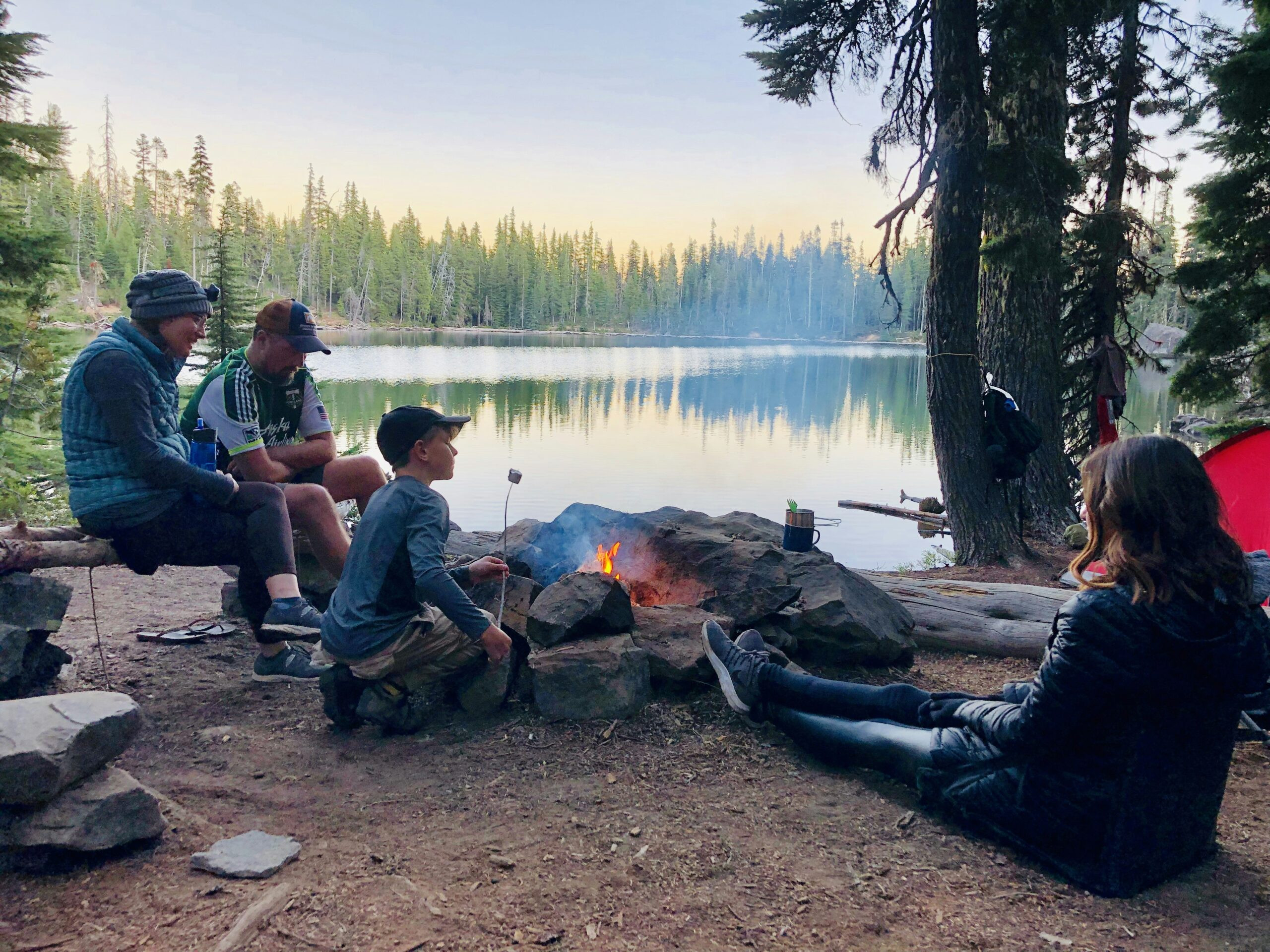
The true essence of family camping isn’t found in a checklist or a piece of gear, but in the experience itself. It’s in the shared silence under a blanket of stars, the collective triumph of a meal cooked together over the fire, and the unplanned moments of wonder as a child examines a bug on a leaf.
The gear we’ve outlined is merely the foundation – the tools that build a platform for comfort, safety, and organization. They are the means to an end, and that end is connection. Connection to each other, free from the distractions of daily life, and connection to the natural world that reminds us of simple joys.
Remember that the perfect trip is not the one without hiccups, but the one where you navigated them together. A forgotten item becomes a lesson in resourcefulness; a rainy day becomes an opportunity for stories in the tent. Embrace the dirt, the improvisation, and the laughter that comes with it.
So pack thoughtfully, but then let go. Be present. Watch as your children build resilience with each adventure and as your family builds a treasure trove of memories that, much like a trusted cast iron skillet, will only grow more valuable with time. The wilderness awaits not to be conquered, but to be shared.
 Do I Need a Camping Pillow?
 Best Camping Gear For Beginners under $200
 The Best Climbing Helmets