Camping is one of the most affordable and rewarding ways to enjoy the outdoors, but many beginners hesitate to try it because they assume the gear will cost a fortune. The truth is, you don’t need high-end equipment to get started – you just need reliable, safe, and budget-friendly essentials. With smart choices and a little planning, you can put together a complete beginner camping kit for under $200.
This guide highlights the best affordable gear that balances comfort, durability, and practicality, so you can head into your first camping trip with confidence – without draining your wallet. Whether you’re planning a weekend at a state park or your first overnight in the wilderness, these beginner-friendly picks will help you stay warm, dry, and ready for adventure.
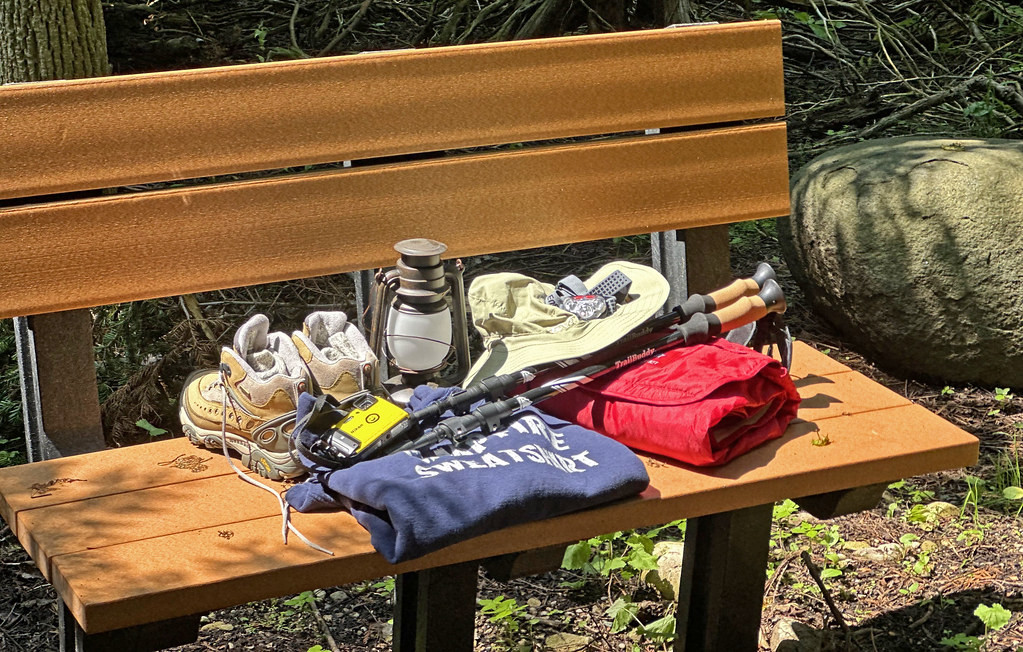
efore you start filling your cart, it’s important to think about how, where, and when you’ll be camping. The right gear for you may not be the same as for someone else, especially when working with a budget of under $200. Here are the key factors to keep in mind:
1. Type of Camping (Car Camping vs. Backpacking)
2. Comfort vs. Necessity
3. Durability and Weather Protection
4. Don’t Forget the “Forgotten Essentials”
Many new campers overlook small but vital items like:
5. Budget Smartly
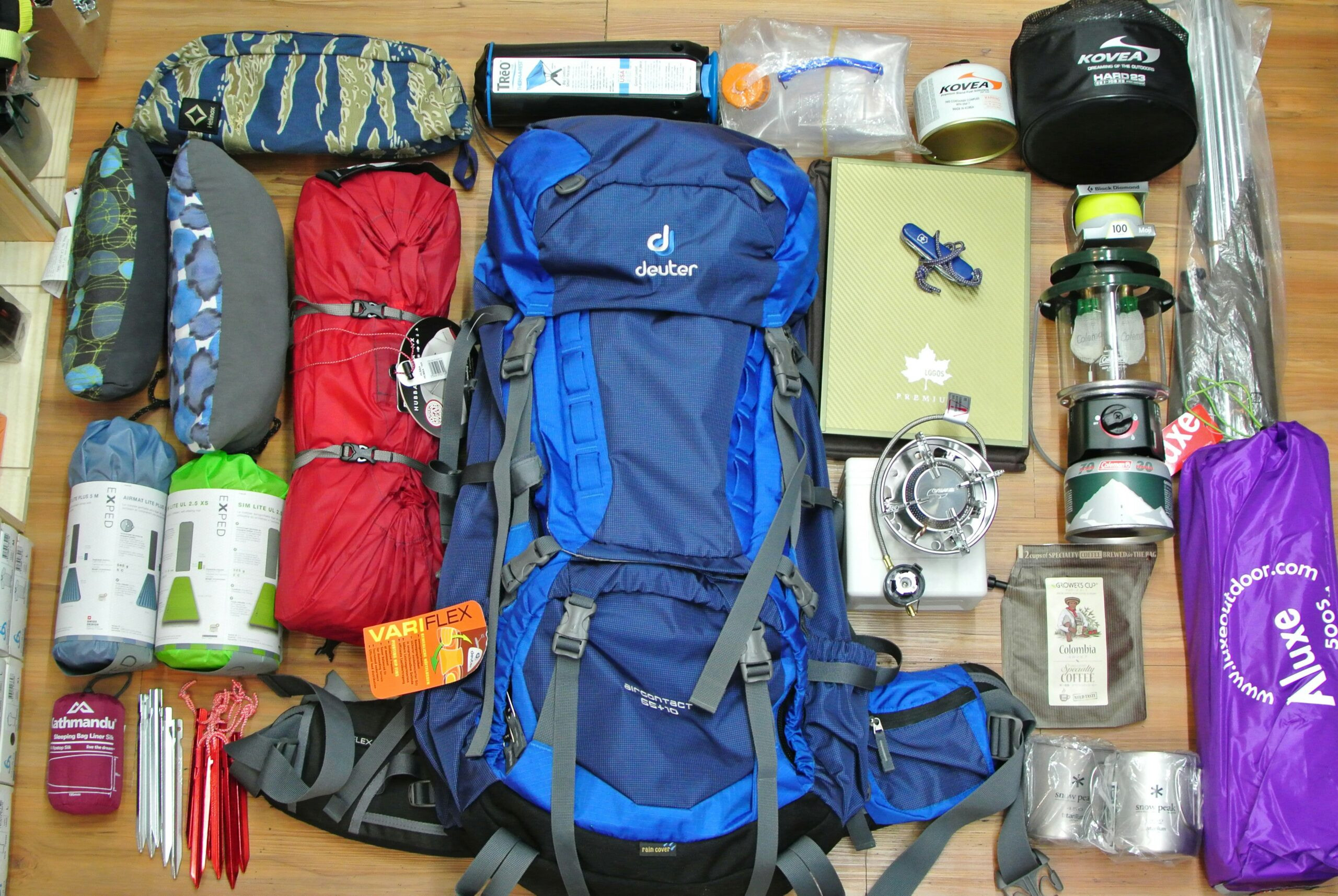
Building a camping kit doesn’t have to be overwhelming or expensive. With a budget of around $200, you can cover all the basics you need for a safe, comfortable, and enjoyable trip. Below are the essentials every beginner should focus on.
A tent is your most important shelter. Under $200, you can still find solid, weather-ready options:
Key Features to Look For: waterproof rating (≥1200mm), good ventilation, durable poles (aluminum preferred).
Why you need both: Even a warm sleeping bag won’t keep you comfortable if the ground pulls away your body heat.
Pro tip: For ultra-budget campers, you can cook over a campfire, but check local fire rules first.
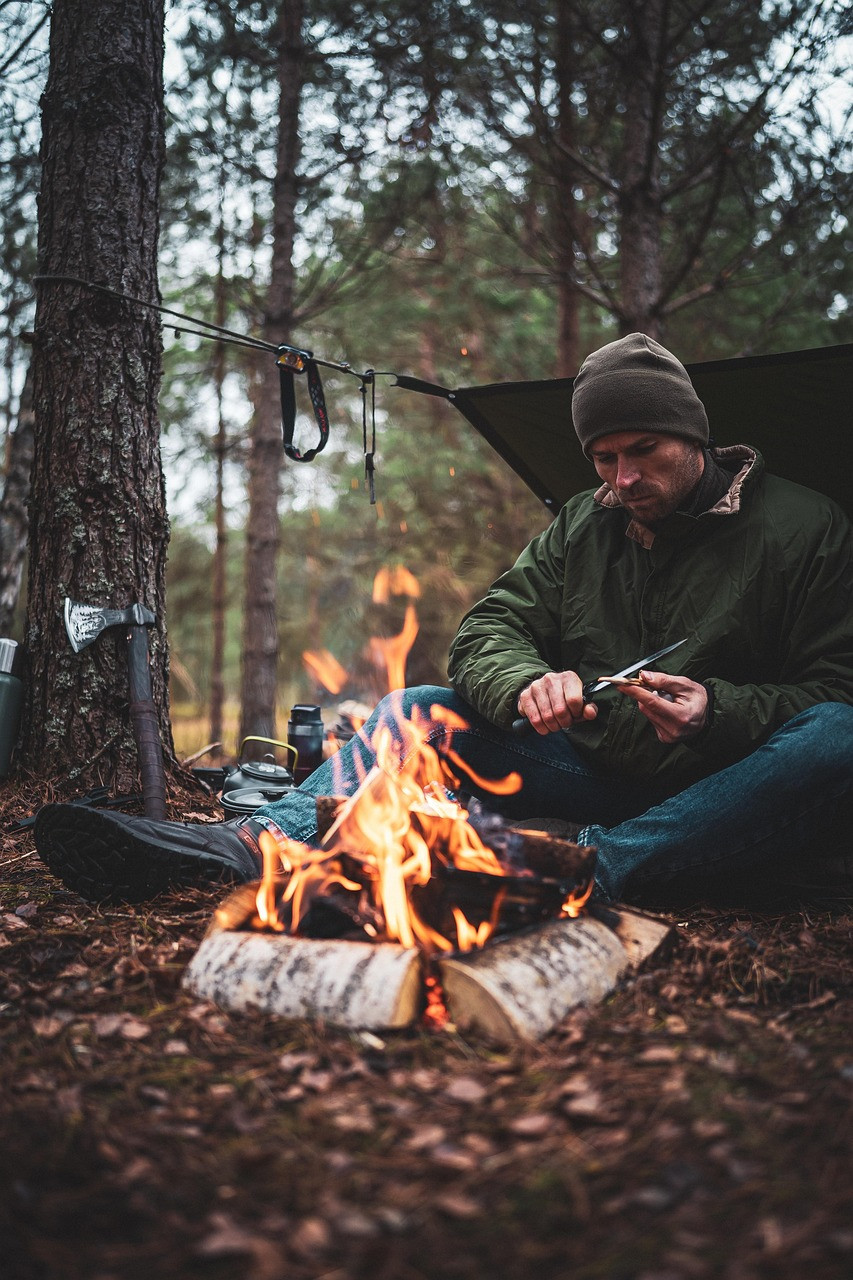
Starting your camping journey on a budget doesn’t mean settling for low-quality gear. With a thoughtful approach, you can stretch $200 into a solid beginner kit that covers all the essentials. Here’s how:
1. Prioritize the Core Four
Spend most of your budget on the essentials that matter most:
2. Borrow or Rent When Possible
If you’re unsure about camping long-term, borrow gear from friends or rent from an outfitter (REI, local gear shops, or even college programs). This lets you try before you buy.
3. Buy Used or Check Discount Outlets
4. Upgrade Slowly
Your first kit doesn’t have to be perfect. Budget tents, stoves, and sleeping bags will do their job while you learn what matters most to you. Once you camp more often, upgrade the pieces you use most (like your tent or sleeping bag) for durability and comfort.
5. Avoid Overbuying Gadgets
Beginners often spend on unnecessary extras. Stick to multi-purpose items:
6. Plan for the “Hidden Costs”
Don’t forget small but important purchases like:
7. Focus on the Experience, Not the Gear
The best investment is getting outdoors. Even if your kit is basic, you’ll learn what you like and dislike, making future purchases smarter. Remember, it’s the memories made under the stars that count – not the price tag of your equipment.
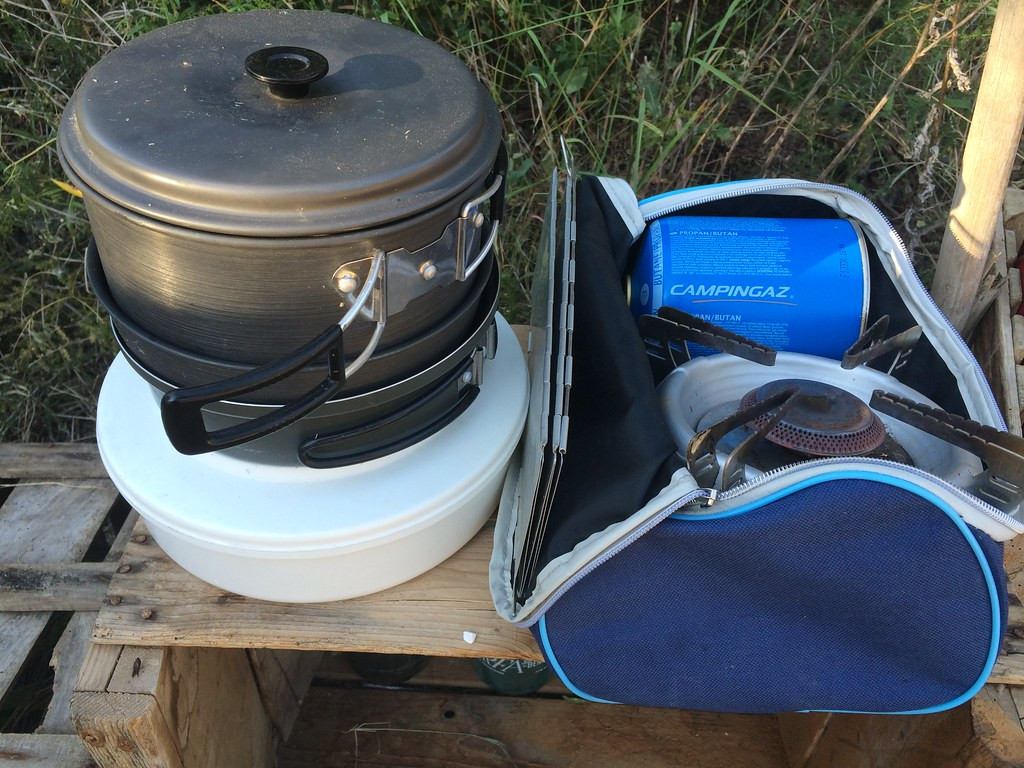
Your first camping trip sets the tone for how much you’ll enjoy the outdoors, so it’s worth taking a few simple steps to make the experience as smooth as possible. Start by choosing an established campground rather than heading straight into the backcountry. Campgrounds in state or national parks usually provide amenities like restrooms, potable water, and fire rings, which take away much of the stress for beginners.
Before you leave, practice setting up your tent at home. This gives you confidence, helps you spot any missing pieces, and prevents the frustration of trying to figure it out in the dark. The same applies to using your stove – test it once in your backyard so you know how it works.
Plan your meals ahead of time and keep them simple. Prepping ingredients at home, like chopping vegetables or marinating meat, will make camp cooking easier. Pack snacks that don’t require any preparation so you always have something to grab quickly. Don’t forget to bring enough water or confirm that the campground has a safe source for refilling.
Clothing is another area where a little planning goes a long way. Always pack for cooler nights than you expect, and bring at least one waterproof layer. Even in summer, temperatures can drop sharply once the sun goes down, and nothing ruins a first trip like being cold or wet.
Arrive early so you can set up camp in daylight. This helps you get familiar with the area and gives you time to make your site comfortable. Keep your sleeping space, cooking space, and food storage separate – this is a good habit to reduce the risk of attracting wildlife.
Most importantly, go in with the mindset that everything doesn’t have to be perfect. You might forget a small item, or the weather may not cooperate, but that’s part of the adventure. Stay flexible, laugh off the hiccups, and focus on enjoying the fresh air, quiet evenings, and the simple joy of being outdoors.
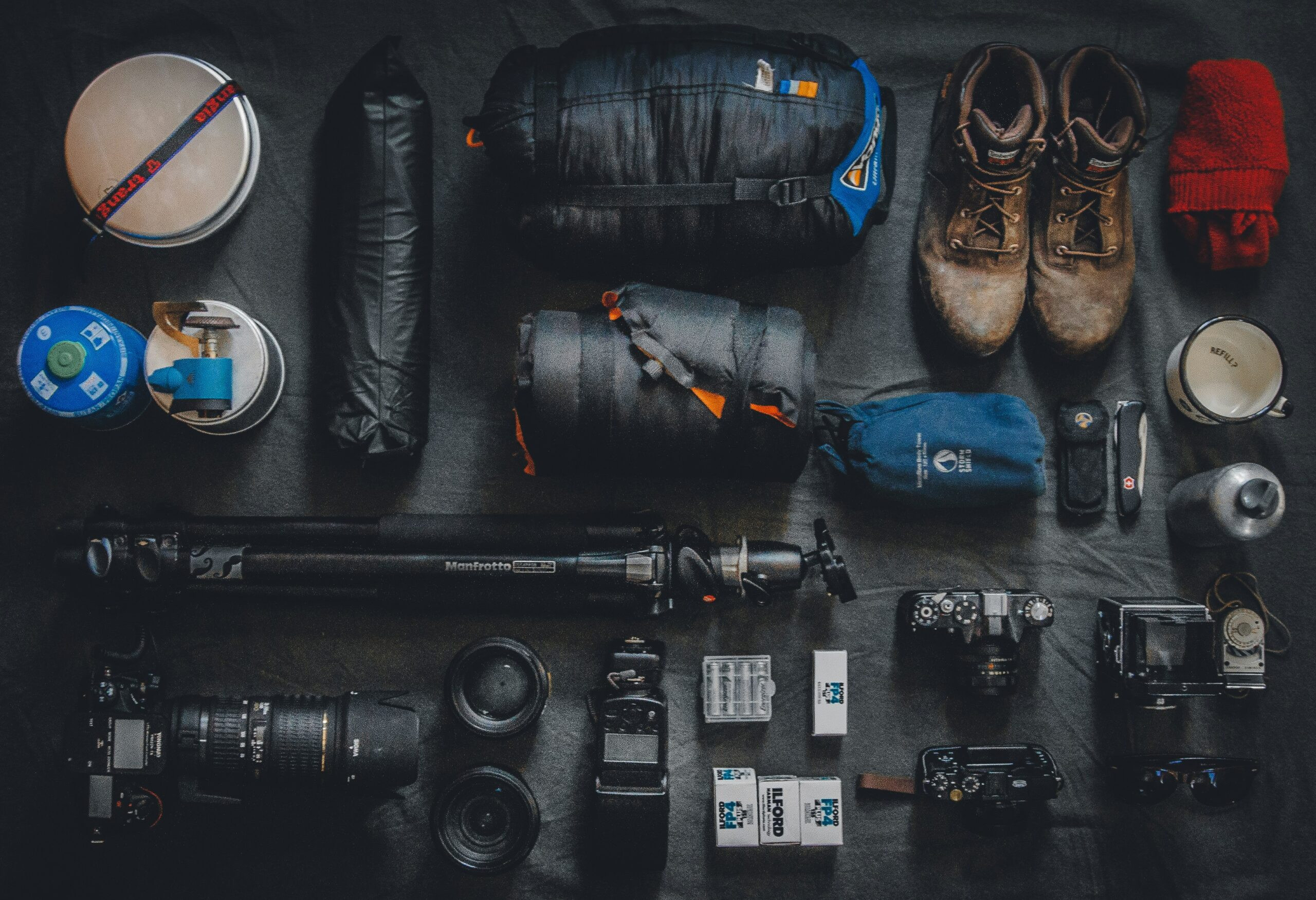
Getting started with camping doesn’t have to drain your wallet or overwhelm you with endless gear choices. With less than $200, you can put together a beginner-friendly kit that covers the essentials: shelter, a sleep system, cooking tools, and a few small but important extras for comfort and safety. The key is to focus on reliability and simplicity rather than the latest high-tech features.
As a beginner, your priority should be getting outside, learning the basics, and building confidence. Affordable tents, sleeping bags, and stoves will serve you well while you discover what kind of camper you are and what gear truly matters to you. Over time, you can upgrade piece by piece, but there’s no need to wait for expensive equipment to start making memories under the stars.
Camping is about the experience, not the price tag of your gear. With thoughtful choices, smart budgeting, and a willingness to embrace the adventure, your first trip can be comfortable, fun, and inspiring. Pack your essentials, keep things simple, and get ready to enjoy the outdoors – because the best camping gear for beginners is the gear that lets you start today.
 Do I Need a Camping Pillow?
 Best Camping Gear for Families
 The Best Climbing Helmets