A good night’s sleep is not a luxury on a camping trip; it is a fundamental component of safety, performance, and enjoyment. The physical demands of hiking, climbing, or even setting up camp are significant. Your body requires adequate rest to repair muscles, consolidate memory, and replenish energy stores. Without quality sleep, you wake up fatigued, both mentally and physically, which diminishes your capacity to appreciate the natural beauty around you and handle the challenges of the trail.
The consequences of poor sleep are immediate and tangible. Waking up with a stiff neck, sore shoulders, or a headache – often the result of straining for support on a makeshift pillow or the hard ground – can turn an anticipated day of adventure into a painful ordeal. This discomfort stems from a lack of proper spinal alignment, where your head and neck are left unsupported, forcing muscles to strain throughout the night to stabilize them.
Furthermore, sleep deprivation impairs cognitive function. Navigation becomes more difficult, reaction times slow, and judgment can be clouded, which can be dangerous in an unpredictable outdoor environment. A well-rested body is also better equipped to regulate temperature and support a healthy immune system, which is crucial when exposed to the elements.
Ultimately, investing in sleep is investing in the quality of your entire outdoor experience. While a high-quality sleeping bag and pad are the foundation, they only support up to your neck. The final, critical link for true rest and recovery is ensuring your head and neck are properly supported, allowing you to wake up refreshed, alert, and ready to fully embrace the day’s adventures.
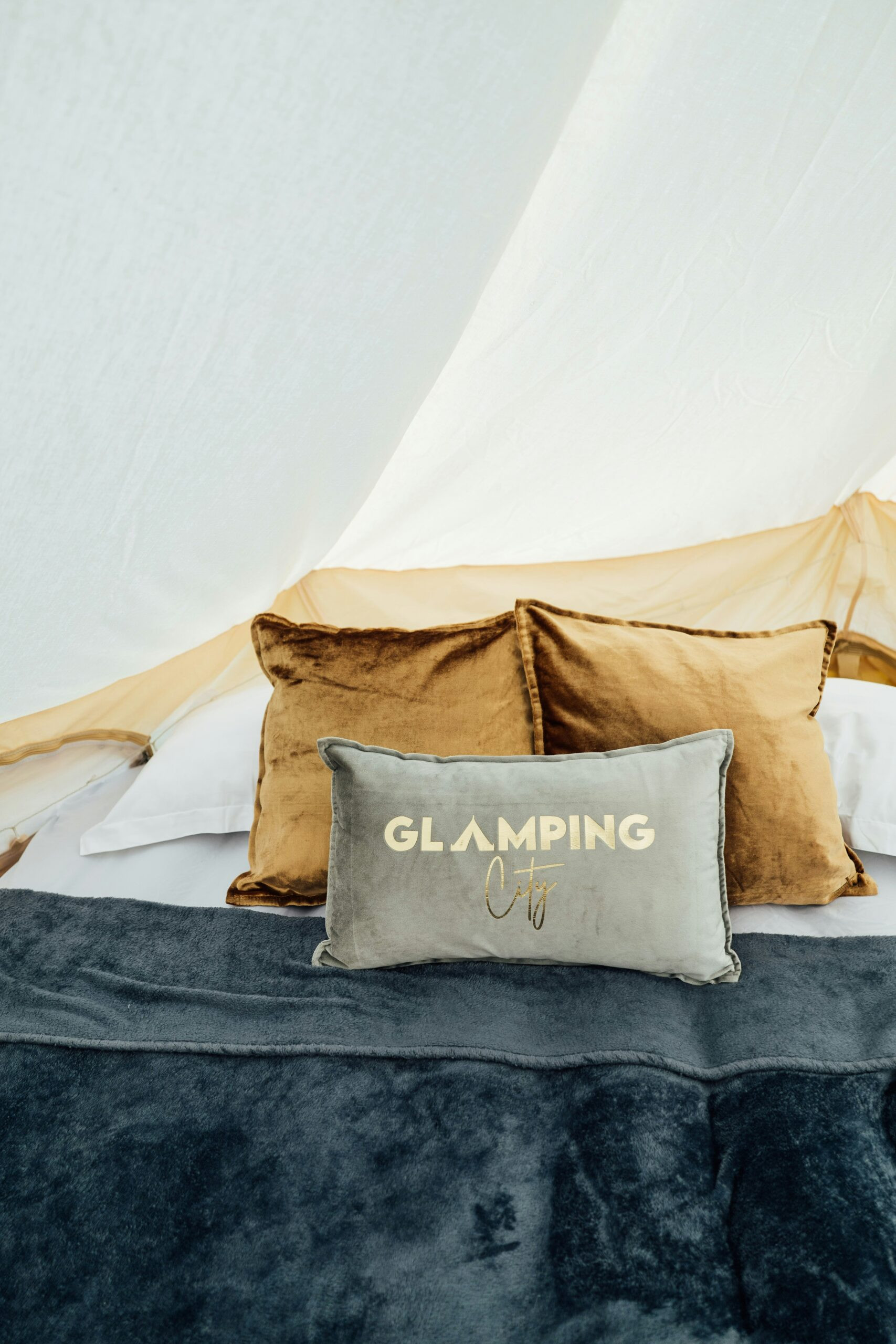
The advantages of a dedicated camping pillow extend far beyond simple comfort, fundamentally enhancing your outdoor experience. Primarily, they are engineered to provide proper support and alignment for your head and neck. This ergonomic design actively prevents the stiffness and pain commonly experienced after a night of using a bunched-up jacket or an uncomfortable stuff sack, ensuring you wake up feeling refreshed rather than sore.
Furthermore, these pillows are specifically designed for the outdoors, meaning they are constructed from durable, often moisture-wicking materials that can withstand the rigors of the trail. Unlike a regular pillow that would become damp and dirty, many camping pillows feature removable, machine-washable covers, making them a more hygienic option. Their design also prioritizes packability and weight; they compress into a fraction of the size of a domestic pillow, often fitting in the palm of your hand, which makes them effortless to stow in a backpack without sacrificing valuable space.
Many models also offer multi-purpose functionality, serving as a comfortable backrest while sitting at camp or a lumbar support on a long drive. This versatility adds significant value to your gear kit. By bringing a dedicated pillow, you are making a direct investment in your well-being, trading a minimal amount of weight and space for a maximized return in sleep quality and overall comfort, which is invaluable after a long and demanding day in the wilderness.
Camping pillows are primarily categorized by their filling and construction, each offering a distinct balance of comfort, packability, and weight. The most common type is the inflatable pillow, which uses an air chamber as its core. These are prized for being exceptionally lightweight and compact, often packing down to the size of a deck of cards. They allow you to adjust the firmness by adding or releasing air, though some can feel too rigid or bouncy if over-inflated. Their main drawback is the potential for punctures and a less plush feel against the skin compared to other types.
In contrast, compressible or filled pillows are designed to mimic the feel of a traditional bed pillow. They are stuffed with materials like synthetic foam clusters, down insulation, or recycled foam scraps. This construction provides superior softness, immediate comfort without the need for inflation, and often better warmth. However, this comfort comes at the cost of bulk and weight; they are significantly larger and heavier when packed than inflatable models, making them better suited for car camping or short backpacking trips where pack space is less critical.
A popular hybrid design seeks to combine the best features of both. These pillows typically feature an inflatable air bladder core for adjustable support and loft, which is then topped with a layer of foam, down, or synthetic fill. This combination offers a more comfortable and less “balloon-like” sleeping surface than a pure inflatable, while still maintaining a relatively low weight and pack size compared to a full compressible pillow. They represent a strong middle ground for backpackers who prioritize comfort but are still weight-conscious.
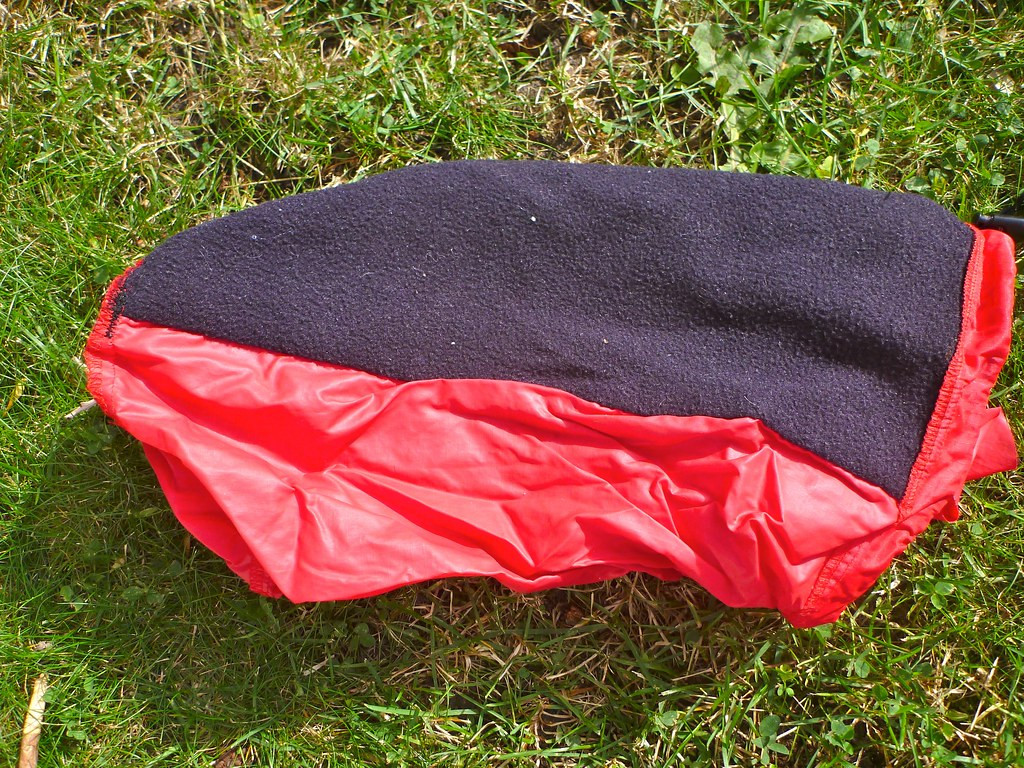
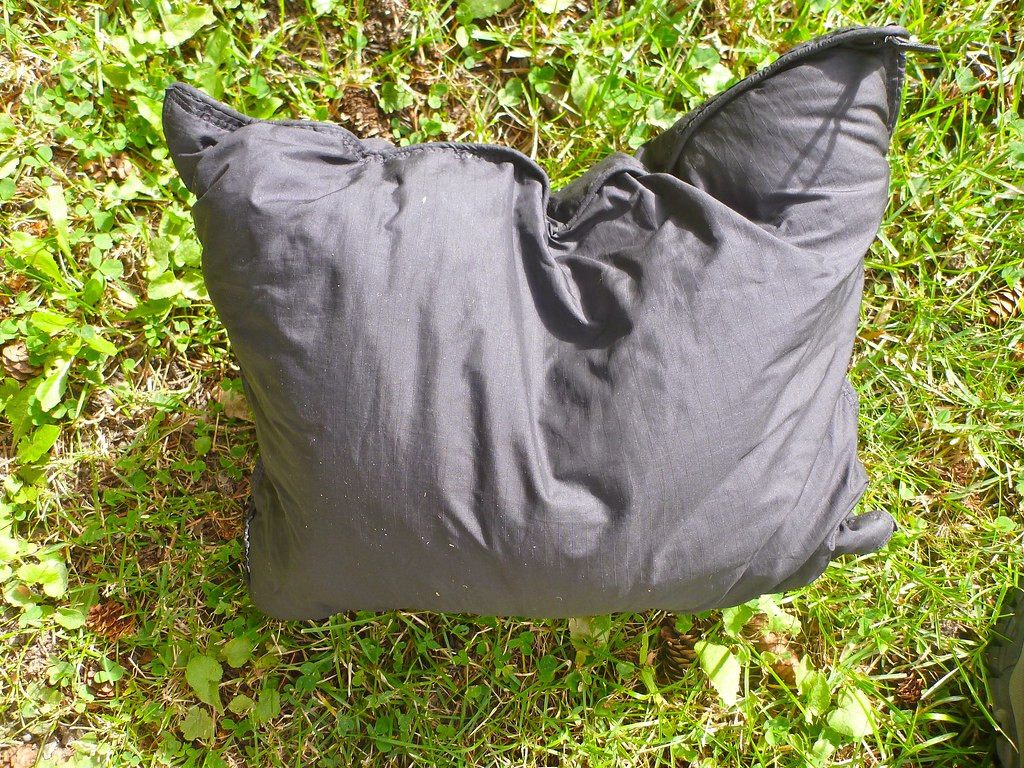
Finally, the stuff sack pillow is the ultimate minimalist and multi-purpose option. This is essentially a dedicated sack, often with a soft liner like fleece, that is designed to be stuffed with your extra clothing, such as a down jacket or fleece. Its primary advantages are its ultra-lightweight nature (as it replaces a separate item) and its dual function as storage. The main disadvantage is that its comfort and loft are entirely dependent on what clothing you have available, which can be inconsistent and may leave you without a pillow if you need to wear all your layers to sleep.
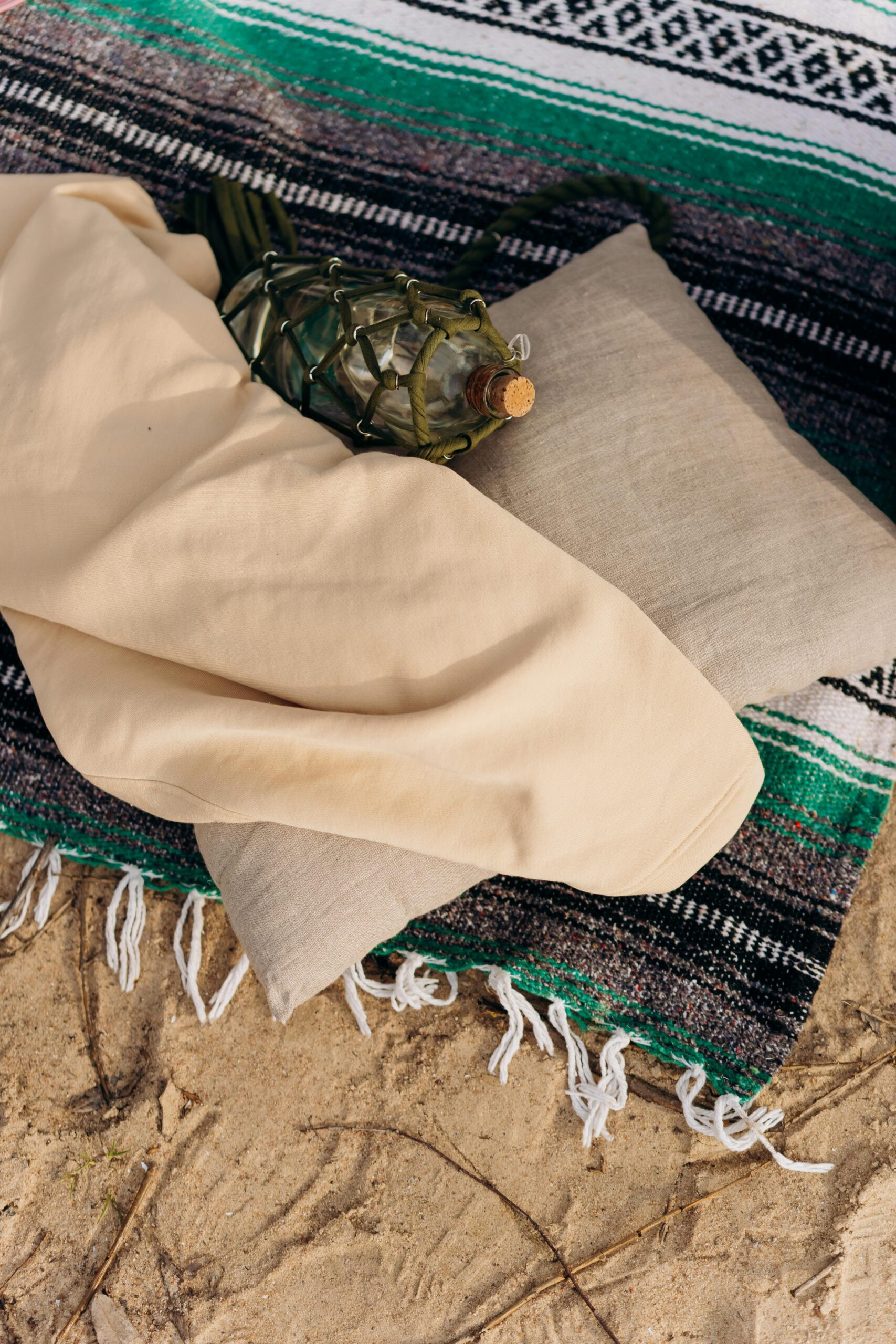
Selecting the right camping pillow is a personal decision that hinges on balancing several key factors, with the type of camping you do being the primary consideration. For a backpacker or thru-hiker, where every ounce and cubic inch of pack space is precious, weight and packability are the supreme priorities. This often leads to choosing an ultra-lightweight inflatable pillow or a minimalist stuff sack. Conversely, for car camping, base camping, or overlanding where you are not carrying your gear far, comfort and size can take precedence, making a larger, more plush compressible foam pillow the ideal choice.
Your dominant sleeping position is another critical factor that dictates the necessary loft and support. Side sleepers generally require a thicker, firmer pillow to fill the space between their ear and shoulder and maintain proper spinal alignment. Back sleepers usually need a medium-height, softer pillow to support the natural curve of their neck without pushing their head too far forward. Stomach sleepers often prefer a very low-profile, soft pillow, or may even forgo one entirely.
The pillow’s material and construction directly impact comfort and durability. Consider the face fabric; a soft, brushed polyester or microfleece feels much more comfortable against the skin than a slick nylon, which can feel cold and cause slipping. For inflatable models, look at the baffle design, as horizontal baffles can better cradle your head than vertical ones. Also, evaluate features that enhance functionality, such as a non-slip underside or attachment loops to secure the pillow to your sleeping pad, preventing it from sliding away during the night. A removable, machine-washable cover is also a highly valuable feature for long-term hygiene and maintenance. Finally, your budget will play a role, but it’s wise to view a pillow as an investment in your well-being, as a quality model that improves your sleep will provide value on countless trips.
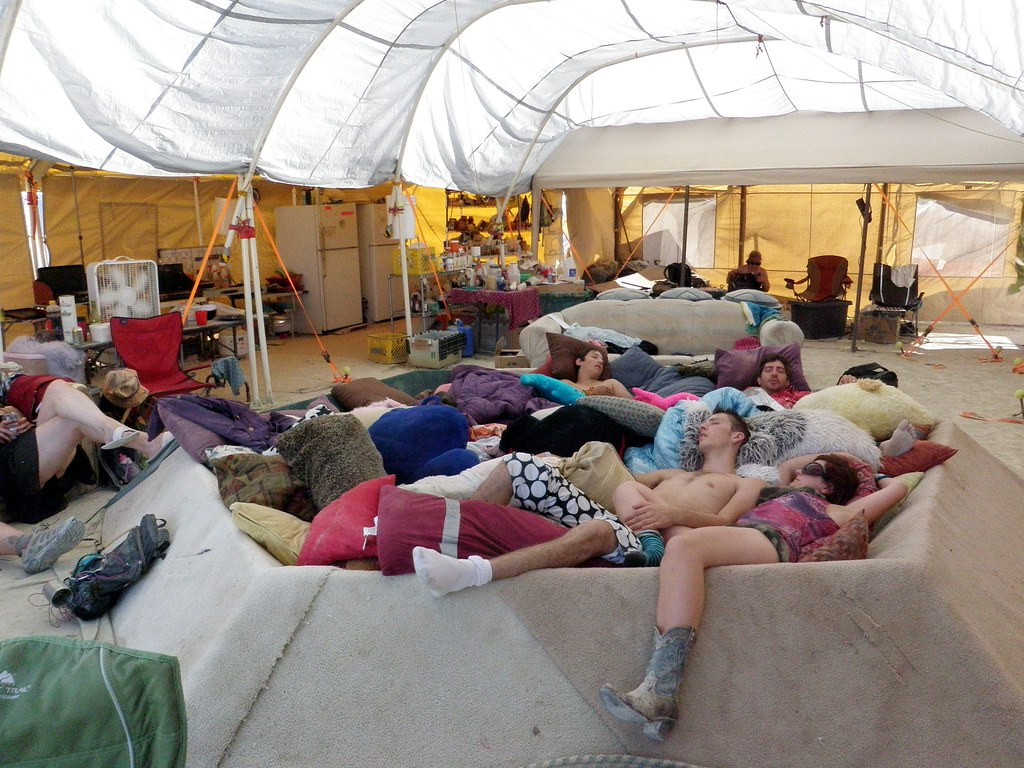
For those seeking a minimalist or improvised solution, several practical alternatives can provide varying degrees of comfort without the need for specialized gear. The most common and accessible method is to use a stuff sack, either a dedicated one with a soft lining or any available durable sack, filled with soft items of clothing. A puffy jacket is an ideal filler due to its compressibility and loft, but a fleece, extra base layers, or even a pair of pants can be rolled and stuffed into the sack to create a makeshift pillow. The main advantage of this system is its multi-purpose nature – it saves weight and space by utilizing gear you are already carrying. However, its significant drawback is that its comfort is entirely dependent on what clothing you have available; if the night is cold and you need to wear all your insulating layers to sleep, you may be left with nothing to stuff, resulting in a very hard and uncomfortable pillow.
A simpler, even more low-tech approach is to forgo the stuff sack altogether and simply roll or bunch up a jacket, sweater, or other soft garment to place under your head. This requires no extra equipment but often provides less consistent support and is more likely to shift and flatten during the night, potentially waking you up to readjust.
Another creative alternative, particularly useful in warmer weather, is to use a water bladder or a hydration reservoir as a pillow. Partially inflating it with air creates a soft, adjustable cushion, while the cool surface of the bladder can offer a refreshing sensation on a hot night. The downside is the weight of the bladder itself and the potential for leakage, however minor.
While these alternatives can work adequately, especially on short trips or for those on a strict budget, they are generally inconsistent and cannot match the reliable support, dedicated comfort, and hygienic properties of a pillow specifically designed for the purpose. They represent a trade-off where you sacrifice guaranteed comfort for a reduction in carried weight and volume.
Ultimately, the question of whether a camping pillow is worth it boils down to a simple value proposition: trading a minimal amount of weight and space for a maximized return in sleep quality and overall well-being. For the vast majority of campers, the answer is a resounding yes. The minor inconvenience of carrying a few extra ounces is profoundly outweighed by the benefit of waking up without neck pain, feeling genuinely refreshed, and being ready to fully engage with the day’s adventures.
The experience of countless outdoor enthusiasts confirms this. Many who have stubbornly opted for a stuff sack or no pillow, often in the name of ultralight purity, frequently report a revelation upon finally trying a dedicated pillow, astonished by the dramatic improvement in their sleep comfort. This is especially true on longer trips, where the cumulative effect of poor sleep can degrade performance, mood, and safety.
However, the ideal choice is deeply personal and hinges on your specific priorities. A dedicated backpacker covering long miles each day will justifiably choose a different model – a sleek, ultra-light inflatable – than a car camper for whom luxury and plush comfort are the ultimate goals. But for both, the core principle remains the same: investing in proper sleep is investing in the quality of the entire outdoor experience.
Therefore, while alternatives can work in a pinch, a dedicated camping pillow should be considered an essential component of a complete sleep system, not a superfluous luxury. It is a small, manageable piece of gear that delivers a disproportionately large positive impact, ensuring that your time outdoors is defined by enjoyment and vitality, not by stiffness and regret.
While not strictly necessary, they are highly recommended for improved comfort, proper neck support, and better sleep quality, which enhances your overall outdoor experience.
You can for car camping where space and weight don’t matter. However, regular pillows are bulky, absorb moisture, and are difficult to clean, making them impractical for backpacking.
Inflatable pillows are best for backpacking due to their extremely light weight and small packed size. Hybrid models (inflatable with a foam top) offer a great balance of comfort and packability.
Some pillows have non-slip bottoms or attachment loops. You can also tuck it into your sleeping bag’s hood, place it inside a shirt laid on your pad, or use a DIY strap system.
Yes. Stuffing a soft jacket or clothes into a stuff sack is the most common alternative. A partially inflated water bladder can also work in a pinch.
Most inflatable pillows can be wiped clean. Many compressible and hybrid pillows have removable, machine-washable covers. Always check the manufacturer’s specific cleaning instructions.
Many ultralight backpackers find a 2-3 oz inflatable pillow well worth the minimal weight penalty for the significant improvement in sleep, which is crucial for recovery on long trails.
 Best Camping Gear for Families
 Best Camping Gear For Beginners under $200
 The Best Climbing Helmets