Hiking is a wonderful outdoor activity that allows you to connect with nature, challenge yourself physically, and discover stunning landscapes. If you’re new to hiking, it’s essential to be well-prepared and knowledgeable about the basics. In this article, we’ll share the top 10 hiking tips for beginners to ensure a safe and enjoyable hiking experience. From choosing the right trails to packing essential gear and practicing trail etiquette, these tips will help you get started on your hiking journey with confidence. So, lace up your hiking boots and let’s dive into these valuable hiking tips for beginners.
As a beginner hiker, it’s important to start with easy trails that match your fitness level and experience. Look for well-marked and well-maintained trails with moderate distances and elevation gains. These trails will allow you to build your hiking skills and endurance gradually without overwhelming yourself. Research local hiking trails or consult guidebooks and websites to find beginner-friendly options in your area. Starting with easier trails will help you gain confidence and enjoy the hiking experience from the beginning. Remember, hiking is not a race, so take your time and choose trails that suit your abilities.
Wear Appropriate Gear
Wearing appropriate gear is essential for a safe and enjoyable hiking experience. Here are some tips to help you choose the right gear:
Footwear: Invest in a good pair of hiking shoes or boots that provide ankle support and have a sturdy grip. Make sure they are comfortable and properly broken in before hitting the trail.
Clothing: Dress in layers to accommodate changing weather conditions. Choose moisture-wicking and breathable fabrics that dry quickly. Don’t forget to wear a hat and sunglasses to protect yourself from the sun.
Backpack: Select a backpack that is comfortable to carry and has enough capacity to hold your essentials, such as water, snacks, extra clothing, a first aid kit, and navigation tools.
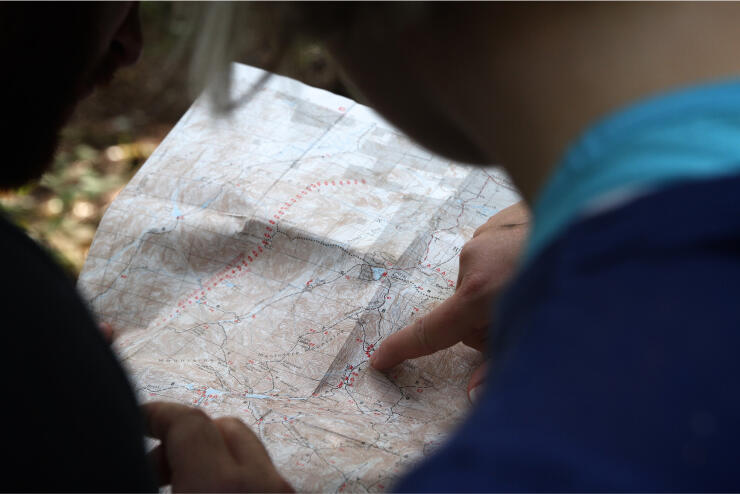
Navigation tools: Carry a map, compass, or GPS device to help you stay on track and navigate the trails. Familiarize yourself with the trail markings and signs before starting your hike.
Water and snacks: Stay hydrated by carrying an adequate amount of water. Pack lightweight and nutritious snacks to keep your energy levels up during the hike.
Sunscreen and insect repellent: Protect your skin from the sun’s harmful rays by applying sunscreen before starting your hike. Also, use insect repellent to ward off bugs and ticks.
Safety essentials: Carry a basic first aid kit, a whistle for emergencies, and a headlamp or flashlight in case you end up hiking in low-light conditions.
Trekking poles: Consider using trekking poles for added stability and to reduce strain on your joints, especially on uneven or steep terrain.
Check the weather: Always check the weather forecast before heading out and adjust your gear accordingly. Be prepared for changes in weather conditions during your hike.
Test your gear: Before embarking on a longer or more challenging hike, test your gear on shorter hikes to ensure everything fits well and functions properly.
Remember, investing in quality gear will enhance your hiking experience and keep you comfortable and safe on the trail.
Pack Essentials
When going on a hike, it’s important to pack essential items to ensure your safety and comfort. Here are some key items to include in your hiking pack:
Water: Carry an adequate supply of water to stay hydrated throughout your hike. Consider using a hydration bladder or water bottles.
Food and snacks: Pack lightweight and energy-rich snacks such as trail mix, energy bars, or dried fruits to keep yourself fueled during the hike.
Navigation tools: Bring a map, compass, or GPS device to help you navigate the trails and stay on the right path.
First aid kit: Carry a basic first aid kit that includes band-aids, adhesive tape, antiseptic wipes, pain relievers, and any necessary personal medications.
Extra clothing layers: Depending on the weather conditions, pack extra clothing layers such as a lightweight jacket, a hat, gloves, and a rain poncho.
Sun protection: Include sunscreen, sunglasses, and a hat to protect yourself from the sun’s harmful rays.
Emergency supplies: Have a whistle, a signal mirror, and a lightweight emergency blanket in case of unforeseen circumstances.
Multi-tool or knife: A versatile tool or knife can be handy for various tasks during the hike, such as cutting rope or opening packages.
Headlamp or flashlight: Carry a headlamp or flashlight, especially if you plan to hike during low-light conditions or overnight.
Personal items: Don’t forget essentials like a fully charged mobile phone, identification, cash, and a small trash bag to pack out any waste.
Remember to pack lightweight and compact items while considering the duration and difficulty level of your hike. It’s also a good idea to do some research about the specific trail and its requirements to ensure you have all the necessary essentials.
Check the Weather
Before embarking on a hike, it’s crucial to check the weather forecast for the location and time of your hike. Here’s why it’s important and how to do it:
Safety: Knowing the weather conditions can help you prepare appropriately and stay safe during your hike. Severe weather conditions such as thunderstorms, heavy rain, or extreme heat can pose risks to hikers. By checking the weather beforehand, you can make informed decisions about whether to proceed with the hike or postpone it for better conditions.
Dressing appropriately: The weather forecast can guide you in choosing the right clothing and gear for your hike. If it’s going to be hot, you can wear lightweight and breathable clothing, while cooler temperatures may require layering up or packing warmer clothing.
Planning the route: Extreme weather conditions can affect trail conditions, visibility, and accessibility. By knowing the weather forecast, you can plan your route accordingly, considering any potential hazards or challenges that might arise due to the weather.
To check the weather for your hiking destination, you can use various reliable sources:
Weather websites and apps: Visit reputable weather websites or download weather apps that provide accurate and up-to-date forecasts. Some popular options include AccuWeather, The Weather Channel, or the National Weather Service website.
Local forecasts: Check if there are specific weather forecasts available for the area or park where you’ll be hiking. Local weather stations or park websites often provide localized weather information that can be more accurate for your specific location.
Park or trail updates: Some national parks or hiking trails have their own websites or social media accounts that provide real-time updates on weather conditions and any trail closures or alerts. Check these sources for the most current information.
Remember that weather conditions can change quickly, so it’s a good practice to recheck the forecast closer to your hiking date and remain flexible in your plans. If the forecast predicts severe weather or unsafe conditions, it’s best to postpone your hike or choose a different trail that’s more suitable for the weather conditions.
Start Slow and Pace Yourself
When it comes to hiking, it’s important for beginners to start slow and pace themselves. Here are some tips to help you maintain a steady and comfortable pace throughout your hike:
Set realistic goals: Begin with shorter and less challenging trails to gradually build your endurance and confidence. As you gain experience, you can gradually increase the distance and difficulty of your hikes.
Take breaks: Don’t hesitate to take breaks during your hike. Use these breaks to rest, hydrate, and enjoy the scenery. Taking regular breaks helps prevent fatigue and allows your body to recover.
Listen to your body: Pay attention to your body’s signals and adjust your pace accordingly. If you’re feeling tired or out of breath, slow down or take a break. Pushing yourself too hard can lead to exhaustion or injuries.
Use hiking poles: Hiking poles can provide additional stability and support, especially when hiking on uneven or challenging terrain. They can help distribute your body weight and reduce the strain on your legs and joints.
Find your rhythm: Establish a comfortable pace that suits your fitness level and ability. Find a rhythm that allows you to maintain a consistent pace without feeling overly exerted. This will help you conserve energy and prevent burnout.
Stay hydrated and fueled: Carry an adequate supply of water and snacks to keep yourself hydrated and fueled throughout the hike. Dehydration and low blood sugar can negatively impact your energy levels and overall hiking performance.
Don’t compare yourself to others: Remember that hiking is not a race. Everyone has their own pace and abilities. Focus on enjoying the experience and progressing at a pace that feels comfortable for you.
Train and prepare in advance: Regular physical exercise, such as walking or hiking on local trails, can help prepare your body for more challenging hikes. Strengthening your muscles and improving your cardiovascular fitness will make it easier to tackle longer and steeper trails.
By starting slow and pacing yourself, you’ll have a more enjoyable and rewarding hiking experience. Remember to listen to your body, stay hydrated, and respect your limits. Over time, with practice and increased fitness, you’ll be able to take on more demanding hikes.
Follow Trail Etiquette
When hitting the trails as a beginner hiker, it’s essential to follow proper trail etiquette to ensure a positive experience for yourself and others. Here are some key tips to keep in mind:
Stay on designated trails: Stick to established trails and avoid veering off the path. Straying from the trail can harm vegetation and disturb wildlife habitats.
Yield to others: Be mindful of other hikers, especially when passing or being passed. Uphill hikers generally have the right of way, so step aside and let them pass comfortably. Yield to horses, if present, by stepping off the trail and speaking calmly to the riders.
Leave no trace: Practice Leave No Trace principles by packing out all your trash, including food wrappers and tissues. Minimize your impact on the environment by leaving natural objects and artifacts where you find them.
Be mindful of noise: Enjoy the sounds of nature and keep noise levels to a minimum. Be considerate of others seeking a peaceful outdoor experience.
Respect wildlife: Maintain a safe distance from wildlife and observe them from afar. Do not feed or approach animals, as it can disrupt their natural behavior and pose risks to both them and you.
Keep dogs on a leash: If you’re hiking with a dog, make sure to keep them on a leash and under control. Follow any specific rules or regulations regarding pets on the trail.
Step aside for faster hikers: If a faster hiker or group is approaching from behind, step to the side and allow them to pass. This helps maintain a smooth flow of traffic on the trail.
Be prepared for emergencies: Carry essential items like a map, compass, first aid kit, and extra food and water. Familiarize yourself with basic wilderness first aid in case of injuries.
Respect private property and closures: Observe any signs or closures indicating private property or restricted areas. Stay on public land and respect the boundaries set by landowners.
Educate yourself: Learn about the specific rules and regulations of the area you plan to hike. Research any permits required or restrictions in place to ensure compliance.
By following these trail etiquette guidelines, you’ll contribute to the preservation of natural spaces, maintain a positive hiking experience for everyone, and foster a sense of harmony between hikers and the environment.
Learn Basic Navigation Skills
Having basic navigation skills is crucial for hikers, especially beginners, to ensure a safe and enjoyable hiking experience. Here are some essential tips to help you navigate the trails:
Carry a map and compass: Always bring a detailed map of the area you’re hiking in and a reliable compass. Learn how to read a map and understand basic topographic symbols. Use the compass to orient yourself and determine your direction of travel.
Familiarize yourself with trail markings: Many hiking trails are marked with signs, blazes, or cairns to guide hikers. Take the time to learn and understand the trail markers specific to the area you’re hiking in. Follow the designated route and stay on the trail.
Pay attention to landmarks: Identify prominent landmarks along the trail, such as distinctive trees, rock formations, or bodies of water. Use these landmarks as reference points to track your progress and confirm your location on the map.
Track your distance and time: Estimate how long it will take to complete your hike based on the trail’s difficulty level and your pace. Keep track of the distance covered using a GPS device or by noting landmarks along the way. This information will help you stay on schedule and ensure you’re heading in the right direction.
Use visual cues: Observe the terrain around you to gather information about your location. Look for recognizable features like mountains, valleys, or rivers that can help you determine your position on the map.
Practice using navigation tools: Before heading out on a challenging hike, practice using your map and compass in a controlled environment. Learn how to take bearings, plot a course, and navigate using different techniques. Consider taking a navigation course or hiking with experienced hikers to gain practical skills.
Stay aware of your surroundings: Continuously observe your surroundings while hiking. Look for signs of your intended path, such as trail junctions, footprints, or worn paths. If you think you may have taken a wrong turn, retrace your steps or consult your map to correct your course.
Plan an escape route: In case of an emergency or unexpected circumstances, identify alternative routes or exit points along your hike. This knowledge will give you peace of mind and help you make informed decisions if the need arises.
Remember, navigation skills are developed through practice and experience. Start with easier trails and gradually increase the complexity of your hikes as your skills improve. By honing your navigation abilities, you’ll gain confidence, explore new areas with ease, and ensure a safer hiking experience.
Be Mindful of Wildlife
When hiking, it’s important to be mindful of the wildlife you may encounter. Here are some tips to help you coexist safely and responsibly with wildlife:
Educate yourself: Learn about the wildlife species that inhabit the area where you’ll be hiking. Understand their behaviors, habitat preferences, and any potential risks they may pose. This knowledge will help you anticipate encounters and make informed decisions.
Maintain a safe distance: Keep a respectful distance from wildlife to avoid disturbing them or provoking defensive behaviors. Use binoculars or a zoom lens on your camera to observe animals from a distance. As a general rule, stay at least 100 yards (91 meters) away from large wildlife, such as bears or moose.
Avoid feeding wildlife: Feeding wildlife can disrupt their natural foraging habits and create dependence on human food. It can also make them more aggressive towards humans. Never attempt to feed or attract wildlife intentionally.
Store food properly: When camping or taking breaks along the trail, secure your food and scented items in bear-resistant containers or hang them from a tree using proper techniques. This helps prevent wildlife from being attracted to your campsite and reduces the risk of close encounters.
Make noise: While hiking, make noise by talking, clapping, or using bear bells. This alerts wildlife to your presence and gives them a chance to move away before you approach. Being aware of your surroundings is key to avoiding surprising or startling animals.
Respect nesting areas and young animals: During certain times of the year, wildlife may have nests, dens, or young offspring. Keep a respectful distance and avoid disturbing these areas. Interfering with nesting or rearing activities can stress the animals and potentially harm them.
Leave no trace: Practice Leave No Trace principles by packing out all your trash, including food scraps and wrappers. Dispose of waste properly to avoid attracting wildlife to the area.
Follow park regulations: Be familiar with the specific rules and regulations of the park or wilderness area where you’re hiking. Some areas may have additional guidelines for wildlife encounters. Adhere to these rules to protect both yourself and the wildlife.
Remember, observing wildlife from a distance and respecting their natural behavior is the best way to ensure your safety and the well-being of the animals. Enjoy the opportunity to see wildlife in their natural habitat, but always prioritize their welfare and the conservation of their ecosystems.
Hike with a Buddy or Group
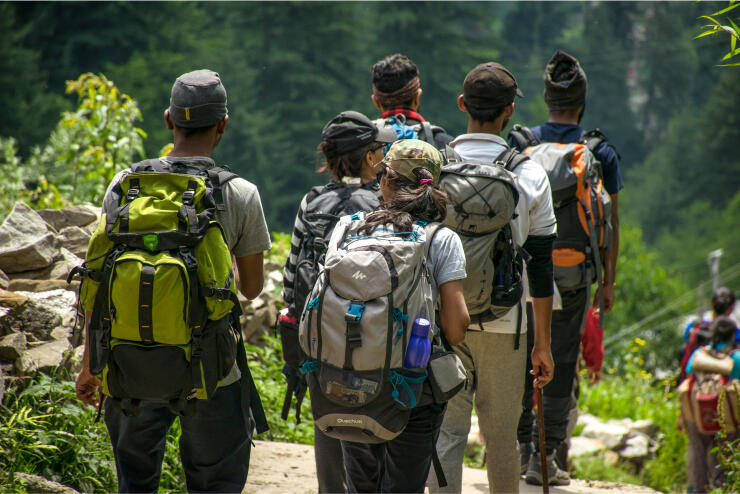
Hiking with a buddy or a group can enhance your hiking experience and provide added safety. Here are some reasons why it’s beneficial to hike with others:
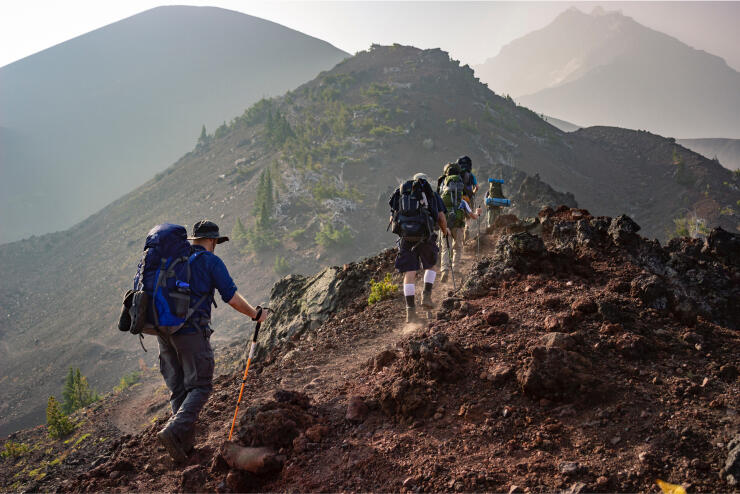
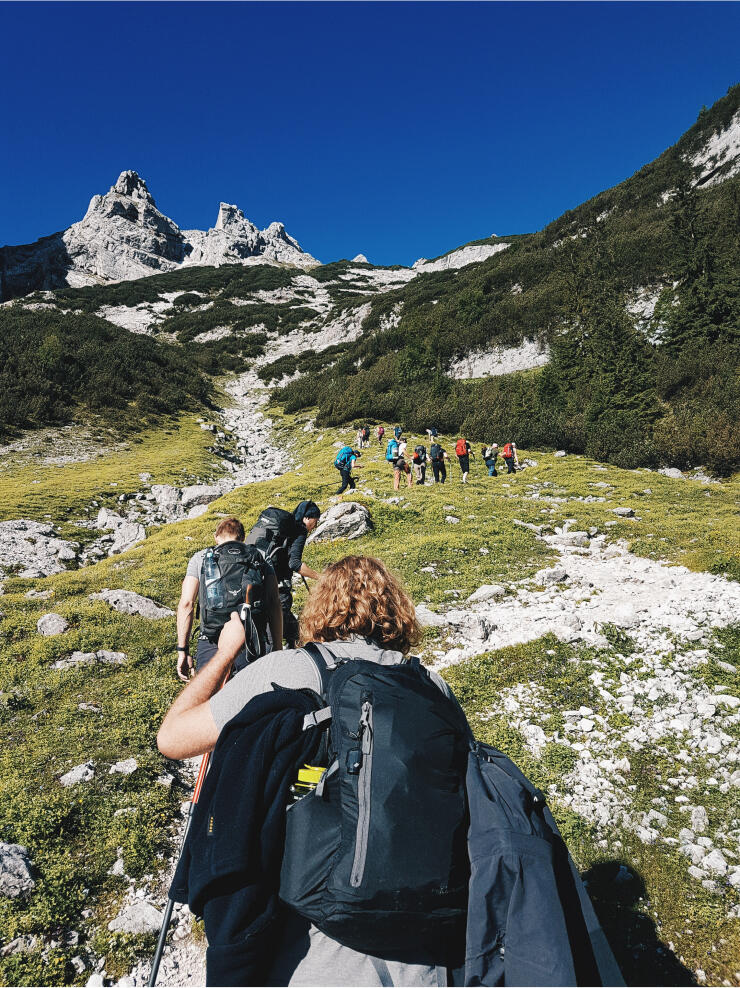
Safety in numbers: Having a hiking buddy or a group increases safety by providing support and assistance in case of emergencies or unexpected situations. You can look out for each other, share responsibilities, and respond to any injuries or difficulties that may arise.
Shared knowledge and experience: Hiking with others allows you to benefit from their knowledge and experience. They may be familiar with the trail, offer navigation assistance, or provide valuable tips and advice. You can also learn from their outdoor skills and techniques, making your hiking journey more enjoyable and educational.
Motivation and encouragement: Hiking can be physically and mentally challenging, especially for beginners. Having a hiking partner or a group can provide motivation and encouragement during difficult sections of the trail. They can help you push through your comfort zones and reach your hiking goals.
Enhanced navigation and route finding: When hiking with others, you can collaborate on navigation and route finding. Different perspectives and experiences can help identify the correct path, especially in areas with unclear trail markers or confusing intersections. This reduces the chances of getting lost and ensures a smoother hiking experience.
Increased fun and social interaction: Hiking with others creates an opportunity for social interaction, sharing stories, and creating lasting memories. It’s a chance to bond with friends or make new connections with fellow hikers who share a similar interest in the outdoors. The camaraderie and shared experiences can make the hiking journey more enjoyable and fulfilling.
Emergency preparedness: In case of an emergency or injury, having a hiking buddy or group means there are more people available to provide assistance, seek help, or administer first aid if needed. This can be crucial in remote or challenging terrain where immediate help may be required.
Remember to choose hiking companions who have similar fitness levels and hiking experience. Discuss and agree upon the pace, breaks, and overall hiking plan beforehand. It’s also important to communicate and stay together throughout the hike, especially in unfamiliar or potentially hazardous areas.
While hiking with others can be rewarding, always prioritize personal safety and be mindful of the group’s dynamics. Enjoy the shared experience of exploring nature and the outdoors with your hiking buddies while staying safe and responsible.
Enjoy the Journey and Stay Curious
One of the most important aspects of hiking, especially for beginners, is to enjoy the journey and stay curious. Here are some tips to make your hiking experience more enjoyable:
Take your time: Don’t rush through the trail. Take breaks, admire the scenery, and immerse yourself in nature. Hiking is not just about reaching the destination; it’s about appreciating the beauty of the outdoors.
Stay curious: Be curious about your surroundings. Observe the plants, wildlife, and geological features along the trail. Learn about the local flora and fauna, and appreciate the unique ecosystems you encounter. This curiosity will make your hiking experience more engaging and educational.
Embrace the challenges: Hiking can be physically demanding, especially for beginners. Embrace the challenges and view them as opportunities for growth. Push yourself outside your comfort zone and celebrate your accomplishments along the way. With each step, you’ll build endurance and confidence.
Practice mindfulness: Use hiking as a chance to disconnect from the distractions of daily life and be present in the moment. Engage your senses and fully experience the sights, sounds, and smells of nature. Practice mindfulness by focusing on your breath and the rhythm of your steps. This can bring a sense of calm and relaxation to your hiking experience.
Capture memories: Bring a camera or use your smartphone to capture the beauty of the trail. Take photos of scenic vistas, unique rock formations, and memorable moments with your hiking companions. These photographs will serve as lasting memories of your hiking adventures.
Stay flexible: Be open to changes in your hiking plans. Weather conditions, trail closures, or unexpected obstacles may require adjustments to your itinerary. Stay flexible and adapt to the circumstances. Sometimes the best hiking experiences come from unexpected detours or alternative routes.
Leave no trace: Practice Leave No Trace principles by minimizing your impact on the environment. Pack out all trash, avoid damaging vegetation, and respect wildlife and their habitats. By leaving no trace, you help preserve the natural beauty of the trail for future hikers.
Remember, hiking is not just about reaching the summit or completing a specific distance. It’s about enjoying the journey, connecting with nature, and discovering the joy of outdoor exploration. So, embrace the adventure, stay curious, and make the most of your hiking experience.
Defining Scree vs. Talus: The Key Differences, while often used interchangeably in casual conversation, have distinct meanings for outdoor enthusiasts.






 Hiking on Scree and Talus
 How to Plan Your First Solo Hike!
 Hiking Jobs to Make Money on the Trail