Embarking on your first solo hike is a thrilling endeavor that promises a unique connection with nature and a sense of self-discovery. As you venture into the great outdoors alone, you’ll find a special kind of freedom and empowerment. However, this exhilarating experience comes with responsibilities and careful planning to ensure your safety and enjoyment. In this guide, we’ll walk you through the essential steps to plan your first solo hike, equipping you with the knowledge and confidence needed to embrace the wilderness with open arms. From selecting the right trail to packing the necessary gear and prioritizing safety, this article will be your comprehensive companion on your journey to solo hiking success. So, let’s lace up our boots, pick up our backpacks, and delve into the art of planning an unforgettable solo hiking adventure!
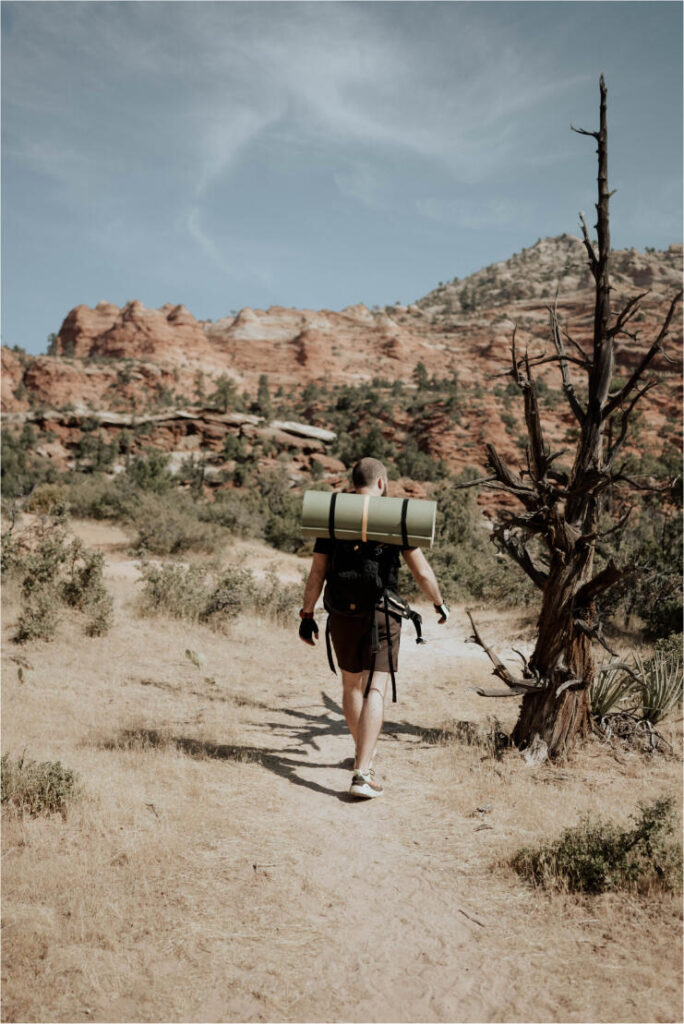
The world is your oyster when it comes to selecting the perfect trail for your first solo hike. Your choice of destination will set the tone for your adventure, influencing everything from the scenery you’ll encounter to the challenges you’ll face. Here’s how to make a wise choice:
Research and Assess: Start by researching hiking trails in your desired region. Look for trails that match your skill level and physical fitness. Beginner-friendly trails with well-marked paths and moderate elevation gain are ideal for your first solo hike.
Consider Distance and Duration: Think about how much time you have available and your comfort level with distance. A shorter trail might be more suitable for a one-day hike, while longer trails might require overnight camping.
Evaluate Terrain and Difficulty: Trails vary in terrain, from easy, well-maintained paths to rugged, steep inclines. Choose a trail that aligns with your comfort level. Remember, your safety and enjoyment come first.
Scenic Appeal: Are you drawn to lush forests, serene lakes, majestic mountains, or expansive vistas? Consider what type of scenery resonates with you and look for trails that offer those visuals.
Local Conditions: Be aware of the local climate and weather patterns during the time you plan to hike. Check if the trail is accessible and safe during that season.
Online Resources and Apps: Utilize hiking websites, forums, and apps to gather information about different trails. Websites like AllTrails, Hiking Project, and local hiking club websites often provide detailed trail descriptions, reviews, and user-generated content.
Seek Recommendations: If you’re new to the area, ask experienced hikers, friends, or online communities for recommendations. Personal insights can be invaluable in making an informed decision. Remember, your first solo hike is about enjoying the experience and building confidence. Choosing a trail that aligns with your abilities and interests will contribute to a memorable and successful adventure.

Now that you’ve decided on a potential hiking destination, it’s time to dive into the specifics of the trail you’ll be exploring. Researching the trail thoroughly will help you prepare adequately and ensure a smooth experience. Here’s how to gather essential information:
Trail Length and Difficulty: Determine the trail’s length and difficulty level. This will give you an idea of the physical demands and time commitment required for your hike.
Elevation Profile: Study the trail’s elevation profile. Understanding the elevation gain and loss along the route will help you mentally prepare for uphill climbs and downhill descents.
Landmarks and Points of Interest: Identify any landmarks, viewpoints, waterfalls, or other points of interest along the trail. This will give you an exciting goal to reach and enjoy during your hike.
Trail Conditions: Look for recent trail condition updates. Heavy rainfall or natural events can impact trail conditions, so be prepared for any changes.
Climate and Weather: Research the typical weather conditions for the time of year you plan to hike. Pack clothing and gear appropriate for the expected weather, but also be prepared for unexpected changes.
Trail Access and Regulations: Check if the trail requires any permits or fees for entry. Research if there are any specific regulations, such as camping restrictions or fire bans, that you need to adhere to.
Trail Maps and Navigation: Obtain a detailed trail map either digitally or on paper. Familiarize yourself with key landmarks, intersections, and potential areas for rest or camping.
Trail Reviews and Trip Reports: Look for online reviews and trip reports from hikers who have previously explored the trail. These accounts can provide valuable insights and tips about the trail’s condition and any challenges they faced.
Local Wildlife and Plants: Research the local flora and fauna to be aware of potential encounters and safety precautions. This is particularly important if you’re hiking in an area with wildlife.
Emergency Contacts: Make note of emergency contact numbers for local park rangers, rescue services, and medical facilities in case of any unexpected situations.
Community Engagement: Join online forums or social media groups related to hiking in the area. Engaging with experienced hikers can provide additional insights and answers to specific questions you might have.
By researching the trail thoroughly, you’ll not only be well-prepared but also enhance your overall hiking experience. Knowing what to expect and how to navigate the trail will allow you to focus on the beauty of your surroundings and the sense of accomplishment that comes with completing your first solo hike.

Safety should be your top priority when planning your first solo hike. As you venture into the wilderness alone, taking precautions to ensure your well-being is crucial. Here’s a comprehensive list of safety measures to keep in mind:
Tell Someone Your Plans: Before you hit the trail, inform a trusted friend or family member about your hiking plans. Share your intended route, expected start and end times, and any alternative plans in case of changes.
Check-In and Check-Out: Make a habit of checking in with your emergency contact before you start your hike and notifying them when you’ve completed it. This establishes a safety net in case you encounter any issues.
Emergency Communication: Carry a fully charged cell phone with you, but be aware that reception may be limited in remote areas. Consider investing in a satellite communication device or personal locator beacon (PLB) for reliable emergency signaling.
First Aid Kit: Pack a well-stocked first aid kit that includes bandages, antiseptic wipes, pain relievers, blister treatment, and any personal medications you may need.
Navigation Tools: Bring a detailed map of the trail, a compass, and a GPS device. Familiarize yourself with their use before you start hiking.
Emergency Shelter: Carry a lightweight emergency shelter, such as a compact tent or a space blanket, to provide protection in case you’re unexpectedly caught out overnight.
Knowledge of Local Wildlife: Research the local wildlife in the area you’ll be hiking. Understand how to react in case of encounters with animals, such as bears or snakes.
Stay Hydrated and Nourished: Carry sufficient water and high-energy snacks. Dehydration and lack of proper nutrition can affect your physical performance and decision-making abilities.
Layered Clothing: Dress in layers to adapt to changing weather conditions. Avoid cotton clothing, as it loses insulation when wet.
Footwear and Traction: Wear appropriate hiking boots with good traction to prevent slips and falls. Comfortable footwear reduces the risk of blisters and foot injuries.
Navigation and Route Awareness: Stay on marked trails and be cautious when exploring side paths. Losing your way can lead to dangerous situations.
Wilderness Ethics: Adhere to Leave No Trace principles by minimizing your impact on the environment. Proper waste disposal and respect for nature help preserve the wilderness for others.
Self-Awareness: Be honest about your skill level and physical fitness. Don’t push yourself beyond your limits, and know when to turn back if conditions become too challenging.
Weather Monitoring: Keep an eye on weather forecasts before and during your hike. Be prepared to adjust your plans if severe weather is predicted.
Trust Your Instincts: If something doesn’t feel right, don’t hesitate to turn back or make necessary adjustments to your plans.
By implementing these safety precautions, you’ll be better equipped to handle unexpected situations and fully enjoy the experience of your solo hike with peace of mind. Remember, your safety is paramount, and taking these measures demonstrates responsible hiking practices.
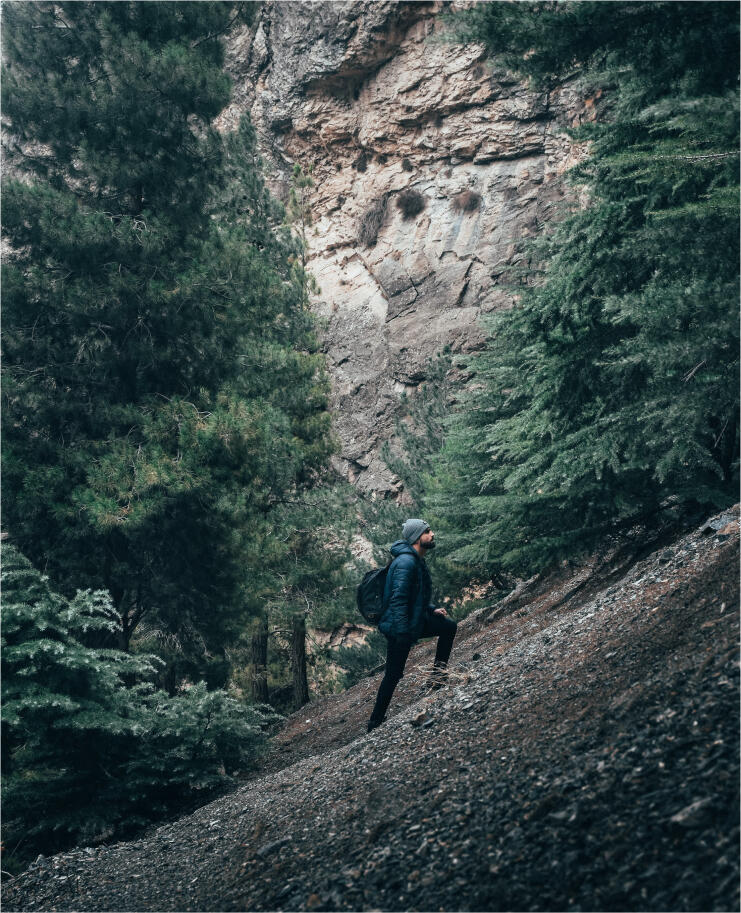
Preparing your body for the demands of a solo hike is essential to ensure an enjoyable and safe experience. Strengthening your physical fitness will enable you to tackle the trail with confidence. Here’s how to get physically prepared:
Cardiovascular Fitness: Engage in cardiovascular exercises like jogging, cycling, or swimming to improve your endurance. Aim for activities that elevate your heart rate and build stamina.
Strength Training: Incorporate strength training exercises that target your legs, core, and upper body. Squats, lunges, planks, and push-ups can help you build the necessary muscle strength for hiking.
Flexibility and Stretching: Include regular stretching routines to improve flexibility and prevent injuries. Focus on muscles used during hiking, such as your hamstrings, quadriceps, and calves.
Hiking Simulation: If possible, embark on shorter hikes or walks in your local area to simulate the conditions you’ll face during your solo hike. Gradually increase the distance and elevation gain to build your hiking stamina.
Interval Training: Mix high-intensity interval training (HIIT) into your fitness routine. This mimics the varied terrain and intensity levels you’ll encounter on the trail.
Proper Footwear: Wear your hiking boots during training to break them in and get accustomed to their fit. This reduces the risk of blisters and discomfort during your hike.
Hydration and Nutrition: Pay attention to your hydration and nutrition before, during, and after training sessions. Proper fueling supports your workouts and overall physical well-being.
Rest and Recovery: Allow your body sufficient time to recover between training sessions. Adequate rest is crucial for muscle repair and preventing burnout.
Incremental Progression: Gradually increase the intensity and duration of your workouts over time. Avoid sudden or excessive changes that could lead to injuries.
Listen to Your Body: Be attuned to your body’s signals. If you’re feeling fatigued or experiencing pain, it’s important to rest and seek medical attention if necessary.
Consistency: Consistency is key to physical improvement. Stick to your training plan and make exercise a regular part of your routine.
By dedicating time to physical preparation, you’ll enhance your hiking performance and reduce the risk of injuries. A well-conditioned body will allow you to fully appreciate the natural beauty around you during your solo hike while maintaining your comfort and safety on the trail.
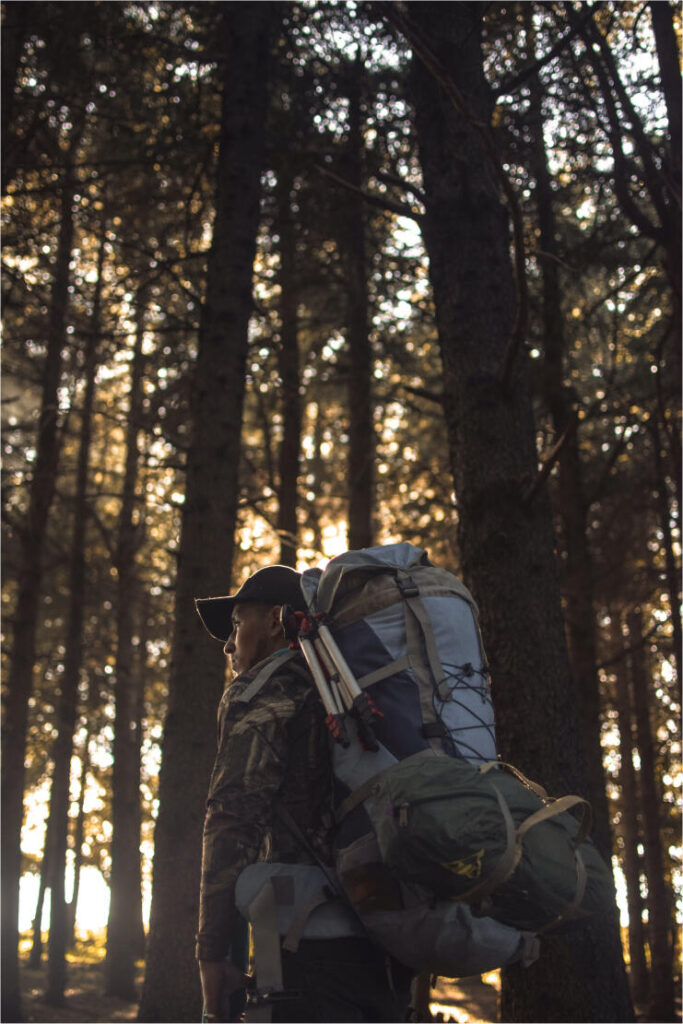
Selecting the right gear and equipment is essential for a successful and comfortable solo hiking experience. Having the right tools at your disposal will ensure that you’re well-prepared to handle the challenges of the trail. Here’s a comprehensive list of gear and equipment to consider:
Backpack: Choose a well-fitting backpack with adjustable straps and multiple compartments. It should be large enough to carry all your essentials but not so big that it becomes unwieldy.
Clothing:
Footwear:
Navigation:
Illumination:
First Aid Kit:
Hydration System:
Nutrition:
Shelter and Sleeping:
Cooking Equipment:
Personal Items:
Emergency Items:
Optional Items:
Before your hike, ensure that all your gear is in good condition, properly fitted, and tested. Packing the right gear will enhance your comfort and safety throughout your solo hike, allowing you to focus on the incredible experience ahead.
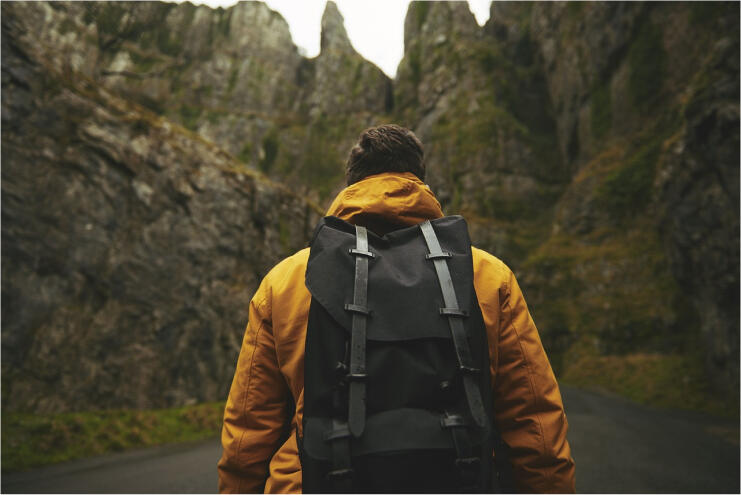
Navigating the trail and planning your route are crucial skills for a successful solo hiking adventure. Proper navigation ensures you stay on track and reach your destination safely. Here’s how to effectively navigate and plan your route:
Study the Map:
Trailhead Information:
Trail Markers:
Identify Key Landmarks:
Elevation Changes:
Break Down the Route:
GPS and Navigation Apps:
Land Navigation Basics:
Trail Junctions:
Stay Alert:
Safety Margins:
Alternative Routes:
Hiking Apps and GPS Devices:
Weather Considerations:
Solo vs Group Navigation:
Effective navigation and route planning are essential for a safe and enjoyable solo hike. By understanding the trail, utilizing navigation tools, and having a clear plan, you’ll be able to confidently explore the wilderness and make the most of your solo hiking experience.
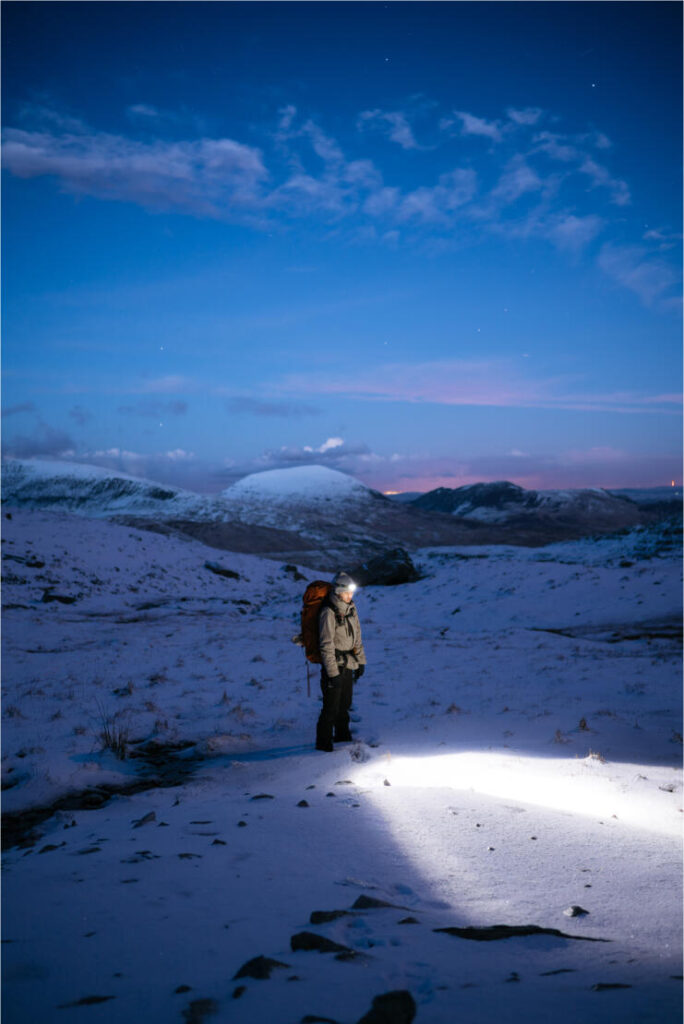
Efficient packing and organization are key to ensuring you have everything you need for your solo hike without carrying unnecessary weight. Properly packed gear allows you to access items quickly and keeps your backpack balanced. Here’s how to pack and organize effectively:
Prioritize Essentials:
Weight Distribution:
Use Compartments:
Pack in Layers:
Protect Against Moisture:
Pack by Category:
Accessibility:
Sleeping Gear:
Clothing:
Cooking Gear:
Trash Bag:
Multi-use Items:
Test Pack Before You Leave:
Regularly Reassess:
Efficient packing not only keeps you organized but also prevents unnecessary strain and fatigue. By optimizing your pack’s contents and arrangement, you’ll be well-prepared for your solo hike and able to focus on the adventure ahead.
Respecting and preserving the natural environment is crucial for the sustainability of our wilderness areas. Practicing Leave No Trace principles ensures that you minimize your impact on the trail and leave the environment as you found it. Here’s how to adhere to Leave No Trace ethics during your solo hike:
Plan Ahead and Prepare:
Travel and Camp on Durable Surfaces:
Dispose of Waste Properly:
Leave What You Find:
Minimize Campfire Impact:
Respect Wildlife:
Be Considerate of Other Visitors:
Stay on the Trail:
Respect Cultural and Historical Sites:
Dispose of Waste Properly:
Educate Yourself and Others:
By practicing Leave No Trace principles, you contribute to the conservation of natural areas and help ensure that future generations can also enjoy the beauty and serenity of the wilderness. Your commitment to responsible hiking contributes to the overall health of the environment and the enjoyment of all who explore it.
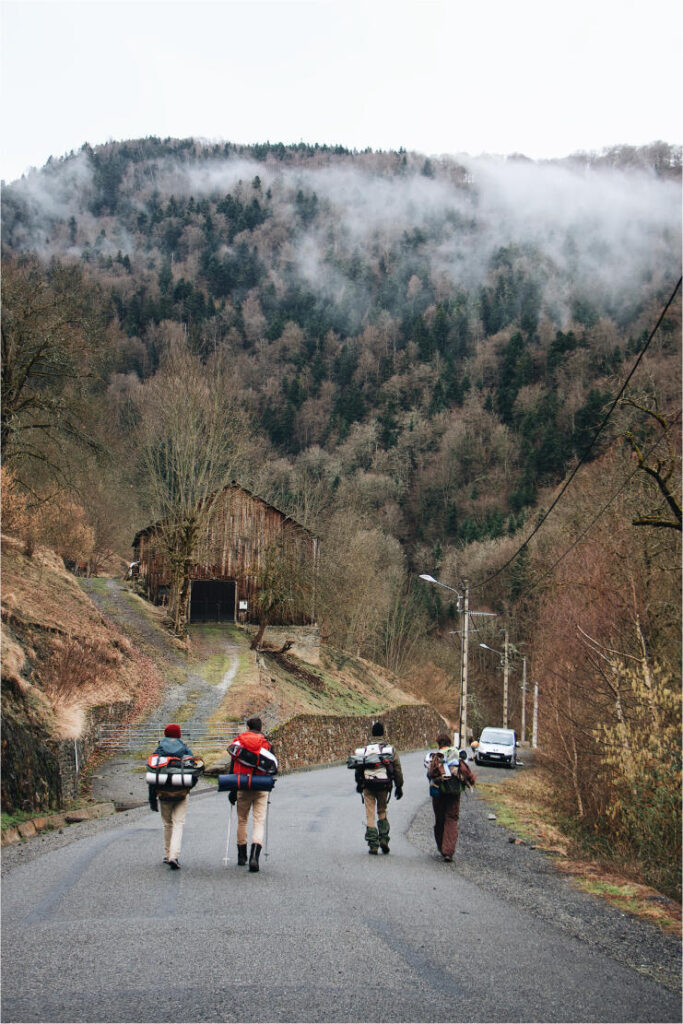
When embarking on a solo hike, it’s important to inform someone you trust about your plans. Sharing your itinerary and expected return time ensures that someone knows your whereabouts and can take action if you don’t return as scheduled. Here’s how to effectively inform others before your solo hike:
Emergency Contact:
Share Your Itinerary:
Be Specific:
Estimated Timelines:
Communication Plan:
Emergency Protocol:
Update Changes:
Check-In and Check-Out:
Use Technology:
Publicize Information:
Know Your Contact’s Role:
Informing others about your plans adds an extra layer of safety to your solo hike. By providing clear information and maintaining communication, you ensure that someone is aware of your journey and can take action in case of unexpected situations.
As you embark on your solo hike, being mindful of your actions and surroundings is essential to ensuring a safe and enjoyable experience. Here are some tips for navigating the trail while maximizing your enjoyment:
Stay Hydrated:
Follow Trail Markers:
Stay Aware of Your Surroundings:
Pacing Yourself:
Take Breaks:
Pack Out What You Pack In:
Wildlife Encounters:
Navigation Checkpoints:
Adjust Your Plans:
Trail Courtesy:
Leave No Trace Continuation:
Stay Positive:
Trust Your Instincts:
Enjoy the Moment:
On the trail, your preparedness and awareness will contribute to a rewarding solo hiking experience. By taking these tips to heart and maintaining a balance between enjoying your surroundings and being cautious, you’ll make the most of your adventure while prioritizing your safety.
Embarking on a solo hike is not only about conquering trails but also about immersing yourself in the natural world and connecting with your inner self. Embrace the journey, find solace in solitude, and relish the moments of discovery. Here’s how to fully enjoy the experience of your solo hike:
Be Present:
Embrace Solitude:
Mindfulness:
Pause and Reflect:
Photography:
Savor Small Pleasures:
Disconnect and Unplug:
Adapt to the Rhythm:
Meet Fellow Hikers:
Celebrate Milestones:
Mindful Eating:
Journaling:
Leave a Positive Impact:
Immerse in Nature:
Gratitude:
By fully immersing yourself in the experience and finding joy in the small moments, you’ll create lasting memories and connections with the environment. Your solo hike is a chance to connect with nature and yourself on a deeper level, fostering a sense of fulfillment and appreciation for the world around you.
Embarking on your first solo hike is a journey of self-discovery, adventure, and connection with the natural world. Through careful planning, preparation, and a mindful approach, you’ve equipped yourself with the tools and knowledge to make your solo hiking experience both safe and rewarding. From selecting the right trail to packing essential gear, practicing Leave No Trace ethics, and immersing yourself in the beauty of nature, your journey is a testament to your dedication and courage.
Remember, solo hiking is not just about conquering trails; it’s about embracing solitude, finding solace in nature, and discovering your own strength and resilience. As you navigate the trail, you’ll encounter challenges, breathtaking vistas, and moments of profound introspection. Each step you take is a step towards personal growth and a deeper connection with the environment.
Your solo hike is an opportunity to disconnect from the demands of everyday life, to explore the world at your own pace, and to create memories that will stay with you for a lifetime. As you journey through the wilderness, take a moment to look back on the preparation, the anticipation, and the incredible moments of wonder you’ve experienced. Whether it’s the feeling of accomplishment at reaching a summit, the serenity of a quiet forest, or the camaraderie shared with fellow hikers, your solo hike is a unique chapter in your adventure story.
As you complete this journey, carry the lessons learned and the memories made with you. Cherish the beauty of nature, respect its fragility, and continue to explore with a sense of wonder. Whether you venture out again for another solo hike or share your experiences with others, remember that the trail you’ve followed has not only led you through the wilderness but has also led you deeper within yourself.
 Hiking on Scree and Talus
 Hiking Jobs to Make Money on the Trail
 Top 10 Hiking Tips for Beginners