If you’re passionate about hiking and spending time in the great outdoors, you may be interested in finding hiking jobs that allow you to make money while enjoying the trail. From leading guided hikes to working in outdoor education, there are various opportunities available for hikers to earn income while pursuing their passion. In this article, we will explore some hiking jobs that can help you combine your love for hiking with earning a living.
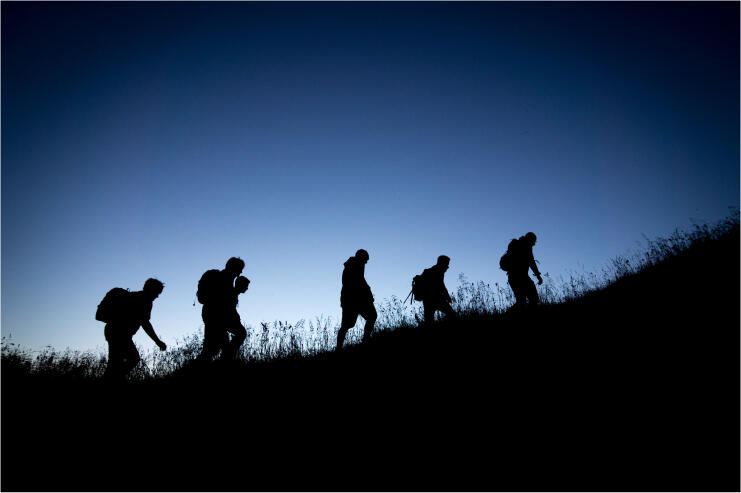
As a trail guide or hiking tour leader, you have the opportunity to share your knowledge and passion for hiking with others. Your role involves leading guided hikes and providing valuable information about the trail, local flora and fauna, and points of interest. Here’s what you need to know about this hiking job:
Qualifications and Skills:
In-depth knowledge of the hiking area, including trail conditions, difficulty levels, and safety considerations.
Strong communication and interpersonal skills to engage with hikers and provide informative and enjoyable experiences.First aid and CPR certification for handling any medical emergencies on the trail.
Leadership abilities to manage a group, maintain discipline, and ensure everyone’s safety.
Employment Opportunities:
Tour companies: Many companies specialize in organizing guided hiking tours and are often looking for knowledgeable and experienced guides.
National parks and protected areas: These establishments may offer guided hikes to visitors and employ trail guides or tour leaders.
Outdoor adventure organizations: Organizations focused on outdoor activities and adventure tourism often hire guides for hiking trips.
Responsibilities:
Leading hikes: Plan and lead hiking trips, taking into account the group’s fitness levels, interests, and time constraints.
Interpretation and education: Provide information about the trail’s history, geology, flora, and fauna, enriching the hikers’ experience.
Safety and emergency response: Ensure the safety of the group by following established safety protocols and responding to any emergencies that may arise.Navigation and route planning: Familiarize yourself with the trail map, plan routes, and navigate the trail confidently.
Group management: Maintain group cohesion, manage any conflicts that may arise, and encourage a positive and enjoyable atmosphere.
Benefits:
Immersive outdoor experience: Spend your days hiking in beautiful natural environments and sharing your passion with others.
Personal fulfillment: Witness the joy and satisfaction on participants’ faces as they accomplish hiking challenges or connect with nature.
Knowledge expansion: Continually learn about the local ecosystem, geology, and cultural history, enhancing your own understanding of the area.
Building connections: Forge meaningful relationships with fellow hikers, exchange stories and experiences, and create lasting memories.
Challenges:
Physical demands: Leading hikes can be physically demanding, requiring endurance and the ability to hike long distances.
Variable weather conditions: Be prepared to adapt to changing weather conditions and ensure the safety and comfort of the group.
Group dynamics: Managing a diverse group of individuals with different abilities and expectations can present challenges in maintaining group harmony.
If you have a passion for hiking and enjoy sharing that passion with others, working as a trail guide or hiking tour leader can be a rewarding career choice. Embrace the opportunity to connect people with nature, provide memorable experiences, and foster a love for hiking in others.
Outdoor Education Instructor
Being an outdoor education instructor is an exciting job that allows you to educate and inspire others in outdoor settings. Here’s an overview of what this role entails:
Role and Responsibilities:
Design and deliver educational programs focused on outdoor activities, environmental conservation, wilderness survival, and nature exploration.
Teach practical skills such as hiking, camping, navigation, fire building, wildlife identification, and Leave No Trace principles.
Lead and supervise groups of students or participants in outdoor activities, ensuring their safety and well-being.
Provide instruction on outdoor ethics, sustainability, and the importance of environmental stewardship.
Facilitate team-building activities and help participants develop communication, problem-solving, and leadership skills.
Foster a sense of curiosity, wonder, and appreciation for the natural world through engaging and interactive teaching methods.
Qualifications and Skills:
Extensive knowledge and experience in outdoor activities, such as hiking, camping, rock climbing, canoeing, or kayaking.
Strong communication and presentation skills to effectively deliver educational content to diverse audiences.
Wilderness first aid or wilderness first responder certification to handle potential emergencies in remote settings.
Proficiency in outdoor skills and safety protocols, including risk assessment and management.
Experience working with different age groups, from children to adults, and adapting teaching methods accordingly.
Passion for environmental conservation and sustainability, and the ability to convey that passion to others.
Employment Opportunities:
Outdoor education centers: These facilities specialize in providing outdoor learning experiences and often hire instructors.
Environmental education organizations: Non-profit organizations focused on environmental education may employ instructors for their programs.
Schools and educational institutions: Some schools incorporate outdoor education into their curriculum and hire instructors for field trips and outdoor learning activities.
Adventure travel companies: Companies that offer adventure travel experiences often seek instructors to lead educational components of their trips.
Benefits:
Sharing knowledge and passion: Inspire others to appreciate and understand the natural world through experiential learning.
Personal growth and development: Expand your own outdoor skills, environmental knowledge, and teaching abilities.
Working in stunning environments: Enjoy the beauty of nature while working in various outdoor settings, such as forests, mountains, or coastal areas.
Impacting lives: Witness the personal growth, confidence, and connection to nature that participants develop under your guidance.
Building a community: Connect with like-minded individuals, collaborate with fellow instructors, and form lasting relationships with participants.
Challenges:
Outdoor conditions: Be prepared to work in various weather conditions and adapt activities accordingly.
Safety considerations: Prioritize participant safety and manage risks associated with outdoor activities.
Group management: Handle diverse group dynamics, ensure everyone is engaged, and address individual needs and challenges.
Flexibility and adaptability: Be open to unexpected changes in plans and adjust activities based on group dynamics and environmental factors.
As an outdoor education instructor, you have the opportunity to make a positive impact by fostering a deeper connection to the natural world and promoting environmental stewardship. Embrace the chance to educate, empower, and insp
Park Ranger
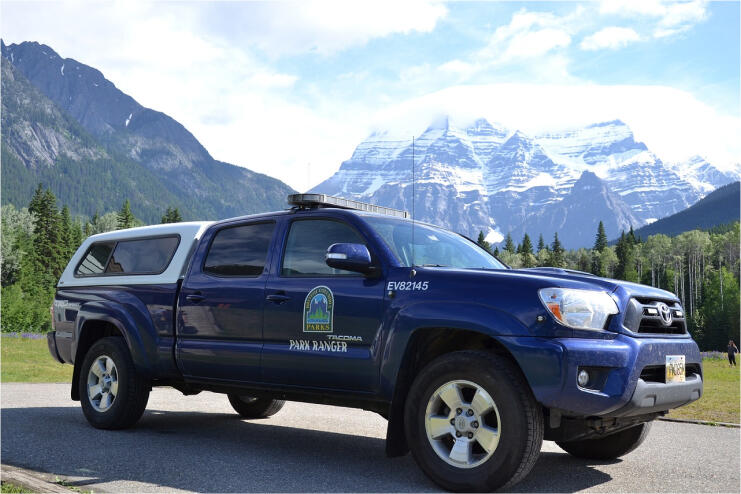
Being a park ranger is an exciting and rewarding job that allows you to work in beautiful natural settings and play a crucial role in preserving and protecting our national parks and other protected areas. Here’s an overview of what this role entails:
Role and Responsibilities:
Monitor and protect the natural resources, wildlife, and cultural heritage of the park.
Enforce park rules and regulations to ensure visitor safety and the preservation of the park’s natural and cultural resources.
Provide information and assistance to park visitors, including answering questions, giving directions, and recommending activities and trails.
Conduct educational programs and interpretive activities to enhance visitors’ understanding and appreciation of the park’s natural and cultural features.
Perform search and rescue operations, first aid, and emergency response when necessary.
Conduct regular patrols to monitor park conditions, identify potential hazards, and address maintenance needs.
Collaborate with other park staff, law enforcement agencies, and local communities to coordinate park operations and address visitor concerns.
Qualifications and Skills:
Knowledge of natural sciences, wildlife management, and environmental conservation.
Strong communication and interpersonal skills to interact with visitors and provide information effectively.
Ability to handle stressful situations and make decisions quickly and calmly during emergencies or confrontations.
Knowledge of park regulations, policies, and safety protocols.
Outdoor skills and familiarity with park trails, landmarks, and features.
Physical fitness and the ability to navigate rugged terrain and withstand outdoor conditions.
Wilderness first aid or first responder certification is often required for remote park locations.
Educational background in environmental studies, park management, or a related field is beneficial.
Employment Opportunities:
National parks and state parks: Park rangers are typically employed by government agencies responsible for managing national and state parks.
Forests and wilderness areas: Some park rangers work in forests, wilderness areas, and other protected natural landscapes.
Historic sites and cultural landmarks: Park rangers may also be responsible for preserving and interpreting historic sites and cultural landmarks.
Wildlife refuges and nature reserves: Opportunities exist in managing and protecting wildlife refuges and nature reserves.
Interpretive centers and visitor centers: Park rangers may work in visitor centers, providing information and conducting educational programs.
Benefits:
Connection to nature: Work in some of the most beautiful and diverse natural environments, fostering a deep appreciation for the outdoors.
Preservation and protection: Play a vital role in conserving and safeguarding the park’s natural resources and cultural heritage.
Education and interpretation: Share your knowledge and passion for the park with visitors, offering educational programs and interpretive activities.
Varied work experiences: Engage in a wide range of activities, including patrolling, interpretation, emergency response, and resource management.
Collaboration and teamwork: Work closely with a diverse team of park staff, law enforcement agencies, and local communities.
Professional development: Opportunities for training, certifications, and career advancement within the park service.
Challenges:
Visitor management: Balancing the needs of a large number of visitors while preserving the park’s natural integrity and minimizing environmental impacts.
Emergency response: Being prepared for and responding to emergencies, search and rescue operations, and medical situations.
Conservation and preservation: Addressing threats to the park’s natural resources, such as illegal activities or environmental degradation.
Public relations: Dealing with visitor complaints, conflicts, and educating the public on the importance of responsible park use.
As a park ranger, you have the opportunity to contribute to the conservation and preservation of our natural and cultural heritage while providing memorable experiences for park visitors. Embrace the role with a deep sense of stewardship and a commitment to protecting these precious resources for future generations.
Trail Maintenance Crew
Being part of a trail maintenance crew is an essential role in ensuring the safety, accessibility, and preservation of hiking trails. Here’s an overview of what this job entails:
Trail Maintenance Responsibilities:
Clearing debris, fallen trees, and overgrown vegetation from the trail to maintain a safe and clear path for hikers.
Repairing and maintaining trail infrastructure, such as bridges, boardwalks, and steps.
Assessing and addressing erosion issues to prevent trail damage and ensure sustainable trail conditions.
Installing and maintaining trail markers, signs, and informational boards for hikers’ guidance.
Collaborating with park or trail management organizations to plan and execute trail improvement projects.
Conducting regular inspections and reporting any safety hazards or trail damage that require attention.
Working with hand tools, power tools, and equipment to perform trail maintenance tasks effectively.
Qualifications and Skills:
Physical fitness and endurance to work outdoors in various weather conditions and navigate challenging terrain.
Basic knowledge of trail construction and maintenance techniques, including erosion control and trail grading.
Proficiency in using hand tools and power tools safely and efficiently.
Understanding of environmental conservation practices and the importance of sustainable trail management.
Ability to work well in a team and follow instructions from crew leaders or supervisors.
Attention to detail and the ability to identify and address trail maintenance needs proactively.
Good communication skills to collaborate with team members and report any issues or observations.
Employment Opportunities:
National parks and state parks: Many trail maintenance crews are employed by government agencies responsible for managing public parks and recreational areas.
Non-profit organizations: Some non-profit organizations specialize in trail maintenance and work on various trail systems.
Local trail associations: Local trail associations or clubs often recruit volunteers or hire crew members for trail maintenance projects.
Outdoor recreation companies: Some outdoor recreation companies may have their trail maintenance teams for private or commercial trails.
Benefits:
Hands-on outdoor work: Enjoy working in nature and contribute to the preservation and improvement of hiking trails.
Physical activity: Stay active and fit while performing trail maintenance tasks.
Sense of accomplishment: Witness the positive impact of your work as you see well-maintained trails being enjoyed by hikers.
Learning opportunities: Develop skills in trail construction, maintenance techniques, and environmental conservation practices.
Teamwork and camaraderie: Work closely with a crew, building strong relationships and fostering a sense of community.
Connection to the outdoors: Spend your working hours surrounded by nature and enjoy the beauty of the trails.
Challenges:
Physical demands: Trail maintenance work can be physically demanding, involving lifting heavy objects, hiking long distances, and working in challenging terrain.
Weather conditions: Be prepared to work in various weather conditions, including heat, cold, rain, and snow.
Safety hazards: Maintain awareness of potential hazards, such as wildlife encounters, steep slopes, and working with tools and equipment.
Time commitment: Trail maintenance crews often work during specific seasons or have scheduled maintenance periods, requiring a flexible work schedule.
As a member of a trail maintenance crew, you play a vital role in ensuring the quality and safety of hiking trails for outdoor enthusiasts. Your dedication and hard work contribute to the enjoyment and preservation of these natural resources for all to appreciate.
Outdoor Retail Associate
Working as an outdoor retail associate is an excellent opportunity to combine your passion for hiking with a job that allows you to interact with fellow outdoor enthusiasts. Here’s an overview of what this job entails:
Customer Service:
Assisting customers in finding the right gear and equipment for their hiking needs.
Providing product recommendations, answering questions, and offering expert advice.
Demonstrating the features and benefits of different hiking gear and equipment.
Offering guidance on proper fit, sizing, and usage of hiking gear.
Providing excellent customer service and ensuring customer satisfaction.
Product Knowledge:
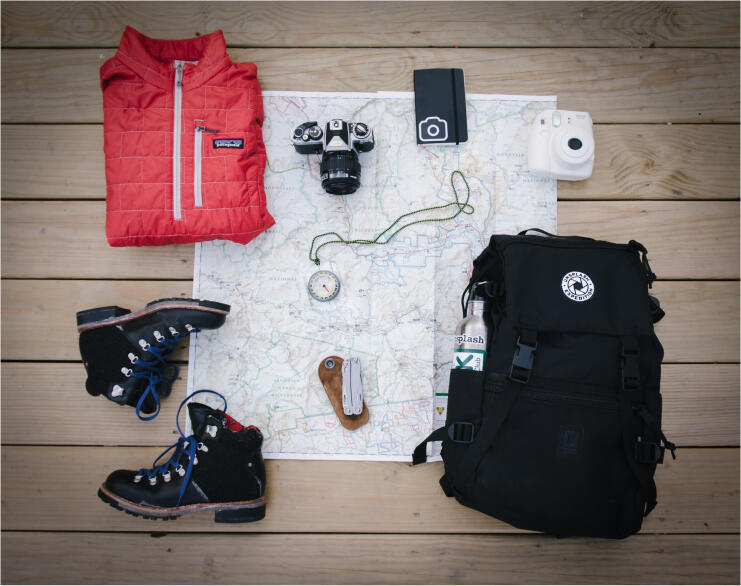
Developing a comprehensive understanding of different hiking gear and equipment, including footwear, clothing, backpacks, tents, sleeping bags, and hiking accessories.
Staying up to date with the latest industry trends, technologies, and advancements.
Familiarizing yourself with the features, specifications, and performance of various hiking products.
Understanding the different types of hiking trails, terrain, and weather conditions to recommend appropriate gear.
Merchandising and Inventory Management:
Organizing and maintaining the retail store displays to create an inviting and organized shopping environment.
Ensuring shelves are stocked with a variety of hiking gear and equipment.
Monitoring inventory levels and placing orders for products as needed.
Conducting regular inventory counts and assisting with stock management.
Sales and Promotions:
Assisting with sales initiatives and promotions to drive customer engagement and increase sales.
Participating in product demonstrations or events to showcase hiking gear and equipment.
Providing information on sales promotions, discounts, and loyalty programs to customers.
Upselling or cross-selling related products to enhance the customer’s hiking experience.
Gear Maintenance and Repairs:
Offering guidance on gear maintenance and care, including cleaning, waterproofing, and storage.
Assisting customers with gear repairs or directing them to appropriate repair services.
Outdoor Knowledge:
Sharing your own hiking experiences, trail recommendations, and outdoor tips with customers.
Providing information on local hiking trails, regulations, and permits.
Offering insights on hiking safety, navigation, and trip planning.
Teamwork and Administration:
Collaborating with other retail associates and team members to provide seamless customer service.
Assisting with daily store operations, such as opening and closing procedures, cash handling, and maintaining a tidy workspace.
Working as an outdoor retail associate allows you to engage with fellow hikers, share your knowledge and enthusiasm for the outdoors, and contribute to enhancing customers’ hiking experiences. It’s a rewarding job that enables you to be part of the hiking community and help others embark on their outdoor adventures.
Wilderness Photographer
Working as a wilderness photographer allows you to combine your passion for photography with your love for the outdoors. Here’s an overview of what this job entails:
Outdoor Photography:
Capturing stunning images of natural landscapes, wildlife, plants, and other elements of the wilderness.
Understanding composition, lighting, and exposure to create visually appealing photographs.
Utilizing different photography techniques, such as long exposures, panoramic shots, and macro photography, to capture unique perspectives.
Equipment and Gear:
Possessing a high-quality camera, lenses, and other necessary photography equipment.
Being familiar with the features and capabilities of your gear to maximize the potential of your shots.
Carrying essential accessories like tripods, filters, and remote shutter releases for stability and creative effects.
Wilderness Knowledge and Safety:
Understanding the environments you’ll be working in, including remote locations, varying terrains, and potentially hazardous conditions.
Practicing safety measures while exploring the wilderness and taking necessary precautions to protect yourself and the surroundings.
Being knowledgeable about wildlife behavior, seasonal changes, and potential risks specific to the areas you photograph.
Location Scouting:
Researching and identifying picturesque locations for photography sessions.
Planning trips and hikes to reach remote or less-visited spots that offer unique opportunities for capturing captivating images.
Considering factors like lighting conditions, weather patterns, and accessibility when selecting shooting locations.
Composition and Creativity:
Developing an eye for composition, framing, and storytelling through your photographs.
Experimenting with different angles, perspectives, and focal points to create visually compelling images.
Incorporating elements of the wilderness, such as leading lines, foreground interest, and natural framing, to enhance the overall impact of your photos.
Post-Processing and Editing:
Utilizing software like Adobe Lightroom or Photoshop to refine and enhance your photographs.
Adjusting exposure, contrast, colors, and other parameters to achieve the desired look and mood.
Managing your digital files and organizing your photography portfolio for showcasing your work.
Promotion and Marketing:
Building an online presence through a website, blog, or social media platforms to showcase your photography portfolio.
Networking with other photographers, outdoor enthusiasts, and potential clients to expand your reach and opportunities.
Participating in photography contests, exhibitions, or collaborations to gain exposure and recognition for your work.
Working as a wilderness photographer allows you to immerse yourself in nature, capture its beauty through your lens, and share your unique perspective with others. It offers a combination of artistic expression, outdoor adventure, and the opportunity to inspire and connect with people through your photography.
Outdoor Writer or Blogger
Working as an outdoor writer or blogger is an excellent way to combine your passion for the outdoors with your writing skills. Here’s an overview of what this job entails:
Outdoor Writing:
Creating engaging and informative content related to outdoor activities, adventures, destinations, gear, and more.
Crafting well-researched articles, guides, reviews, and stories that resonate with outdoor enthusiasts.
Conveying your personal experiences, insights, and expertise in a way that inspires and informs readers.
Content Creation:
Generating ideas for topics and articles that appeal to your target audience.
Conducting research to gather accurate and up-to-date information.
Writing clear, concise, and engaging content that is easy to read and understand.
Incorporating storytelling techniques to make your writing relatable and captivating.
Outdoor Knowledge and Experience:
Having firsthand experience and knowledge in various outdoor activities like hiking, camping, backpacking, rock climbing, skiing, etc.
Being familiar with outdoor gear, equipment, safety protocols, and best practices.
Staying updated with current trends, innovations, and developments in the outdoor industry.
Online Presence and Audience Engagement:
Creating and maintaining your own blog or website to showcase your writing and attract readers.
Building a loyal audience by consistently publishing high-quality content.
Engaging with your readers through comments, social media, and newsletters.
Responding to inquiries, providing recommendations, and fostering a sense of community among your followers.
Photography and Visual Content:
Accompanying your written content with high-quality photographs or visual media to enhance the reader’s experience.
Developing your photography skills to capture compelling images of the outdoors and the activities you write about.
Utilizing photo editing tools and techniques to enhance the visual appeal of your images.
Collaboration and Networking:
Collaborating with other outdoor enthusiasts, writers, photographers, and influencers to expand your reach and gain exposure.
Building relationships with outdoor brands, tourism boards, and industry professionals for potential partnerships or sponsored content opportunities.
Attending outdoor events, conferences, and workshops to connect with like-minded individuals and stay updated with industry trends.
Monetization Strategies:
Exploring different monetization avenues such as affiliate marketing, sponsored content, advertising, and product reviews.
Developing partnerships with brands or outdoor companies that align with your values and target audience.
Implementing effective SEO strategies to increase organic traffic to your website and attract potential advertisers or sponsors.
Working as an outdoor writer or blogger allows you to share your passion for the outdoors, inspire others to explore nature, and provide valuable information and insights to fellow outdoor enthusiasts. It offers the freedom to work remotely, pursue your own creative projects, and build a community of like-minded individuals who share your love for the great outdoors.
Adventure Travel Guide
Working as an adventure travel guide is an exciting and rewarding way to share your passion for travel, adventure, and exploration with others. Here’s an overview of what this job entails:
Destination Expertise:
Having in-depth knowledge of specific adventure travel destinations, including popular attractions, local culture, customs, and outdoor activities.
Staying updated on the latest travel trends, safety information, and regulations related to the destinations you specialize in.
Itinerary Planning:
Creating customized itineraries based on clients’ interests, preferences, and skill levels.
Researching and selecting the best accommodations, transportation options, and outdoor activities to ensure a memorable and well-rounded adventure travel experience.
Guiding and Leading:
Accompanying and guiding travelers throughout their adventure trips, ensuring their safety, comfort, and enjoyment.
Providing informative and engaging commentary about the destinations, landmarks, and activities.
Demonstrating and teaching outdoor skills and techniques, such as hiking, rock climbing, kayaking, or skiing, depending on the trip’s focus.
Safety and Risk Management:
Conducting thorough risk assessments and ensuring the safety of participants during adventure activities.
Implementing appropriate safety protocols and emergency procedures.
Being trained in wilderness first aid or other relevant certifications to handle any medical emergencies that may arise.
Group Management:
Facilitating group dynamics and fostering a positive and inclusive environment among travelers.
Managing logistics, such as transportation, accommodation, meals, and equipment, to ensure a smooth and enjoyable trip for everyone.
Cultural Immersion:
Encouraging travelers to engage with local communities, learn about their traditions, and respect their customs and cultural norms.
Acting as a cultural liaison between travelers and local communities, promoting responsible and sustainable travel practices.
Customer Service and Communication:
Providing excellent customer service by addressing travelers’ needs, concerns, and inquiries.
Communicating effectively and building rapport with travelers, ensuring their expectations are met or exceeded.
Being a good listener, problem solver, and adaptable to different personalities and preferences.
Environmental Stewardship:
Promoting responsible and sustainable travel practices, including Leave No Trace principles, minimizing environmental impact, and supporting local conservation efforts.
Educating travelers about the importance of preserving natural resources and respecting the ecosystems they visit.
Working as an adventure travel guide allows you to combine your love for adventure, travel, and cultural immersion while sharing your expertise and passion with others. It offers the opportunity to explore breathtaking landscapes, connect with diverse cultures, and create unforgettable experiences for your clients.
Wilderness First Responder
Working as a Wilderness First Responder (WFR) is a crucial role in providing medical care and emergency response in remote and outdoor settings. Here’s an overview of what this job entails:
Emergency Medical Skills:
Possessing advanced knowledge and skills in first aid, CPR, and emergency medical care.
Being trained to assess and treat a wide range of medical emergencies, including fractures, sprains, burns, allergic reactions, and hypothermia, among others.
Understanding the unique challenges and considerations of providing medical care in remote and wilderness environments.
Risk Assessment and Prevention:
Conducting thorough risk assessments to identify potential hazards and mitigate risks in outdoor settings.
Educating individuals and groups about safety practices, injury prevention, and proper equipment usage.
Promoting awareness of environmental factors, weather conditions, and wildlife encounters that may pose risks to outdoor enthusiasts.
Emergency Response and Evacuation:
Being prepared to respond quickly and effectively to medical emergencies in remote areas.
Implementing appropriate emergency response protocols and coordinating with rescue teams, if necessary.
Having the ability to provide basic stabilization and care for patients until they can be transported to a medical facility.
Remote Communication and Coordination:
Utilizing communication devices, such as radios or satellite phones, to communicate with emergency services, medical professionals, and rescue teams.
Coordinating logistics and relaying critical information to ensure timely and efficient evacuation or medical support.
Training and Education:
Staying updated on the latest medical practices, techniques, and protocols relevant to wilderness medicine.
Participating in ongoing training and certifications, such as Wilderness First Aid, Wilderness First Responder recertification, or higher-level medical certifications like Wilderness Emergency Medical Technician (WEMT).
Sharing knowledge and skills through training programs or workshops to educate outdoor enthusiasts and other professionals in wilderness medicine.
Teamwork and Collaboration:
Collaborating with other outdoor professionals, such as guides, park rangers, or search and rescue teams, to ensure effective response and coordination in emergency situations.
Working as part of a team to provide comprehensive care and support for injured or ill individuals in remote settings.
Compassion and Support:
Demonstrating empathy, compassion, and strong communication skills when interacting with patients and their companions during stressful situations.
Providing emotional support and reassurance to individuals in distress, and maintaining a calm and reassuring demeanor.
Working as a Wilderness First Responder requires a combination of medical knowledge, outdoor skills, and the ability to adapt to challenging and dynamic environments. It’s a critical role in ensuring the safety and well-being of individuals participating in outdoor activities, and it offers the opportunity to make a positive impact on people’s lives while enjoying the beauty of nature.
Outdoor Gear Tester
Working as an outdoor gear tester involves evaluating and providing feedback on various outdoor equipment and gear. Here’s an overview of what this job entails:
Testing Outdoor Equipment:
Field-testing a wide range of outdoor gear, including camping equipment, hiking gear, backpacks, tents, sleeping bags, footwear, clothing, and more.
Assessing the performance, durability, functionality, and comfort of the gear in various outdoor conditions and environments.
Providing objective and detailed feedback on the strengths and weaknesses of the products tested.
Documentation and Reporting:
Keeping detailed records of the testing process, including observations, measurements, and test results.
Generating comprehensive reports or reviews that outline the performance, features, and overall quality of the gear.
Communicating feedback to gear manufacturers or suppliers to help improve product design and development.
Product Evaluation Criteria:
Evaluating gear based on specific criteria, such as functionality, durability, ease of use, weight, packability, weather resistance, and overall performance.
Assessing the gear’s suitability for different outdoor activities, climates, and user preferences.
Comparing similar products to provide insights into their relative strengths and weaknesses.
Field Experience and Expertise:
Having a solid background and experience in various outdoor activities, such as hiking, camping, climbing, or water sports.
Being familiar with different outdoor environments, weather conditions, and the specific demands of each activity.
Applying personal knowledge and expertise to evaluate gear performance and provide context-based feedback.
Collaboration with Gear Manufacturers:
Establishing partnerships or collaborations with gear manufacturers or outdoor brands to receive products for testing and review.
Maintaining open communication with manufacturers to address questions, provide feedback, and suggest improvements.
Adhering to any confidentiality or embargo agreements related to pre-release or unreleased products.
Objective and Unbiased Evaluation:
Maintaining objectivity and impartiality when testing and reviewing gear.
Avoiding personal biases and providing fair assessments based on the gear’s actual performance.
Considering different user perspectives and outdoor scenarios to provide comprehensive feedback.
Continuous Learning and Adaptation:
Staying updated on the latest outdoor gear trends, technologies, and innovations.
Adapting to new testing methodologies or equipment evaluation standards.
Embracing the opportunity to learn and share knowledge with other outdoor enthusiasts and gear testers.
Working as an outdoor gear tester allows you to be at the forefront of gear development, contribute to product improvement, and help outdoor enthusiasts make informed purchasing decisions. It combines a passion for outdoor activities with an analytical and critical approach to gear evaluation, making it an exciting and rewarding role for those who love the outdoors and enjoy testing and reviewing outdoor equipment.
Defining Scree vs. Talus: The Key Differences, while often used interchangeably in casual conversation, have distinct meanings for outdoor enthusiasts.






 Hiking on Scree and Talus
 How to Plan Your First Solo Hike!
 Top 10 Hiking Tips for Beginners