Defining Scree vs. Talus: The Key Differences, while often used interchangeably in casual conversation, have distinct meanings for outdoor enthusiasts. The primary distinction lies in the size and stability of the rock fragments.
Scree is characterized by smaller, loose rock debris, typically ranging from the size of coarse sand up to that of a baseball or cantaloupe. It is often described as loose, shifting, and unstable underfoot. Hikers frequently compare walking on steep scree to walking on a slope of marbles. Due to its loose nature, scree can be “screeed” or skied down in a controlled slide, but it is notoriously treacherous to ascend.
Talus, on the other hand, consists of larger rocks, generally from the size of a cantaloupe or a case of beer up to massive boulders the size of cars or houses. While individual talus blocks can be loose and unstable, they are often interlocked to create a more stable surface that allows for boulder hopping or “talus dancing.” Talus slopes are the accumulated piles of this larger debris at the base of a cliff or mountain face.
A helpful mnemonic used by many hikers is: “You ski on a scree slope, but you boulder hop on a talus field.” It is also common to find these materials mixed together on a mountainside, with smaller scree filling the gaps between larger talus blocks. The key takeaway is that scree is small and loose, while talus is large and offers more potential for stable footing, though both require careful navigation.

Essential Gear: Footwear and Trekking Poles are critical for safety and stability when navigating unstable scree and talus. The right equipment can prevent injury and make the journey significantly more manageable.
Footwear is the most important consideration. Sturdy, high-top hiking boots with aggressive, grippy rubber soles are highly recommended. They provide essential ankle support to help prevent twists and sprains when stepping on uneven or shifting rocks. The stiff soles also protect your feet from sharp edges and help distribute pressure across unstable surfaces. While some experienced hikers and ultralight advocates may use durable trail-running shoes for their flexibility and stickier rubber, this requires excellent balance and carries a higher risk of injury from sharp rocks or ankle rolls. The key is a sole that offers maximum traction and a design that protects and supports the foot and ankle.

Trekking poles are invaluable tools for maintaining balance and providing stability. They act as additional points of contact with the ground, allowing you to test the stability of rocks before committing your full weight. On loose scree, they help you maintain balance as the ground shifts beneath you. On steep ascents, they provide leverage to push yourself up, and on descents, they help control your speed and reduce impact on your knees. However, caution is advised when boulder hopping on larger talus, as metal pole tips can slip on rock surfaces. In these situations, some hikers may stow one or both poles to use their hands for balance and support. The consensus is that poles are indispensable for scree and highly beneficial for most talus travel.

Techniques for Ascending and Descending on scree and talus require different strategies to maximize efficiency and safety. The approach for each terrain varies significantly.
For ascending scree, the key is to seek out any solid features, such as patches of grass or larger, stable rocks, and test them before putting your full weight on them. Digging your toes into the slope can help create a temporary stable platform. Some hikers find that sidestepping up a slope is effective because it allows the entire side edge of the boot to engage with the mountainside. In gullies, using the more solid sidewalls for handholds can provide crucial assistance. The general rule is to take a zig-zag or switchback route rather than attacking the slope head-on at a steep angle, which minimizes the risk of triggering a rockslide and makes the climb less grueling.
Ascending talus involves a more careful process of route finding. The goal is to boulder hop, stepping from one stable, large rock to another. This requires constant assessment, planning your next few steps ahead, and ensuring each foot placement is secure before moving. It is a rhythm of step, test, and move, resembling a dance or scramble more than a straightforward hike.
Descending scree, when conditions are right, can be done through a technique known as “screeing.” This involves intentionally sliding down in a controlled manner, similar to skiing, with your heels dug in to manage speed. However, this is only advisable on deep, fine scree that is free of larger obstacles and not located above cliffs, as hitting a buried stable rock can cause a dangerous tumble.
Descending talus is often considered more challenging than ascending. It requires even more careful foot placement to avoid ankle twists or falls. The technique involves facing the slope sideways at times, lowering yourself down carefully between rocks, and using your hands for support. It is a slow, deliberate process that demands full focus on every step, with no room for admiring the view while moving. Whether ascending or descending, the universal rule is to always be aware of other hikers. If you dislodge a rock, you must yell “Rock!” loudly to warn those below.

The Dangers and How to Mitigate Them when hiking on scree and talus are significant and require constant vigilance. The primary risk is the unstable nature of the terrain itself, which can lead to falls, ankle injuries, and rockfalls.
The most serious danger is triggering a rockslide or being struck by rocks dislodged from above. Even a small rock tumbling down a slope can gain lethal momentum. To mitigate this, it is crucial to avoid hiking directly in the fall line of other members in your group. Maintain enough horizontal separation so that a dislodged rock won’t hit someone below. If you do kick a rock loose, the universal protocol is to yell “Rock!” as loudly as possible to alert others. Those below who hear the warning should immediately crouch down and protect their heads, rather than looking up to see where the shout came from.
Personal injury from a misstep is another major hazard. Ankles can easily twist between unstable talus blocks, and a fall onto sharp rocks can cause severe cuts or broken bones. The mitigation for this is a combination of proper footwear, using trekking poles for extra stability, and maintaining absolute focus on every single foot placement. Rushing is a recipe for disaster. It is also vital to consider the weather; wet or icy rocks become extremely slippery, making travel on them far more dangerous and often inadvisable.
Finally, there is the danger of the slope itself giving way. Some scree fields may be a thin layer overlaying a hard, slick surface, which can slide catastrophically if stepped on. The best mitigation is careful route selection. Look for established paths where previous travelers have already compressed the material, and always be aware of what lies below a slope you are traversing, such as cliffs or steep drop-offs. Avoiding these terrains in adverse weather and knowing when to turn back are the ultimate safety skills.
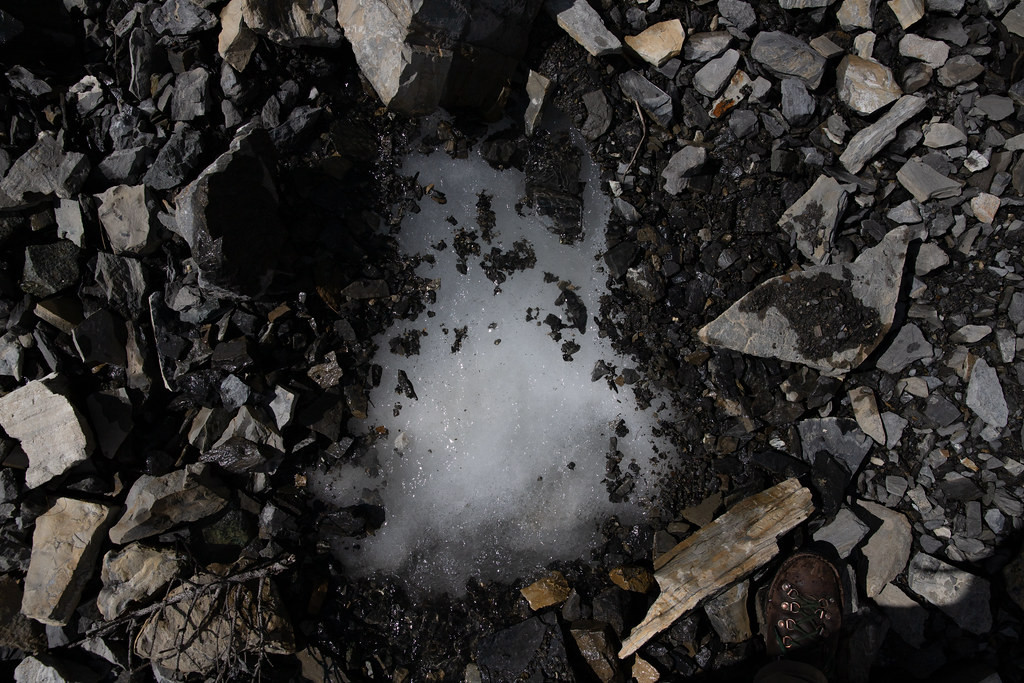
Scree Running: A Specialized Descent Technique is a thrilling but high-risk method for quickly descending a suitable scree slope. It involves a controlled, sliding descent where the hiker essentially surfs or skis down the loose rock.
The ideal conditions for scree running are a slope composed of fine, deep, and uniform scree, often described as being the size of grapes or oranges. The slope must be free of larger, immovable rocks or obstacles that could trip the runner and cause a catastrophic fall. Crucially, the run-out at the bottom must be safe, meaning the slope cannot end at a cliff edge or other hazard. The technique itself involves keeping your weight centered over your feet, leaning back slightly, and digging your heels into the scree to control your speed. Some hikers make gentle turns to help manage their descent, similar to skiing.
However, scree running is vehemently advised against by many experienced hikers due to its inherent dangers. The primary risk is hitting a hidden, stable rock, which can instantly launch the runner into an uncontrolled tumble down a slope of sharp, abrasive rocks. This can result in serious injury, from severe lacerations to broken bones. Furthermore, the runner initiates a mini-rockslide and must be absolutely certain there is no one below them who could be struck by dislodged debris. It is a technique that requires expert assessment of the slope and a high tolerance for risk, often described as an activity that is “fun until it isn’t.” For most, a slow, careful descent is the far safer choice.
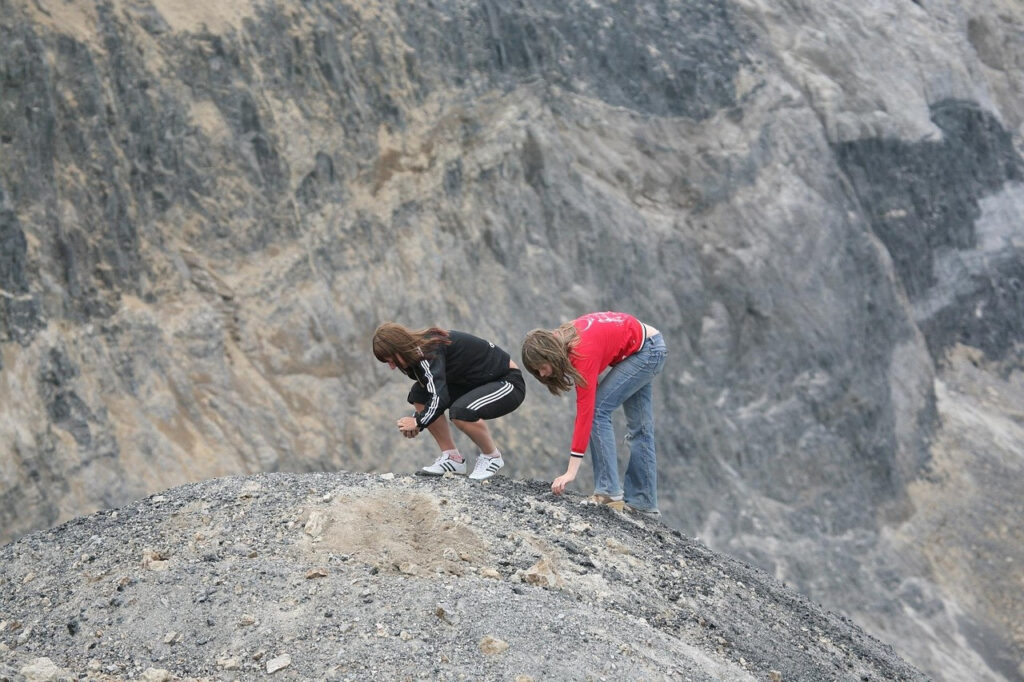
Scree is loose, small rock debris (up to the size of a cantaloupe) that shifts underfoot. Talus consists of larger, often more stable rocks (from cantaloupe-sized to boulders) that you can step on individually.
It is generally easier and safer to descend a scree slope using a controlled ‘screeing’ technique. Ascending loose scree is often described as treacherous and exhausting, as you slip backward with each step
Sturdy, high-top hiking boots with aggressive tread and ankle support are essential. Trekking poles are also highly recommended for testing stability and maintaining balance.
You must yell ‘Rock!’ loudly and immediately to warn anyone below you. Those who hear the warning should crouch and protect their heads without looking up.
Scree running is a high-risk, specialized technique for descending deep, fine scree quickly. It is strongly discouraged for most hikers due to the high potential for serious injury from a fall or hidden obstacle.
Rain or ice makes rocks extremely slippery and dangerous. Wet conditions can also trigger landslides on unstable slopes. It is best to avoid this terrain altogether in adverse weather.
 How to Plan Your First Solo Hike!
 Hiking Jobs to Make Money on the Trail
 Top 10 Hiking Tips for Beginners