Whether you’re scaling granite walls, navigating icy alpine ridges, or enjoying a day at the local crag, one piece of gear you should never overlook is your climbing helmet. Often underestimated, a good helmet is essential—not just for protecting against falling rocks or gear, but also for reducing the risk of head injuries during unexpected falls.
Today’s helmets are lighter, more breathable, and better fitting than ever before, with options tailored to different climbing styles—from sport and trad to ice climbing and mountaineering. But with so many models on the market, choosing the right one can feel overwhelming.
In this guide, we break down the best climbing helmets of 2025 based on safety, comfort, design, and performance. Whether you’re a beginner or a seasoned climber, we’ll help you find the helmet that fits your head—and your adventures—perfectly.
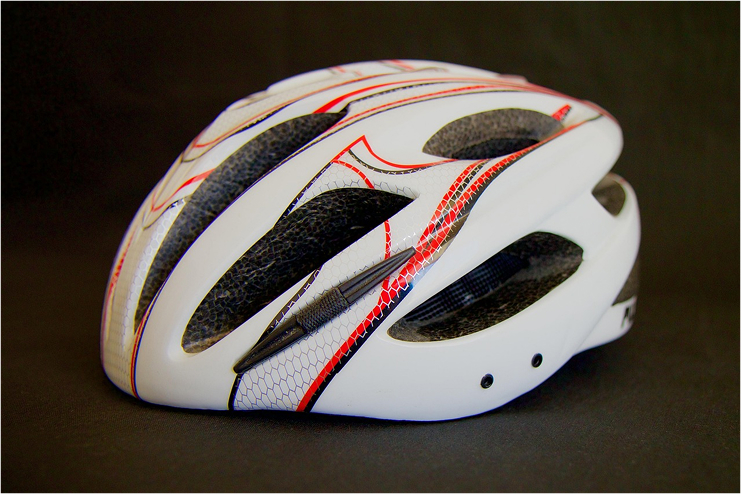
Choosing the right climbing helmet isn’t just about protection—it’s about finding the right balance of safety, comfort, and performance for your specific climbing style. Here’s what matters most:
Make sure any helmet you consider meets at least one of these international safety standards:
There are three main types of climbing helmets:
A lighter helmet reduces neck fatigue on long climbs. Foam and hybrid models are typically much lighter than hardshells.
A proper fit is essential for both safety and comfort. Look for:
Tip: Always try it on with any hats or buffs you might wear under it.
If you climb in warm weather or high-output conditions, airflow matters. More vents = better breathability, but can compromise insulation in cold alpine conditions.
Thicker shells (especially ABS plastic) can handle more abuse, which is important for mountaineering or frequent cragging.
Most helmets come with clips or mounts for attaching a headlamp—critical for early starts, late finishes, or cave/cliff environments.
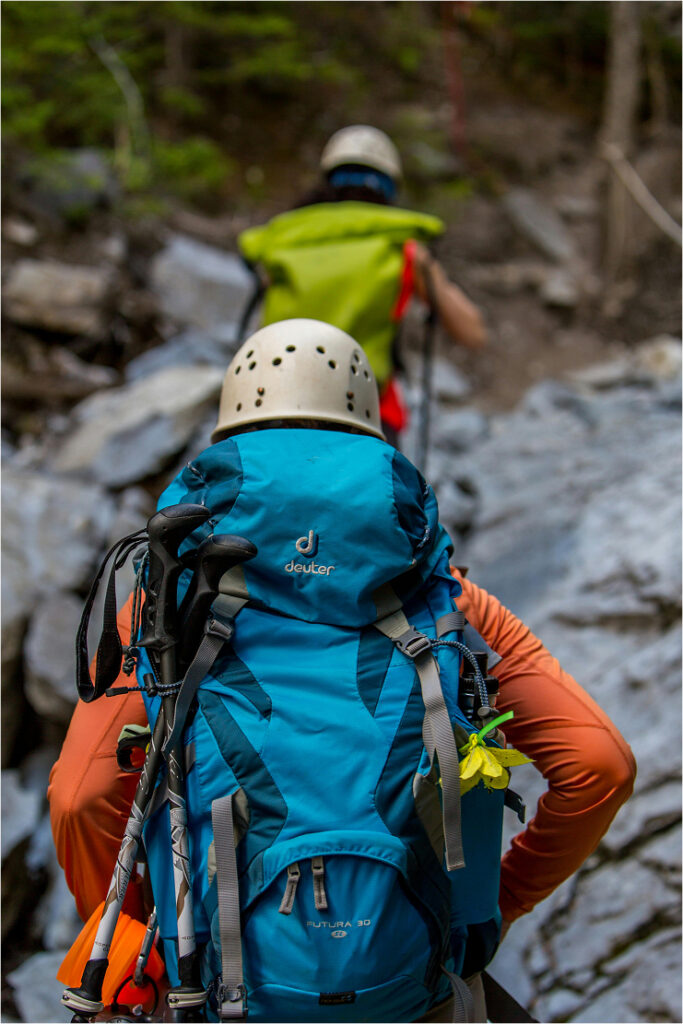
We’ve tested and reviewed this year’s top climbing helmets for a variety of climbing disciplines—from sport to alpine. Here are the standout performers:
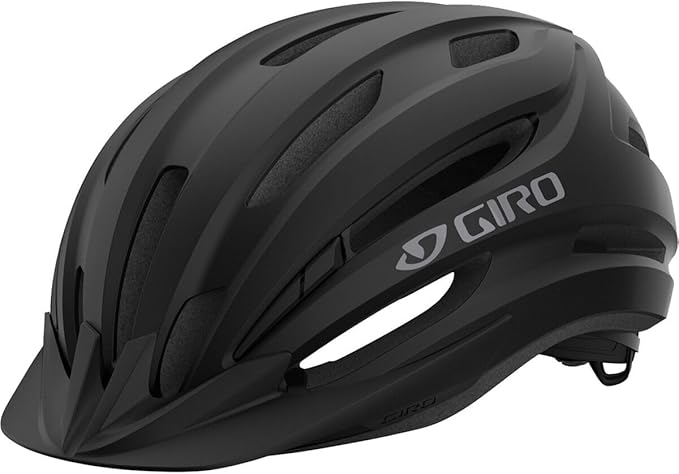
Type: Hybrid
Best For: Trad, alpine, multi-pitch
Key Features:
Pros:
✓ Excellent impact protection
✓ Comfortable and lightweight
✓ Good ventilation
Cons:
✗ Pricier than non-MIPS options
Our Verdict: One of the safest and most advanced helmets available today.
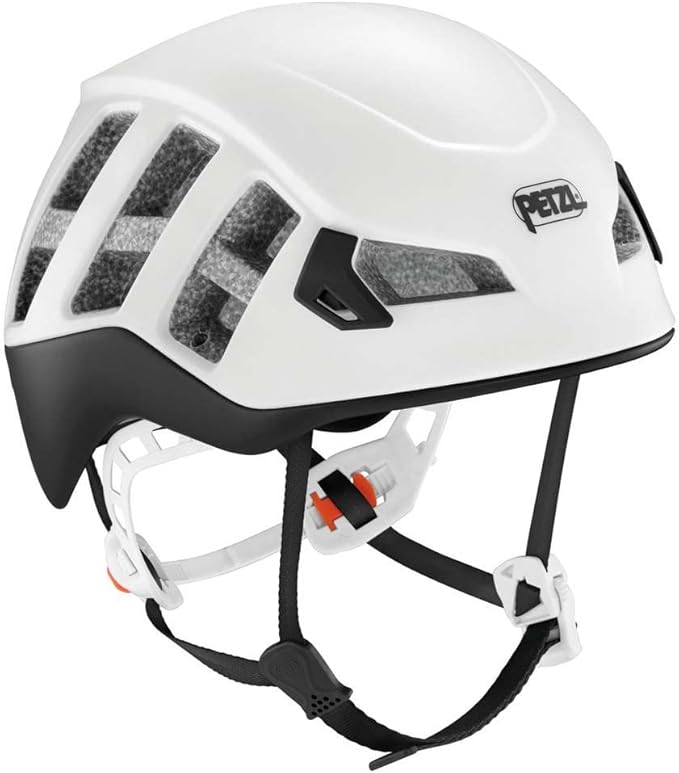
Type: Foam (EPS)
Best For: Sport, mountaineering, ski touring
Key Features:
Pros:
✓ Ultralight (225 g)
✓ Versatile (dual-certified)
✓ Comfortable fit
Cons:
✗ Less durable than hardshell models
Our Verdict: The ultimate lightweight option for fast-and-light missions.
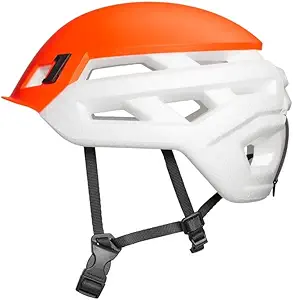
Type: Hybrid
Best For: Trad, alpine
Key Features:
Pros:
✓ Durable yet light
✓ Great impact absorption
✓ Well-ventilated
Cons:
✗ Headlamp clips could be more secure
Our Verdict: A balanced helmet for serious climbers looking for protection without bulk.
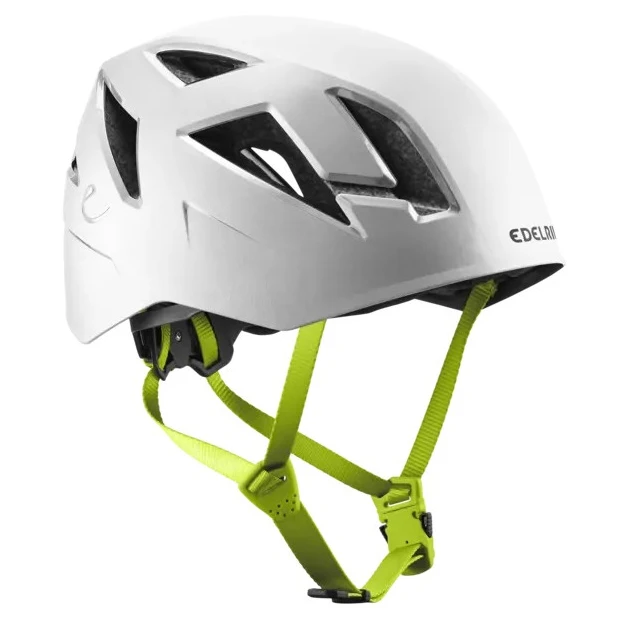
Type: Hybrid
Best For: All-around climbing
Key Features:
Pros:
✓ Good all-around comfort
✓ Affordable for a hybrid
✓ Secure fit system
Cons:
✗ Slightly heavier than top-tier models
Our Verdict: A solid and budget-friendly option for beginners and intermediate climbers.
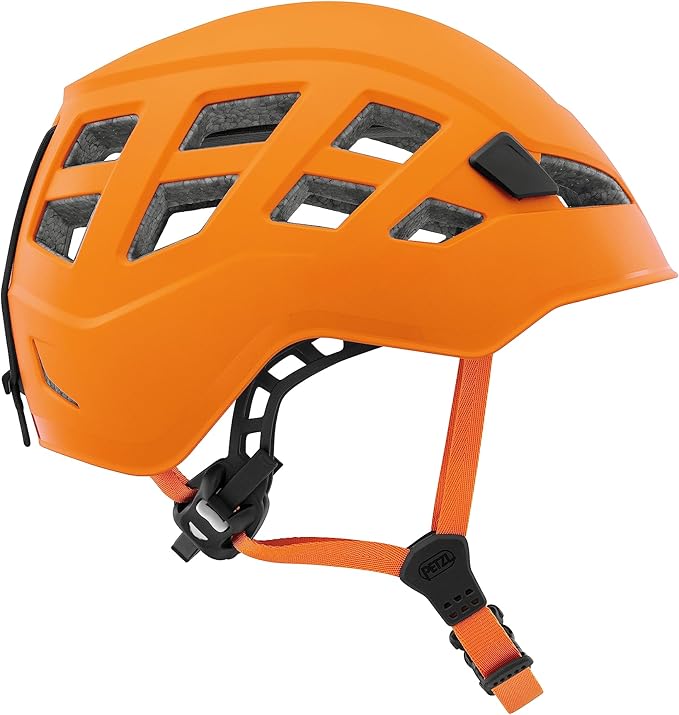
Type: Hardshell
Best For: Gym, top rope, group use
Key Features:
Pros:
✓ Highly durable
✓ Great for rough use or rentals
✓ Affordable price
Cons:
✗ Heavier and less ventilated
Our Verdict: Built to last—perfect for beginners or frequent cragging.
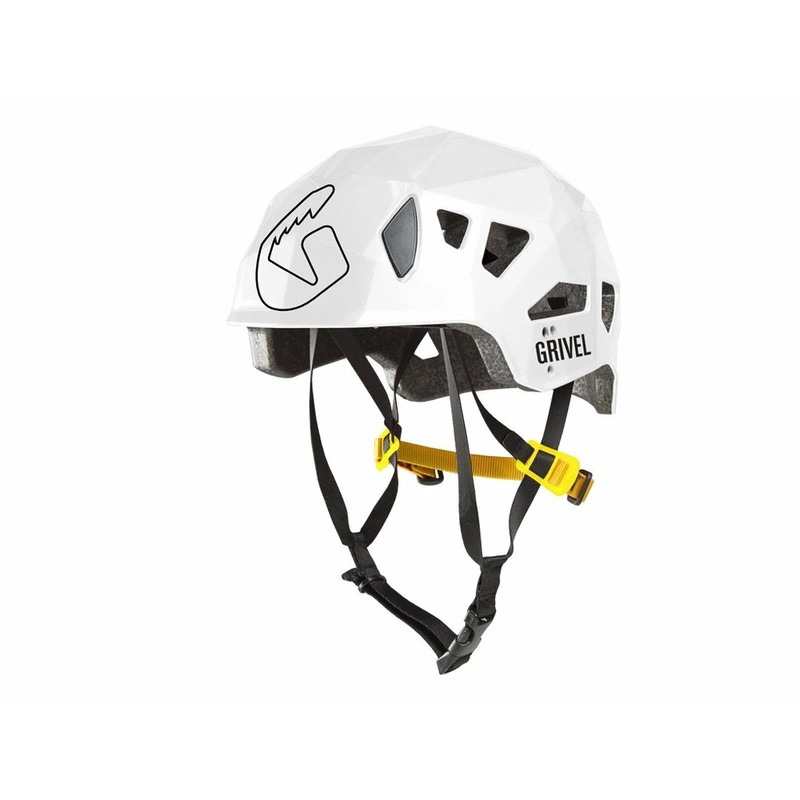
Type: Hardshell
Best For: Ice and alpine climbing
Key Features:
Pros:
✓ Stylish, standout design
✓ Light for a hardshell
✓ Comfortable on long climbs
Cons:
✗ Not as breathable as foam models
Our Verdict: A head-turner with solid alpine performance.
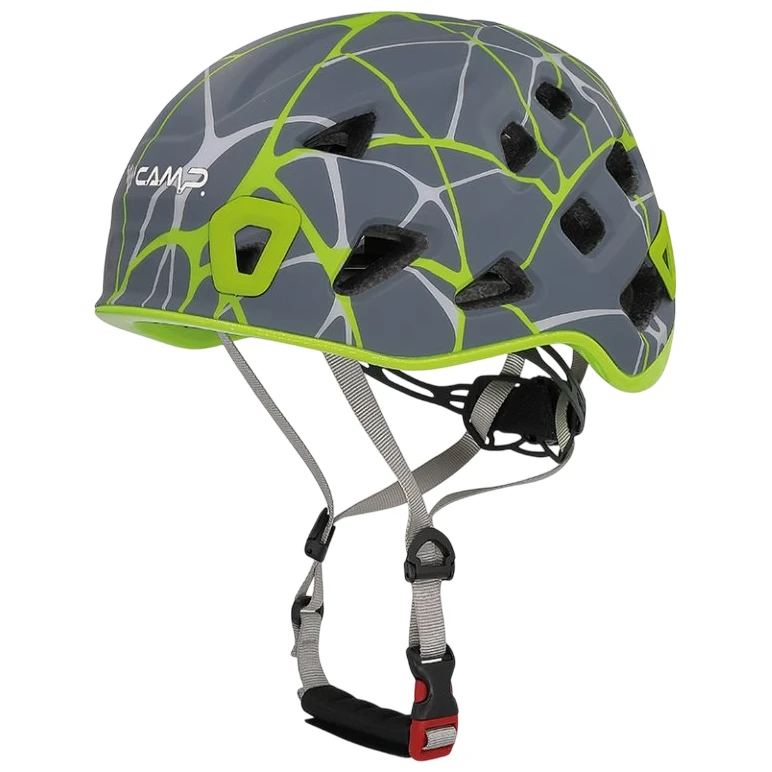
Type: Foam
Best For: Sport and multipitch
Key Features:
Pros:
✓ Excellent for warm conditions
✓ Secure, dial-adjusted fit
✓ Very light
Cons:
✗ Not as rugged for alpine use
Our Verdict: Ideal for warm-weather sport climbing and long, sweaty days on the wall.
| Helmet | Type | Weight | Best For | Safety Certs | MIPS | Price Range |
|---|---|---|---|---|---|---|
| Black Diamond Vision MIPS | Hybrid | 240 g | Trad, Alpine, Multi-pitch | UIAA, CE | ✅ Yes | $$$ |
| Petzl Meteor | Foam | 225 g | Sport, Mountaineering | UIAA, CE, Ski Touring | ❌ No | $$ |
| Mammut Wall Rider | Hybrid | 225 g | Trad, Alpine | UIAA, CE | ❌ No | $$$ |
| Edelrid Shield II | Hybrid | 270 g | All-around Climbing | UIAA, CE | ❌ No | $$ |
| Petzl Boreo | Hardshell | 295 g | Gym, Cragging, Beginners | UIAA, CE, Multi-sport | ❌ No | $ |
| Grivel Stealth | Hardshell | 270 g | Ice, Alpine | UIAA, CE | ❌ No | $$ |
| CAMP Storm | Foam | 230 g | Sport, Multi-pitch | UIAA, CE | ❌ No | $$ |
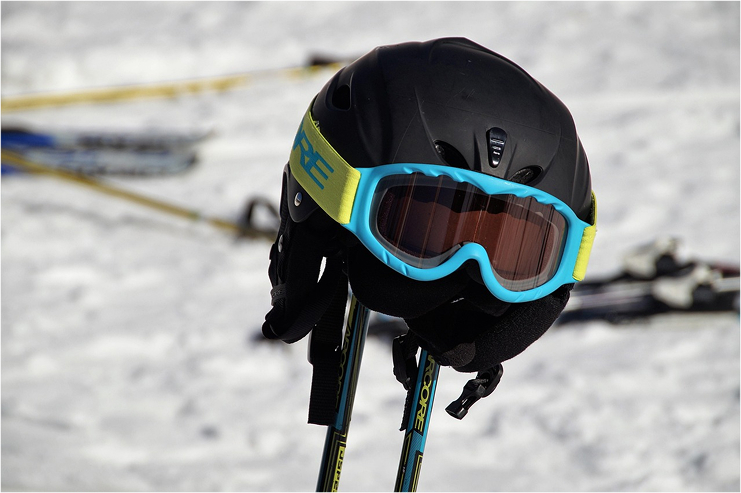
Legend:
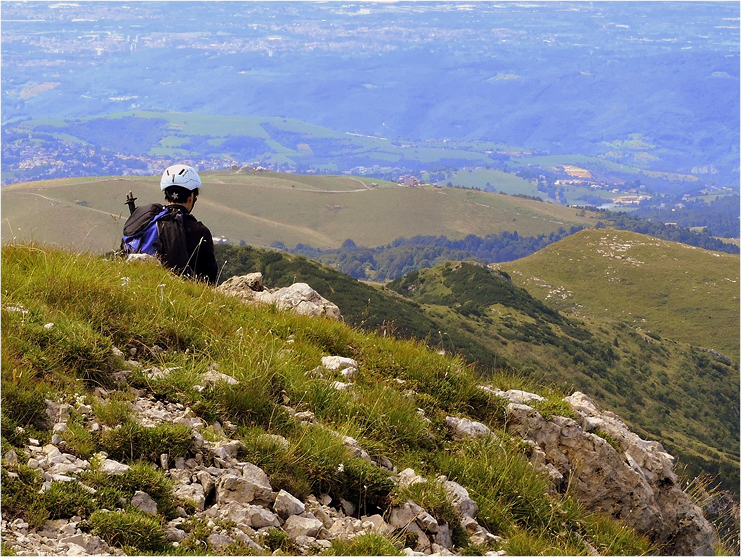
The “best” climbing helmet depends on your climbing style, environment, and personal preferences. Here’s how to narrow it down:
Helmets vary in shape—even across brands. For the best protection:
A well-fitted helmet should sit level on your head, not tilt, and stay snug without pinching.
If you climb long routes, a light helmet (under 250g) can prevent neck strain and fatigue. For rugged or high-impact environments, sacrificing a bit of weight for added durability is worth it.
While more expensive helmets often offer better features (like MIPS or dual certification), you can still find reliable entry-level helmets (like the Petzl Boreo) that meet all safety standards.
Quick Tip:
If you climb multiple disciplines (e.g., both sport and alpine), consider investing in two helmets—or choose a versatile hybrid model for all-around use.
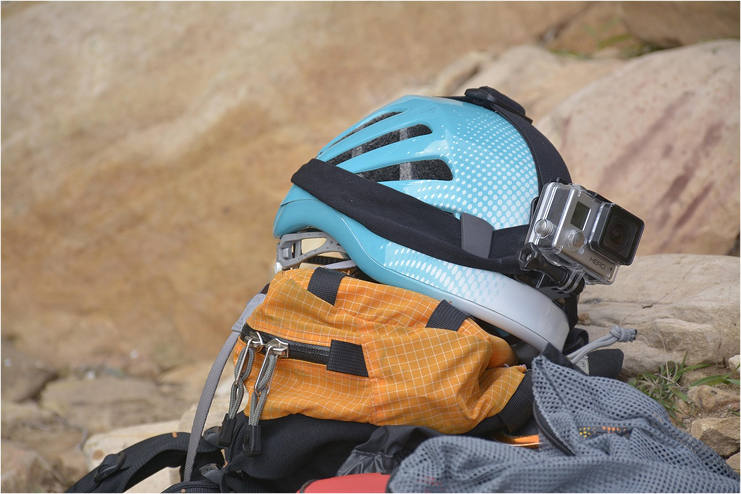
Most helmets should be replaced every 5–10 years, depending on the materials and usage. If a helmet experiences a major impact (even if there’s no visible damage), it should be replaced immediately. Always follow the manufacturer’s recommendations for lifespan.
No. Climbing helmets are designed for different types of impacts—mainly from above (like rockfall), not from the side or during a crash like bike or ski helmets. Always use a UIAA or CE-certified climbing helmet for proper protection.
MIPS (Multi-directional Impact Protection System) is a technology that reduces rotational forces during angled impacts. While not essential, it adds an extra layer of safety—especially for alpine and trad climbers. If you climb in complex terrain, a MIPS helmet is a great upgrade.
A helmet should sit level on your head, covering your forehead without tilting. It should:
Always try it on with your usual climbing headwear if possible.
Not always. All certified helmets meet minimum safety standards, but pricier models often offer:
Choose the best value based on your climbing needs, not just price.
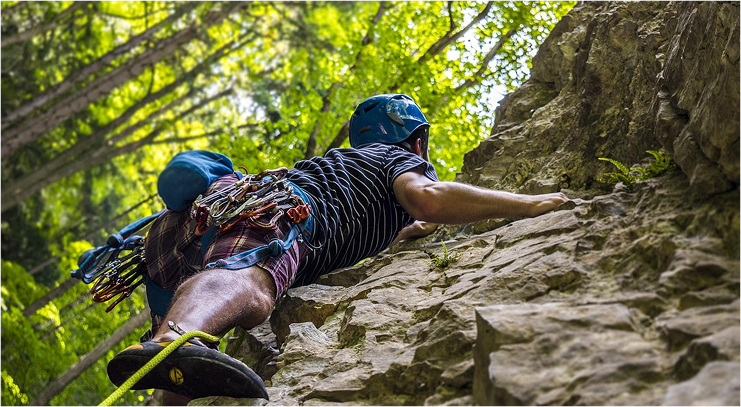
A climbing helmet isn’t just another piece of gear—it’s essential protection that could save your life. Whether you’re sport climbing at your local crag, venturing into alpine terrain, or pushing limits on multi-pitch routes, the right helmet can give you the safety, comfort, and confidence to focus on your climb.
Today’s helmets are lighter, more advanced, and more versatile than ever. From ultralight foam models to rugged hardshells and MIPS-equipped hybrids, there’s something for every style and budget. The key is to match the helmet to your climbing needs—and to choose one that fits well and meets all safety standards.
Take the time to try on a few models, consider how and where you climb, and invest in a helmet you’ll actually wear. Because the best helmet is the one that’s on your head when it matters most.
 Do I Need a Camping Pillow?
 Best Camping Gear for Families
 Best Camping Gear For Beginners under $200