Camping enthusiasts often find themselves pondering a pivotal decision: tent camping or hammock camping? As outdoor adventure seekers continue to embrace nature, these two distinct camping styles have gained popularity, each offering its own set of unique experiences and challenges. Whether you’re a seasoned camper or a newcomer to the outdoor scene, the choice between setting up a traditional tent or swaying gently in a hammock can significantly impact your camping adventure.
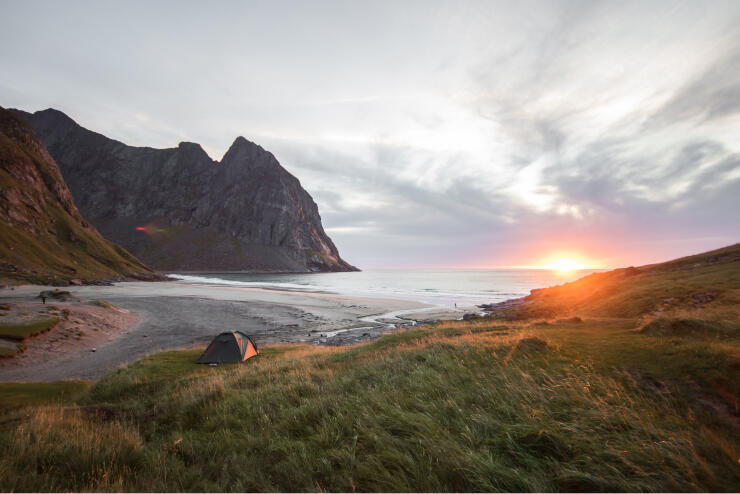
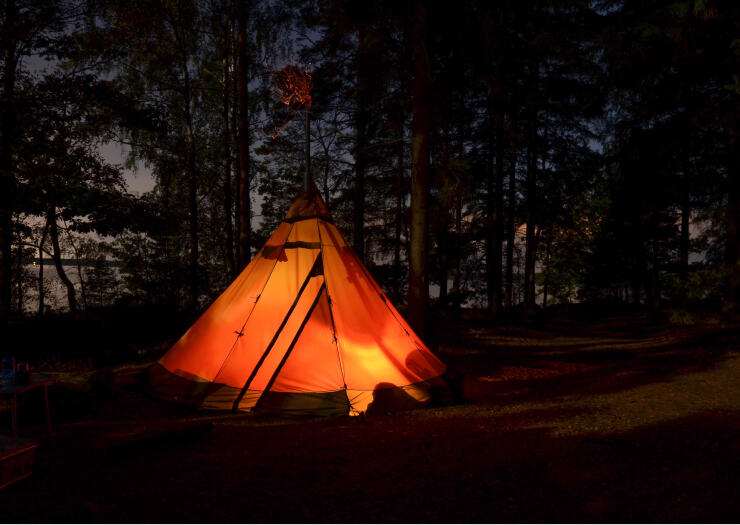
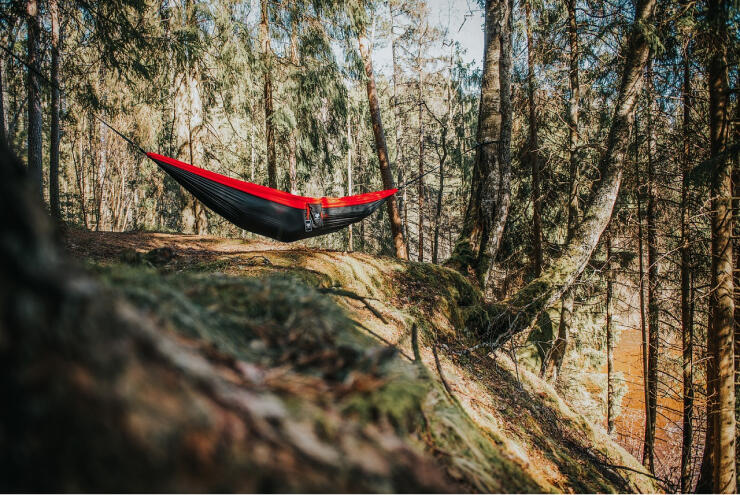
Tent camping conjures images of cozy sleeping quarters and a home-away-from-home feel, while hammock camping promises the thrill of suspended slumber amidst the trees. As the sun sets and the stars emerge, the decision between being nestled in a tent’s embrace or being cradled in the embrace of a hammock becomes both a practical and experiential choice.
In this exploration of tent versus hammock camping, we’ll delve into the pros and cons of each method, considering factors like comfort, convenience, safety, and environmental impact. By weighing these aspects, you’ll be better equipped to make an informed decision that aligns with your camping goals and preferences. So, whether you’re seeking shelter under canvas walls or between two trees, let’s embark on this journey of discovery to find out which camping style resonates with your sense of adventure.
Pros and Cons of Tent Camping
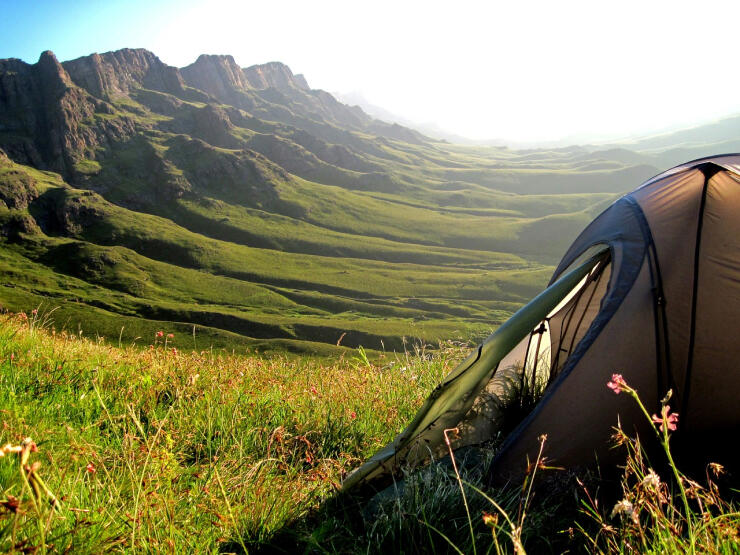
Tent camping has long been a staple of outdoor adventures, offering a sense of familiarity and comfort in the midst of nature’s beauty. However, like any camping style, it comes with its own set of advantages and disadvantages. Let’s explore the pros and cons of tent camping to help you make an informed decision:
Pros of Tent Camping:
Protection from the Elements: Tents provide a solid barrier against rain, wind, and other adverse weather conditions, allowing you to sleep and relax comfortably without exposure to the elements.
Privacy: Tents offer a private space where you can change clothes, sleep, and have personal moments without the need to worry about prying eyes.
Ample Storage: Tents provide room to store your gear and belongings, keeping them organized and protected from rain or wildlife.
Familiarity: Many campers are familiar with tent setup and maintenance, making it an accessible option for both beginners and experienced campers.
Interior Space: Larger tents can accommodate groups or families, offering a communal camping experience without sacrificing personal space.
Cons of Tent Camping:
Need for Level Ground: Finding a suitable, flat camping spot can be challenging in certain terrains, limiting your options for pitching a tent.
Weight and Bulk: Tents, along with stakes and poles, can be heavy and take up valuable space in your backpack, especially when hiking to remote locations.
Condensation Issues: Poor ventilation in some tents can lead to condensation buildup, causing dampness inside and potentially affecting your sleeping bag and gear.
Setup Time: Pitching and taking down a tent can be time-consuming, which might be less convenient during inclement weather or when you’re on the move.
Environmental Impact: Tents can leave a footprint on the ground, affecting vegetation and soil. Improperly staked tents can also cause damage to delicate ecosystems.
As you weigh the pros and cons of tent camping, consider your preferences, camping style, and the specific conditions you’ll encounter. While tents provide a classic camping experience with shelter and protection, they also come with challenges that you’ll need to address to ensure a comfortable and enjoyable outdoor adventure.
Considerations for Tent Camping
Choosing tent camping as your preferred outdoor accommodation involves several factors that contribute to your overall camping experience. By taking these considerations into account, you can ensure a more comfortable and enjoyable time in the great outdoors:
Weather Conditions: Research the climate and weather patterns of your camping destination. Make sure your tent is equipped to handle potential rain, wind, and temperature fluctuations.
Group Size: Consider the number of people in your camping group. Ensure that your chosen tent can comfortably accommodate everyone and their gear.
Camping Location: Evaluate the terrain and conditions of your campsite. Look for flat ground and suitable tent sites that adhere to local camping regulations.
Tent Size and Weight: Choose a tent size that suits your needs, whether you’re backpacking or car camping. Keep in mind the weight of the tent and its portability.
Setup Difficulty: Familiarize yourself with the setup process of your tent. Practice pitching the tent before your trip to avoid challenges on-site.
Interior Space and Storage: Assess the interior space of the tent for sleeping and storage. Look for tents with vestibules or gear lofts to keep your belongings organized.
Ventilation: Opt for a tent with proper ventilation to prevent condensation buildup inside. Mesh panels and vents contribute to better airflow.
Rainfly and Waterproofing: Ensure your tent has a rainfly that covers all sides and extends over windows and doors. Waterproof materials and seam-sealing keep you dry during rain.
Durability and Materials: Choose a tent made from durable materials with reinforced seams and sturdy zippers. Look for a robust pole system to withstand different weather conditions.
Privacy and Comfort: If privacy is essential, consider tents with separate compartments or dividers. Look for comfort-enhancing features like interior pockets and organizers.
Taking these considerations into account will help you select the right tent for your camping adventure, ensuring that you have a safe and enjoyable time in the great outdoors.
Considerations for Hammock Camping
Opting for hammock camping offers a unique and elevated outdoor experience, but it requires careful planning and consideration to ensure a comfortable and restful stay. Here are some essential factors to think about when choosing hammock camping for your outdoor adventure:
Terrain and Anchor Points:
Evaluate the camping location to ensure there are suitable trees or anchor points for setting up your hammock safely.
Check for sturdy branches or anchor options that are appropriately spaced and can support your weight.
Weight Limit and Capacity:
Know the weight limit of your hammock and ensure it can comfortably support your weight along with any additional gear you plan to keep in the hammock.
Insulation and Protection:
Plan for insulation beneath your hammock, such as an underquilt or sleeping pad, to prevent heat loss from beneath and maintain warmth during cool nights.
Consider using a rainfly or tarp above your hammock to provide protection from rain and wind.
Setup Skills and Practice:
Learn proper hammock setup techniques, including how to achieve the right amount of tension and angle for optimal comfort.
Practice setting up your hammock at home before heading out to the campsite to become familiar with the process.
Sleeping Comfort and Position:
Experiment with different sleeping positions to find what’s most comfortable for you in a hammock.
Some hammock campers prefer sleeping diagonally to achieve a flatter and more comfortable lay.
Gear Organization and Storage:
Keep your gear organized by using hanging organizers or pockets that attach to the hammock suspension.
Ensure your essentials are within reach to avoid frequent exits from the hammock.
Weather Preparedness:
Be ready for changes in weather by packing suitable rain protection and insulation to keep warm during cooler nights.
Consider mosquito netting or bug protection, especially in areas prone to insects.
Local Regulations and Guidelines:
Check the regulations of your camping area to ensure hammock camping is allowed and whether there are any specific requirements to follow.
Environmental Impact:
Practice Leave No Trace principles by avoiding damage to trees and vegetation. Use tree-friendly straps and follow guidelines for responsible hammock camping.
Personal Comfort and Preferences:
Consider your personal comfort preferences when choosing between hammock styles, such as gathered-end or bridge hammocks.
Think about your sleeping habits and whether a hammock’s gentle sway is conducive to restful sleep.
By taking these considerations into account, you can enjoy a comfortable and enjoyable hammock camping experience while minimizing challenges and maximizing the benefits of this unique outdoor accommodation option.
Different Camping Environments
Choosing between tent and hammock camping can be influenced by the type of camping environment you’ll be exploring. Each option has its strengths and weaknesses in various settings. Here’s how tent and hammock camping fare in different camping environments:
1. Forests:
Tent Camping: In wooded areas, tent camping is straightforward since you have ample space to pitch your tent on the forest floor.
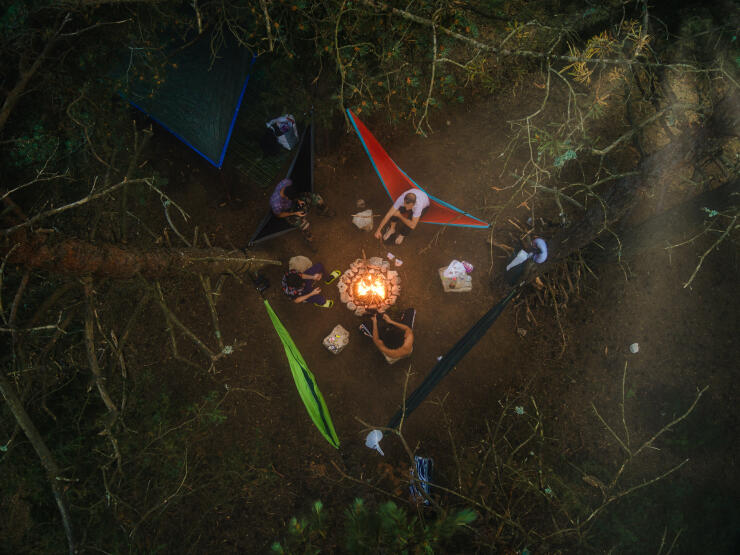
Hammock Camping: Hammock camping shines in forests with trees suitable for hanging. It keeps you off the ground and away from critters.
2. Mountains:
Tent Camping: On mountainous terrain, tents provide a stable shelter against the elements. Wind and weather protection are crucial at higher altitudes.
Hammock Camping: Hammock camping can be challenging in rugged mountain terrain, but if trees are available, it offers a unique vantage point.
3. Deserts:
Tent Camping: Tents provide better protection from desert winds and extreme temperatures. Ventilation is essential to prevent overheating.
Hammock Camping: Finding suitable anchor points can be challenging in deserts. However, hammocks can keep you above sandy or rocky ground.
4. Near Water Bodies:
Tent Camping: Camping near lakes, rivers, or beaches allows for easier tent setup on flat ground. Protection from moisture is vital.
Hammock Camping: Hammock camping near water can be rewarding, especially if trees are present for secure hanging.
5. Coastal Areas:
Tent Camping: Coastal areas might have varying wind and weather conditions. Tents provide a more solid barrier against sea breezes.
Hammock Camping: Hammock camping near the coast requires attention to weather patterns and tides. Wind protection is essential.
6. Alpine Environments:
Tent Camping: In alpine regions, tents offer protection against snow, wind, and cold temperatures. Choose a tent with proper insulation.
Hammock Camping: Hammock camping in alpine areas can be challenging due to the lack of trees and harsh weather conditions.
7. Rainforests:
Tent Camping: Tents provide protection from heavy rainfall and offer more interior space for gear storage.
Hammock Camping: Hammock camping in rainforests can be tricky due to dense vegetation and limited anchor points.
8. Open Fields:
Tent Camping: Open fields may lack natural windbreaks. Tents offer a stable shelter option, but wind exposure should be considered.
Hammock Camping: Hammock camping in open areas can be challenging without trees, but portable hammock stands can offer a solution.
Choosing between tent and hammock camping should take into account the specific environment you’ll be camping in. Each method has its advantages and challenges, so adapt your choice to suit the conditions of your chosen camping destination.
Safety Considerations
Ensuring your safety during camping, regardless of whether you choose tent or hammock camping, involves being aware of your surroundings and potential hazards. Here are some crucial safety considerations to keep in mind:
Site Selection:
Choose a camping spot that is free from dangers such as falling branches, rocks, or uneven ground.
Weather Awareness:
Stay updated on weather forecasts and be prepared for unexpected changes in weather conditions.
Lightning Safety:
During thunderstorms, seek shelter in a safe location to reduce the risk of lightning strikes.
Gear Inspection:
Regularly check your camping gear for any signs of wear or damage that could compromise its functionality.
Wildlife Awareness:
Store food securely to prevent attracting wildlife to your campsite, reducing the risk of encounters.
First Aid Preparedness:
Carry a well-stocked first aid kit and familiarize yourself with its contents and usage.
Emergency Communication:
Have a means of communication, such as a charged cell phone or satellite device, to call for help if needed.
Navigation Tools:
Bring navigational tools like a map and compass to prevent getting lost in unfamiliar terrain.
Leave No Trace:
Practice Leave No Trace principles to minimize your impact on the environment and preserve natural areas.
Terrain Considerations:
Be cautious when choosing your camping location, avoiding areas prone to hazards like rockfalls or flooding.
Solo Camping Safety:
If camping alone, let someone know your plans and expected return time for safety.
Water Safety:
If camping near water bodies, be mindful of water currents, tides, and safety protocols.
Hydration and Nutrition:
Stay hydrated and nourished to maintain your energy levels throughout your camping trip.
By keeping these safety considerations in mind, you can enjoy a secure and enriching camping experience, making the most of your time outdoors while minimizing potential risks.
Environmental Impact
Camping, whether in a tent or a hammock, has an impact on the environment. As outdoor enthusiasts, it’s important to minimize our ecological footprint and practice responsible camping to preserve natural areas for future generations. Here are some key considerations for minimizing your environmental impact while camping:
1. Campsite Selection:
Choose established campsites whenever possible to avoid creating new impact zones.
Camp at least 200 feet away from lakes, rivers, and streams to protect aquatic ecosystems.
2. Leave No Trace:
Follow the principles of Leave No Trace: Leave the area as you found it, without leaving trash, disturbing wildlife, or damaging vegetation.
3. Waste Management:
Pack out all trash, including food scraps, and dispose of it properly in designated receptacles.
Use biodegradable soap at least 200 feet away from water sources to prevent contamination.
4. Campfire Practices:
Follow local regulations regarding campfires. Use established fire rings or stoves for cooking to avoid scarring the landscape.
Burn only small sticks and twigs, and fully extinguish fires before leaving.
5. Human Waste:
Use established toilets if available. If not, follow proper Leave No Trace practices for digging catholes and burying waste.
Pack out used toilet paper and hygiene products in sealable bags.
6. Vegetation Protection:
Avoid trampling on vegetation. Use designated paths and avoid creating new trails.
Hang hammocks without damaging trees, using tree-friendly straps.
7. Wildlife Interaction:
Keep a safe distance from wildlife and avoid feeding them. Store food securely to prevent attracting animals to your campsite.
8. Water Conservation:
Use water sparingly. Avoid contaminating water sources and practice proper hygiene away from water bodies.
9. Cultural and Historical Sites:
Respect cultural and historical sites by not disturbing artifacts or structures. Leave them as you found them.
10. Noise and Disturbance:
Keep noise levels down to avoid disturbing wildlife and other campers. Enjoy the natural sounds of the environment.
11. Respect Local Regulations:
Research and follow local regulations, including camping permits, fire restrictions, and protected areas.
12. Educate Others:
Share responsible camping practices with fellow campers to spread awareness and promote eco-friendly behavior.
By adopting these practices and making a conscious effort to minimize your impact, you can enjoy the beauty of nature while contributing to its preservation. Being a responsible camper not only benefits the environment but also ensures that outdoor areas remain pristine and enjoyable for generations to come.
Personal Preferences and Comfort
Your personal preferences and comfort play a significant role in choosing between tent and hammock camping. Both options offer unique experiences, and understanding your preferences can help you make the right choice for an enjoyable outdoor adventure:
Tent Camping:
Personal Space: Tents provide more interior space for sleeping, changing clothes, and storing gear. This can be especially useful for larger groups or those who value privacy.
Weather Protection: Tents offer better protection from rain, wind, and cold temperatures, making them a comfortable option in various weather conditions.
Sleeping Style: If you’re accustomed to sleeping on flat surfaces and prefer a traditional sleeping setup, a tent might be more familiar and comfortable.
Storage: Tents typically have more storage options with vestibules and pockets for organizing your belongings.
Interior Activities: Tents provide a space where you can sit, relax, and socialize comfortably, even if the weather isn’t ideal.
Hammock Camping:
Elevated Sleep: Hammocks elevate you above the ground, keeping you away from damp or uneven terrain. Some campers find hammocks more comfortable for sleeping.
Minimalist Approach: Hammock camping can be more lightweight and compact, appealing to backpackers and those who prefer a minimalist style.
Cooler Sleep: Hammocks offer better ventilation, which can be advantageous in hot and humid conditions. They can also keep you cooler in warm weather.
Natural Sway: The gentle rocking motion of a hammock can be soothing and help you fall asleep faster, especially if you enjoy the feeling of being cradled.
Unique Views: Hammocks offer a unique vantage point, allowing you to enjoy scenic views from above ground level.
Ease of Setup: Some campers appreciate the simplicity and quicker setup of hammocks, especially with pop-up or gathered-end designs.
Ultimately, the decision between tent and hammock camping depends on your personal preferences, the camping environment, and the level of comfort you seek. Consider factors such as weather, sleeping habits, gear preferences, and the type of camping experience you want to have. Whether you prioritize the coziness of a tent or the unique experience of sleeping in a hammock, your comfort and enjoyment are key to a successful camping trip.
Conclusion
Choosing between tent and hammock camping ultimately comes down to your personal preferences, the camping environment, and the type of experience you’re seeking. Both options offer distinct advantages and considerations that can shape your outdoor adventure. As you weigh your decision, keep in mind the following key points:
Tent Camping:
Provides more interior space and privacy for larger groups or those who value personal space.
Offers better protection from various weather conditions, making it suitable for a wide range of environments.
Allows for traditional sleeping setups and provides a space for indoor activities in inclement weather.
Offers ample storage space with vestibules and pockets.
Hammock Camping:
Elevates you above the ground, keeping you away from damp or uneven terrain.
Can be more lightweight and compact, ideal for backpackers and minimalist campers.
Offers better ventilation and cooler sleep, particularly in warm and humid conditions.
Provides a unique vantage point and the soothing motion of a gentle sway.
Ultimately, your choice should reflect your comfort, preferences, and the type of camping experience you wish to have. Whichever option you select, remember the importance of safety, environmental responsibility, and adhering to Leave No Trace principles. Whether you find serenity in the embrace of a hammock or enjoy the cozy shelter of a tent, the great outdoors await your exploration and enjoyment. Happy camping!



 Do I Need a Camping Pillow?
 Best Camping Gear for Families
 Best Camping Gear For Beginners under $200