When it comes to car camping, one of the essential aspects is cooking hearty and delicious meals. Having the right pots and pans can greatly enhance your outdoor culinary experience. Whether you’re a seasoned camper or new to the camping scene, choosing the best cookware for your needs can make a significant difference in your camping trip.
In this guide, we will delve into the world of pots and pans for car camping, exploring different types, materials, sizes, and considerations. Whether you’re whipping up a hearty breakfast, a savory dinner, or a quick snack by the campfire, having the right cookware can elevate your camping cuisine to a whole new level. Let’s embark on this journey to discover the perfect pots and pans for your next car camping adventure.
Before diving into the various types of pots and pans for car camping, it’s important to assess your cooking needs. Consider the following factors to help you determine the type of cookware that will best suit your camping style and preferences:
By understanding your specific car camping cooking needs, you’ll be better equipped to choose the pots and pans that will make your culinary adventures in the great outdoors a success. With these factors in mind, let’s explore the different types of pots and pans that are well-suited for car camping.
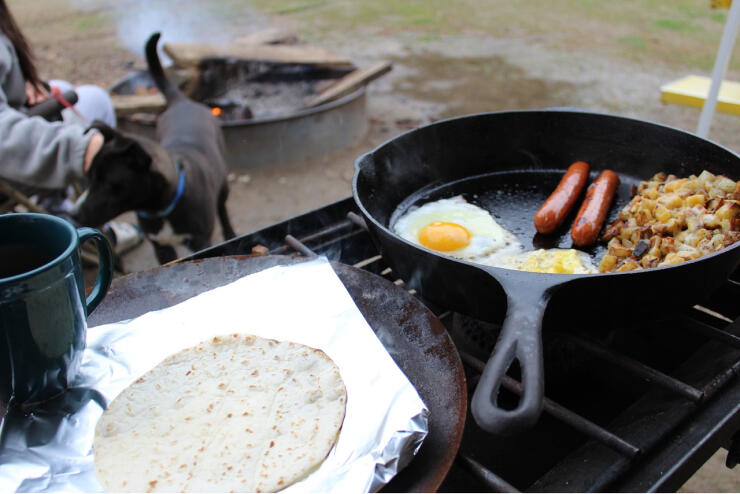
When it comes to choosing pots and pans for car camping, you have several options to consider. Each type of cookware has its own advantages and is suitable for different cooking methods and situations. Here are some popular types of pots and pans for car camping:
When selecting your pots and pans for car camping, it’s important to prioritize your cooking preferences and the types of meals you plan to prepare. You can also mix and match different types of cookware to create a well-rounded camp kitchen that suits your needs. Additionally, consider investing in utensils, cutting boards, and other cooking accessories to complement your chosen cookware.
When it comes to choosing the right sizes and pieces of cookware for your camping adventures, there are a few important considerations to keep in mind. The sizes and types of pots and pans you select will greatly affect your cooking experience and the variety of meals you can prepare. Here’s how to choose the right sizes and pieces for your camping cookware:
Consider Group Size: Think about the number of people you’ll be cooking for. If you’re camping solo or as a couple, smaller pots and pans may suffice. For larger groups, opt for bigger cookware to accommodate larger portions.
Versatility is Key: Look for cookware that offers versatility. A well-sized skillet can handle anything from frying bacon to sautéing vegetables. A medium-sized pot is great for boiling water, making soups, and cooking pasta.
Nested Sets: If space is a concern, consider getting a nested cookware set. These sets typically include a variety of pot and pan sizes that can be stacked together for compact storage.
Lids and Accessories: Check if the cookware comes with lids. Lids are essential for trapping heat and steam, allowing you to control cooking temperatures and conserve fuel. Some sets also come with additional accessories like spatulas, ladles, or even a detachable handle.
Think About Cooking Techniques: Consider the cooking techniques you’ll be using. If you’re planning to do a lot of grilling, a griddle or grill pan might be essential. For those who enjoy slow-cooking, a Dutch oven is a great addition.
Specialty Pieces: Depending on your cooking preferences, you might want to include specialty pieces such as a coffee percolator, a collapsible colander, or a campfire popcorn popper.
Space Constraints: If your camping setup involves limited space, prioritize cookware that can serve multiple purposes. For example, a pot that can double as a bowl or a lid that can be used as a plate.
Quality Over Quantity: Instead of having numerous small pots and pans, invest in a few high-quality pieces that can withstand the rigors of outdoor cooking. Quality cookware often lasts longer and provides better cooking performance.
Consider Your Cooking Style: Think about the types of meals you enjoy cooking while camping. If you’re a gourmet chef at heart, having a variety of pot and pan sizes might be important. If you prefer simple one-pot meals, focus on a versatile pot.
Check for Compatibility: If you’re using a camping stove, ensure that your cookware is compatible with the stove’s burners. Some stoves work better with certain pot sizes.
Ultimately, the right sizes and pieces of camping cookware depend on your individual preferences, the number of people you’ll be cooking for, and the types of meals you plan to prepare. By considering these factors, you can create a well-rounded collection of cookware that enhances your camping culinary experience.
1. Campsite Selection: Choose a campsite that is suitable for car camping. Look for designated camping areas with easy vehicle access, flat terrain, and amenities like picnic tables and fire pits.
2. Packing and Organization: Unlike backpacking, car camping allows you to bring more gear and supplies. Properly organize your gear in bins or storage containers to keep everything accessible and well-arranged.
3. Shelter: While tents are the most common choice, you could also consider options like rooftop tents or camping hammocks, depending on your vehicle and preferences.
4. Sleeping Comfort: Bring comfortable sleeping gear, such as air mattresses, sleeping pads, and warm sleeping bags, to ensure a good night’s rest.
5. Cooking Setup: Car camping allows for a variety of cooking options. You can bring a camp stove, portable grill, or even set up a campfire cooking area. Don’t forget utensils, cookware, and a cooler for food storage.
6. Campfire Safety: If campfires are allowed, follow all fire safety guidelines and regulations. Bring firewood or be prepared to gather firewood responsibly.
7. Hygiene and Sanitation: Plan for proper hygiene by bringing a portable camping toilet or using campground facilities. Also, bring biodegradable soap and follow Leave No Trace principles.
8. Water Source: Identify the availability of potable water sources at the campsite. Bring enough drinking water or a water filtration system.
9. Weather Preparedness: Check the weather forecast before your trip and pack accordingly. Be ready for changing weather conditions and bring appropriate clothing layers.
10. Entertainment: While enjoying nature is a major part of camping, you might also want some entertainment. Bring games, books, or other activities to keep yourself entertained during downtime.
11. Lighting: Bring adequate lighting, such as headlamps and lanterns, to illuminate your campsite after dark.
12. First Aid Kit: Have a well-stocked first aid kit on hand for any minor injuries or emergencies.
13. Respect Wildlife: Practice responsible wildlife interaction by storing food securely and not feeding animals.
14. Waste Management: Pack out all trash and dispose of it properly. Follow the principles of Leave No Trace to minimize your impact on the environment.
15. Research Regulations: Familiarize yourself with the rules and regulations of the camping area, including camping fees, reservation requirements, and any restrictions.
16. Vehicle Maintenance: Ensure your vehicle is in good working condition before embarking on your trip. Check tires, brakes, fluids, and any other essential components.
17. Connectivity: Determine the availability of cell phone service and plan your communication accordingly.
Remember that car camping offers more comfort and convenience compared to other types of camping, but it’s important to plan ahead to ensure a safe and enjoyable experience. Each camping trip is unique, so tailor your preparations to match your destination and preferences.

Certainly, considering your budget and getting value for your money is an important aspect of car camping. Here are some tips to help you make the most of your budget and ensure you get the best value for your camping trip:
1. Plan Ahead: Planning your car camping trip well in advance allows you to take advantage of early booking discounts, special offers, and deals on camping gear and equipment.
2. Set a Budget: Determine how much you’re willing to spend on different aspects of your camping trip, such as accommodation (camping fees or site reservations), food, gear, and activities.
3. Prioritize Essential Gear: Invest in high-quality, essential camping gear that will enhance your safety and comfort, such as a reliable tent, sleeping bag, and camping stove.
4. Borrow or Rent Gear: If you’re new to camping, consider borrowing or renting gear initially. This can help you save money and allow you to try out different equipment before making a purchase.
5. Buy Used Gear: Look for gently used camping gear in good condition. Many outdoor enthusiasts sell their gear at a fraction of the original cost. Online marketplaces or local outdoor gear consignment shops are great places to find deals.
6. Compare Prices: Before making any purchases, compare prices from different retailers and online stores to ensure you’re getting the best deal.
7. Multi-Functional Gear: Opt for gear that serves multiple purposes. For example, a camping stove that can also be used for grilling or a multi-tool with various functions can save both space and money.
8. Cook Simple Meals: Cooking your meals at the campsite can save you money compared to dining out. Plan simple and budget-friendly meal options that use basic ingredients.
9. Group Camping: Consider camping with friends or family to share expenses like campsite fees and food costs.
10. Cashback and Rewards: If you have a credit card that offers cashback or rewards, use it for camping-related purchases to earn rewards or cashback that you can use for future trips.
11. DIY Repairs: Learn basic gear maintenance and repair skills to extend the lifespan of your equipment. Small repairs can save you from having to replace items prematurely.
12. Off-Peak Camping: Camp during weekdays or in the off-peak season when campsite fees are often lower. Some campgrounds also offer discounted rates for longer stays.
13. Pack Thoughtfully: Make a checklist of items you need to avoid unnecessary last-minute purchases. Packing thoughtfully ensures you have everything you need without overspending.
14. Free Activities: Look for free or low-cost activities such as hiking, swimming, and stargazing to keep your entertainment expenses in check.
15. Leave No Trace: Following Leave No Trace principles not only helps protect the environment but also prevents fines or fees for violating camping regulations.
By planning carefully, making informed purchasing decisions, and being mindful of your spending, you can enjoy a memorable and rewarding car camping experience without breaking the bank.
Certainly! Proper care and use of your camping gear are essential to ensure their longevity and optimal performance. Here are some tips for caring for and using your camping equipment:
1. Read the Instructions: Always read and follow the manufacturer’s instructions and guidelines for proper use and maintenance of your camping gear.
2. Clean and Dry: After each camping trip, clean and dry your gear thoroughly before storing it. Dirt, moisture, and debris can cause damage over time.
3. Store Properly: Store your gear in a cool, dry place away from direct sunlight and extreme temperatures. Use storage bags or containers to keep them protected.
4. Regular Inspections: Periodically inspect your gear for any signs of wear, tear, or damage. Address any issues promptly to prevent further deterioration.
5. Use Ground Cloth or Tarp: Place a ground cloth or tarp under your tent to protect the tent floor from abrasion and moisture. This can extend the life of your tent.
6. Tent Care: Pitch your tent on a flat, level surface and avoid setting it up on rocks or sharp objects. Use a rainfly to protect your tent from rain and UV rays.
7. Sleeping Bag Care: Air out your sleeping bag after each use and avoid storing it compressed. Use a sleeping bag liner to keep it clean and reduce the need for frequent washing.
8. Cooking Equipment: Clean cooking utensils, pots, and pans thoroughly after use. Use biodegradable soap and a scrub pad to remove food residues.
9. Campfire Safety: Follow Leave No Trace principles when building and using a campfire. Use designated fire rings or pits, and fully extinguish the fire before leaving.
10. Stove Maintenance: Keep your camping stove clean and perform routine maintenance as per the manufacturer’s instructions. Check fuel levels before each trip.
11. Footwear Care: Clean and dry your hiking boots after each use. Remove dirt and debris to prevent deterioration of materials.
12. Clothing Maintenance: Launder your camping clothing according to care instructions. Treat stains promptly to prevent them from setting.
13. Gear Repairs: Learn basic gear repair skills such as patching a tent, fixing a zipper, or sewing a tear. Carry a small repair kit for on-the-go fixes.
14. Respect Nature: Practice responsible camping by minimizing your impact on the environment. Follow “Leave No Trace” principles to preserve the outdoors for future generations.
15. Gear Replacement: While proper care can extend the life of your gear, eventually, items will need to be replaced. Monitor the condition of your gear and replace worn-out or damaged items as needed.
By adopting these care and use tips, you can ensure that your camping gear remains in good condition, performs well during your outdoor adventures, and lasts for many camping trips to come.
Caring for and using your camping gear properly is not just about extending the lifespan of your equipment; it’s a way to enhance your overall camping experience and ensure your safety in the great outdoors. Whether it’s a sturdy tent, reliable cooking equipment, comfortable sleeping gear, or essential tools, treating your camping gear with care and respect will pay off in the long run.
Remember that your gear is your lifeline when you’re out in nature. By following manufacturer guidelines, practicing good maintenance habits, and being mindful of your impact on the environment, you can enjoy many more memorable and worry-free camping trips.
As you explore the wilderness, take pride in the condition of your gear, the knowledge you’ve gained, and the adventures you’ve undertaken. With proper care, your camping gear can continue to serve you well on countless journeys to come. So, pack up, head out, and make the most of your outdoor experiences while ensuring that your gear is ready to stand up to the challenges and wonders of the natural world. Happy camping!
 Do I Need a Camping Pillow?
 Best Camping Gear for Families
 Best Camping Gear For Beginners under $200