Camping offers a wonderful opportunity to connect with nature, unwind from the demands of daily life, and create lasting memories. However, enjoying the great outdoors also comes with the responsibility of minimizing our impact on the environment. One crucial aspect of responsible camping is maintaining cleanliness, and this includes knowing how to wash dishes properly while camping.
Whether you’re backpacking through the wilderness or setting up camp at a designated site, practicing proper dishwashing techniques is essential. Not only does it help prevent pollution and preserve the beauty of nature, but it also ensures the health and safety of both you and fellow campers. In this guide, we’ll walk you through the step-by-step process of washing dishes while camping, from gathering the necessary supplies to practicing Leave No Trace principles. By following these tips, you’ll be able to enjoy delicious campsite meals while being a responsible steward of the environment.
Gather Necessary Supplies
Before you begin washing dishes at your campsite, it’s important to assemble the right tools and supplies. Proper preparation will make the dishwashing process efficient and help you minimize your impact on the environment. Here’s a list of essential items you’ll need:
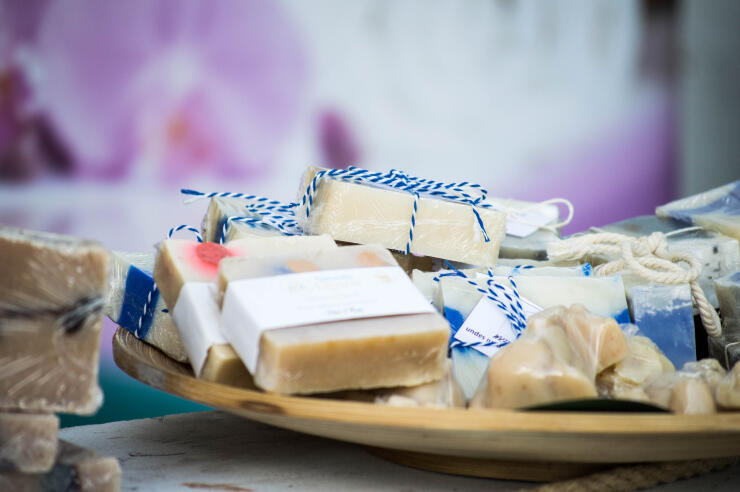
Biodegradable Soap:
Choose a biodegradable soap that is safe for the environment. Avoid using regular dishwashing detergent, as it can harm aquatic life when it enters water sources.
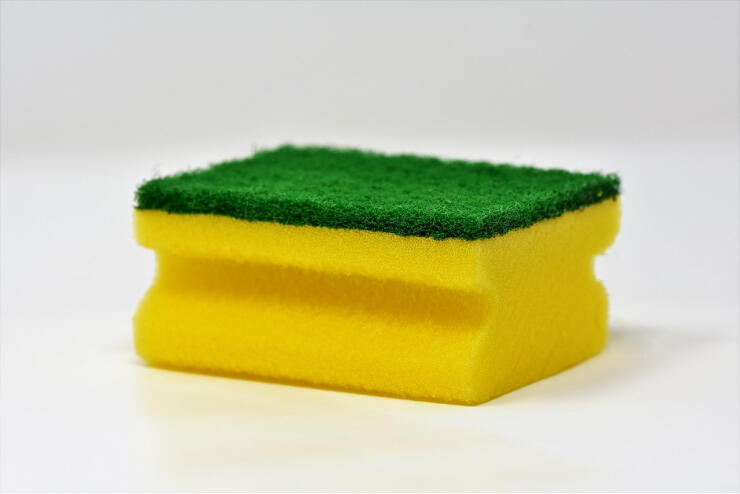
Scrub Brush or Sponge:
Select a scrub brush or sponge designed for camping. Look for one with a gentle abrasive surface to help remove food particles.
Collapsible Basin or Container:
Use a collapsible basin or container as your washing station. This provides a designated space for washing dishes and prevents water from spreading.
Clean Water:
Carry a sufficient amount of clean water for washing dishes. You can bring water in a reusable container or use a portable water filtration system to source water from nearby streams or lakes.
Trash Bags:
Have trash bags on hand for disposing of food scraps and waste. Properly pack out all trash to leave no trace of your presence.
Portable Sink or Strainer (Optional):
If you’re using a campsite with dishwashing facilities, a portable sink or strainer can be helpful for collecting and disposing of graywater.
Utensils and Plates Scraper:
Bring a utensil or plate scraper to remove leftover food particles before washing.
Towel or Camp Towel:
Have a clean towel or camp towel for drying dishes after they are washed.
Leave No Trace Principles Guide:
Familiarize yourself with Leave No Trace principles to ensure you’re practicing responsible dishwashing.
By gathering these supplies, you’ll be well-equipped to wash your dishes efficiently and responsibly while minimizing your impact on the environment. Properly washing dishes at your campsite contributes to a cleaner and more enjoyable outdoor experience for everyone.
Set Up a Cleaning Station
Creating a designated cleaning station is a crucial step in ensuring efficient and responsible dishwashing while camping. By setting up a proper area, you can prevent contamination of water sources and maintain a clean campsite. Here’s how to set up your cleaning station:
Choose a Location:
Select a location for your cleaning station that is at least 200 feet away from water sources like streams, rivers, and lakes. This helps prevent the pollution of natural water bodies.
Lay Down a Ground Cover:
Place a ground cover, such as a tarp or durable cloth, on the ground where you’ll set up your cleaning station. This prevents soil erosion and makes cleanup easier.
Set Up the Basin:
Unfold your collapsible basin or container on the ground cover. Ensure it’s stable and won’t tip over during use.
Position Waste Bags:
Place your trash bags nearby to collect food scraps and waste. This keeps your cleaning area organized and makes it easier to dispose of waste properly.
Water Source:
Set up your clean water source nearby. If you’re using a portable water filtration system, ensure it’s in working condition.
Hand Washing Station (Optional):
If you have the space and resources, consider setting up a hand washing station with soap and clean water to maintain hygiene.
Keep It Organized:
Arrange your supplies in an organized manner within easy reach of the cleaning station. This makes the dishwashing process smoother and more efficient.
Leave No Trace Awareness:
While setting up your cleaning station, keep Leave No Trace principles in mind. Avoid disturbing vegetation and choose a location that minimizes impact on the environment.
Creating a well-organized cleaning station sets the foundation for responsible dishwashing during your camping trip. By following these steps and choosing an appropriate location, you’ll be able to keep your campsite clean, minimize your environmental impact, and enjoy a more enjoyable camping experience.
Scrape and Dispose of Food Debris
Properly disposing of food debris is an essential step in preventing contamination and maintaining a clean campsite. By removing leftover food particles from your dishes, you contribute to a healthier environment and minimize the attraction of wildlife to your camp. Here’s how to scrape and dispose of food debris responsibly:
Use a Utensil or Plate Scraper:
Before you start washing, use a utensil or plate scraper to remove as much leftover food as possible. Scrape food into a waste bag or container.
Minimize Waste:
Scrape food debris into a separate waste bag rather than directly onto the ground. This prevents scattering and keeps your campsite tidy.
Pack Out All Food Scraps:
Pack all food scraps, including those from scraping, into your designated waste bag. Ensure the bag is securely sealed to prevent odors and leaks.
Avoid Disposing in Water Sources:
Never dispose of food scraps, even small ones, directly into water sources. Food waste can attract pests and harm aquatic life.
Secure Waste Bag:
Hang the waste bag from a tree or place it in a secure container, away from your camping area. Make sure it’s sealed tightly to prevent animals from getting to it.
Dispose of Waste Properly:
When you leave your campsite, remember to pack out all waste, including the bag of food scraps. Leave no trace of your presence in the wilderness.
By diligently scraping and disposing of food debris in a responsible manner, you contribute to a cleaner campsite and a safer environment for both yourself and the local wildlife. This simple step helps maintain the natural balance of the ecosystem and ensures that your camping experience is enjoyable for everyone involved.
Pre-Rinse Dishes
Pre-rinsing your dishes is an important step to remove excess dirt, oils, and food particles before you start washing. By pre-rinsing, you make the subsequent washing process more effective and prevent clogging your cleaning station. Here’s how to pre-rinse your dishes while camping:
Gather Your Dishes:
Collect all the dishes, utensils, and cookware that need to be washed. Scrape off any visible food debris into your waste bag.
Use Clean Water:
If possible, use a separate container of clean water for pre-rinsing. If clean water is limited, you can also use a small amount from your main water source.
Rinse Thoroughly:
Dip each dish into the clean water and use your hands or a cloth to scrub away dirt and residue. Make sure to rinse all surfaces of the dish.
Dispose of Rinse Water Properly:
Dispose of the rinse water responsibly. If you’re at a campsite with designated dishwashing facilities, follow their guidelines for disposing of rinse water. Otherwise, ensure that you’re not contaminating the area.
Minimize Impact:
Be mindful not to release rinse water onto vegetation or soil. Dispose of the rinse water at least 200 feet away from water sources to prevent pollution.
Dry or Shake Excess Water:
After pre-rinsing, you can either air dry the dishes or shake off excess water. This step will make the washing process more efficient.
Leave No Trace:
Remember to adhere to Leave No Trace principles. Avoid using excessive water for pre-rinsing, and make sure that the rinse water doesn’t contribute to soil erosion.
By pre-rinsing your dishes, you’re setting the stage for a smoother and more effective washing process. This step not only ensures cleaner dishes but also contributes to a responsible and eco-friendly camping experience.
Wash with Biodegradable Soap
Washing dishes with biodegradable soap is a responsible way to clean your cookware while minimizing your impact on the environment. Biodegradable soap breaks down naturally without harming ecosystems, making it suitable for use in outdoor settings. Here’s how to wash your dishes with biodegradable soap while camping:
Prepare Your Cleaning Basin:
Fill your collapsible basin with a small amount of clean water. Avoid overusing water to conserve this valuable resource.
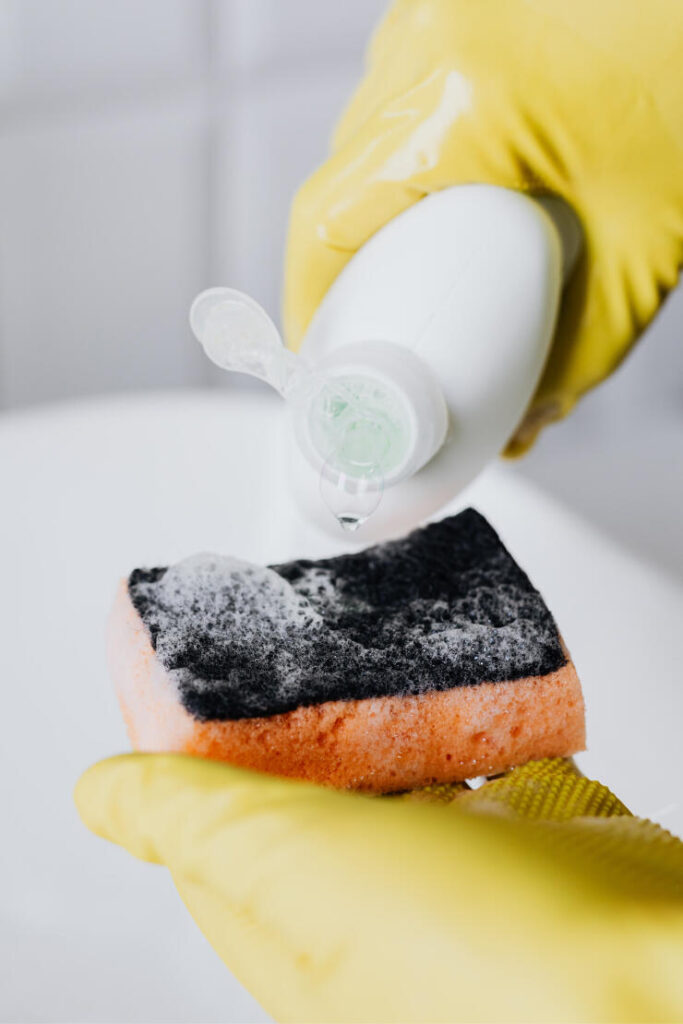
Add Biodegradable Soap:
Add a small amount of biodegradable soap to the water. Check the label for usage instructions, as different soaps may require different concentrations.
Create Soapy Water:
Swirl the water to create a soapy solution. Remember, a little soap goes a long way, so avoid excessive use.
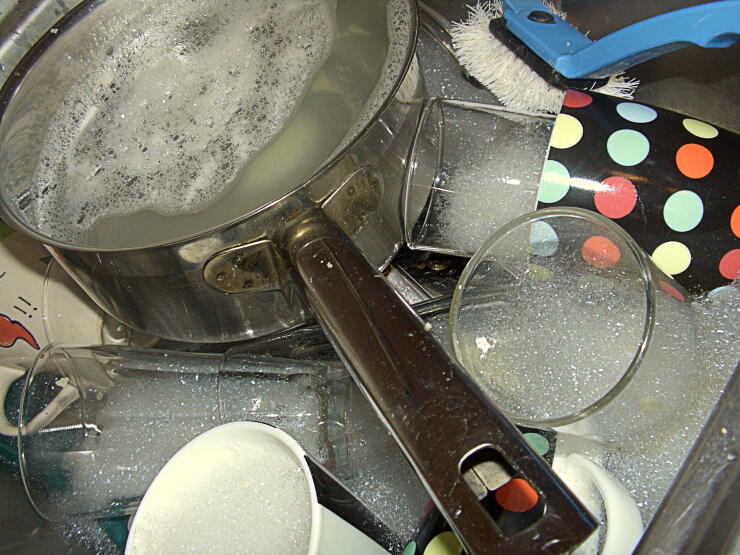
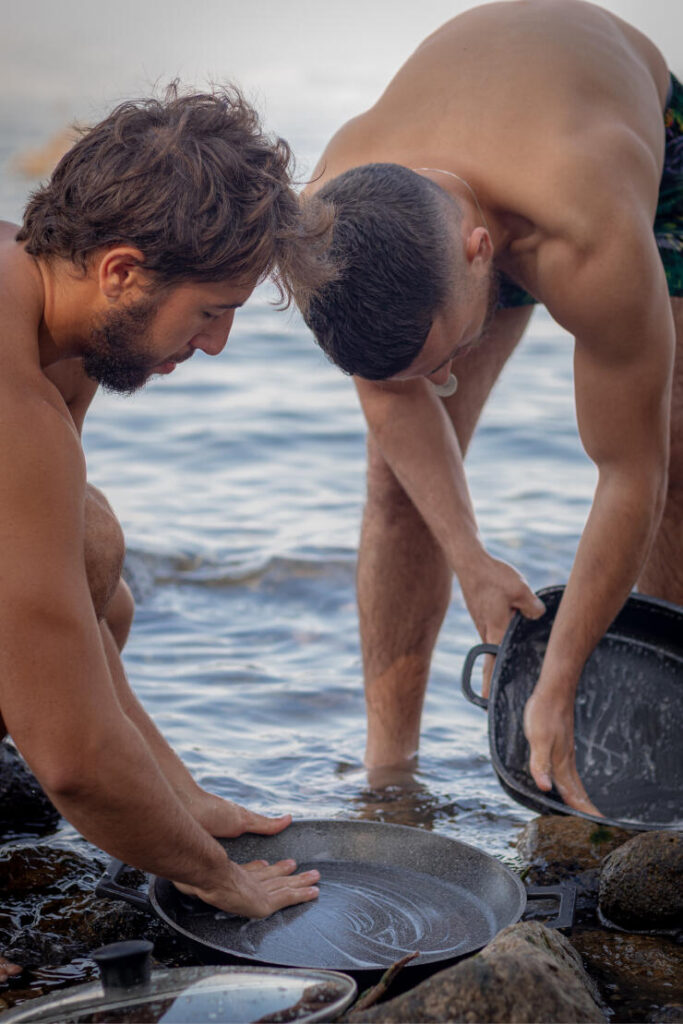
Submerge and Scrub:
Submerge each dish, one at a time, in the soapy water. Use a scrub brush or sponge to clean all surfaces of the dish. Pay special attention to areas with stubborn residue.
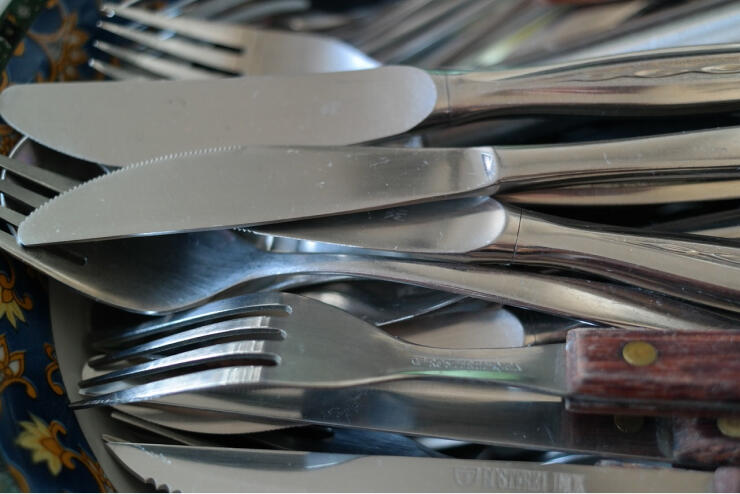
Clean Utensils and Cookware:
Clean utensils, pots, pans, and other cookware using the same method. Scrub thoroughly to remove grease and food particles.
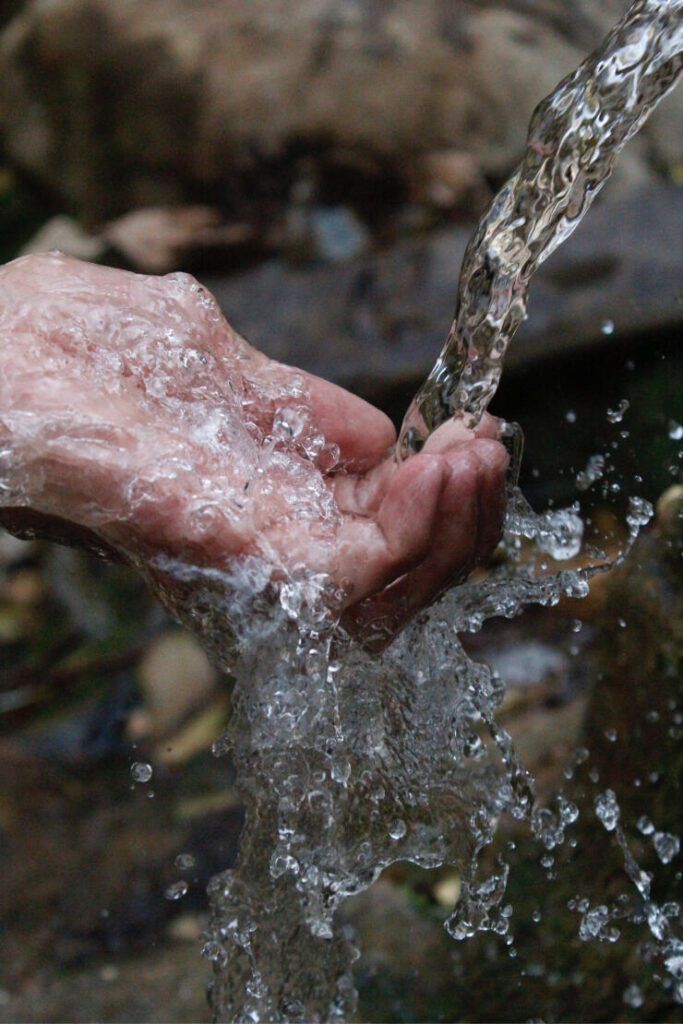
Rinse Thoroughly:
After scrubbing, rinse each dish under clean water to remove soap residue. Make sure there’s no soapy film left on the dishes.
Dispose of Graywater Responsibly:
Graywater is the soapy water used for washing dishes. Disperse graywater at least 200 feet away from water sources to avoid polluting them.
Minimize Water Usage:
Use as little water as necessary to wash your dishes. Consider washing dishes in an order that allows you to reuse the same soapy water for multiple items.
Leave No Trace Principles:
Adhere to Leave No Trace principles by using biodegradable soap, conserving water, and avoiding contaminating the environment.
Washing dishes with biodegradable soap ensures that you’re maintaining cleanliness while respecting the environment around you. By following these steps, you’ll be able to enjoy your meals during your camping trip without leaving a negative impact on the ecosystem.
Scrub and Rinse
Scrubbing and rinsing your dishes thoroughly after washing with biodegradable soap ensures that they are clean, free from soap residue, and ready for use. Proper scrubbing and rinsing also prevent the buildup of oils and food particles that could attract pests to your campsite. Here’s how to effectively scrub and rinse your dishes while camping:
Scrubbing:
Take each dish, utensil, or cookware item and use a scrub brush or sponge to scrub all surfaces. Pay attention to any areas with stubborn residue.
Focus on Greasy Items:
Give extra attention to items that were used to cook greasy foods. Scrub away oils and fats to ensure thorough cleaning.
Rinse Thoroughly:
After scrubbing, rinse each dish under clean water. Make sure to remove all traces of soap and leftover food particles.
Use a Strainer (Optional):
If you’re at a campsite with dishwashing facilities, consider using a portable strainer to catch food particles while rinsing. This prevents debris from going down the drain.
Check for Residue:
While rinsing, visually inspect each dish to ensure there’s no soap residue left. If you detect any, rinse again until the dish is completely clean.
Air Dry or Towel Dry:
Once thoroughly rinsed, you can either allow the dishes to air dry or use a clean towel to dry them.
Dispose of Rinse Water Responsibly:
Dispose of rinse water at least 200 feet away from water sources to prevent contamination.
Leave No Trace:
Always follow Leave No Trace principles by minimizing water usage, avoiding contamination of natural resources, and respecting the environment.
By scrubbing and rinsing your dishes effectively, you ensure that your camping meals are not only enjoyable but also prepared and eaten responsibly. Clean dishes also contribute to maintaining a clean campsite and respecting the natural surroundings of your outdoor adventure.
Dispose of Dirty Water
Properly disposing of dirty dishwater is crucial to prevent pollution and maintain the integrity of the environment. Dirty water can carry food particles, soap residue, and contaminants that can harm the ecosystem. Here’s how to responsibly dispose of dirty water while camping:
Choose a Disposal Area:
Select an area at least 200 feet away from water sources, campsites, and trails for disposing of dirty water.
Use a Strainer (Optional):
If you used a portable strainer while rinsing dishes, it can help catch food particles from the dirty water.
Disperse Water Gradually:
Slowly disperse the dirty water over a wide area. This allows the soil to filter out contaminants before the water reaches the ground.
Avoid Concentrated Areas:
Avoid pouring the water in a single spot or creating depressions that can lead to soil erosion.
Minimize Impact:
Ensure that the disposal area you choose is devoid of fragile vegetation and well away from natural water sources.
Leave No Trace:
Dispose of dirty water in a manner that adheres to Leave No Trace principles, leaving the environment as you found it.
Packing Out Dirty Water (if Necessary):
In some environments, regulations might require you to pack out all dirty water, especially in sensitive areas with high visitor impact.
By disposing of dirty water responsibly, you play a crucial role in preserving the natural beauty and health of the camping area. Proper disposal ensures that your campsite remains pristine and that local ecosystems are not harmed by contaminants introduced from human activity.
Dry and Store Clean Dishes
After washing, scrubbing, and rinsing your dishes, it’s important to properly dry and store them to prevent contamination and maintain their cleanliness. Properly dried dishes are also more pleasant to use during your camping trip. Here’s how to dry and store your clean dishes while camping:
Air Drying:
If you have time and space, allow your dishes to air dry naturally. Place them on a clean and dry surface, such as a clean towel or a drying rack.
Towel Drying:
Use a clean, dry towel or camp towel to dry your dishes manually. Wipe each dish thoroughly to remove any remaining water droplets.
Inspect for Residue:
As you dry each dish, visually inspect it for any leftover soap residue. If you find any residue, rinse the dish again to ensure it’s completely clean.
Prevent Recontamination:
Make sure the surface where you’re drying your dishes is clean and free from dirt, dust, and food particles.
Storage Considerations:
Store your dried dishes in a clean and dry container, such as a plastic bin or a dry bag. Keep them protected from environmental elements.
Stacking Carefully:
When storing dishes, avoid stacking them too closely to prevent damage and ensure proper ventilation to prevent mold growth.
Store Away from Wildlife:
Store your clean dishes in a secure location that is inaccessible to wildlife, preventing animals from being attracted to your camping area.
Pack Out Waste:
If you used paper towels or any other cleaning materials, make sure to pack them out with your other waste to leave no trace.
By ensuring your dishes are properly dried and stored, you’re not only maintaining their cleanliness but also preventing potential contamination from external elements. Clean and well-maintained dishes contribute to a comfortable and hygienic camping experience while respecting the natural environment around you.
Clean the Cleaning Station
After you’ve finished washing your dishes and ensuring they’re properly dried and stored, it’s important to clean and sanitize the dishwashing area. Cleaning the station ensures that you leave the campsite as you found it and prevents the buildup of dirt and residue. Here’s how to clean the dishwashing area after use:
Dispose of Remaining Water:
Pour out any remaining water from your cleaning basin or container.
Scrape and Dispose of Food Scraps:
Check the ground cover for any food scraps or debris that may have fallen during the dishwashing process. Collect and dispose of these scraps properly.
Wash the Basin:
Use clean water and a small amount of biodegradable soap to wash the basin or container you used for dishwashing.
Rinse Thoroughly:
Rinse the basin or container thoroughly to remove any soap residue.
Dry the Area:
Allow the basin or container to air dry. If needed, wipe down the area with a clean cloth or towel to ensure it’s dry.
Pack Away Supplies:
Gather all your dishwashing supplies, including scrub brushes, sponges, and biodegradable soap. Make sure they are clean and dry before packing them away.
Dispose of Trash:
Double-check that you’ve disposed of all food scraps, waste, and trash properly. Pack out all waste to leave no trace.
Leave No Trace:
Clean the cleaning station in a manner that follows Leave No Trace principles. Ensure you’re not leaving any marks or residue behind.
Inspect the Area:
Take a final look around the cleaning station to make sure you haven’t missed anything and that the area is clean and tidy.
By cleaning the cleaning station after use, you’re contributing to the overall cleanliness of the campsite and maintaining a responsible outdoor ethic. Leaving the area clean ensures that future campers can enjoy the same pristine environment you experienced during your camping trip.
Pack Out Waste
One of the fundamental principles of Leave No Trace is to pack out all waste, including trash, food scraps, and dirty water. Proper waste management is crucial for preserving the natural beauty of the environment and preventing negative impacts on wildlife and ecosystems. Here’s how to effectively pack out waste while camping:
Dispose of Trash:
Ensure that all trash, such as packaging materials, wrappers, and any non-biodegradable items, is collected and stored in a designated trash bag.
Pack Out Food Scraps:
Pack out all food scraps, even small particles, in your designated waste bag. Food waste can attract animals and disturb the ecosystem.
Secure Waste Bag:
Seal the waste bag securely to prevent odors and leaks. Double-bagging can provide extra protection.
Dirty Water:
If you followed Leave No Trace principles by dispersing dirty water, make sure it’s fully dispersed and not left in concentrated areas.
Dispose of Waste Properly:
When leaving the campsite, take all your waste with you. Do not leave any trash or waste behind, even if it’s biodegradable.
Use Bear-Resistant Containers (if Necessary):
In areas with bear populations, use bear-resistant containers or hang your waste bag from a tree to prevent wildlife interactions.
Leave No Trace Principles:
Adhere to Leave No Trace principles by leaving the environment as you found it and minimizing your impact on natural resources.
Recycle if Possible:
If there are recycling facilities available, separate recyclable items and pack them out separately from your regular trash.
By packing out all waste, you’re demonstrating a commitment to preserving the beauty of the outdoors and respecting the environment. Responsible waste management ensures that future generations can enjoy the same natural wonders you’ve experienced during your camping adventure.
Conclusion
Mastering the art of washing dishes while camping is not only about practicality but also about responsibility and respect for the environment. By following these steps and adhering to Leave No Trace principles, you can maintain a clean and hygienic campsite while minimizing your impact on nature. From setting up a cleaning station to scrubbing, rinsing, and disposing of waste properly, each action contributes to a more sustainable and enjoyable camping experience.
Remember, the outdoors are a shared resource, and it’s our collective responsibility to preserve their beauty and integrity for future generations. By taking the time to wash your dishes responsibly, you’re not only ensuring your own comfort but also contributing to the overall well-being of the ecosystem.
As you embark on your camping journey, carry with you the knowledge and practices you’ve learned. Share these principles with fellow campers and encourage others to adopt responsible camping habits. By doing so, you’re becoming a steward of the environment and leaving a positive mark on the places you explore. With each dish you clean, you’re contributing to a legacy of mindful outdoor enthusiasts who cherish and protect the natural world.



 How To Go Glamping And Is It Expensive?
 How Much Water Do I Need To Bring While Camping?
 How To Make Camping More Comfortable