Camping is a wonderful way to connect with nature and enjoy the great outdoors. However, the idea of sleeping on the ground, dealing with bugs, and facing unpredictable weather conditions can sometimes make camping seem less appealing. The good news is that there are plenty of ways to make your camping trips more comfortable, allowing you to fully enjoy the experience without sacrificing basic comforts. Whether you’re a seasoned camper or a beginner, here are some tips and tricks to elevate your camping comfort and create lasting memories.
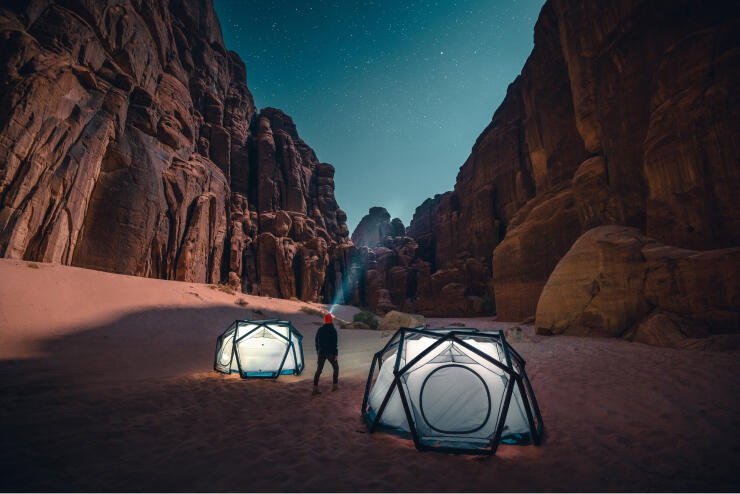
Creating a comfortable campsite is the foundation of a pleasant camping experience. Here’s how you can set up your campsite for maximum comfort:
1. Choose a Good Campsite: Look for a flat and level area to set up your tent. Avoid low-lying areas where water could accumulate during rain.
2. Clear the Area: Remove rocks, sticks, and other debris from the ground where you plan to set up your tent. This will make sleeping more comfortable and prevent damage to your tent.
3. Use a Ground Tarp: Place a waterproof ground tarp or footprint under your tent to provide an extra layer of protection against moisture and cold.
4. Invest in a Quality Tent: Choose a tent that suits your needs and the camping conditions. A spacious tent with proper ventilation and rainfly will enhance your comfort.
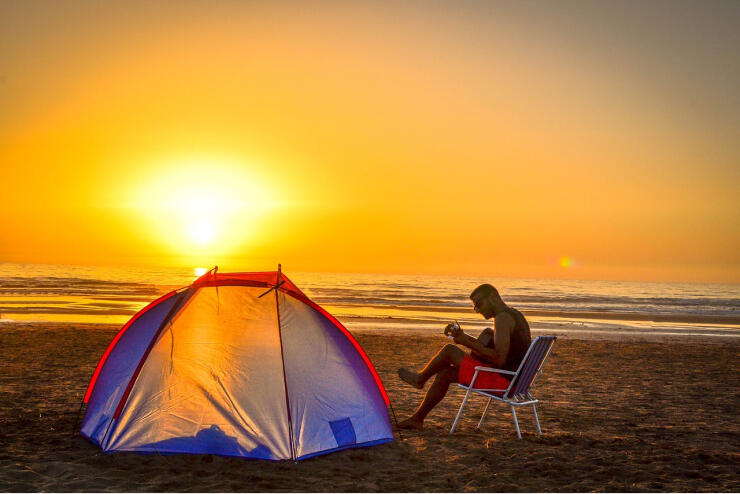
5. Camp Furniture: Bring along camp chairs, portable tables, and even a hammock to relax in during the day. This will give you a comfortable place to sit and enjoy meals.
6. Sleeping Comfort: Invest in a good quality sleeping bag and sleeping pad. A sleeping pad provides insulation from the ground and adds an extra layer of comfort.
7. Pillows and Blankets: Bring pillows and blankets from home to make your sleeping area more cozy.
8. Campsite Organization: Keep your campsite organized with designated areas for cooking, eating, and relaxation. This will prevent clutter and make your space more enjoyable.
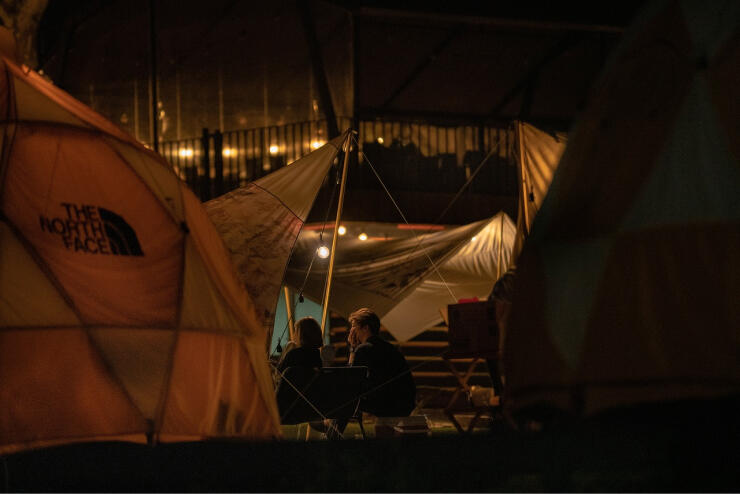
9. Lighting: Hang up string lights or bring lanterns to provide ambient lighting in the evening. This adds to the overall comfort and atmosphere of your campsite.
10. Privacy: Use tarps or screens to create a sense of privacy around your campsite. This can help you feel more relaxed and comfortable.
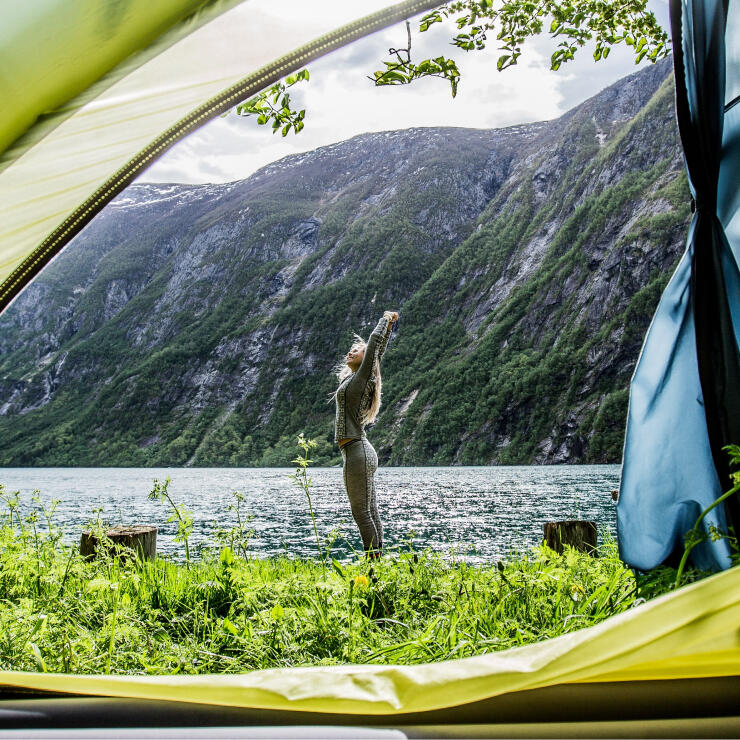
11. Natural Elements: Embrace the natural beauty around you. Set up your campsite near a scenic view, a babbling brook, or under the shade of trees.
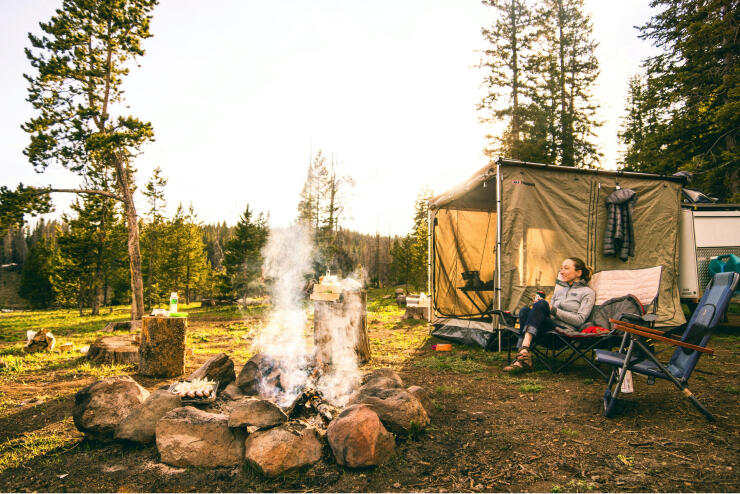
12. Campfire: A campfire not only provides warmth but also creates a cozy ambiance. Sit around the campfire, roast marshmallows, and share stories with friends and family.
Remember, the key to a comfortable campsite is careful planning and preparation. Taking the time to set up your campsite thoughtfully will greatly enhance your camping experience.
Setting Up Your Shelter
Setting up your shelter is a crucial step in creating a comfortable camping experience. Here’s a step-by-step guide to help you set up your tent or shelter effectively:
1. Choose the Right Location:
Look for a flat and level area to pitch your tent. Avoid low-lying areas where water might accumulate during rain.
Clear the area of rocks, sticks, and debris that could cause discomfort or damage the tent floor.
2. Lay Down a Ground Tarp:
Place a waterproof ground tarp or footprint under your tent. This adds an extra layer of protection against moisture and helps to extend the lifespan of your tent.
3. Lay Out the Components:
Lay out all the components of your tent, including the rainfly, poles, stakes, and guylines.
4. Assemble the Poles:
Follow the instructions provided with your tent to assemble the poles. This may involve sliding them through sleeves or attaching them to clips.
5. Attach the Rainfly:
If your tent has a rainfly, attach it to the tent body before raising the tent. The rainfly helps protect your tent from rain and provides better insulation.
6. Raise the Tent:
Start by raising the tent body and securing it with stakes.
Assemble the poles and insert them into the designated sleeves or clips.
Gently lift the poles to raise the tent. Make sure the poles are properly secured at their anchor points.
7. Stake Down the Tent:
Secure the corners of the tent with stakes, ensuring the tent is taut but not overly tight. This prevents flapping in windy conditions.
8. Adjust Guylines:
If your tent has guylines, use them to stabilize the tent and improve its stability in windy conditions.
9. Interior Setup:
Arrange your sleeping bags, sleeping pads, and other gear inside the tent.
Consider using gear lofts or pockets to keep small items organized and off the floor.
10. Ventilation:
Ensure that the tent’s windows, vents, and doors are properly positioned for ventilation. This helps prevent condensation inside the tent.
11. Test for Stability:
Once your tent is set up, give it a gentle shake and test its stability. Make any necessary adjustments to the stakes and guylines.
12. Enjoy Your Shelter:
Your shelter is now ready! You can relax, unwind, and enjoy the comfort of your well-prepared camping space.
Remember to follow the manufacturer’s instructions for setting up your specific tent model, as designs may vary. Taking the time to properly set up your shelter will provide a comfortable and enjoyable camping experience.
Creating a Cozy Sleeping Area
Creating a cozy sleeping area in your tent is essential for a comfortable camping experience. Here are steps to ensure a restful night’s sleep:
1. Quality Sleeping Gear:
Invest in a high-quality sleeping bag and sleeping pad. Choose bags with the right temperature rating for the season and location you’re camping in.
Opt for sleeping pads that provide insulation from the cold ground and extra cushioning.
2. Proper Tent Placement:
Position your tent so that it’s level and free from any rocks, roots, or uneven terrain that could cause discomfort while sleeping.
3. Insulate from the Ground:
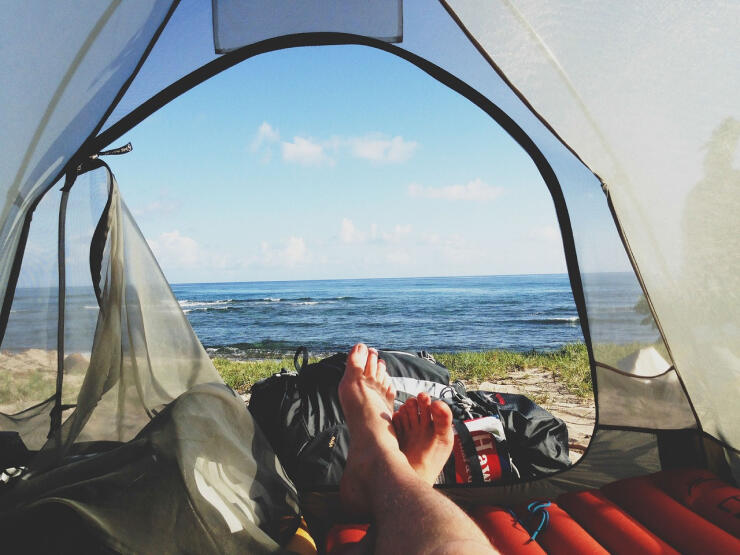
Lay a foam or inflatable sleeping pad inside your tent to insulate yourself from the cold ground.
Place an additional blanket or closed-cell foam pad under your sleeping pad for extra insulation.
4. Use Comfortable Bedding:
Bring comfortable pillows and soft blankets to make your sleeping area feel more like home.
If space allows, consider bringing a lightweight camping pillow for added neck support.
5. Arrange Your Sleeping Gear:
Lay your sleeping bag flat on top of the sleeping pad, making sure it’s centered and not folded.
Fluff up your sleeping bag’s insulation before getting in for the night.
6. Wear the Right Clothing:
Wear moisture-wicking base layers to regulate your body temperature and prevent sweating.
Keep a warm layer nearby to put on during the night if temperatures drop.
7. Ventilation and Condensation:
Proper tent ventilation helps reduce condensation inside the tent. Crack open tent vents or partially unzip the door for airflow.
8. Stay Dry:
Change out of damp or sweaty clothes before getting into your sleeping bag to stay warm and comfortable.
Keep rain gear and wet items outside the sleeping area to prevent moisture buildup.
9. Manage Noise and Light:
Use earplugs to block out noise if you’re camping in a noisy area.
An eye mask can help if early morning light is disrupting your sleep.
10. Relaxation Routine:
Establish a calming bedtime routine. Enjoy a warm beverage, read a book, or practice relaxation exercises before settling in.
11. Personalize Your Space:
Add personal touches to your sleeping area, such as a small lantern, a favorite book, or a cozy blanket.
12. Test It Out:
Before heading out on a longer camping trip, do a trial run in your backyard or a local campground to make sure your sleeping setup is comfortable.
By paying attention to the details and creating a welcoming and cozy sleeping area, you’ll be able to enjoy restful nights under the stars during your camping adventures.
Campsite Comfort Enhancements
To enhance your overall camping comfort beyond just your sleeping area, consider these campsite comfort enhancements:
1. Camp Furniture:
Bring portable chairs, camp tables, or hammocks to create comfortable lounging areas.
A foldable camp chair can provide a cozy spot to sit around the campfire.
2. Campfire Seating:
Arrange logs or rocks around the campfire to create comfortable seating.
Use camping cushions or small foam pads for extra cushioning.
3. Lighting:
Hang string lights, lanterns, or headlamps around your campsite to provide ambient lighting after dark.
A well-lit campsite can make it more welcoming and comfortable.
4. Camp Kitchen Organization:
Set up a designated cooking area with a camping kitchen table.
Use hanging storage pockets or bins to keep cooking utensils, spices, and kitchen tools organized.
5. Shade and Shelter:
Bring a portable canopy or tarp to create shade during hot days or shelter from light rain.
A shaded area can serve as a comfortable spot for relaxation.
6. Entertainment:
Pack books, board games, or a deck of cards for entertainment during downtime.
Engaging activities can make your campsite feel like a cozy retreat.
7. Relaxation Zones:
Create designated relaxation zones with blankets and cushions for reading, napping, or stargazing.
8. Mosquito Protection:
Set up a mosquito net or use citronella candles to keep pesky insects at bay.
9. Music and Ambiance:
Bring a portable Bluetooth speaker for playing music or nature sounds.
Music can add to the ambiance and make your campsite feel more comfortable.
10. Cooking Comfort:
Use a camping kitchen stand to elevate your stove and cooking area.
Prep and cook meals comfortably with everything at an ergonomic height.
11. Outdoor Rugs or Mats:
Place outdoor rugs or mats in front of your tent or seating area to create a cleaner and more comfortable space.
12. Personal Hygiene:
Set up a portable camp shower or bathing area for a refreshing experience.
Maintaining personal hygiene contributes to overall comfort.
13. Privacy Solutions:
Create privacy screens around your tent or changing area for a more comfortable and private camping experience.
By focusing on these additional comfort-enhancing elements, you’ll be able to create a cozy and enjoyable camping environment that caters to your relaxation and leisure needs.
Kitchen and Cooking Comfort
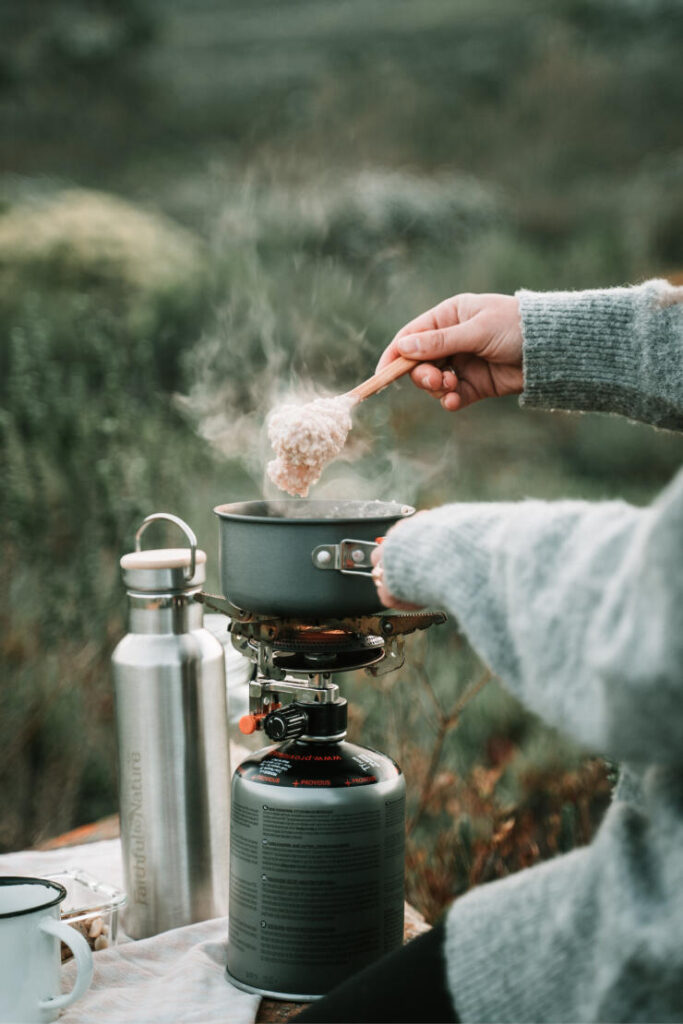
Creating a comfortable and efficient camp kitchen can significantly enhance your camping experience. Here’s how to make your kitchen and cooking area more comfortable:
1. Camping Kitchen Setup:
Use a portable camping kitchen table to provide a dedicated space for meal preparation and cooking.
Organize your cooking utensils, pots, pans, and ingredients for easy access.
2. Cooking Utensils:
Pack high-quality camping cooking utensils, such as spatulas, tongs, and knives, to make cooking more enjoyable and efficient.
Opt for utensils with long handles to prevent burns and ensure safety.
3. Camp Stove:
Choose a reliable and efficient camp stove that suits your cooking needs.
A camp stove with multiple burners allows you to cook different dishes simultaneously.
4. Cooking Accessories:
Bring accessories like a portable grill, griddle, or Dutch oven for versatile cooking options.
These accessories expand your menu possibilities and add convenience.
5. Food Prep Area:
Set up a designated area for food prep with a cutting board and knife.
Keep everything organized to streamline the cooking process.
6. Comfortable Seating:
Place camping chairs or stools near the cooking area so you can comfortably monitor your food as it cooks.
Seating also allows you to enjoy the cooking process and socialize with fellow campers.
7. Cooking Shelters:
Consider setting up a shelter or canopy over the cooking area to provide shade and protection from the elements.
This shelter ensures that you can cook comfortably regardless of the weather.
8. Lighting:
Hang lanterns or use headlamps to provide sufficient lighting for cooking after dark.
Proper lighting makes cooking safer and more enjoyable.
9. Meal Planning:
Plan simple and delicious camping meals that are easy to prepare.
Prepping ingredients in advance can save time and make cooking more relaxed.
10. Cleaning Station:
Set up a washing station with biodegradable soap, water, and a basin for cleaning dishes and utensils.
Keeping a clean and organized kitchen area contributes to comfort.
11. Cooking Comfort Foods:
Prepare comfort foods that you enjoy at home. The familiarity of these dishes can enhance the camping experience.
12. Enjoyable Atmosphere:
Play music or have conversations while you cook to create a pleasant atmosphere.
Cooking can become a social and enjoyable activity.
By focusing on these kitchen and cooking comfort tips, you’ll be able to prepare delicious meals in a convenient and enjoyable manner, making your camping trips even more memorable.
Personal Hygiene
Maintaining personal hygiene while camping is essential for your comfort and well-being. Here are some tips to help you stay clean and fresh during your outdoor adventure:
1. Choose a Suitable Campsite:
Look for a campsite with access to clean water sources, such as rivers or lakes, for bathing and washing.
2. Biodegradable Soap and Shampoo:
Use biodegradable soap and shampoo to minimize the environmental impact of bathing in natural water sources.
3. Pack Essentials:
Bring a portable camping shower, wet wipes, and a small towel to help you freshen up.
4. Quick Cleansing:
If you don’t have access to water for a full shower, use wet wipes to clean your body and face.
5. Cat Hole or Portable Toilet:
If there are no toilet facilities, dig a small cat hole for waste disposal, and cover it properly afterward.
Alternatively, bring a portable toilet for more comfort and hygiene.
6. Hand Sanitizer:
Keep a bottle of hand sanitizer handy for cleaning your hands before meals and after using the restroom.
7. Dental Hygiene:
Brush your teeth using a biodegradable toothbrush and toothpaste away from water sources to prevent contamination.
8. Washing Clothes:
Pack extra clothes so you can change regularly. Wash clothes in a water source using biodegradable soap, or opt for quick-dry clothing.
9. Disposable Bags:
Carry disposable trash bags to properly dispose of used toilet paper and hygiene products.
10. Camp Soap and Water Basin:
Set up a designated area for washing hands and face by placing a basin with water and camp soap.
11. Hair Care:
If you have long hair, tie it back or wear a hat to keep it out of your face and food.
12. Bug Protection:
Use insect repellent to prevent bug bites, and wear long sleeves and pants to minimize exposure.
13. Sun Protection:
Apply sunscreen regularly to protect your skin from sunburn.
14. Maintain Campsite Cleanliness:
Keep your campsite clean to prevent attracting insects and animals that can disrupt your personal hygiene efforts.
15. Respect Nature:
Always follow Leave No Trace principles, and avoid contaminating water sources with soap or waste.
By practicing good personal hygiene habits, you can enjoy a more comfortable camping experience while minimizing your impact on the environment.
Clothing and Footwear
Paying attention to your clothing and footwear choices can significantly contribute to your comfort while camping. Here are some tips to help you stay comfortable in the great outdoors:
1. Choose Moisture-Wicking Clothing:
Opt for clothing made from moisture-wicking materials that help keep sweat away from your skin, keeping you dry and comfortable.
2. Layering:
Wear multiple layers so you can adjust your clothing to changing temperatures. A moisture-wicking base layer, insulating middle layer, and weather-resistant outer layer are ideal.
3. Avoid Cotton:
Cotton clothing retains moisture and can make you feel cold and uncomfortable. Choose synthetic or wool fabrics instead.
4. Pack Extra Socks and Underwear:
Keeping your feet and undergarments clean and dry is essential for overall comfort. Pack extra pairs to change into when needed.
5. Hat and Sunglasses:
Protect yourself from the sun by wearing a wide-brimmed hat and sunglasses with UV protection.
6. Rain Gear:
Pack waterproof or water-resistant outerwear, such as a rain jacket and pants, to stay dry during wet weather.
7. Comfortable Footwear:
Choose sturdy and comfortable hiking boots or trail shoes that provide adequate support and protection for your feet.
8. Sock Choice:
Wear moisture-wicking and cushioned socks that help prevent blisters and keep your feet dry.
9. Sandals or Camp Shoes:
Bring a pair of lightweight sandals or camp shoes to wear around the campsite after removing your hiking boots.
10. Cold Weather Clothing:
If camping in cold weather, pack thermal layers, gloves, a beanie, and a warm jacket to stay cozy.
11. Sun Protection Clothing:
Consider wearing lightweight, long-sleeved shirts and pants with UPF protection to shield your skin from the sun.
12. Clothing for Bug Protection:
Insect-repellent clothing or clothing treated with insect repellent can help keep bugs away.
13. Comfortable Sleepwear:
Wear comfortable sleepwear to ensure a good night’s sleep.
Remember that your clothing and footwear choices should be suitable for the environment and weather conditions of your camping destination. By prioritizing comfort and functionality, you can fully enjoy your outdoor experience.
Entertainment and Relaxation
Bringing along entertainment and relaxation options can greatly enhance your camping experience. Here are some ideas to help you stay entertained and relaxed during your trip:
1. Books and Magazines:
Bring your favorite books, magazines, or e-readers to enjoy some leisurely reading by the campfire or in a cozy hammock.
2. Card Games and Board Games:
Pack lightweight and compact card games or travel-sized board games for fun group activities.
3. Musical Instruments:
If you play a musical instrument, consider bringing a portable one like a guitar or harmonica for campfire sing-alongs.
4. Outdoor Sports Equipment:
Depending on your interests, bring along equipment for activities like frisbee, soccer, or badminton to play with friends and family.
5. Nature Observation:
Spend time observing wildlife, identifying birds, and appreciating the natural beauty around you.
6. Stargazing:
Bring a telescope or simply lay down and gaze at the stars in the night sky. Consider downloading a stargazing app to help identify constellations.
7. Meditation and Yoga:
Practice meditation and yoga to unwind and connect with nature. You can find many guided meditation apps and videos suitable for outdoor settings.
8. Sketching or Painting:
If you enjoy art, bring a sketchbook or watercolors to capture the scenic landscapes.
9. Photography:
Capture memories with a camera or smartphone and experiment with different photography techniques.
10. Journaling:
Document your camping experiences, thoughts, and feelings in a journal.
11. Fishing:
If you’re near water, fishing can be a relaxing and rewarding way to spend your time.
12. Hiking and Exploring:
Go for leisurely hikes or walks to explore the natural surroundings and clear your mind.
13. Hammock Relaxation:
Set up a hammock between trees and spend lazy afternoons relaxing and napping.
14. Starlit Movie Night:
Bring a portable projector and screen to watch movies under the stars.
15. Campfire Stories:
Share stories and experiences around the campfire, creating a sense of connection and camaraderie.
Remember that the goal of entertainment and relaxation while camping is to disconnect from the digital world and embrace the serenity of the outdoors. Choose activities that align with your interests and help you unwind in the wilderness.
Conclusion
Creating a comfortable and enjoyable camping experience is all about preparation and mindset. By following the tips and suggestions provided in this guide, you can elevate your camping trip from basic survival to a memorable and rejuvenating adventure. Remember that camping is an opportunity to disconnect from the hustle and bustle of everyday life, connect with nature, and create lasting memories with friends and family. From setting up your campsite to choosing the right gear, planning your meals, and embracing outdoor activities, every aspect contributes to making your camping trip more comfortable, safe, and enjoyable. So, pack your bags, embrace the great outdoors, and savor the simple pleasures of camping!


 How To Go Glamping And Is It Expensive?
 How To Wash Dishes While Camping
 How Much Water Do I Need To Bring While Camping?