Glamping is a portmanteau of “glamorous” and “camping.” At its core, it is a style of camping that emphasizes comfort, luxury, and unique experiences while still providing a connection to the natural world. It is designed for those who want to appreciate the beauty of the outdoors without sacrificing the amenities and comforts of home or even a boutique hotel.
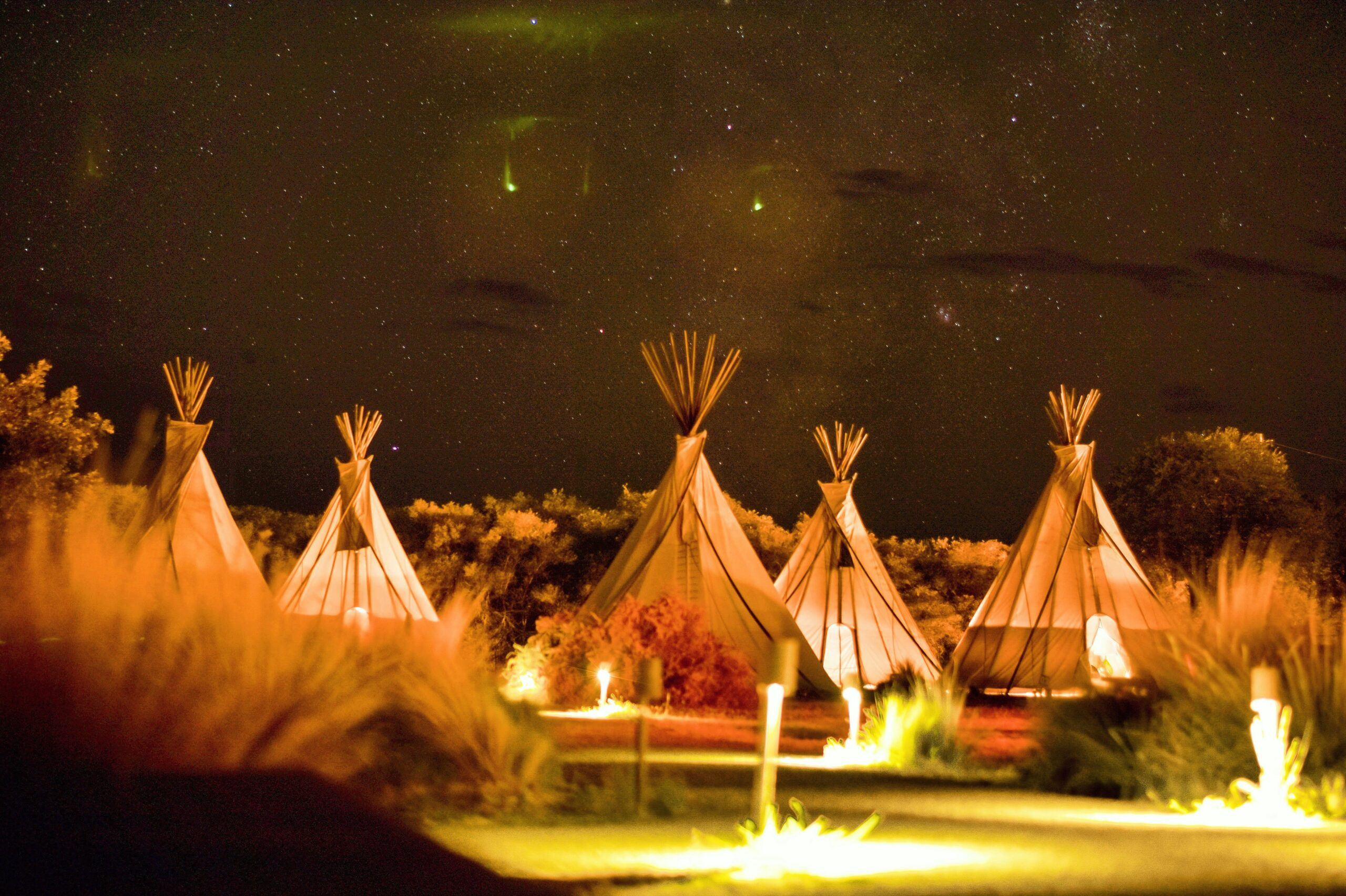
Unlike traditional camping, where you might sleep on the ground in a basic tent you pitch yourself, glamping accommodations are typically pre-setup, more substantial, and well-appointed. The range of structures is vast and creative, moving far beyond a simple tent. Common glamping accommodations include:
The key differentiator is the elevation of the experience. Glamping incorporates amenities that are rare in traditional camping, such as proper beds, electricity, WiFi, private hot tubs, en-suite bathrooms, gourmet meal delivery, and concierge services. It’s about immersing yourself in nature without having to “rough it.”
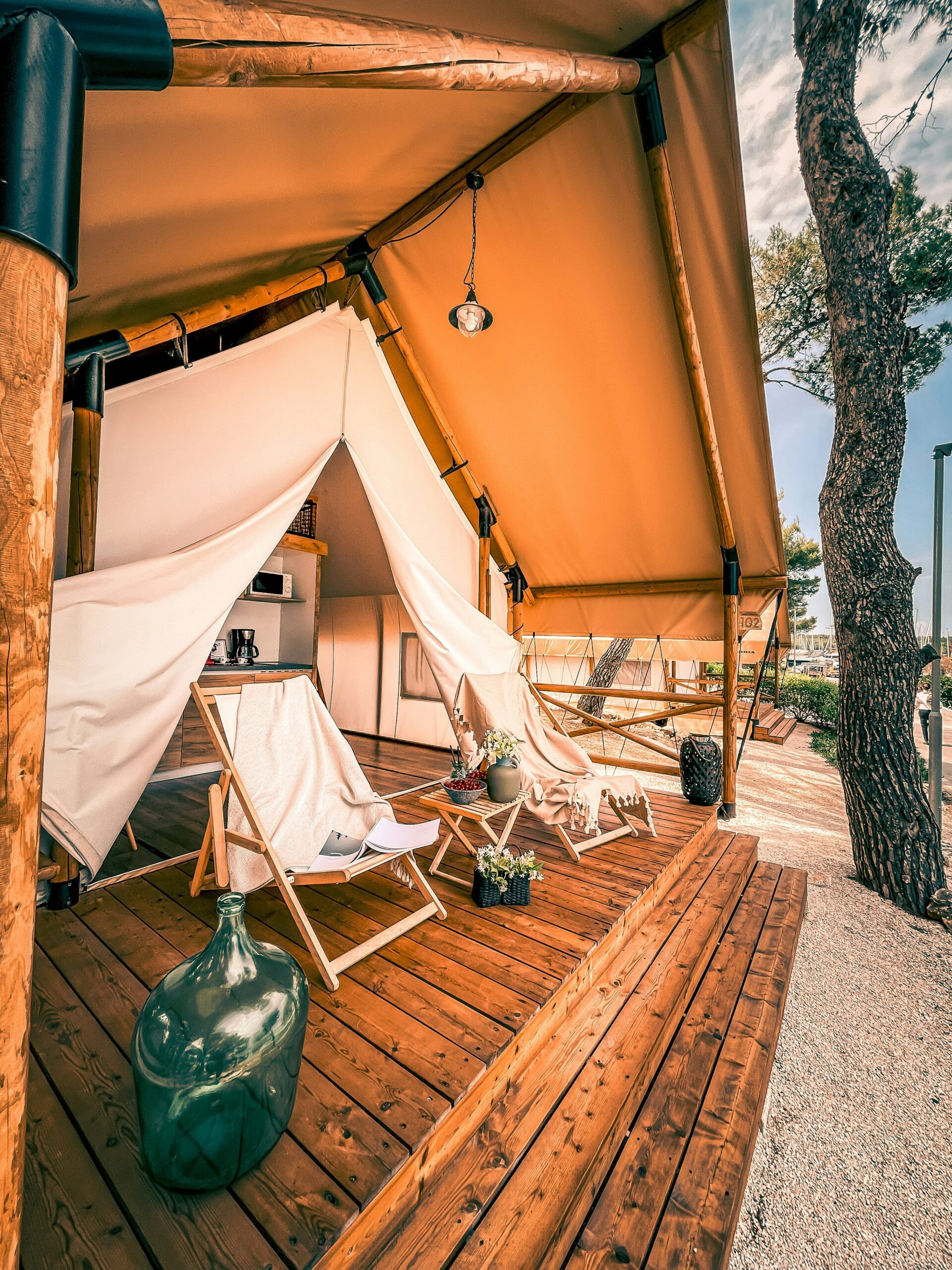
Planning a glamping trip involves deciding between a curated resort experience and a more independent, do-it-yourself approach. Your choice will shape your planning process, budget, and overall adventure.
Option 1: Booking a Glamping Resort or Rental
This is the most popular and hassle-free way to go glamping. Companies like Under Canvas, AutoCamp, and Collective Retreats operate resorts with high-end, pre-set accommodations near popular destinations like national parks.
Option 2: The DIY Glamping Approach
If you already enjoy camping or want a more personalized and potentially budget-friendly trip, you can create your own glamping experience. This involves upgrading your standard camping setup with comforts and style.
Regardless of which path you choose, planning is key. For resorts, book well in advance, especially for peak seasons. For DIY glamping, make a checklist of all the gear and decor you’ll need to bring to create your perfect outdoor sanctuary.
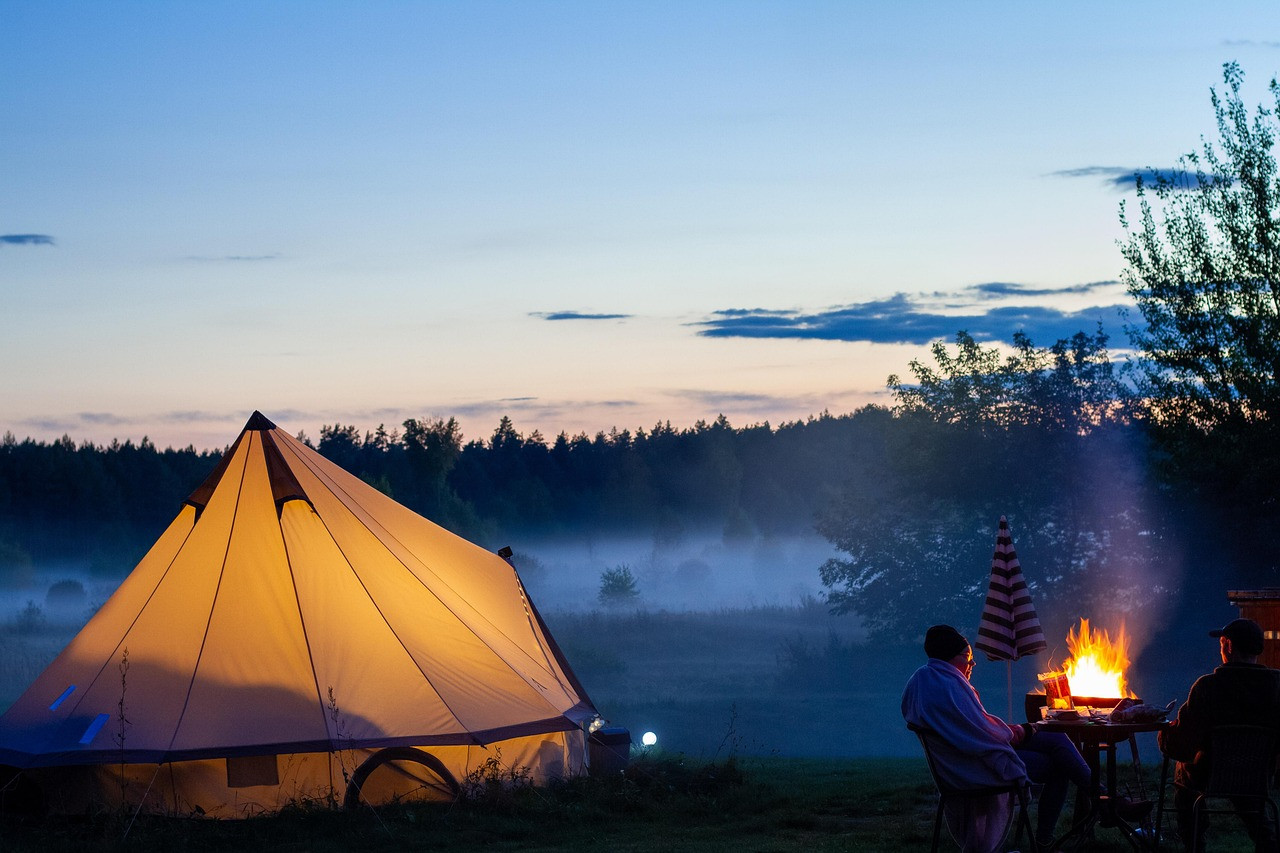
The cost of a glamping experience is incredibly varied, ranging from a slightly upgraded camping trip to a five-star luxury retreat. This wide spectrum means there is likely an option for almost every budget, but understanding the tiers is key to setting expectations.
Budget Glamping ($50 – $150 per night)
At this level, glamping is essentially comfort-focused camping. Accommodations are often basic safari tents, small pods, or rustic cabins on a private or shared platform. They typically include a real bed or sturdy cot with basic bedding, a simple side table, and access to shared bathroom and kitchen facilities. You are paying for the structure and a more comfortable bed, but the experience remains quite rustic. This is a common price point for DIY glamping where you provide your own amenities.
Mid-Range Glamping ($150 – $400 per night)
This is the most common tier for a full-service glamping experience. For this price, you can expect a well-appointed and unique structure like a geodesic dome, yurt, or airstream trailer. Amenities often include electricity, heating, private outdoor spaces like a deck or patio, a fire pit, and a more stylish interior. Bathrooms may still be shared or private but basic. Some sites include added-value offerings like a welcome basket, breakfast, or unique features like animal encounters.
Luxury Glamping ($400 – $2,000+ per night)
This tier represents the high end of the market, where glamping blends seamlessly with a luxury resort experience. Accommodations are spacious, architecturally unique, and feature high-end finishes. Expect full en-suite bathrooms with hot running water, private hot tubs, king-sized beds with premium linens, kitchenettes, and climate control. This price often includes exceptional locations with stunning views, high levels of privacy, and additional services like daily housekeeping, private chefs, or guided adventure activities. The cost reflects unparalleled comfort, exclusivity, and service in a natural setting.
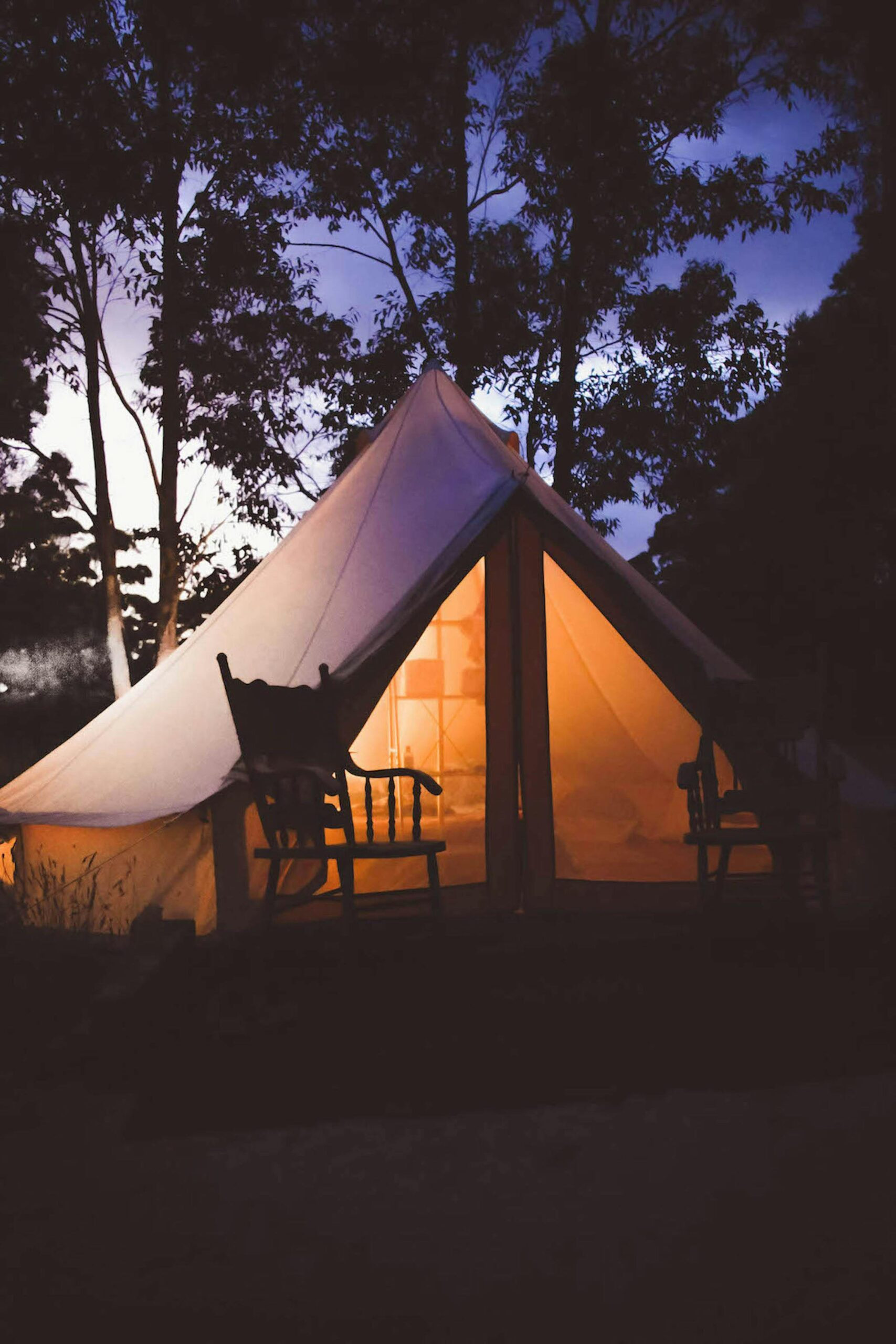
The high cost of glamping, especially at luxury resorts, can be surprising at first glance. However, the price tag is a reflection of the significant investment, operational expenses, and unique value proposition behind the experience. Here are the key factors that justify the cost.
Infrastructure and Amenities
Unlike a simple tent, glamping structures like geodesic domes, yurts, or custom-built pods are complex and expensive to manufacture, transport, and install. They are designed to be durable, weatherproof, and aesthetically pleasing. Furthermore, outfitting them with real beds, high-quality linens, furniture, electricity, plumbing, heating, and air conditioning involves a substantial upfront cost that far exceeds that of a standard campsite.
Location and Land
Prime real estate is a major cost driver. Glamping sites are often situated in spectacular, sought-after locations with breathtaking views—near national parks, on private waterfronts, or in secluded forests. Securing and maintaining these plots of land is expensive. The price also includes ensuring the site has proper access roads, drainage, and minimal environmental impact.
Operational Costs
Running a glamping site is akin to running a hotel. Expenses include property maintenance, utilities, insurance, permits, and licensing fees. A significant portion of the cost goes towards staffing: cleaners, groundskeepers, maintenance personnel, and guest services staff are all essential to maintaining the high standards of comfort and service that guests expect. These ongoing operational costs are factored into the nightly rate.
The Experience and Exclusivity
You are not just paying for a place to sleep; you are paying for a curated experience and exclusivity. The value is in the opportunity to immerse yourself in nature without the hassle of planning, setting up camp, or cleaning. Many sites offer unique activities like stargazing tours, yoga sessions, or private guided hikes. The limited number of structures also ensures privacy and a sense of seclusion, which commands a premium price.
In essence, glamping costs more because it combines the expense of high-end accommodation with the logistical challenges of providing services in a remote outdoor setting, all while delivering a unique and memorable experience.
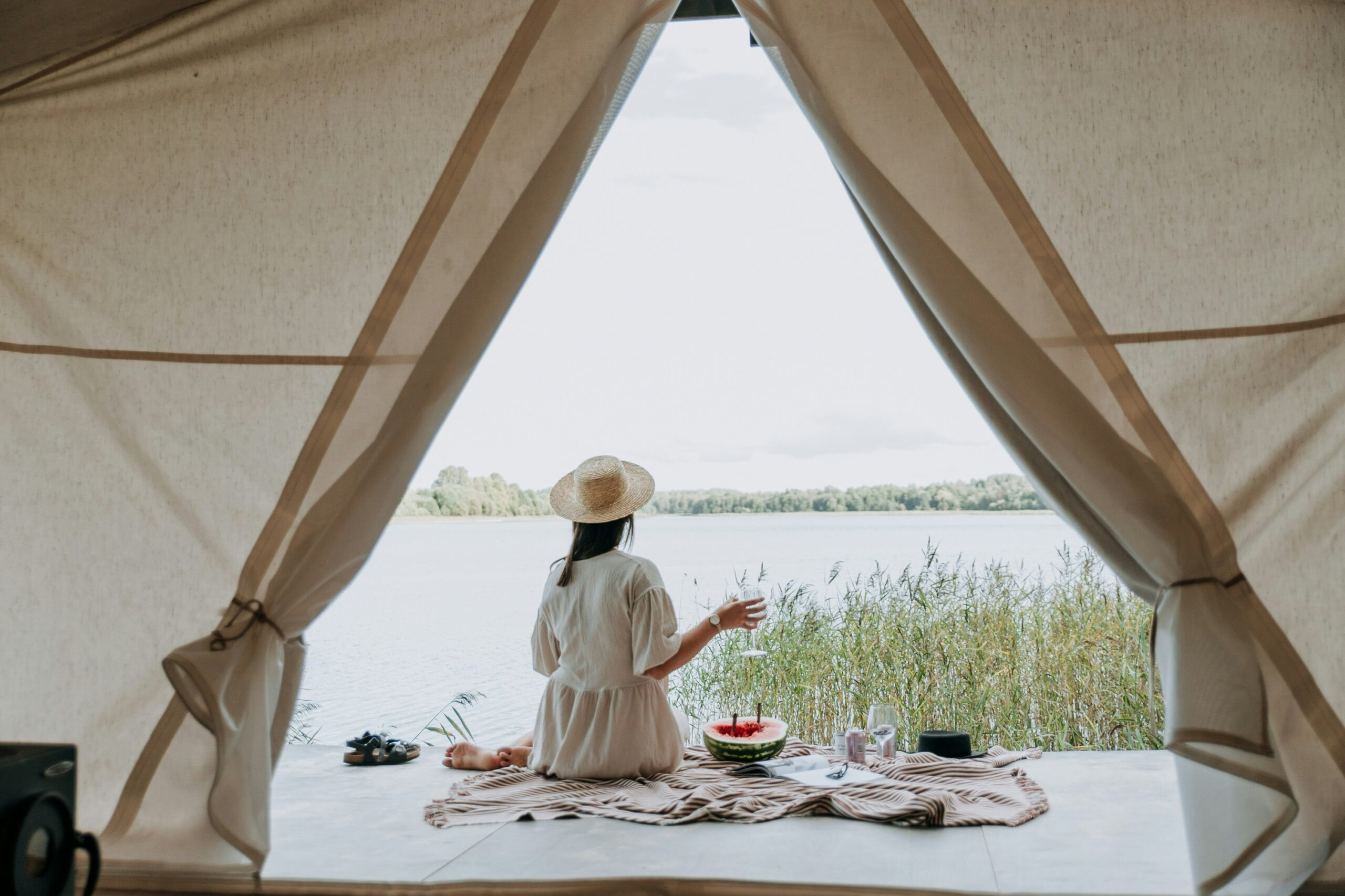
You don’t need to book a luxury resort to enjoy the comforts of glamping. With some creativity and strategic planning, you can transform a basic camping trip or even a backyard adventure into a glamorous retreat without the high price tag. The core idea is to enhance comfort and ambiance using what you already have or can acquire inexpensively.
Focus on the Bedroom
The most important upgrade is your sleep system. Ditch the cramped sleeping bag and thin pad. Instead, use a high-quality air mattress, a camping cot, or even a fold-up mattress topper. Layer it with soft sheets, a cozy comforter, and most importantly, plenty of pillows. This single change makes the biggest difference in feeling like you’re glamping rather than camping.
Create a Cozy Atmosphere
Lighting is the easiest way to transform a space. String up battery-powered fairy lights or lanterns around your tent, awning, or nearby trees to create a magical evening ambiance. Bring an outdoor rug to define your living area and keep dirt out. Arrange comfortable camp chairs around a central fire pit or a low table to create an inviting outdoor living room.
Gourmet Camp Cooking
Elevate your meals. Pack a cooler to bring fresh ingredients for more elaborate recipes cooked on a camp stove or over the fire. Use real plates and utensils instead of disposable ones. A French press or a pour-over coffee kit makes your morning brew feel special. Simple touches like pre-mixed cocktails in a mason jar or a s’mores bar with different chocolates and candies add a luxurious feel.
Source Gear Smartly
You do not need to buy everything new. Borrow key items like larger tents, camp stoves, or lanterns from friends and family. Shop at thrift stores, garage sales, or online marketplaces for unique, low-cost decor like vintage blankets, colorful pillows, and durable trays. Repurpose items from home, such as using a wooden crate as a side table or hanging a sheer scarf as a decorative canopy.
The goal of DIY glamping is to personalize your space and prioritize comfort, effectively building your own boutique outdoor hotel room with a mix of cleverness and thriftiness.
Whether glamping is worth the expense is a personal calculation that depends on your priorities, budget, and what you value in a vacation. It is not inherently a good or bad value; its worth is determined by what you seek to get out of the experience.
When Glamping is Worth the Investment
Glamping provides exceptional value for those who want to immerse themselves in nature without the hassle, discomfort, and time investment of traditional camping. It is worth the price if you prioritize:
When Traditional Camping Might Be a Better Value
The premium cost of glamping may not be justified if:
The Verdict
Ultimately, glamping is worth the price if you view it as a unique form of accommodation that merges the best of hotels and camping. You are paying for an experience that delivers the beauty of the natural world with the comfort and convenience of a curated retreat. It is an investment in comfort, convenience, and memory-making, not just a place to sleep. For those who can afford it and value what it offers, the cost is often justified.
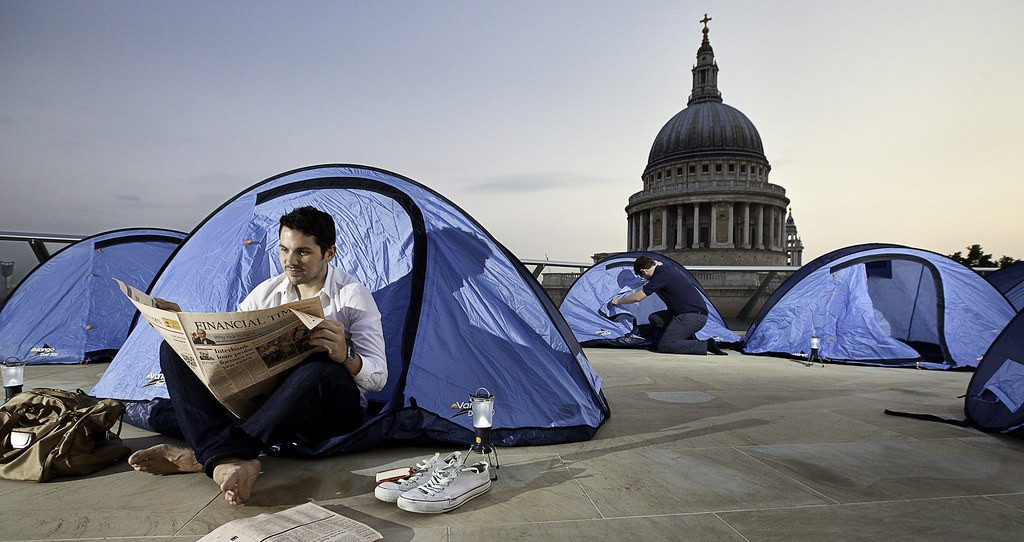
Camping focuses on a rustic, ‘roughing it’ experience with basic gear you bring yourself. Glamping (glamorous + camping) provides a pre-set, comfortable, and often luxurious outdoor accommodation with amenities like real beds, electricity, and stylish decor.
Prices vary widely. A basic glamping stay can start around $50-$150 per night, while mid-range experiences average $150-$400. Luxury glamping with high-end amenities and locations can cost from $400 to over $2,000 per night.
Yes. You can create a DIY glamping experience by upgrading your own camping setup with comfortable bedding, string lights, rugs, and gourmet camp meals. Borrowing gear and shopping second-hand for decor can also keep costs low.
It depends on your priorities. Glamping is worth it if you value convenience, unique accommodations, comfort, and a hassle-free way to experience nature. Traditional camping is more budget-friendly if you already own gear and enjoy a more self-sufficient outdoor experience.
 How To Wash Dishes While Camping
 How Much Water Do I Need To Bring While Camping?
 How To Make Camping More Comfortable