Venturing into the great outdoors for a camping adventure brings you closer to nature, offers a break from the hustle of daily life, and provides a chance to unwind and recharge. Amidst the excitement of planning your camping trip, it’s essential to prioritize one of the most vital elements for your well-being: water. Staying properly hydrated is not only crucial for your comfort but also plays a pivotal role in ensuring your safety and enjoyment during your outdoor experience.
In this guide, we will delve into the question that often arises among campers: “How much water do I need to bring while camping?” Understanding your water needs involves considering various factors that influence your hydration requirements, such as the intensity of physical activities, prevailing weather conditions, the altitude of your camping destination, and individual hydration habits. By accurately assessing these factors, you’ll be better equipped to calculate the right amount of water to carry for drinking, cooking, and cleaning throughout your camping journey.
Whether you’re embarking on a short weekend getaway or a longer expedition into the wilderness, the knowledge you gain from this guide will empower you to make informed decisions about your water consumption, ensure proper hydration, and contribute to a safe and enjoyable camping experience.
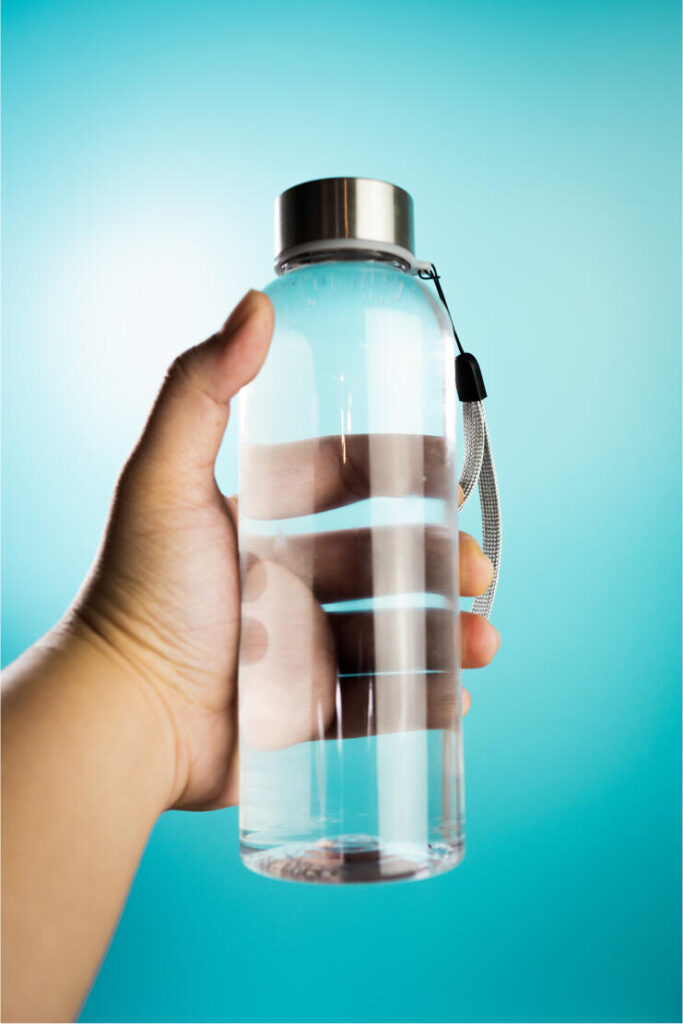
When it comes to determining how much water you need to bring while camping, several factors come into play. Understanding these factors will help you accurately estimate your hydration requirements and ensure that you stay adequately hydrated throughout your outdoor adventure. Here are the key factors that influence your water needs while camping:
Activity Level:
Weather Conditions:
Altitude:
Individual Factors:
Hydration Habits:
Duration of Stay:
Intensity of Activities:
Clothing and Gear:
Time of Day:
Urination Frequency:
Understanding these factors and their influence on your water requirements will help you make informed decisions about how much water to bring while camping. By taking these variables into account, you’ll be better equipped to stay properly hydrated and enjoy a comfortable and safe outdoor experience.
Calculating your water requirements while camping involves considering factors such as your body weight, activity level, and the environmental conditions of your camping destination. By using a simple formula, you can estimate the amount of water you’ll need to stay properly hydrated throughout your trip. Here’s a step-by-step guide to help you calculate your daily water needs:
Step 1: Determine Your Body Weight:
Step 2: Assess Your Activity Level:
Step 3: Adjust for Environmental Conditions:
Step 4: Convert to Milliliters (Optional):
Step 5: Calculate for Each Day:
Step 6: Plan for Extra Water:
By following this formula and adjusting for individual factors, you’ll be able to estimate how much water you should bring for each day of your camping trip. Remember that staying properly hydrated is crucial for your well-being, so it’s better to err on the side of bringing a little more water than you think you’ll need. This calculation will serve as a valuable guideline to ensure you have enough water for drinking, cooking, and cleaning throughout your camping adventure.
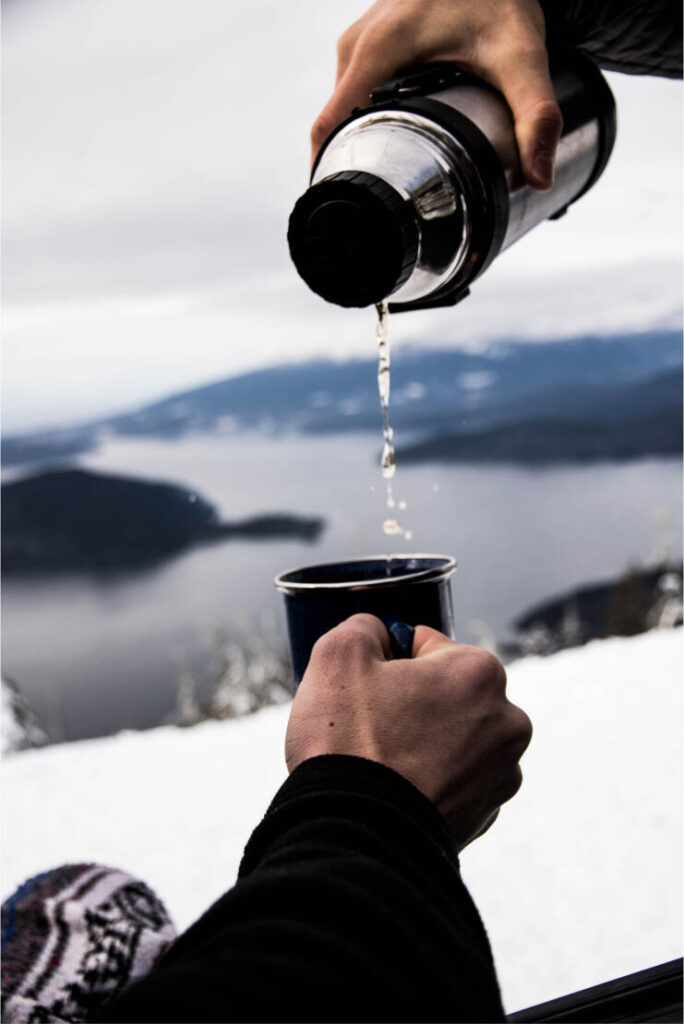
Staying properly hydrated is paramount to your well-being while camping. Dehydration can lead to discomfort, fatigue, and even more serious health issues. Ensuring that you have enough water for drinking is essential to maintain your energy levels, cognitive function, and overall enjoyment of your outdoor experience. Here’s what you need to know about water for hydration while camping:
Importance of Hydration:
Signs of Dehydration:
Preventing Dehydration:
Sip Regularly:
Electrolyte Balance:
Staying Hydrated in Cold Weather:
Water Intake During Activities:
Personal Hydration Habits:
Sharing Hydration Tips:
By prioritizing hydration and consuming water consistently throughout your camping trip, you’ll be better equipped to maintain your energy levels, focus, and overall well-being. Carry a reusable water bottle or hydration system with you at all times to ensure easy access to clean and safe drinking water. By doing so, you’ll set the foundation for an enjoyable and comfortable camping experience.
While camping, water isn’t just essential for drinking and hydration; it’s also needed for cooking meals and cleaning utensils. Properly planning for water usage in these activities will ensure that you have enough water for all aspects of your camping trip. Here’s what you need to know about water for cooking and cleaning:
Water for Cooking:
Estimating Cooking Water:
Water for Cleaning:
Dishwashing Techniques:
Conserving Water:
Reusing Cooking Water:
Disposing of Graywater:
Consider Ready-to-Eat Foods:
By estimating the water needed for cooking and cleaning, you’ll ensure that you’re well-prepared to manage these aspects of your camping trip. Efficient use of water for cooking and cleaning allows you to conserve this valuable resource while still enjoying delicious meals and maintaining a clean campsite.
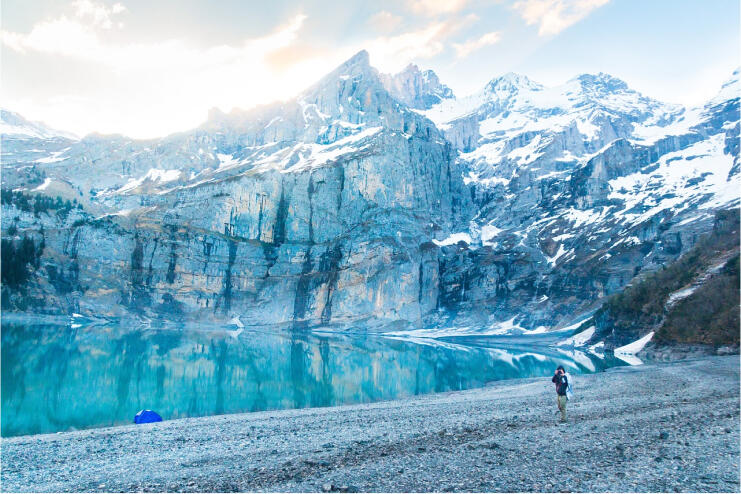
When camping, knowing where to find sources of clean and safe water is crucial. Natural water sources like streams, rivers, and lakes can provide the water you need for drinking, cooking, and cleaning. However, it’s important to ensure that the water is free from contaminants before using it. Here’s how to identify and use different sources of water while camping:
Natural Water Sources:
Check Water Quality:
Avoid Polluted Areas:
Use Portable Water Filters:
Boiling Water:
Carrying Water:
Respecting the Environment:
Emergency Water Reserves:
Water Conservation:
By identifying and responsibly using water sources, you’ll be able to obtain the water you need for various activities during your camping trip. Prioritize your safety by ensuring that the water you consume is properly treated or filtered to prevent waterborne illnesses. Being knowledgeable about water sources and treatment methods will contribute to a successful and enjoyable camping experience.
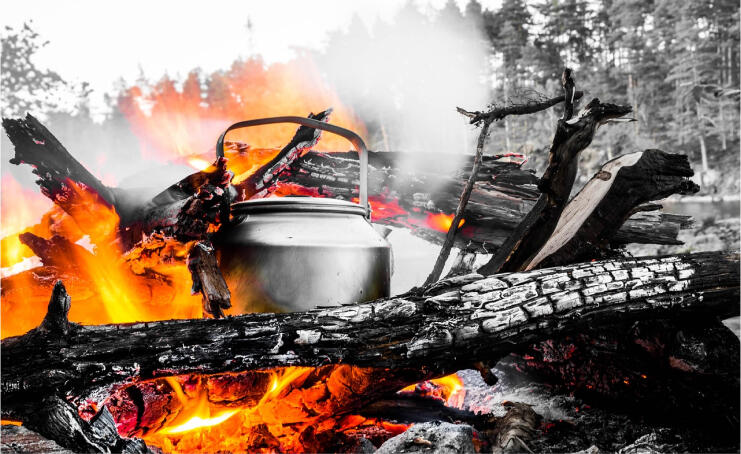
Ensuring the safety of the water you consume while camping is paramount. Even if a water source appears clean, it may still contain harmful microorganisms that can lead to waterborne illnesses. Proper water treatment and purification methods are essential to guarantee the health and well-being of everyone on your camping trip. Here’s how to effectively treat and purify water in the outdoors:
Boiling Water:
Water Filters:
Chemical Treatment:
UV Water Purifiers:
Combination Methods:
Follow Manufacturer’s Instructions:
Pack Extra Treatment Supplies:
Test the Treated Water:
Dispose of Packaging Properly:
By using effective water treatment and purification methods, you can confidently consume water from natural sources without risking your health. Be prepared to treat water not only for drinking but also for cooking and cleaning to prevent the spread of contaminants. Prioritize the safety and well-being of yourself and your fellow campers by practicing proper water treatment techniques.
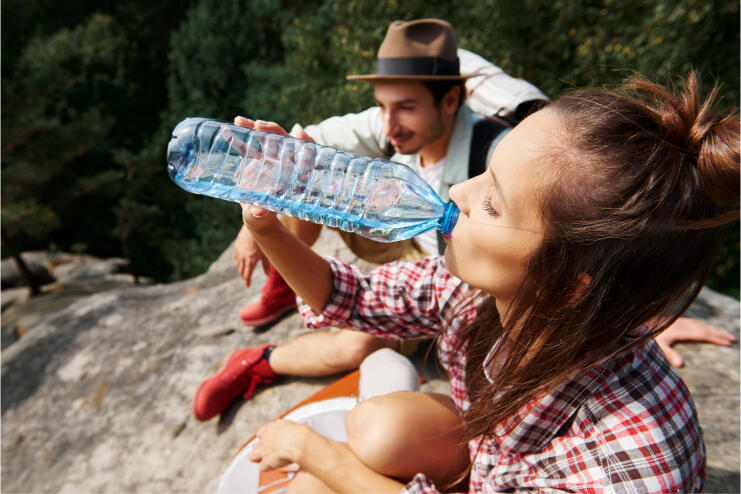
Properly packing water for your camping trip is essential to ensure you have enough clean and safe water for drinking, cooking, and cleaning. Carrying an appropriate amount of water while considering weight and space constraints will help you stay hydrated and comfortable throughout your outdoor adventure. Here’s how to effectively pack water for your camping trip:
Reusable Water Bottles:
Hydration Bladders:
Collapsible Water Containers:
Estimate Daily Needs:
Pack Extra Water:
Consider Water Sources:
Distribute Weight:
Reusable Water Filter:
Emergency Reserves:
Hydration Strategy:
By packing water thoughtfully, you ensure that you have enough to meet your hydration needs without carrying excess weight. Prioritize comfort and convenience by choosing water containers that are easy to access and refill. Remember that staying properly hydrated contributes to your overall well-being and enhances your camping experience.
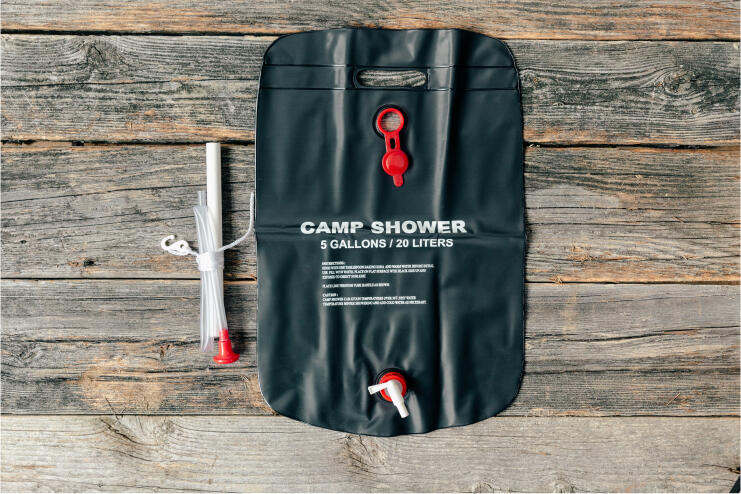
Conserving water while camping is not only environmentally responsible but also practical, especially in areas where water sources are limited. Practicing water conservation ensures that you’re making the most of your available resources and minimizing your impact on the environment. Here are some water conservation tips to consider during your camping trip:
Plan Meals Wisely:
Use Efficient Cookware:
Reuse Water:
Collect Rainwater:
Mindful Dishwashing:
Limit Personal Hygiene Water:
Quick Showers:
Use Biodegradable Soap:
Fix Leaks:
Leave No Trace:
By adopting water conservation practices, you’re not only reducing your impact on the environment but also ensuring that you have enough water for essential activities throughout your camping trip. Responsible water usage is an integral part of ethical camping and contributes to the sustainability of natural ecosystems.
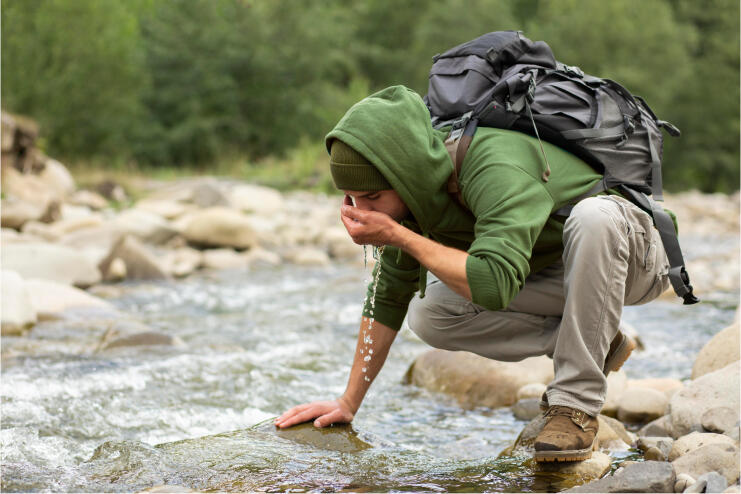
While planning for your camping trip, it’s important to anticipate unexpected situations that might disrupt your access to clean water. Having an emergency water supply on hand ensures that you’re prepared for any scenario that might arise during your outdoor adventure. Here’s how to create and manage an emergency water supply while camping:
Extra Water Reserves:
Portable Water Filters:
Water Purification Tablets:
Emergency Water Storage:
Emergency Planning:
Communication:
Responsible Usage:
Replace Used Water:
Check Equipment:
Weather Awareness:
By having an emergency water supply and the necessary equipment to treat water, you’re taking proactive steps to ensure your safety in unforeseen circumstances. While it’s unlikely that you’ll need to rely on your emergency water, being prepared can make a significant difference in the event of an unexpected challenge during your camping trip.
In the world of camping, water is more than just a basic necessity; it’s a lifeline that sustains your well-being and enhances your outdoor experience. From staying hydrated to cooking meals and cleaning utensils, water plays a central role in every aspect of your camping adventure. By understanding your water needs, conserving this precious resource, and employing proper water treatment methods, you can ensure a safe, comfortable, and responsible camping journey.
Consider the factors that affect your water requirements, such as activity level, weather conditions, and altitude. Calculate your daily water needs using a simple formula based on these factors, and always err on the side of carrying a little extra water to handle unexpected situations. Plan for water not only for drinking but also for cooking and cleaning, and remember that natural water sources can provide a reliable supply if treated correctly.
Prioritize responsible water usage by practicing Leave No Trace principles, conserving water whenever possible, and disposing of waste properly. Be prepared for emergencies by having an emergency water supply and reliable water treatment methods as part of your camping gear.
Ultimately, mastering the art of water management while camping contributes to a more enjoyable and ethical outdoor experience. By following these guidelines, you’ll not only ensure your own well-being but also contribute to the preservation of the natural beauty you’ve come to appreciate during your camping adventures. Stay hydrated, stay responsible, and make the most of your time in the great outdoors.
 How To Go Glamping And Is It Expensive?
 How To Wash Dishes While Camping
 How To Make Camping More Comfortable