When it comes to camping and outdoor adventures, a clean sleeping bag is essential for a comfortable and hygienic experience. Over time, sleeping bags can accumulate dirt, sweat, and odor, making it necessary to wash them regularly. Properly washing a sleeping bag ensures its longevity and performance. In this article, we will guide you through the steps to effectively wash your sleeping bag, whether it’s synthetic or down-filled, to maintain its cleanliness and insulation. Let’s dive in and learn how to wash a sleeping bag like a pro.
Before washing your sleeping bag, it’s crucial to read the care instructions provided by the manufacturer. Different sleeping bags may have specific guidelines or requirements for cleaning. The care instructions will typically provide information on the recommended washing method, water temperature, detergents to use or avoid, and whether the sleeping bag can be machine-washed or if it requires hand-washing. By following the manufacturer’s guidelines, you can ensure that you clean your sleeping bag in a way that preserves its quality and extends its lifespan.
Preparing the Sleeping Bag for Washing
Before washing your sleeping bag, it’s important to prepare it properly:
Shake it out: Gently shake your sleeping bag to remove any loose dirt, debris, or crumbs. This will help to minimize the amount of dirt that gets into the washing machine.
Check for damage: Inspect your sleeping bag for any tears, rips, or damaged areas. If you find any, it’s best to repair them before washing to prevent further damage during the washing process.
Close zippers and fasteners: Ensure that all zippers, Velcro closures, and fasteners on your sleeping bag are securely closed. This helps to prevent them from snagging or getting damaged during washing.
Empty pockets: Remove any items or belongings from the pockets of your sleeping bag. This includes small items like keys, wallets, or tissues. Emptying the pockets ensures that nothing gets lost or damaged during the wash.
By following these preparatory steps, you’ll be ready to wash your sleeping bag effectively and safely.
Hand Washing the Sleeping Bag
Hand washing your sleeping bag is a gentle and effective way to clean it. Here’s how to do it:
Fill a bathtub or a large basin with lukewarm water: Make sure the water is not too hot, as high temperatures can damage the sleeping bag’s materials.
Add a suitable detergent: Use a mild detergent specifically designed for delicate fabrics or outdoor gear. Follow the instructions on the detergent packaging for the appropriate amount to use.
Submerge the sleeping bag: Place the sleeping bag in the water and gently push it down to ensure it is fully submerged. Allow it to soak for a few minutes to loosen dirt and grime.
Gently agitate the sleeping bag: Using your hands, swish the sleeping bag in the water gently. Focus on the areas that are particularly dirty, such as the footbox or hood. Avoid excessive scrubbing or wringing, as this can damage the insulation.
Rinse thoroughly: Drain the soapy water and refill the tub or basin with clean water. Rinse the sleeping bag by gently agitating it in the water to remove all traces of detergent.
Remove excess water: Carefully lift the sleeping bag out of the water and gently squeeze out the excess water. Avoid twisting or wringing the bag, as this can damage the insulation.
Repeat the rinse if necessary: If there is still detergent residue, repeat the rinsing process until the water runs clear.
Dry the sleeping bag: Lay the sleeping bag flat on a clean surface or hang it up to air dry. Avoid direct sunlight, as it can fade or damage the fabric. Ensure that the sleeping bag is completely dry before storing it to prevent mildew or odors.
Hand washing is a gentle method for cleaning your sleeping bag, but if the care instructions on your sleeping bag permit, you may also consider using a front-loading washing machine with a gentle cycle. Be sure to consult the specific care instructions provided by the manufacturer of your sleeping bag for the best washing method.
Machine Washing the Sleeping Bag (if applicable)
Machine washing your sleeping bag can be a convenient option if the care instructions on your sleeping bag permit it. Here’s how to machine wash your sleeping bag:
Check the care label: Read the care instructions provided by the manufacturer to ensure that machine washing is suitable for your specific sleeping bag. Some sleeping bags may have specific requirements or limitations for machine washing.
Prep the sleeping bag: Before washing, close all zippers, fasten any Velcro closures, and secure any drawstrings or cords. This helps prevent tangling and potential damage during the wash cycle.
Use a front-loading washing machine: Front-loading machines are generally preferred for washing sleeping bags as they are gentler compared to top-loading machines. If a front-loading machine is not available, you can use a top-loading machine with an agitator, but take extra care to prevent the sleeping bag from getting tangled or damaged.
Add a suitable detergent: Use a mild detergent specifically designed for delicate fabrics or outdoor gear. Avoid using fabric softeners or bleach, as they can damage the sleeping bag’s materials.
Load the sleeping bag: Place the sleeping bag in the washing machine and add a few towels or other soft items to balance the load and provide additional protection for the sleeping bag.
Select a gentle cycle: Choose a gentle or delicate cycle with cold or lukewarm water. Avoid using hot water, as it can damage the insulation or shrink the fabric.
Rinse and spin cycle: Once the wash cycle is complete, run an additional rinse cycle to ensure all detergent residue is removed. After rinsing, use a gentle or low-speed spin cycle to remove excess water from the sleeping bag.
Dry the sleeping bag: Lay the sleeping bag flat on a clean surface or hang it up to air dry. Avoid direct sunlight, as it can fade or damage the fabric. Ensure that the sleeping bag is completely dry before storing it to prevent mildew or odors.
Note: It’s important to refer to the specific care instructions provided by the manufacturer of your sleeping bag. They may have additional guidelines or recommendations for machine washing your particular sleeping bag model.
Drying the Sleeping Bag
Drying your sleeping bag properly is crucial to maintain its quality and prevent damage. Here’s how to dry your sleeping bag:
Air drying: The best method for drying a sleeping bag is to lay it flat on a clean surface or hang it up to air dry. Ensure that the area is well-ventilated and away from direct sunlight. Avoid using a clothesline or hangers that may stretch or deform the fabric.
Loosen insulation: During the drying process, periodically fluff and shake the sleeping bag to loosen the insulation. This helps restore its loft and ensure even drying.
Patience is key: Drying a sleeping bag may take time, especially if it’s thick or has synthetic insulation. Avoid rushing the process by using heat sources like hair dryers, radiators, or direct heat, as they can damage the fabric or insulation.
Extra care for down sleeping bags: If you have a down sleeping bag, additional care is needed. Gently massage the bag’s baffles or chambers to redistribute the down and prevent clumping. This process helps maintain the loft and insulation properties of the down.
Check for complete dryness: Ensure that the sleeping bag is completely dry before storing it. Check the interior and exterior of the bag for any damp spots. Even slight moisture can lead to mildew, odor, or deterioration of the insulation.
Optional use of a dryer: Some sleeping bags may be suitable for drying in a large-capacity dryer on a low or delicate setting. If the care instructions allow it, use a dryer with a clean tennis ball or dryer balls to help fluff the insulation. However, this method should be used with caution, and it’s essential to follow the manufacturer’s recommendations.
Remember to always refer to the care instructions provided by the manufacturer of your sleeping bag, as specific materials and designs may have unique requirements for drying.
Post-Washing Care
After washing your sleeping bag, it’s important to take some post-washing care steps to ensure its longevity and performance. Here are some post-washing care tips:
Inspect for damage: Once the sleeping bag is dry, carefully inspect it for any signs of damage, such as rips, tears, or loose stitching. Repair any damages promptly to prevent them from worsening.
Store in a breathable bag: To maintain the quality of your sleeping bag, store it in a breathable storage bag or a large cotton sack. Avoid keeping it compressed for extended periods, as this can damage the insulation.
Keep it clean and dry: Before storing your sleeping bag, make sure it’s completely clean and dry to prevent the growth of mold, mildew, or unpleasant odors. Store it in a cool, dry place away from direct sunlight.
Use a sleeping bag liner: Consider using a sleeping bag liner to protect the inside of your sleeping bag from dirt, sweat, and oils. A liner is easier to wash and can help extend the lifespan of your sleeping bag.
Follow manufacturer’s instructions: Always refer to the care instructions provided by the manufacturer for specific care guidelines. Different materials and designs may require different care methods, so it’s essential to follow the manufacturer’s recommendations.
By following these post-washing care tips, you can help prolong the life of your sleeping bag and ensure that it remains clean, fresh, and ready for your next camping adventure.
Tips and Precautions
Here are some additional tips and precautions to keep in mind when washing a sleeping bag:
Use a gentle detergent: Choose a mild, non-detergent soap or a specific sleeping bag cleaner to avoid damaging the insulation and fabrics. Avoid using harsh detergents, bleach, or fabric softeners.
Follow temperature guidelines: Pay attention to the temperature recommendations provided by the manufacturer. Washing at a higher temperature than recommended can cause damage to the insulation or fabrics.
Avoid excessive agitation: When washing the sleeping bag, be gentle and avoid excessive agitation. Aggressive washing can cause the insulation to clump or shift, affecting its effectiveness.
Use a front-loading washing machine: If machine washing is recommended for your sleeping bag, use a front-loading washing machine. Top-loading machines with agitators can be too rough on the sleeping bag.
Double rinse: Ensure thorough rinsing by running an additional rinse cycle to remove all soap residue from the sleeping bag.
Dry thoroughly: Properly dry your sleeping bag to prevent the growth of mold and mildew. Follow the manufacturer’s instructions for drying methods, whether it’s air drying or using a dryer with low heat and tennis balls to fluff the insulation.
Avoid dry cleaning: Dry cleaning chemicals can damage the sleeping bag’s materials and insulation. Stick to the recommended washing methods instead.
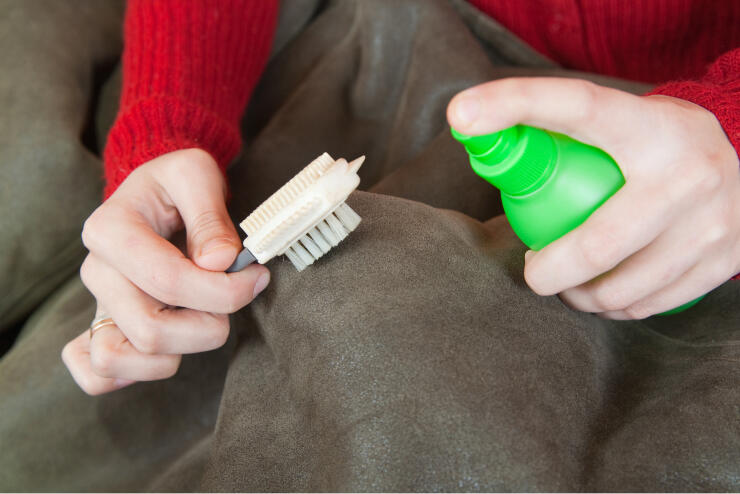
Spot clean when possible: If your sleeping bag has only minor stains or dirt, spot cleaning with a mild soap and water solution may be sufficient. This can help reduce the frequency of full washes.
Consider professional cleaning: If you’re unsure about washing your sleeping bag yourself or if it requires special care, consider taking it to a professional cleaner experienced in handling outdoor gear.
Remember, each sleeping bag may have specific care requirements, so always refer to the manufacturer’s instructions for the best results. Proper care and maintenance will help keep your sleeping bag clean, fresh, and in good condition for many camping trips to come.
Conclusion
Properly washing a sleeping bag is essential to maintain its cleanliness, loft, and performance. By following the right steps and using appropriate cleaning methods, you can effectively remove dirt, stains, and odors without compromising the insulation or fabrics.
Start by reading the care instructions provided by the manufacturer to understand the specific requirements of your sleeping bag. Preparing the sleeping bag for washing involves spot treating stains, closing zippers, and ensuring any removable components are detached.
Depending on the care instructions, you can choose between hand washing or machine washing. Hand washing allows for more control and gentler treatment, while machine washing may be suitable for certain sleeping bags with specific guidelines.
Drying the sleeping bag thoroughly is crucial to prevent mold and mildew growth. Follow the recommended drying methods, whether air drying or using a dryer with low heat and tennis balls to restore loft.
After washing, it’s important to store the sleeping bag properly and maintain it regularly. Avoid compressing the bag for long periods, as it can affect the loft and insulation. Use a storage sack or hang the sleeping bag in a dry and well-ventilated area.
By following these steps and taking proper care of your sleeping bag, you can ensure its longevity and optimal performance, allowing you to enjoy many comfortable nights of sleep during your camping adventures.







 How To Go Glamping And Is It Expensive?
 How To Wash Dishes While Camping
 How Much Water Do I Need To Bring While Camping?