In this article, we will discuss how to prepare for your first mountain hike. Hiking can be a great way to explore the outdoors and get some exercise, but it’s important to be prepared, especially when it comes to hiking in mountainous terrain. Whether you’re planning a day hike or a multi-day backpacking trip, there are some essential steps you should take to ensure a safe and enjoyable experience.
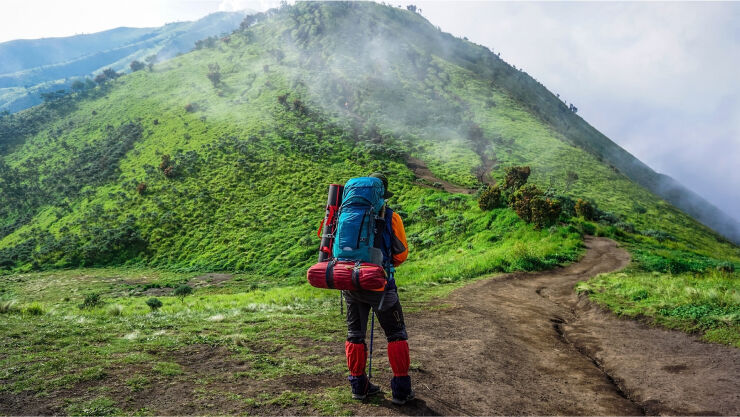
Mountain hiking offers numerous benefits, both physical and mental. Physically, it is an excellent cardiovascular exercise that can improve your endurance and overall fitness. Hiking on varied terrain, especially uphill and downhill, can also help build strength in your lower body muscles. Mentally, hiking in the mountains can provide a sense of adventure and accomplishment, boost your mood and mental well-being, and provide a break from the stress of daily life. Additionally, being out in nature can provide a sense of peace and relaxation.
The first step in preparing for a mountain hike is to identify the difficulty level of the hike. This can be done by looking at the hike’s distance, elevation gain, and terrain. The distance of the hike refers to how long the hike is in miles or kilometers. Elevation gain refers to how much the trail climbs in elevation. Terrain refers to the type of trail you’ll be hiking on, such as rocky, steep, or flat. All of these factors can contribute to the difficulty level of a hike. It’s important to choose a hike that matches your fitness level and experience to ensure a safe and enjoyable hike.

Choosing the right mountain and trail is an important step in preparing for your first mountain hike. When selecting a mountain, consider the altitude, elevation gain, and terrain. You’ll want to choose a mountain and trail that match your fitness level and experience.
It’s also important to research the trail and the conditions you may encounter, such as weather, wildlife, and trail conditions. Check weather reports and trail conditions before you go, and be prepared to adjust your plans if necessary.
Consider consulting guidebooks, online resources, or experienced hikers for recommendations on suitable mountains and trails for beginners. It’s important to choose a trail that is within your abilities to ensure an enjoyable and safe experience.

Before embarking on a mountain hike, it is important to research and gather information about the trail. Here are some factors to consider:
Physical preparation is crucial before going on a mountain hike. Here are some steps to consider:
Remember to always consult with a healthcare provider before starting any new exercise routine, especially if you have any pre-existing medical conditions.
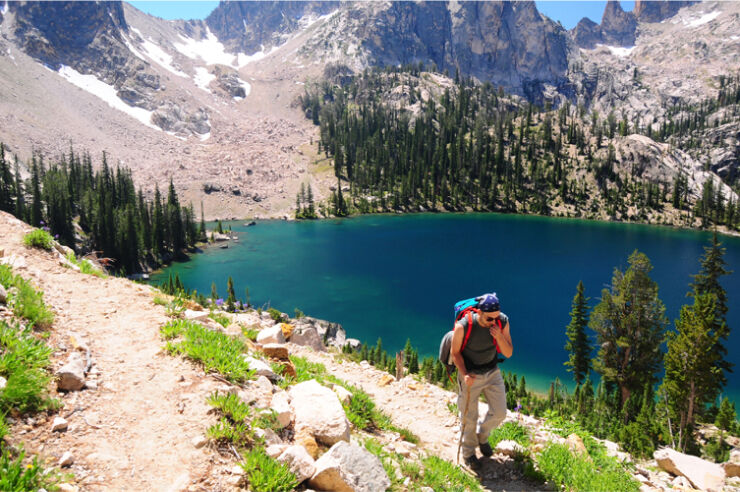
Cardiovascular exercise is crucial for mountain hiking as it strengthens the heart and lungs, allowing the body to use oxygen more efficiently. Hiking is a cardiovascular workout that places a significant demand on the body’s respiratory system, especially at higher altitudes. Therefore, it is essential to incorporate regular cardio workouts such as running, cycling, or swimming into your training routine to improve cardiovascular endurance and prepare the body for the demands of mountain hiking. Aim for at least 30 minutes of moderate to intense cardio exercise, three to four times per week, gradually increasing the duration and intensity over time.
Strength training is a type of exercise that involves using resistance to build muscular strength, endurance, and size. The resistance can come from various sources, such as weights, resistance bands, bodyweight exercises, or even household objects like water bottles or cans of food.
Strength training has numerous benefits for the body, including improved bone density, increased muscle mass, improved metabolism, and enhanced physical performance. It can also help reduce the risk of injury, improve posture, and boost overall mood and well-being.
There are several types of strength training exercises, including compound exercises that work multiple muscle groups at once, isolation exercises that focus on a specific muscle, and functional exercises that mimic everyday movements. Examples of common strength training exercises include squats, deadlifts, lunges, push-ups, pull-ups, and bicep curls.
When starting a strength training program, it is important to begin with lighter weights and gradually increase the resistance as the body becomes stronger. Proper form and technique are also critical to avoid injury and ensure that the targeted muscles are being properly activated.
Strength training can be incorporated into a well-rounded fitness routine alongside cardio and flexibility exercises. It is recommended to aim for at least two strength training sessions per week, with a focus on targeting all major muscle groups.

Preparing for a mountain hike not only involves physical fitness but also mental preparedness. Here are some tips to get mentally prepared for your hike:
By mentally preparing yourself for the hike, you can reduce anxiety and increase your chances of having a successful and enjoyable experience on the mountain.
 Hiking on Scree and Talus
 How to Plan Your First Solo Hike!
 Hiking Jobs to Make Money on the Trail