Embarking on a cross-country car camping trip is an exciting adventure that allows you to explore new destinations, experience the beauty of nature, and create lasting memories. Proper planning is essential to ensure a smooth and enjoyable journey. In this article, we will guide you through the process of planning a cross-country car camping trip, covering everything from route selection to safety considerations. So, grab a map, buckle up, and let’s get started on planning your ultimate cross-country car camping experience.
The first step in planning a cross-country car camping trip is to choose your route. Consider the destinations you want to visit, the sights you want to see, and the time you have available for your trip. Research various routes and determine the best path that allows you to maximize your adventure. Take into account factors such as scenic drives, national parks, and camping grounds along the way. Planning your route in advance will help you estimate the duration of your trip and ensure you don’t miss any must-see locations.
Create a Trip Itinerary
Once you have selected your route, it’s time to create a detailed trip itinerary. This includes mapping out your daily destinations, estimated driving times, and camping spots for each night. Consider the distance you’re comfortable driving each day and factor in time for breaks and sightseeing. Research and book campsites in advance to secure your accommodations along the route, especially during peak travel seasons. Having a well-planned itinerary will provide structure to your trip and make the most of your time on the road.
Prepare Your Vehicle
Before hitting the road, it’s crucial to ensure that your vehicle is in good condition for a cross-country journey. Schedule a comprehensive vehicle inspection, including checking the tires, brakes, fluid levels, and overall mechanical health. Pack essential tools and spare parts in case of any emergencies. Make sure to have a reliable spare tire, jack, and jumper cables on board. It’s also a good idea to familiarize yourself with basic car maintenance tasks, such as changing a tire or checking the oil, in case you encounter any issues along the way.
Pack Smart and Efficient
Packing for a cross-country car camping trip requires careful consideration of space and necessities. Prioritize essential items such as camping gear, cooking equipment, clothing, and personal hygiene products. Opt for lightweight and compact camping gear to maximize available space in your vehicle. Consider the weather conditions along your route and pack accordingly. Make a checklist of all the items you need and tick them off as you pack to ensure nothing is forgotten. Remember to pack snacks, water, and entertainment options to keep you fueled and entertained during long drives.
Stay Safe on the Road
Safety should be a top priority during your cross-country car camping trip. Familiarize yourself with the rules of the road in each state or country you’ll be passing through. Ensure that you have valid driver’s licenses, registration documents, and insurance coverage for your vehicle. Observe speed limits, use seat belts, and follow all traffic regulations. Take regular breaks to combat driver fatigue, and switch drivers if necessary. It’s also a good idea to have a roadside emergency kit on hand, including a first aid kit, flashlight, and reflective warning triangles.
Embrace Flexibility and Adventure
While planning is essential, it’s important to leave room for flexibility and spontaneous adventures. Allow yourself to deviate from the planned route if you come across unexpected attractions or receive recommendations from fellow travelers. Embrace the freedom and adventure of the open road, and make the most of the unique experiences that cross-country car camping offers.
Planning a cross-country car camping trip requires careful consideration of the route, itinerary, vehicle preparation, packing, and safety measures. With thorough planning and a sense of adventure, you can embark on an unforgettable journey that allows you to explore new places, connect with nature, and create lifelong memories. So, start planning your cross-country adventure today and get ready for the road trip of a lifetime.
Determine the Duration of Your Trip
After choosing your route and creating a trip itinerary, the next step in planning a cross-country car camping trip is to determine the duration of your trip. Consider the distance you’ll be covering, the number of stops and attractions you want to visit, and the amount of time you have available for your adventure.
Start by estimating the driving time for each leg of your journey. Take into account the average speed you’ll be traveling, the road conditions, and any potential traffic or detours. Add up the driving times for each segment of your route to get a rough estimate of the total driving time.
Next, consider how much time you want to spend at each destination or attraction along the way. Research the points of interest, national parks, scenic drives, and other must-see locations that you want to explore. Allocate a reasonable amount of time for each stop to fully enjoy and experience what they have to offer.
Factor in rest days or shorter driving days to relax and recharge. Cross-country trips can be tiring, so it’s important to have some downtime to rest and rejuvenate.
Consider your personal preferences and travel style. Some people prefer a faster-paced trip with fewer stops and longer driving days, while others prefer a more leisurely journey with ample time for sightseeing and relaxation.
Once you have a rough idea of the driving time and the time you want to spend at each destination, you can calculate the overall duration of your trip. Keep in mind that unforeseen circumstances such as traffic, weather conditions, or unexpected detours may impact your travel time. It’s a good idea to add some buffer time to your itinerary to account for these variables.
Remember, the duration of your trip is ultimately up to you and what you feel comfortable with. It’s important to strike a balance between covering the distance you desire and allowing yourself enough time to fully enjoy the experience. Flexibility is key, as it’s always possible to adjust your itinerary as you go along.
By determining the duration of your trip, you can better plan your accommodations, activities, and budget. It also helps set realistic expectations and ensures that you make the most of your cross-country car camping adventure.
Plan Your Daily Mileage and Stops
Once you have determined the duration of your cross-country car camping trip, the next step is to plan your daily mileage and stops along the way. This will help you stay on track and ensure that you reach your desired destinations within the allocated time frame.
Start by dividing the total distance of your trip by the number of days you will be traveling. This will give you a rough estimate of how many miles or kilometers you need to cover each day. Keep in mind that this is just an estimate and can be adjusted based on your preferences and the availability of attractions and accommodations along your route.
Next, consider the stops you want to make along the way. Research interesting towns, scenic viewpoints, national parks, campgrounds, or other attractions that you would like to visit. Mark these stops on your map or itinerary and allocate enough time to explore and enjoy each location. Consider the distance between each stop and adjust your daily mileage accordingly.
It’s also important to factor in rest days or shorter driving days. This will give you a chance to relax, take a break from driving, and fully experience the places you visit. Use these rest days to engage in activities such as hiking, sightseeing, or simply enjoying the natural beauty of the surroundings.
Consider the driving conditions and speed limits of the roads you’ll be traveling on. Rural or mountainous areas may have slower speed limits or winding roads that can affect your travel time. Take these factors into account when planning your daily mileage.
Be flexible with your itinerary and allow for spontaneous detours or additional stops if you come across unexpected attractions or points of interest. Sometimes the best experiences happen when you deviate from the original plan.
By planning your daily mileage and stops, you can ensure a well-paced and enjoyable cross-country car camping trip. It allows you to cover the necessary distance while also allowing time for exploration, relaxation, and making unforgettable memories along the way.
Research and Reserve Campgrounds
Researching and reserving campgrounds is an essential part of planning a cross-country car camping trip. It ensures that you have a designated place to stay each night and helps you make the most of your journey. Here are some steps to help you in this process:
Determine Your Preferred Campground Types: Decide whether you prefer staying at public campgrounds, private campgrounds, national parks, state parks, or a combination of these options. Each type of campground offers different amenities and experiences.
Research Campground Options: Use online resources, campground directories, or camping apps to explore the available campgrounds along your route. Consider factors such as location, amenities, facilities, reviews, and pricing. Look for campgrounds that offer the facilities you need, such as showers, restrooms, electricity, water hookups, and fire pits.
Check Availability and Reservations: Once you’ve identified potential campgrounds, check their availability for your travel dates. Many popular campgrounds, especially in national parks or during peak seasons, require advance reservations. Make sure to book your campsites well in advance to secure your spot.
Plan for Varied Accommodations: Consider mixing up your accommodations by staying at different types of campgrounds. This can provide a diverse camping experience and access to various amenities. For example, you might choose a national park campground one night and a private campground with more amenities, such as Wi-Fi or laundry facilities, on another night.
Be Flexible: Keep in mind that availability can change, especially during peak seasons or if there are unforeseen circumstances like campground closures or maintenance. Have backup options in case your preferred campground is fully booked. Stay open to adjusting your itinerary and finding alternative campgrounds along the way.
Make Reservations: Once you’ve finalized your campground choices, proceed to make reservations. Check the campground’s website or contact their reservation office to complete the booking process. Pay attention to any reservation fees, cancellation policies, and specific rules or restrictions.
Organize Campground Information: Keep a record of your campground reservations, including confirmation numbers, contact information, and any specific instructions provided by the campground. This will help you stay organized and ensure a smooth check-in process when you arrive at each campground.
By researching and reserving campgrounds ahead of time, you can secure your accommodations and have a stress-free camping experience during your cross-country car trip. It allows you to plan your itinerary effectively, ensures you have a place to stay each night, and maximizes your enjoyment of the journey.
Prepare Your Vehicle
Preparing your vehicle is an important step when planning a cross-country car camping trip. You want to ensure that your vehicle is in good condition, equipped with necessary supplies, and ready to handle the demands of the journey. Here are some tips to help you prepare your vehicle:
Perform a Maintenance Check: Take your vehicle to a trusted mechanic for a thorough inspection and maintenance check. Have them check the engine, brakes, tires, fluid levels, and other essential components to ensure everything is in proper working order. Address any necessary repairs or maintenance tasks before hitting the road.
Check Tires and Spare Tire: Inspect the condition and tread depth of your tires. Replace any worn-out tires and ensure that the spare tire is in good shape and properly inflated. Consider carrying a tire repair kit and portable air compressor in case of emergencies.
Pack Essential Tools and Equipment: Keep a basic toolkit in your vehicle for any minor repairs or adjustments you might need to make during the trip. Include items such as a tire iron, jack, jumper cables, flashlight, and extra fluids like oil and coolant. Also, consider carrying a roadside emergency kit that includes items like reflective triangles, a first aid kit, and a fire extinguisher.
Check Vehicle Documentation: Make sure you have all the necessary documents readily available, including your driver’s license, vehicle registration, and proof of insurance. If you’re traveling across state or international borders, ensure you have the required permits or documentation for your vehicle.
Load and Organize Supplies: Determine how much gear and camping equipment you’ll be carrying and plan the best way to load it into your vehicle. Distribute the weight evenly to maintain proper balance and stability. Keep frequently used items easily accessible for convenience.
Secure Items Inside the Vehicle: Use cargo nets, bungee cords, or storage organizers to secure loose items and prevent them from shifting or flying around while driving. This will help maintain a safe and organized interior space.
Consider Vehicle Modifications: Depending on your needs and the nature of your trip, you might consider installing roof racks, bike racks, or towing accessories to accommodate additional gear, such as bikes, kayaks, or camping trailers. Ensure that any modifications are properly installed and do not exceed your vehicle’s weight limits or compromise its safety.
Familiarize Yourself with Vehicle Controls: Take the time to understand the various controls and features of your vehicle, especially if you’re using a rental or unfamiliar vehicle. This includes understanding the operation of headlights, windshield wipers, air conditioning, heating, and other important functions.
By adequately preparing your vehicle, you can minimize the risk of breakdowns or unexpected issues during your cross-country car camping trip. It ensures a safe and smooth journey, allowing you to focus on enjoying the adventure ahead.
Pack the Essentials
When planning a cross-country car camping trip, packing the right essentials is crucial for a comfortable and enjoyable experience. Here are some key items to consider packing:
Camping Gear: Bring a tent, sleeping bags, sleeping pads or air mattresses, and camping pillows. Consider the size and capacity of your tent based on the number of people traveling with you.
Cooking Equipment: Pack a camping stove, fuel, cookware, utensils, plates, bowls, and cups. Don’t forget essentials like a can opener, cutting board, and a cooler to store perishable food.
Food and Water: Plan your meals and pack non-perishable food items that are easy to prepare. Carry an ample supply of drinking water and consider a water filtration system for refilling along the way.
Clothing: Pack appropriate clothing for various weather conditions. Include layers, rain gear, hats, and sturdy footwear for hiking or outdoor activities.
Bedding and Towels: Bring sheets, blankets, or sleeping bags for comfortable nights. Don’t forget towels for showers or swimming.
Lighting: Carry flashlights, headlamps, or lanterns for nighttime illumination. Extra batteries are essential.
Personal Care Items: Pack toiletries, sunscreen, insect repellent, hand sanitizer, and any necessary medications. Don’t forget a camping-friendly shower kit and a portable toilet if needed.
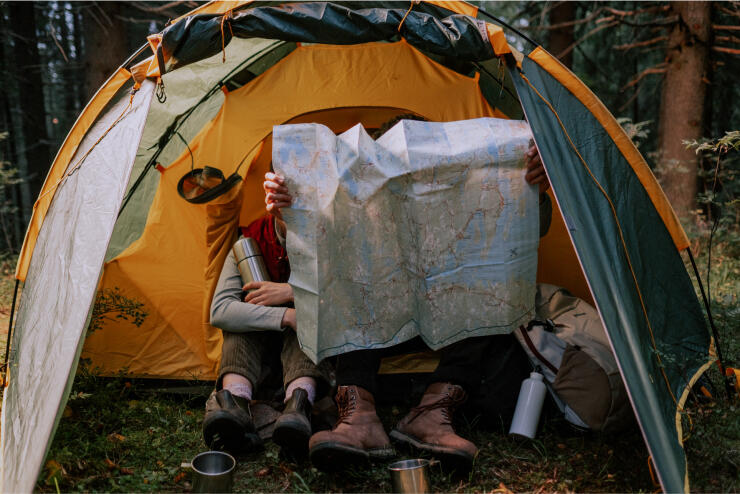
Navigation and Communication: Bring maps, a GPS device, or a navigation app on your phone. Ensure you have a reliable communication device, such as a fully charged mobile phone or a two-way radio.
Camping Chairs and Tables: Consider bringing foldable chairs and a portable table for comfortable outdoor seating and dining.
Safety Equipment: Include a first aid kit, emergency whistle, fire extinguisher, and a basic tool kit for minor repairs.
Entertainment and Recreation: Pack items like books, games, binoculars, or outdoor equipment such as fishing gear, hiking poles, or bicycles, depending on your interests and activities.
Personal Items: Don’t forget essentials like cash, identification, travel documents, and a camera to capture your memories.
Remember to pack efficiently and prioritize essential items. Consider the available space in your vehicle and distribute the weight evenly to maintain balance and safety. Additionally, check if there are any specific regulations or restrictions for camping in certain areas along your route.
By packing the right essentials, you’ll be well-prepared to tackle your cross-country car camping adventure with comfort and convenience.
Plan Your Meals
Planning your meals is an essential part of preparing for a cross-country car camping trip. Here are some tips to help you plan your meals effectively:
Determine Your Cooking Setup: Consider the cooking equipment you have available, such as a camping stove or grill, and plan your meals accordingly. Take into account the fuel requirements and cooking time for each meal option.
Plan Balanced Meals: Aim for balanced meals that include a variety of food groups, such as proteins, carbohydrates, fruits, and vegetables. This will provide you with the necessary nutrients and energy for your journey.
Consider Dietary Restrictions and Preferences: Take into account any dietary restrictions or preferences of the people on the trip. Plan meals that accommodate these needs, whether it’s vegetarian, vegan, gluten-free, or other specific requirements.
Opt for Easy and Quick Recipes: Choose recipes that are simple to prepare and require minimal cooking time. One-pot meals, foil packet recipes, and pre-prepped ingredients can save time and make cooking easier while camping.
Pack Non-Perishable Foods: Select non-perishable food items that are easy to store and won’t spoil quickly. Canned goods, dried fruits, nuts, granola bars, and dehydrated meals are great options for longer-lasting food supplies.
Meal Prepping: Consider prepping some ingredients or meals in advance to save time and effort at the campsite. Pre-chop vegetables, marinate meats, or pre-cook certain components that can be quickly assembled or reheated when needed.
Use Storage Containers: Invest in quality storage containers that are air-tight and waterproof. These will help keep your food fresh and prevent any spillage or cross-contamination in your cooler or food storage area.
Bring Essential Cooking Utensils: Pack cooking utensils such as pots, pans, spatulas, knives, cutting boards, and can openers. Don’t forget essentials like plates, bowls, utensils, and cups for serving and eating.
Don’t Forget Snacks and Beverages: Pack a variety of snacks such as trail mix, dried fruits, jerky, and energy bars to keep you fueled throughout the day. Bring an assortment of beverages like water, sports drinks, and herbal teas for hydration.
Plan for Leftovers: Consider meal portions that can be easily reheated or repurposed as leftovers. This reduces food waste and saves you time and effort in preparing subsequent meals.
Bring Condiments and Spices: Don’t forget to pack essential condiments, spices, and seasonings to enhance the flavor of your meals. Bring small containers or travel-sized packets to save space.
Store Food Properly: Follow proper food storage guidelines to prevent spoilage and contamination. Keep perishable items in a cooler with ice or ice packs, and store non-perishable foods in sealed containers or dry bags to protect them from moisture.
By planning your meals ahead of time and considering these tips, you can ensure that you have delicious and satisfying meals throughout your cross-country car camping adventure.
Stay Organized
Staying organized during a cross-country car camping trip is crucial to ensure a smooth and enjoyable experience. Here are some tips to help you stay organized:
Use Packing Lists: Create detailed packing lists for all the essential items you’ll need, including camping gear, clothing, toiletries, cooking equipment, and food supplies. Check off items as you pack them to avoid forgetting anything important.
Divide Items by Category: Group similar items together and store them in separate containers or bags. For example, keep cooking utensils and equipment in one container, clothes in another, and toiletries in a separate toiletry bag. This will make it easier to find what you need without rummaging through everything.
Use Clear Storage Bins: Use clear plastic storage bins to store and organize your camping gear and supplies. Transparent bins allow you to see the contents at a glance, making it easier to locate items quickly.
Label Everything: Label your containers and bags with their contents. This will help you find specific items without having to open every container. Consider using color-coded labels for different categories of items.
Pack a First Aid Kit: Keep a well-stocked first aid kit easily accessible in case of any injuries or emergencies. Make sure it contains essential items like band-aids, antiseptic wipes, pain relievers, and any necessary prescription medications.
Create a Campsite Layout: Plan how you’ll organize your campsite, including the placement of your tent, cooking area, and seating. Having a layout in mind will make it easier to set up camp quickly and efficiently.
Maintain Cleanliness: Keep your campsite clean and organized by designating specific areas for different activities, such as cooking, eating, and relaxing. Have separate trash bags for waste disposal and pack out any trash you generate.
Keep Important Documents and Information Handy: Store important documents like maps, campground reservations, and emergency contact numbers in a folder or waterproof pouch. Keep it easily accessible in case you need to reference them.
Use Storage Solutions in Your Vehicle: Utilize storage solutions in your car, such as car organizers, to keep smaller items organized and easily accessible. This will help prevent clutter and ensure that everything has its designated place.
Regularly Clean and Declutter: Take some time each day to clean and declutter your camping gear, cooking equipment, and campsite. This will help maintain order and make it easier to find what you need.
By staying organized, you’ll be able to maximize your time and enjoy a stress-free camping experience. It will also make it easier to pack up and move to your next destination smoothly.
Budget and Finances
Budgeting and managing your finances are important aspects of planning a cross-country car camping trip. Here are some tips to help you stay within your budget:
Determine Your Overall Budget: Start by setting a budget for your entire trip. Consider expenses such as fuel, campground fees, food, activities, and any additional costs like vehicle maintenance or emergency funds. Having a clear budget will help guide your planning process.
Research and Compare Costs: Look for cost-effective options when it comes to campgrounds, fuel stations, and activities along your route. Compare prices and read reviews to find the best value for your money. Consider using camping apps or websites that provide information on budget-friendly campsites and discounts.
Plan Your Meals: Eating out every meal can quickly add up, so plan your meals in advance. Opt for cooking your own meals at the campsite using a portable stove or grill. Make a shopping list and purchase groceries before your trip to avoid relying heavily on expensive convenience stores or restaurants.
Pack Snacks and Drinks: Bringing your own snacks and drinks can help save money, especially during long drives. Pack non-perishable snacks like granola bars, dried fruits, and nuts. Fill reusable water bottles to stay hydrated throughout your journey.
Monitor Fuel Expenses: Fuel costs can be a significant portion of your budget, especially during a long road trip. Use fuel price comparison websites or apps to find the cheapest gas stations along your route. Consider using fuel rewards programs or credit cards that offer discounts on gas purchases.
Plan for Campground Fees: Research campground fees and reservation policies in advance. Look for campsites that fit within your budget and consider options like national parks or public lands that may offer more affordable rates. Some campsites may require reservations, so book in advance to secure your spot.
Track Expenses: Keep track of your expenses throughout the trip to ensure you stay within your budget. Use a budgeting app or keep a spreadsheet to log your expenses, including campground fees, fuel costs, food purchases, and any other expenditures. This will help you identify areas where you can adjust your spending if needed.
Be Flexible: Unexpected expenses may arise during your trip, so it’s essential to be flexible with your budget. Leave some room for unexpected costs or opportunities that may arise, such as additional activities or attractions you want to visit.
Consider Cost-Saving Measures: Look for ways to save money without sacrificing the quality of your trip. For example, opt for free or low-cost activities like hiking or exploring nature trails. Take advantage of any discounts or coupons available for attractions or rentals.
Emergency Fund: Set aside some money as an emergency fund for unexpected situations like vehicle repairs or medical needs. Having a safety net will give you peace of mind and help you handle unforeseen expenses without impacting your overall budget.
Remember to regularly review and adjust your budget as needed throughout your trip. By being mindful of your expenses and making conscious choices, you can enjoy your cross-country car camping adventure without breaking the bank.
Safety Considerations
When planning a cross-country car camping trip, it’s crucial to prioritize safety to ensure a smooth and enjoyable journey. Here are some safety considerations to keep in mind:
Vehicle Maintenance: Before hitting the road, ensure that your vehicle is in good working condition. Check the tires, brakes, lights, and fluid levels. Consider taking your vehicle for a professional inspection to address any potential issues. Carry a spare tire, jack, and necessary tools in case of emergencies.
Emergency Kit: Pack an emergency kit that includes essential items such as a first aid kit, flashlight, batteries, multipurpose tool, road flares, jumper cables, and a fire extinguisher. Familiarize yourself with how to use these items and keep them easily accessible in your vehicle.
Roadside Assistance: Consider subscribing to a roadside assistance service that can provide support in case of vehicle breakdowns, flat tires, or other emergencies. Familiarize yourself with the contact information and services offered by your chosen provider.
Weather Conditions: Check the weather forecast for your entire route and destination. Be prepared for various weather conditions such as rain, storms, or extreme temperatures. Adjust your driving speed and plans accordingly and be aware of any weather-related advisories or warnings along your route.
Navigation and Communication: Use reliable navigation tools such as GPS devices or smartphone apps to stay on the right track. Have a backup map or atlas in case of technology failures or lack of cellular service. Inform someone reliable about your itinerary, including your planned stops and estimated arrival times.
Campground Safety: When selecting campgrounds, choose reputable and well-maintained sites. Follow campground rules and guidelines, including fire safety protocols and quiet hours. Lock your vehicle and secure your belongings when leaving the campsite. Be aware of any wildlife in the area and take precautions to minimize encounters and avoid feeding or approaching them.
Personal Safety: Be cautious of your surroundings and trust your instincts. Avoid camping alone if possible and try to camp in designated areas with other campers nearby. Be respectful of other campers’ privacy and maintain a safe distance. If you encounter any suspicious or threatening situations, report them to the appropriate authorities.
Fire Safety: Follow all fire safety guidelines and regulations at the campsite. Use designated fire pits or grills for cooking or warming up. Keep a bucket of water or a fire extinguisher nearby and fully extinguish the fire before leaving the campsite or going to sleep.
Wildlife Safety: Research the wildlife in the areas you’ll be camping in and learn how to safely coexist with them. Store food securely to prevent attracting wildlife to your campsite. Follow proper food storage practices, such as using bear-resistant containers or hanging food from a tree branch. Avoid leaving food scraps or garbage outside your campsite.
Personal Health and Hygiene: Maintain personal hygiene by washing your hands regularly, especially before handling food. Carry hand sanitizer or wet wipes for situations where water and soap are not available. Stay hydrated and drink plenty of water throughout your trip.
Remember, safety should always be a top priority when embarking on a cross-country car camping adventure. By being prepared, staying vigilant, and making responsible choices, you can enjoy a safe and memorable journey.
Conclusion
Planning a cross-country car camping trip involves careful consideration of safety factors to ensure a smooth and secure adventure. By prioritizing vehicle maintenance, preparing an emergency kit, and subscribing to roadside assistance, you can handle unexpected situations with ease. Stay updated on weather conditions and adjust your plans accordingly, using reliable navigation tools and informing someone of your itinerary. Choose reputable campgrounds, follow safety guidelines, and be mindful of personal and wildlife safety. Additionally, maintain proper fire safety measures and practice good hygiene. With these safety considerations in mind, you can embark on your cross-country car camping trip with confidence, knowing that you have taken the necessary precautions to ensure a safe and enjoyable journey.





 How To Go Glamping And Is It Expensive?
 How To Wash Dishes While Camping
 How Much Water Do I Need To Bring While Camping?