A comfortable and stable sleeping surface is essential for a good night’s rest while camping. One common issue campers face is the sliding of an air mattress during the night, which can disrupt sleep and reduce overall comfort. However, there are several effective strategies to keep an air mattress from sliding and ensure a more enjoyable camping experience. By following these tips and techniques, you can keep your air mattress in place and sleep soundly throughout the night.

Before setting up your air mattress, it’s important to assess the surface on which you’ll be placing it. Check for any debris, rocks, or unevenness that could cause the mattress to shift or slide. Clear the area and ensure it is clean and relatively flat, providing a stable foundation for your mattress.
Selecting the right size and fit of your air mattress is crucial in preventing it from sliding. Ensure that the mattress fits the dimensions of your tent or sleeping area properly. If the mattress is too small for the space, it may move around more easily. Opt for a mattress that matches the dimensions of your sleeping area or consider using a non-slip mattress pad or gripper underneath to enhance stability.
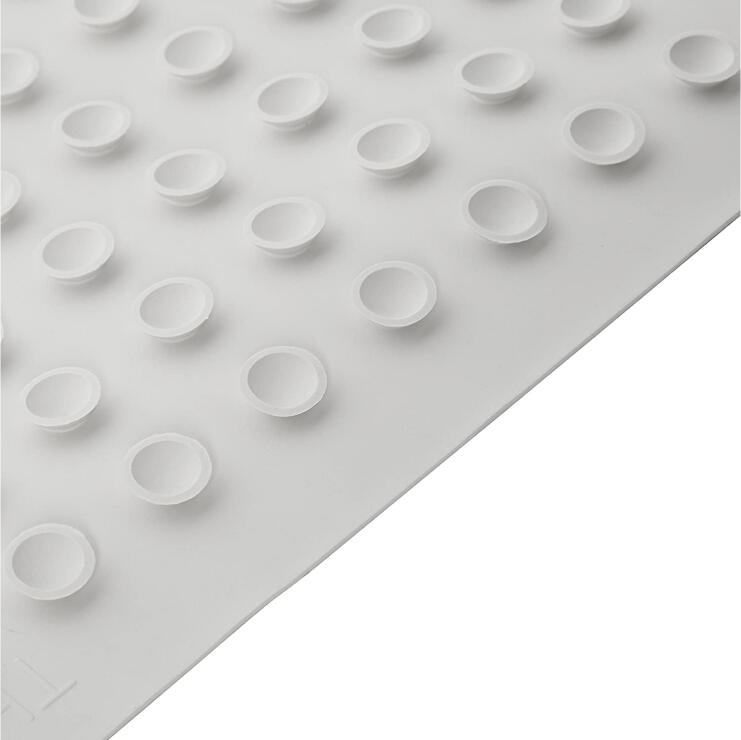
To prevent your air mattress from sliding, you can use a non-slip mattress pad or topper. These are specifically designed to provide grip and stability to keep the mattress in place. Look for a pad or topper made with non-slip materials such as rubber or silicone. These materials create friction between the mattress and the sleeping surface, reducing the chances of sliding.
Place the non-slip pad or topper on the sleeping surface before inflating the air mattress. Make sure it covers the entire area where the mattress will be placed. Once the mattress is inflated, it will rest on top of the non-slip surface, providing an additional layer of grip and stability.
Another effective method to keep your air mattress from sliding is to secure it using straps or bungee cords. This method works well if you have a bed frame, cot, or any structure to which you can attach the straps or cords.
Start by placing the inflated air mattress on the desired sleeping surface. Then, position the straps or bungee cords around the corners or edges of the mattress. Make sure to pull them tightly to minimize any movement.
Next, attach the straps or cords to the bed frame or any stable anchor point available. You can loop them around the legs of the bed frame or use hooks or buckles if provided. Ensure that the attachments are secure and the mattress is held firmly in place.
By securing the mattress with straps or bungee cords, you create tension and prevent it from sliding or shifting during sleep or movement.
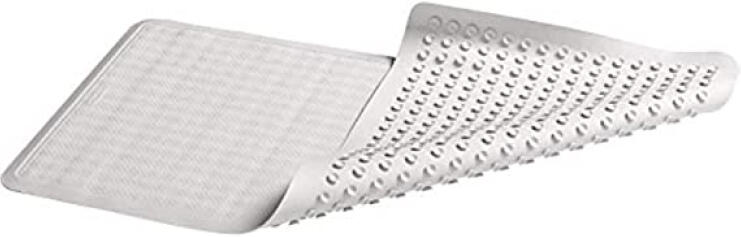
Utilizing gripping mats or rug grippers is another effective way to keep your air mattress from sliding. These are adhesive pads or strips that provide traction and grip between the mattress and the floor.
Place the gripping mats or rug grippers on the floor where you intend to set up your air mattress. Make sure the adhesive side is facing down to secure it to the floor.
Once the gripping mats or rug grippers are in place, position the inflated air mattress on top of them. The gripping surface will create friction and help anchor the mattress, reducing the chances of sliding.
You can find gripping mats or rug grippers in home improvement stores or online retailers. They are typically reusable and can be easily removed and repositioned as needed.
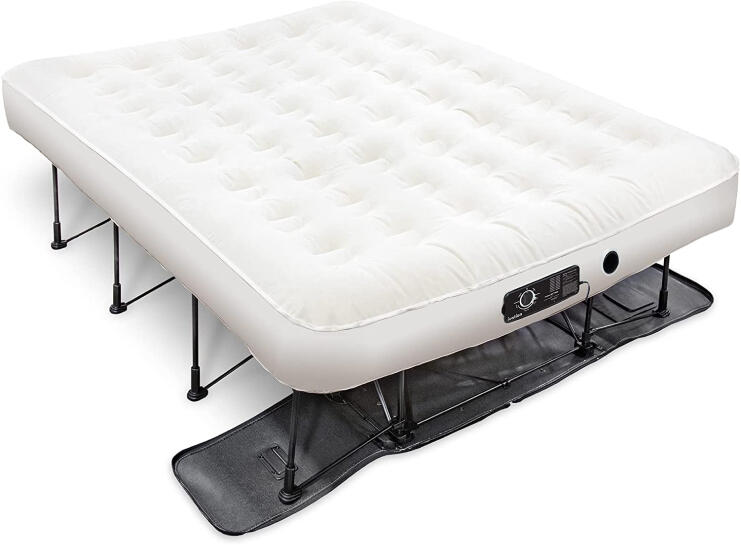
Another option to prevent your air mattress from sliding is to choose an elevated or framed air mattress. These types of mattresses often come with built-in features that help keep them in place.
Elevated air mattresses typically have a sturdy frame or structure that keeps them elevated off the ground. This design provides stability and reduces the likelihood of sliding.
Framed air mattresses, on the other hand, have a built-in frame that surrounds the mattress. This frame acts as a barrier and prevents the mattress from shifting or sliding.
When selecting an elevated or framed air mattress, look for models that have non-slip feet or grips on the bottom of the frame. These additional features enhance stability and prevent unwanted movement.
Additionally, ensure that the mattress is properly assembled and securely attached to the frame. Follow the manufacturer’s instructions for assembly and use to maximize stability and prevent sliding.
By choosing an elevated or framed air mattress, you can enjoy the benefits of added stability and minimize the risk of sliding during your sleep or rest.
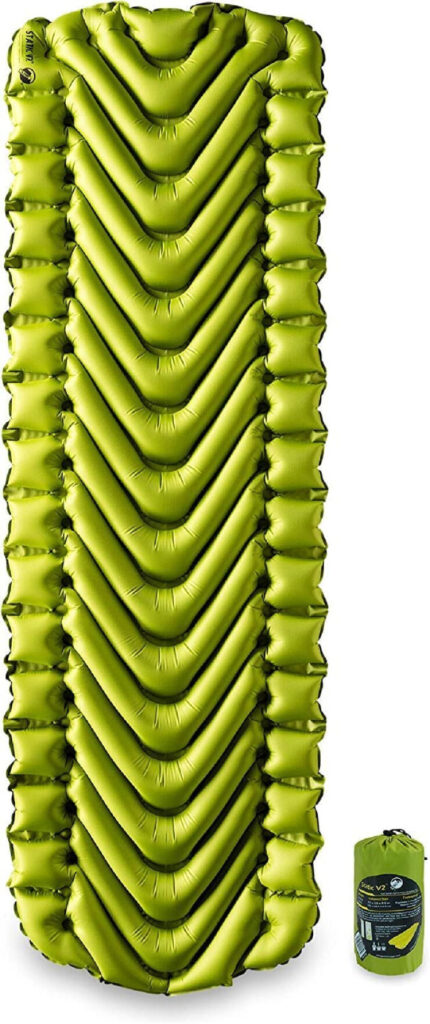
Another way to prevent your air mattress from sliding is to adjust the air pressure inside the mattress. Overinflated or underinflated mattresses can be more prone to sliding, so finding the right air pressure is key.
If your air mattress is too firm, it can create a slippery surface that increases the likelihood of sliding. Try releasing some air to achieve a slightly softer feel. On the other hand, if the mattress is too soft, it may not provide enough support and can also contribute to sliding. In this case, adding more air can help increase the stability of the mattress.
It’s important to find the right balance that provides both comfort and stability. Experiment with different air pressure levels until you find the sweet spot where the mattress feels secure and stays in place.
Keep in mind that air mattresses can naturally lose some air over time, so it’s a good idea to check the air pressure regularly during your camping trip and make any necessary adjustments to maintain stability.
By adjusting the air pressure in your air mattress, you can customize the firmness and stability, reducing the likelihood of sliding and ensuring a more comfortable camping experience.
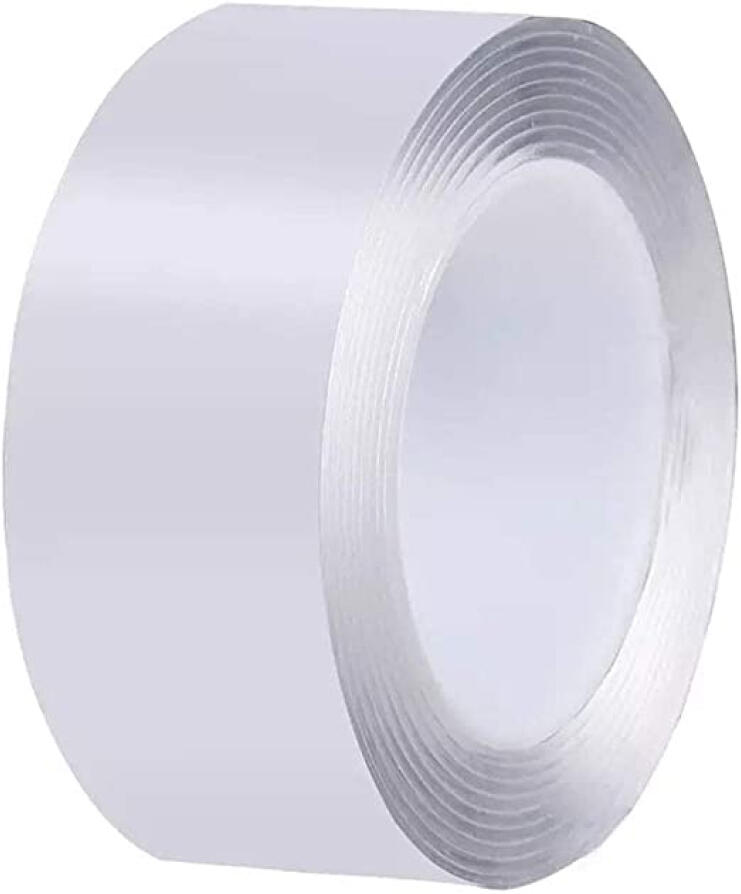
Using Velcro or double-sided tape can be an effective solution to keep your air mattress from sliding. Here’s how you can use these materials:
Both Velcro and double-sided tape provide grip and adhesion, preventing the mattress from sliding during your sleep. They are easy to apply and remove, making them convenient for camping trips.
Before using Velcro or double-sided tape, ensure that the surface where the mattress will be placed is clean and free of debris. This will help the adhesive to stick more effectively. Additionally, test the adhesion before relying solely on Velcro or tape to secure your mattress.
By using Velcro or double-sided tape, you can enhance the stability of your air mattress and enjoy a comfortable and restful sleep while camping.

Creating a stable sleeping area can help prevent your air mattress from sliding. Here are some tips:
By following these tips, you can create a stable sleeping area and minimize the risk of your air mattress sliding during the night, allowing for a more comfortable camping experience.
Keeping your air mattress from sliding during sleep is essential for a comfortable and restful camping experience. By assessing the surface, choosing the right size and fit, using non-slip mattress pads or toppers, securing the mattress with straps or bungee cords, utilizing gripping mats or rug grippers, opting for an elevated or framed air mattress, adjusting the air pressure, using Velcro or double-sided tape, and creating a stable sleeping area, you can effectively prevent your air mattress from sliding. These simple steps will help ensure that you can enjoy a good night’s sleep without constantly readjusting your mattress. So, implement these strategies and say goodbye to the frustration of a sliding air mattress while camping.
 How To Go Glamping And Is It Expensive?
 How To Wash Dishes While Camping
 How Much Water Do I Need To Bring While Camping?