When winter camping, keeping your clothes dry is crucial for staying warm and comfortable in the cold weather. However, drying clothes in winter conditions can be challenging due to the cold temperatures and moisture. In this article, we will explore various methods and techniques to effectively dry your clothes when winter camping. By following these tips, you can ensure that you have dry and ready-to-wear clothes throughout your camping trip, even in the harshest winter conditions.
Understand the Challenges of Drying Clothes in Winter Camping
Drying clothes in winter camping poses unique challenges compared to drying them in other seasons. The cold temperatures, limited sunlight, and increased moisture levels can make the drying process more difficult. Understanding these challenges is essential to finding effective solutions for drying your clothes. Factors such as freezing temperatures, lack of airflow, and limited drying time require specific strategies to ensure your clothes are thoroughly dried. By being aware of these challenges, you can adapt your approach and make the most of the available resources to keep your clothes dry during your winter camping adventures.
Choose the Right Clothing Materials
When winter camping, choosing the right clothing materials is crucial for facilitating the drying process. Opt for moisture-wicking and quick-drying fabrics that can efficiently absorb and release moisture. Synthetic materials like polyester and nylon are often preferred for their moisture-wicking properties. Avoid cotton as it tends to retain moisture and takes longer to dry, which can leave your clothes damp and uncomfortable. Additionally, consider using insulating layers that are designed to retain warmth while allowing moisture to escape, preventing excessive sweat buildup. By selecting appropriate clothing materials, you set the foundation for effective drying during winter camping.
Layering Technique for Efficient Drying
Layering your clothes strategically can help facilitate the drying process while winter camping. Follow these steps for efficient drying:
Base Layer: Start with a moisture-wicking base layer that efficiently pulls sweat away from your body. This layer should be snug-fitting and made of materials like merino wool or synthetic blends.
Mid-Layer: Choose an insulating mid-layer that provides warmth while allowing moisture to escape. Fleece or synthetic insulation jackets are ideal for this purpose.
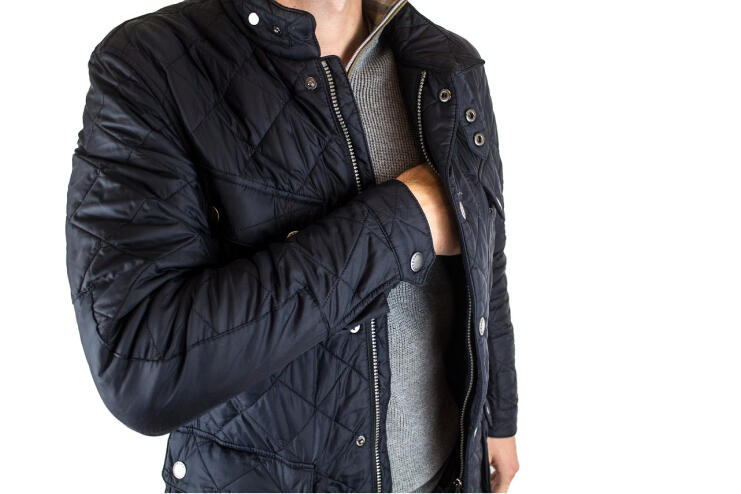
Shell Layer: Use a waterproof and breathable shell layer to protect yourself from snow, wind, and moisture. This outer layer should have ventilation options like zippers or pit vents to allow excess moisture to escape.
Remove Damp Layers: If your base or mid-layers become damp with sweat, remove them and replace them with dry layers from your backpack. It’s important to change into dry clothes as soon as possible to prevent heat loss and discomfort.
Hang Clothes to Dry: Once you remove damp layers, hang them inside your tent or a designated drying area. Use clotheslines or hooks to hang them up, ensuring good air circulation. Avoid hanging them too close to a heat source, as it may damage the fabric.
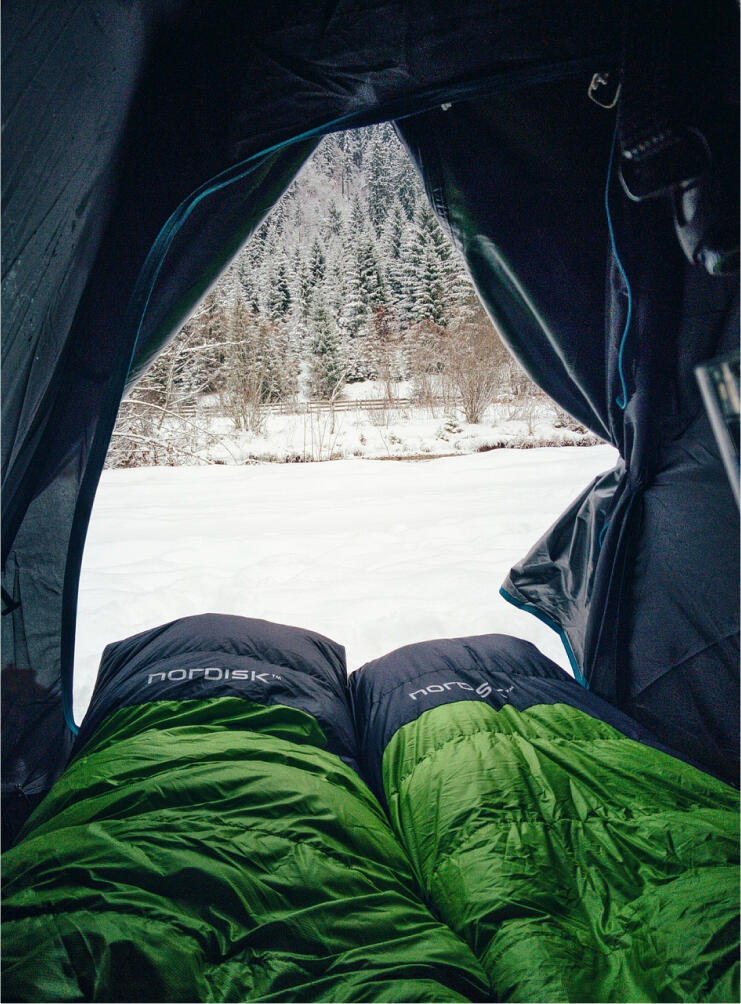
Utilize Body Heat: Take advantage of your body heat by placing damp clothes between your sleeping bag layers while you sleep. The warmth generated by your body can help expedite the drying process.
Rotate and Monitor: Regularly check on your clothes and rotate them as they dry. This ensures even drying and helps prevent odors or mildew.
By layering your clothing appropriately and actively managing the drying process, you can effectively dry your clothes while winter camping, ensuring comfort and warmth throughout your adventure.
Utilize Body Heat
Utilizing body heat is a clever method to help dry clothes when winter camping. Here’s how you can make the most of your body heat:
Layering Technique: As mentioned earlier, layer your clothing appropriately. When you remove damp layers, place them between your dry clothing layers or close to your body inside your sleeping bag. The trapped body heat will create a warm and dry environment, facilitating the drying process.
Body-to-Body Method: If you’re camping with a partner or in a group, consider the body-to-body method. Place damp clothes between two people, ensuring direct contact with their warm bodies. This method allows for effective transfer of body heat to the damp clothing.
Use Warm Spots: Identify warm spots on your body where heat is more concentrated, such as your armpits, groin area, or chest. Place small or lightweight items like gloves, socks, or hats in these areas to benefit from the heat generated by your body.
Movement and Activity: Engage in physical activities to generate more body heat. Whether it’s hiking, walking, or performing camp chores, increased movement and physical exertion will help raise your body temperature, which in turn aids in drying your clothes.
Remember to monitor your clothes regularly and change into dry layers as they become available. Don’t rely solely on body heat for drying, as it may take longer for thicker or heavily soaked garments. It’s important to have additional drying methods available, such as hanging clothes near a heat source or using portable drying racks, to ensure all your clothes are properly dried during your winter camping trip.
Hang Clothes Inside the Tent
Hanging clothes inside the tent is another effective method to dry them when winter camping. Here’s how you can do it:
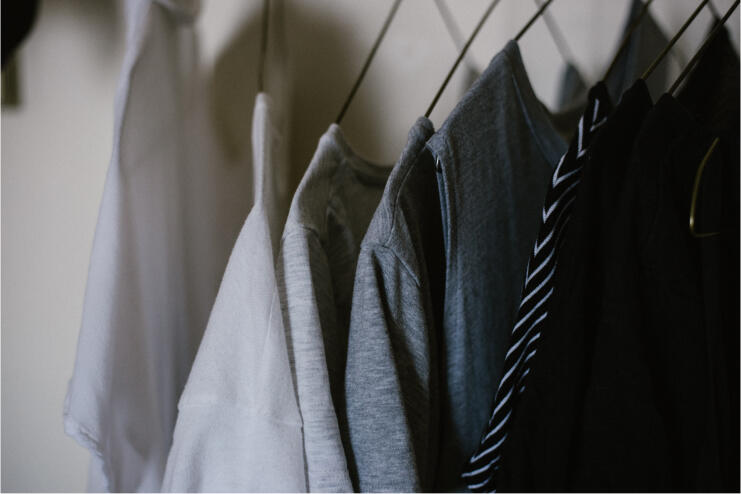
Create a Drying Line: Set up a drying line inside your tent by tying a sturdy cord or rope between two anchor points, such as the tent poles or gear loops. Make sure the line is taut and secure.
Hang Clothes Properly: Use clothespins or clips to hang your clothes on the drying line. For maximum airflow and faster drying, spread out the garments and avoid overlapping them. Hang them loosely to allow air circulation.
Utilize Tent Ventilation: Take advantage of the tent’s ventilation features, such as mesh panels or vents, to enhance airflow and speed up drying. Open or adjust these areas to encourage the movement of air inside the tent.
Prioritize Drying Time: Plan your drying time strategically, such as during daylight hours when there is more natural light and warmth. Take advantage of periods when the tent is not in use, like when you’re out hiking or engaging in other activities.
Consider Using Drying Aids: To expedite the drying process, you can use drying aids such as microfiber towels or quick-dry travel towels. Patting or rubbing the damp clothes with these towels can help absorb excess moisture and facilitate faster drying.
Be Mindful of Condensation: While drying clothes inside the tent, be cautious of condensation buildup. Ensure proper tent ventilation and airflow to minimize the risk of excessive moisture inside the tent.
Remember to check the drying progress regularly and rotate the clothes if needed to expose different areas to airflow. Be mindful of the specific fabric care instructions and avoid hanging delicate or sensitive materials too close to heat sources. By utilizing these techniques, you can effectively dry your clothes inside the tent during winter camping.
Use a Portable Clothes Drying Rack
Using a portable clothes drying rack can be a convenient option for drying clothes when winter camping. Here’s how you can utilize it:
Choose a Portable Drying Rack: Look for a lightweight and collapsible drying rack that is easy to transport and set up in your camping space. Opt for a rack with sturdy construction to support the weight of wet clothes.
Set Up the Drying Rack: Find a suitable location inside your tent or in a covered area where you can set up the drying rack. Ensure that the rack is stable and won’t tip over.
Arrange Clothes on the Rack: Place your wet clothes on the drying rack, making sure to spread them out for maximum exposure to air. Avoid overcrowding the rack to allow proper airflow between the garments.
Position Near Heat Source: If available, position the drying rack near a heat source such as a portable heater or campfire (while being cautious of safety guidelines and fire hazards). The heat will help accelerate the drying process.
Utilize Natural Light: If there is sufficient natural light in your camping area, position the drying rack near a window or an area with sunlight. Sunlight can help dry clothes faster and naturally eliminate moisture.
Rotate and Rearrange Clothes: Periodically rotate and rearrange the clothes on the drying rack to ensure even drying. This will help expose different areas of the garments to airflow and heat.
Be Mindful of Tent Condensation: Take precautions to minimize condensation inside the tent. Proper ventilation and airflow are essential to prevent excessive moisture buildup, which can hinder the drying process.
Monitor Drying Progress: Regularly check the clothes to gauge their drying progress. Remove any completely dry items from the rack to make room for other wet clothes.
By using a portable clothes drying rack, you can efficiently dry your clothes during winter camping, even when access to natural sunlight or heat sources may be limited.
Take Advantage of Natural Heat and Sunlight
Taking advantage of natural heat and sunlight is an effective way to dry clothes when winter camping. Here’s how you can do it:
Choose the Right Time: Plan your clothes drying around the time of day when sunlight is strongest. Typically, this is during the mid-morning to early afternoon when the sun is high in the sky.
Find a Suitable Outdoor Area: Look for a dry and sunny spot outside your campsite where you can hang or lay out your clothes. Consider areas that receive direct sunlight and have good airflow.
Hang Clothes on a Clothesline: If permitted and available, set up a clothesline between two trees or sturdy objects. Hang your clothes using clothespins or clips, making sure they are evenly spaced to allow air circulation.
Lay Clothes on a Flat Surface: If hanging clothes is not feasible, lay them flat on a clean and dry surface, such as a picnic table or tarp. Spread them out to maximize exposure to sunlight and airflow.
Flip and Rotate Clothes: Periodically flip and rotate the clothes to ensure even drying. This allows different areas to receive sunlight and air, speeding up the drying process.
Monitor the Weather: Keep an eye on the weather forecast to ensure there won’t be any precipitation that could dampen your clothes. If rain or snow is expected, bring the clothes indoors or protect them with waterproof covers.
Utilize Body Heat: While inside the tent, you can hang damp clothes near your body to take advantage of your body heat. This can help expedite the drying process, especially for smaller items like socks or gloves.
Allow Sufficient Drying Time: Depending on the weather conditions, it may take several hours or even a full day for your clothes to dry completely. Be patient and plan ahead to allow enough drying time before you need to wear them.
Remember to always prioritize safety when drying clothes outdoors. Avoid hanging clothes too close to open flames or heat sources, and ensure they are secure to prevent them from blowing away in strong winds.
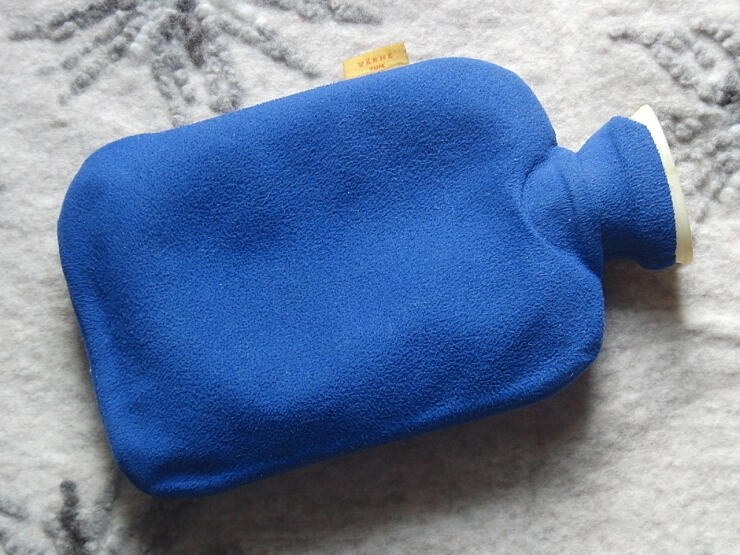
Use Heat Packs or Warm Water Bottles
In addition to utilizing natural heat and sunlight, you can also use heat packs or warm water bottles to help dry clothes when winter camping. Here’s how you can do it:
Prepare Heat Packs or Warm Water Bottles: Heat packs are typically activated by shaking or applying pressure, while warm water bottles can be filled with hot water. Make sure to follow the manufacturer’s instructions for heat packs and use hot, but not scalding, water for water bottles.
Place Heat Packs or Warm Water Bottles Strategically: Position the heat packs or warm water bottles near the damp areas of your clothes. Focus on areas that take longer to dry, such as pockets, cuffs, or thick fabric sections. Ensure they are securely placed and won’t cause damage to the clothing.
Allow Heat to Penetrate: Leave the heat packs or warm water bottles in contact with the clothes for some time, allowing the heat to penetrate and accelerate the drying process. The warmth will help evaporate the moisture from the fabric.
Check and Rotate Clothes: Periodically check the clothes to assess their dryness. Rotate or reposition them as needed to ensure even drying. Remove any items that have completely dried and replace them with damp ones.
Be Mindful of Safety: Exercise caution when using heat packs or warm water bottles near flammable materials or delicate fabrics. Make sure they are securely sealed or wrapped to prevent leaks or burns.
Combine with Other Drying Methods: Using heat packs or warm water bottles can be combined with other drying methods mentioned earlier, such as hanging clothes inside the tent or utilizing a portable clothes drying rack. This will enhance the drying process and maximize efficiency.
Always follow the instructions and safety guidelines provided by the manufacturer of the heat packs or warm water bottles. Additionally, keep in mind that these methods may not completely dry clothes on their own, but they can help speed up the drying time and make the process more comfortable in winter camping conditions.
Time Your Laundry
When winter camping, it’s important to time your laundry strategically to ensure optimal drying conditions. Here’s how you can do it:
Choose the Right Time: Plan your laundry during the warmest part of the day when the temperature is relatively higher. This is typically in the midday or early afternoon when the sun is at its peak.
Check Weather Conditions: Before starting your laundry, check the weather forecast to ensure there won’t be precipitation or extreme cold temperatures that could impede the drying process.
Plan for Adequate Daylight: Make sure you have enough daylight hours to complete the drying process. Consider the time it takes to wash and rinse the clothes, as well as the time needed for drying.
Prioritize Quick-Drying Fabrics: If possible, choose quick-drying fabrics for your winter camping attire. Fabrics like polyester, nylon, or merino wool tend to dry faster than cotton. This can significantly reduce the overall drying time.
Remove Excess Moisture: Before hanging or laying out your clothes to dry, remove any excess moisture by gently wringing or squeezing them. This will help expedite the drying process.
Spread Clothes Out: Lay your clothes flat or hang them on a clothesline, ensuring they are spread out and not bunched up. This allows for better airflow and promotes faster drying.
Rotate and Flip Clothes: Periodically rotate or flip your clothes to ensure even drying. This is particularly important for thicker items or areas that tend to retain moisture, such as pockets or cuffs.
Utilize Indoor Drying Options: If the weather conditions are unfavorable or you prefer to dry your clothes indoors, consider using drying racks or hanging them near a heat source like a fireplace or heater. Ensure proper ventilation to prevent excessive moisture buildup.
Allow Sufficient Drying Time: Give your clothes ample time to dry thoroughly. This may vary depending on the fabric, humidity levels, and airflow. Check for any remaining moisture before storing or wearing the clothes.
By timing your laundry appropriately and utilizing the available drying methods, you can effectively dry your clothes while winter camping, ensuring they stay fresh and ready for use in cold weather conditions.
Safety Precautions
When drying clothes during winter camping, it’s important to prioritize safety to prevent any accidents or damage. Here are some safety precautions to keep in mind:
Fire Safety: If you’re using a heat source indoors to dry your clothes, such as a fireplace or heater, ensure proper ventilation and keep flammable materials away from the heat source. Monitor the drying process to prevent any fire hazards.
Keep a Safe Distance: When hanging clothes near a heat source, maintain a safe distance to prevent direct contact with hot surfaces or flames. Avoid placing clothes too close to prevent scorching or melting.
Check for Drying Rack Stability: If you’re using a portable drying rack, ensure its stability and secure placement to avoid tipping over. Place it on a level surface and distribute the weight of the clothes evenly.
Avoid Overloading: When using a drying rack or clothesline, avoid overloading it with too many clothes. Overloading can lead to a loss of balance or strain on the drying apparatus, increasing the risk of accidents.
Be Mindful of Snow and Ice: If you’re hanging clothes outside, be cautious of snow or icy conditions. Ensure that the area where you hang the clothes is clear of snow or ice to prevent slipping or falling hazards.
Check for Proper Drying Conditions: Before leaving clothes unattended, double-check that the drying conditions are suitable and safe. Ensure there are no potential risks or hazards nearby that could damage the clothes or pose a safety threat.
Regularly Monitor the Drying Process: Keep an eye on the drying process to ensure everything is progressing safely. Check for any signs of overheating, melting, or other issues that may compromise safety.
Store Clothes Properly: Once the clothes are dry, store them in a dry and protected place to prevent them from getting damp or exposed to moisture again.
By following these safety precautions, you can effectively dry your clothes during winter camping while minimizing the risk of accidents or damage. Always prioritize safety and exercise caution throughout the drying process.
Conclusion
In conclusion, drying clothes during winter camping can be challenging, but with the right techniques and precautions, you can effectively dry your clothes and keep them fresh and comfortable. Understanding the challenges of drying clothes in cold conditions, choosing the right clothing materials, utilizing layering techniques, and taking advantage of body heat can significantly aid in the drying process. Additionally, hanging clothes inside the tent, using portable drying racks, leveraging natural heat and sunlight, and employing heat packs or warm water bottles are practical methods to dry clothes efficiently.
However, it’s crucial to prioritize safety throughout the process. Be mindful of fire safety, maintain a safe distance from heat sources, ensure the stability of drying racks, and check for potential hazards. Regularly monitor the drying process and store the clothes properly once dry to prevent them from getting damp again.
By following these guidelines, you can successfully dry your clothes when winter camping and ensure that you have dry, warm, and comfortable clothing throughout your outdoor adventure.





 How To Go Glamping And Is It Expensive?
 How To Wash Dishes While Camping
 How Much Water Do I Need To Bring While Camping?