The great outdoors is a wonderful place to escape from the hustle and bustle of everyday life. Whether you’re planning a weekend camping trip or a longer adventure, having the right gear is essential for a successful and enjoyable trip. One of the most important pieces of equipment is your tent. Choosing the right tent can make all the difference between a comfortable and pleasant camping experience and a miserable one. In this article, we’ll guide you through the process of choosing your first tent, from understanding the different types of tents available to identifying your specific needs and preferences.
In the world of camping and outdoor adventures, a good tent can make or break your experience. A high-quality tent can provide shelter and protection from the elements, offer a comfortable place to sleep, and even enhance your overall camping experience. On the other hand, a poorly designed or constructed tent can lead to a miserable night’s sleep, leaks, and even a dangerous situation in severe weather conditions. Therefore, it is crucial to choose the right tent for your needs and preferences to ensure a successful and enjoyable camping trip. In this article, we will guide you through the process of choosing your first tent, providing helpful tips and considerations to help you make an informed decision.
In order to choose the right tent for your needs, there are several factors that you should consider. These include:
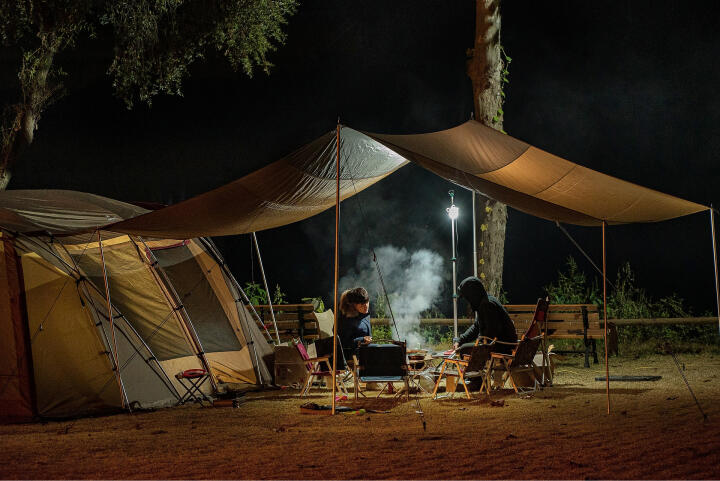
When choosing a tent, there are several factors to consider, including:
The first consideration when choosing a tent is the intended use. Will it be used for car camping, backpacking, or a combination of both? Car camping tents are typically larger and heavier, as they don’t need to be carried far from the vehicle. Backpacking tents, on the other hand, are designed to be lightweight and compact for easy carrying on hiking trips. It’s important to choose a tent that fits the specific needs of the intended use to ensure comfort and convenience.
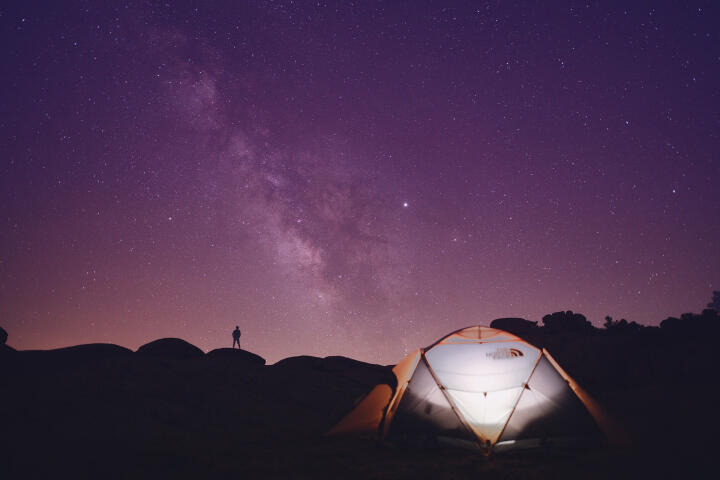
Capacity refers to the number of people that can comfortably fit inside the tent. When choosing a tent, it’s important to consider how many people will be sleeping in it. Tents come in various sizes, ranging from small one-person tents to larger family-size tents that can accommodate six or more people.
It’s important to choose a tent that has enough space for everyone who will be using it, as well as their gear. For example, if you’re camping with a partner, a two-person tent may be sufficient. However, if you’re camping with children or a group of friends, a larger tent may be necessary. Keep in mind that larger tents are usually heavier and bulkier to carry and may require more effort to set up.

Seasonality is another important factor to consider when choosing a tent. Different tents are designed for different seasons and weather conditions, so it’s important to choose a tent that is suitable for the climate you will be camping in.
For example, a three-season tent is suitable for camping in the spring, summer, and fall, but may not provide adequate protection against harsh winter weather. On the other hand, a four-season tent is designed to withstand heavy snow and strong winds, making it suitable for winter camping.
It’s important to note that a four-season tent may not be comfortable to use in warm weather, as it is designed to retain heat and keep out cold air. Therefore, it’s important to choose a tent that is appropriate for the season and climate you will be camping in.

When choosing a tent, weight and portability are important considerations, especially if you plan on hiking or backpacking. The weight of a tent is typically listed in the product specifications, and it can vary greatly depending on the size and materials used.
If you plan on carrying your tent for long distances, a lightweight and compact option is ideal. Look for tents made from lightweight materials such as nylon, and consider the packed size of the tent to ensure it will fit in your backpack. Keep in mind that ultralight tents may sacrifice some durability and weather resistance.
On the other hand, if you plan on car camping or setting up a base camp, a heavier and more spacious tent may be suitable. While they may not be as easy to carry around, they can offer more comfort and room for gear storage.
Ultimately, the weight and portability of a tent will depend on your individual needs and intended use.
Price is another important consideration when choosing a tent. Tents come in a wide range of prices, from budget-friendly options to high-end, expensive models. It’s important to consider your budget and what features are most important to you. Keep in mind that a higher price does not always guarantee better quality or performance.
If you are a beginner camper or only plan on using your tent for occasional trips, a lower-priced tent may be sufficient. However, if you plan on camping frequently or in more extreme conditions, it may be worth investing in a higher-quality, more expensive tent.
It’s also worth considering the long-term cost of the tent. A higher-priced tent may last longer and require less frequent replacement, ultimately saving you money in the long run.
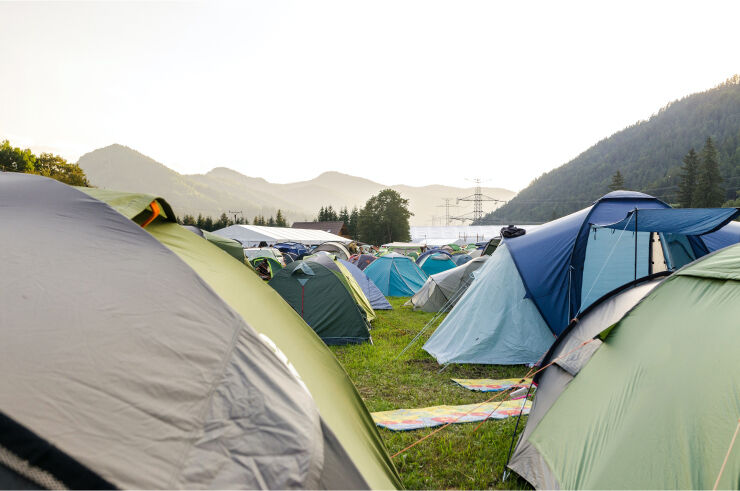
There are several types of tents available, each designed to serve a specific purpose. Here are some of the most common types of tents:
It’s essential to choose the right type of tent for your specific needs to ensure that you have a comfortable and enjoyable camping experience.
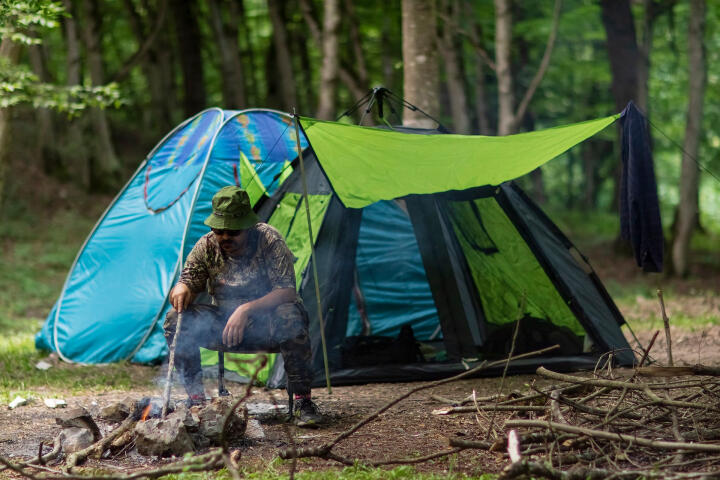
Backpacking tents are lightweight and designed for easy portability. They typically have a smaller capacity, ranging from one to four people. They are made with lightweight materials such as nylon or polyester and often have a simple design to minimize weight.
Backpacking tents can be divided into two categories: freestanding and non-freestanding. Freestanding tents have a self-supporting structure and can be set up without the need for stakes or guylines. Non-freestanding tents require stakes and guylines to be set up.
When choosing a backpacking tent, it’s important to consider the weight, size, and durability of the tent. It’s also essential to choose a tent that can withstand the weather conditions you’ll encounter on your backpacking trip.
Family tents are designed to accommodate larger groups of people, typically ranging from four to ten individuals. They are typically more spacious and offer higher headroom compared to backpacking tents. Family tents can be further classified into cabin-style tents and dome tents.
Cabin-style family tents are characterized by their vertical walls, which create a more spacious interior with higher headroom. They offer better comfort and convenience with features such as multiple rooms, dividers, and even built-in lighting. They are ideal for families or groups who prioritize comfort and space over weight and portability.
Dome family tents, on the other hand, have sloping walls and a rounded shape, which make them more aerodynamic and resistant to wind. They are typically lighter and more compact than cabin-style tents, making them a good choice for car camping or shorter backpacking trips. However, they offer less headroom and interior space compared to cabin-style tents.
Car camping tents are designed for use in campsites that are easily accessible by car. They tend to be larger and more spacious than backpacking tents, and are often designed with more headroom and livable space. Car camping tents are generally heavier and bulkier than backpacking tents, but they offer more comfort and convenience.
When choosing a car camping tent, it’s important to consider the size and layout of the tent. Some car camping tents are designed to accommodate large families, while others are more suited for smaller groups or couples. It’s also important to consider the features of the tent, such as windows, doors, and ventilation, as well as the ease of setup.
Many car camping tents are designed with features such as built-in LED lighting, power ports for charging devices, and extra storage pockets. Some models even have built-in awnings or screened porches for additional living space. While these features can be convenient, they also add weight and bulk to the tent, so it’s important to strike a balance between comfort and portability.
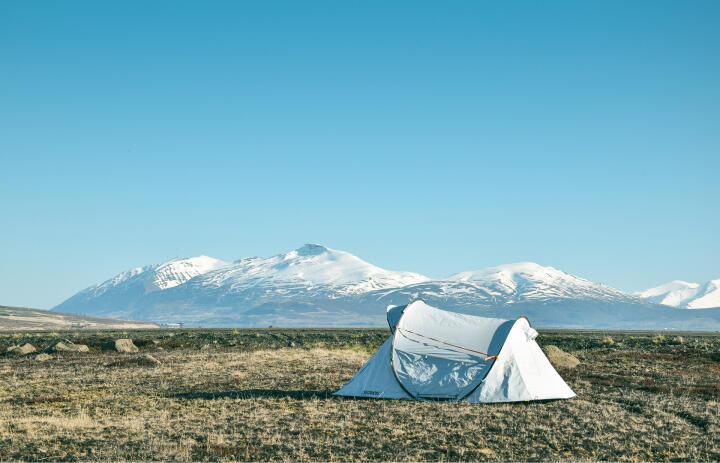
Ultralight tents are a popular choice for backpackers and hikers who prioritize weight and portability. These tents are designed to be as lightweight as possible while still providing adequate shelter from the elements.
Typically, ultralight tents are made with high-tech materials such as Dyneema or Cuben Fiber, which are incredibly lightweight but also very durable. They often have minimalistic designs with simple pole structures and minimal extra features.
One of the main benefits of ultralight tents is that they are easy to carry on long hikes and backpacking trips. They often weigh less than two pounds, making them much lighter than traditional backpacking tents.
However, ultralight tents also tend to be more expensive than other types of tents due to the high-tech materials used in their construction. They also may not be as spacious or comfortable as larger tents, making them less ideal for car camping or family trips.
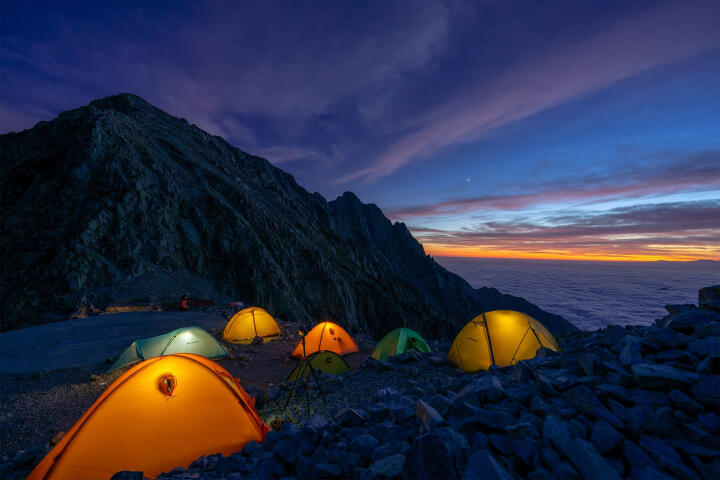
Four-season tents are designed to withstand harsh weather conditions and extreme temperatures, making them ideal for winter camping or mountaineering. They typically have a stronger frame, heavier-duty fabrics, and a sturdier design to withstand high winds and snow loads. They also feature less mesh and more solid fabric to retain heat and keep out wind and snow.
While four-season tents are highly durable and protective, they tend to be heavier and bulkier than other types of tents, making them less suitable for backpacking or other activities that require carrying gear for long distances. Additionally, their solid fabric design can make them stuffy and less comfortable in warmer weather conditions.
Overall, four-season tents are a specialized type of tent designed for specific outdoor activities and should only be considered if you plan to camp in harsh winter conditions or at high elevations.
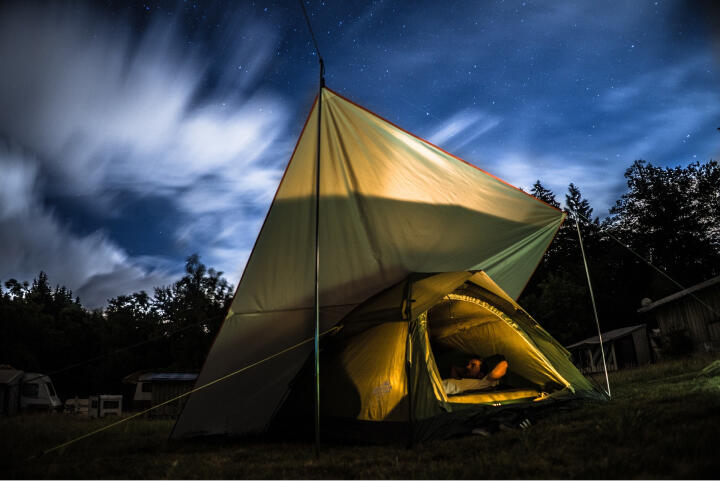
Some of the tent features to consider include:
When it comes to choosing a tent, size and dimensions are important factors to consider. The size of a tent is typically determined by its capacity, which refers to the number of people it can accommodate. However, it’s important to note that a tent’s capacity does not necessarily translate to the amount of livable space inside.
In addition to capacity, it’s important to consider the tent’s dimensions, including its length, width, and height. Taller individuals may want to look for tents with higher ceilings to ensure they have enough headroom. Similarly, individuals who tend to move around a lot in their sleep may want to opt for a tent with more floor space.
It’s also important to consider the packed size and weight of the tent, particularly if you plan on backpacking or hiking with it. Make sure the tent can easily fit into your backpack and won’t be too heavy to carry.
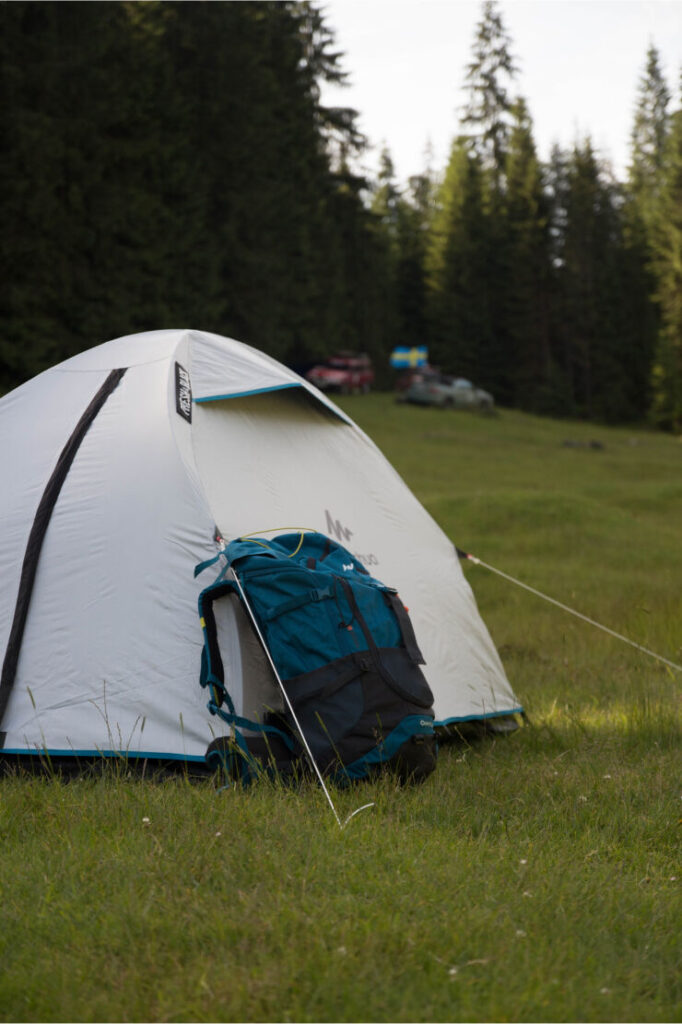
The pole structure and material are important considerations when choosing a tent. Tent poles can be made from a variety of materials, including aluminum, fiberglass, carbon fiber, and steel. Aluminum is the most popular choice for tent poles, as it is lightweight and durable.
The pole structure can also vary, with options like freestanding, semi-freestanding, and non-freestanding tents. Freestanding tents are the most popular, as they can be set up anywhere and are easy to pitch. Semi-freestanding tents require some type of anchor to keep them upright, while non-freestanding tents require stakes or guylines to stand up.
Tents with fewer poles may be easier to set up but may not be as stable in high winds. On the other hand, tents with more poles may be more stable but can be heavier and more challenging to pitch. It’s important to consider the conditions you will be camping in when selecting a tent with the appropriate pole structure and material.
Ventilation is an important factor to consider when choosing a tent. Good ventilation helps to reduce condensation and keep the air inside the tent fresh. Most tents come with vents that allow air to circulate, but some have better ventilation than others. Look for tents with mesh windows or vents near the top of the tent, which allow for hot air to escape and cool air to enter. Some tents also have adjustable vents that can be opened or closed depending on the weather conditions. Good ventilation is particularly important in humid or wet environments, where condensation can build up quickly inside the tent.
The rainfly is the outer layer of the tent that protects against rain and wind. When choosing a tent, it’s important to consider the quality of the rainfly and its level of waterproofing.
Look for a rainfly that covers the entire tent and extends all the way to the ground to prevent rain from seeping in. The rainfly should also be made of a durable, waterproof material that can withstand heavy rain and wind.
Additionally, check the waterproof rating of the tent. This is usually measured in millimeters and indicates the amount of water pressure the tent can withstand before leaking. A higher rating means the tent can withstand more water pressure and is more waterproof.
It’s also important to note that even the most waterproof tent can still leak if not set up properly. Make sure to properly stake out the rainfly and ensure that it is taut to prevent any pooling of water on the top of the tent.
When choosing a tent, it’s important to consider the setup and ease of use. Look for a tent that is easy to set up, as you don’t want to spend too much time struggling with poles and fabric when you’re tired from a day of hiking or other activities. Many tents come with color-coded poles and easy-to-follow instructions that make setup a breeze.
In addition, consider the shape of the tent and how it affects ease of use. Some tents are designed with a simple dome shape that makes setup and takedown quick and easy. Others have more complex designs, such as tunnel tents or geodesic tents, that can take more time and effort to assemble.
Finally, think about the features that make a tent easy to use while you’re camping. Look for tents with large doors and vestibules for easy entry and exit, as well as plenty of interior storage pockets to keep your gear organized. Also, consider the height of the tent, as a taller tent can make it easier to move around and get dressed inside.
Choosing the right tent can make a big difference in the success and enjoyment of your camping experience. When considering purchasing your first tent, take into account factors such as intended use, capacity, seasonality, weight and portability, price, and types of tents available. Also, consider tent features such as size and dimensions, pole material and structure, ventilation, rainfly and waterproofing, and setup and ease of use. With a little research and thought, you can find a tent that meets your needs and provides a comfortable and enjoyable outdoor experience.
 Do I Need a Camping Pillow?
 Best Camping Gear for Families
 Best Camping Gear For Beginners under $200