When it comes to selecting a backpack, choosing the right material can make a big difference in terms of durability, weight, and weather resistance. With so many options available, it can be overwhelming to know which material is right for your needs. This article will provide a guide to help you choose the right material for your backpack based on your intended use and personal preferences.
When choosing the right material for a backpack, there are several factors to consider, including:
Durability: The material should be able to withstand wear and tear, abrasion, and exposure to the elements.
Weight: The material should be lightweight enough to carry comfortably on long hikes, but also strong enough to hold heavy gear.
Water resistance: Depending on the climate and type of hiking, the material should be able to repel water or be waterproof to keep the contents of the backpack dry.
Breathability: The material should allow air to circulate to prevent excess heat and sweat buildup.
Cost: The cost of the material can affect the overall price of the backpack and should be considered when choosing the right material.
Sustainability: Consider choosing materials that are environmentally friendly and sustainable, such as recycled or natural materials.
Style: While not a primary factor, the style and appearance of the material can be a consideration for some hikers.
These factors will help determine the type of material that is best suited for the backpack’s intended use.
Types of Backpack Materials
When it comes to choosing the right material for a backpack, there are several options available, each with their own set of advantages and disadvantages. Some common materials used in backpacks include:
Nylon: This is the most common material used in backpacks. It is lightweight, durable, and abrasion-resistant, making it an excellent choice for outdoor activities like hiking and camping. Nylon backpacks also tend to be water-resistant, which is a plus for wet weather conditions.
Polyester: Like nylon, polyester is also a popular material for backpacks. It is lightweight and durable, but not as abrasion-resistant as nylon. However, it has better UV resistance than nylon, making it a good choice for backpacking in hot and sunny conditions.
Cordura: This is a high-performance nylon fabric that is known for its durability and resistance to abrasions, tears, and punctures. Cordura is often used in backpacks designed for heavy-duty use, such as military and tactical backpacks.
Ripstop: Ripstop fabrics are made with a special weaving technique that reinforces the material and prevents it from tearing or ripping. This makes ripstop backpacks a good choice for outdoor activities where the backpack is likely to come into contact with rough terrain.
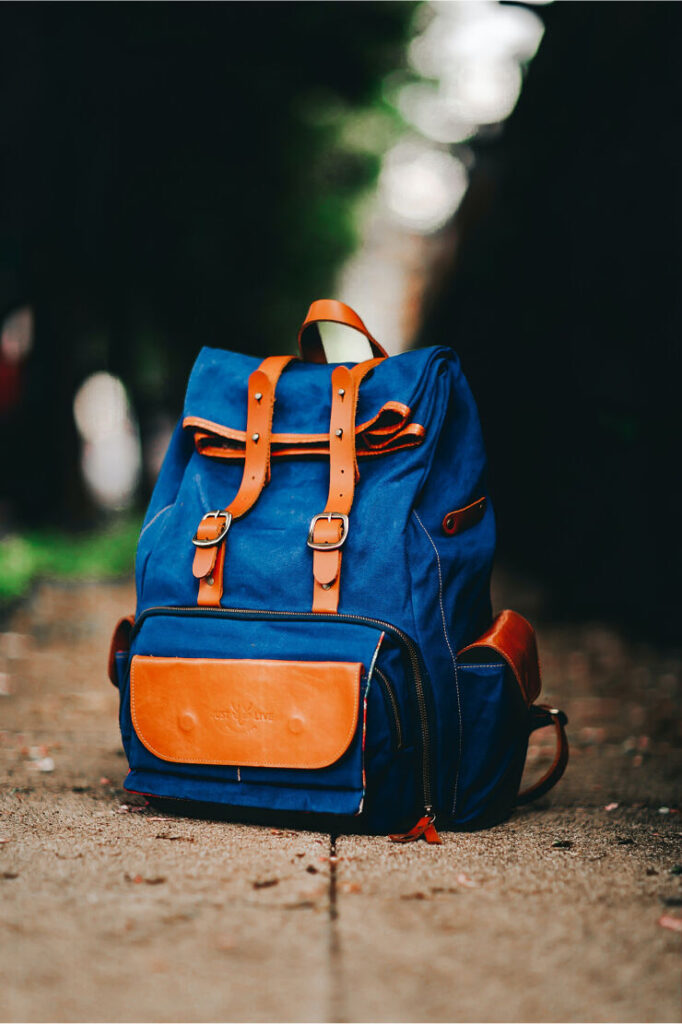
Leather: Leather backpacks are popular for their durability and classic look. They are generally heavier than nylon or polyester backpacks and require more maintenance to keep them in good condition. Leather backpacks are often used for casual, urban use rather than outdoor activities.
Canvas: Canvas backpacks are made from a heavy-duty woven fabric that is breathable, water-resistant, and durable. They are often used in casual backpacks for daily use or light outdoor activities.
Mesh: Mesh is a lightweight and breathable material that is often used in backpacks for ventilation and to keep items separate from one another.
Each of these materials has its own strengths and weaknesses, so it’s important to consider your needs and the type of activities you’ll be doing when selecting a backpack material.
Key Features to Look for in Backpack Material
When choosing the right material for a backpack, there are several key features to look for. These include:
Durability: The material should be able to withstand the rigors of hiking and outdoor activities, as well as regular wear and tear.
Water Resistance: Depending on the type of activity and weather conditions, water resistance may be important to protect the contents of the backpack.
Weight: The weight of the material can affect the overall weight of the backpack, which is an important consideration for hikers and backpackers.
Breathability: The material should allow air to circulate to prevent excessive sweating and keep the contents of the backpack dry.
Comfort: The material should feel comfortable against the skin and not cause irritation or chafing.
Style: The material should match the style and intended use of the backpack, whether it’s for day hikes, multi-day backpacking trips, or urban commuting.
Environmental impact: Consider the environmental impact of the materials used in the backpack and opt for sustainable and eco-friendly options where possible.
Considerations for Specific Backpack Uses
When choosing the right material for a backpack, it’s important to consider the specific use or activity for which the backpack will be used. Here are some considerations for specific backpack uses:
Day Hiking: For day hikes, a lightweight backpack made from nylon or polyester is typically sufficient. Look for a backpack that is durable, has a hydration system, and offers good ventilation.
Backpacking: For backpacking, you’ll need a backpack that is more durable and can carry heavier loads. Look for a backpack made from high-quality nylon or polyester, with a water-resistant or waterproof coating. Consider a backpack with a suspension system that distributes the weight evenly across your hips and shoulders, and offers good ventilation to prevent overheating.
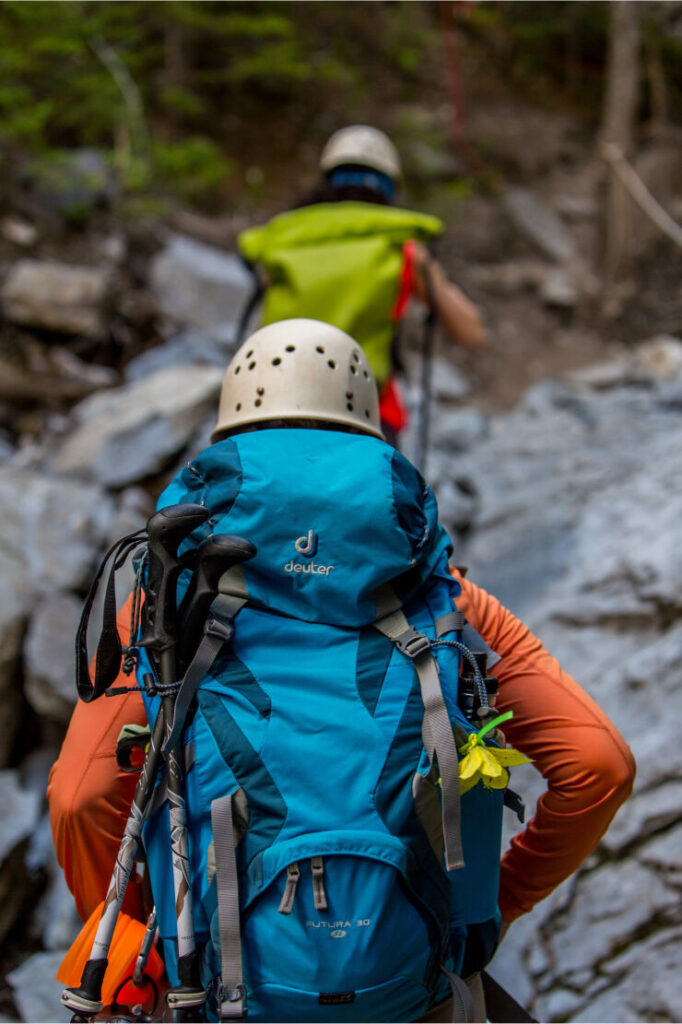
Mountaineering: For mountaineering, you’ll need a backpack that is strong, lightweight, and weather-resistant. Look for a backpack made from a high-quality, ripstop nylon material, with a waterproof or water-resistant coating. Consider a backpack with an ice axe loop, crampon attachments, and a padded hip belt for carrying heavy loads.
Travel: For travel, you’ll need a backpack that is durable and offers good organization. Look for a backpack made from high-quality nylon or polyester, with multiple compartments and pockets for organizing your belongings. Consider a backpack with a padded laptop sleeve and comfortable shoulder straps for carrying heavier loads.
School/Work: For school or work, a backpack made from durable materials such as polyester or nylon is typically sufficient. Look for a backpack with multiple compartments and pockets for organizing your belongings, and a padded laptop sleeve for protecting your computer. Consider a backpack with comfortable shoulder straps and a padded back panel for carrying heavier loads.
Overall, when considering the specific use or activity for which you’ll be using your backpack, it’s important to choose a material that is durable, lightweight, and offers the right features and organization for your needs.
Care and Maintenance
Taking care of your backpack is essential to ensure its longevity and durability. Here are some tips for caring and maintaining your backpack:
Cleaning: Regular cleaning of your backpack will help to keep it in good condition. Use a damp cloth or sponge to wipe the exterior and interior of the backpack. For stubborn stains, you can use a gentle soap or a specific backpack cleaner. Avoid using harsh chemicals that may damage the material.
Drying: After cleaning, dry your backpack completely before storing it. Air dry it by hanging it up or laying it on a flat surface in a well-ventilated area. Do not put it in a dryer or expose it to direct sunlight, as this may damage the material.
Storage: When not in use, store your backpack in a dry, cool, and well-ventilated area. Avoid storing it in damp or humid places as this may cause mildew or mold growth. Keep it away from direct sunlight to prevent fading or discoloration.
Repairs: Check your backpack regularly for any signs of wear and tear. Repair any damages immediately to prevent further damage. Most backpack materials can be repaired using a patch or a specific repair kit. Follow the manufacturer’s instructions carefully.
Waterproofing: If your backpack is not waterproof, you can apply a waterproof coating to protect it from moisture. There are various waterproof sprays and coatings available that can be applied to most backpack materials. Follow the manufacturer’s instructions carefully.
By following these care and maintenance tips, you can ensure that your backpack lasts for many years, and you get the most out of your investment.
Budget Considerations
When selecting a material for a backpack, budget is an important factor to consider. While there are high-quality materials that can last for years, they can be quite expensive. On the other hand, budget-friendly materials may not be as durable or long-lasting.
It’s important to find a balance between cost and quality. Investing in a higher-quality material may cost more upfront, but it can save money in the long run as the backpack will last longer and need to be replaced less frequently.
However, it’s also important to consider the intended use of the backpack. If it will only be used occasionally or for short trips, a more budget-friendly option may be sufficient. On the other hand, if the backpack will be used frequently or for long trips, it’s worth investing in a higher-quality material.
Ultimately, the key is to do research and compare options to find the best material for the budget and intended use of the backpack.
Conclusion
In conclusion, choosing the right material for a backpack is crucial for comfort, durability, and performance. When selecting a material, it is important to consider factors such as weight, breathability, water resistance, durability, and cost. Additionally, it is essential to match the material to the specific use of the backpack. Taking good care of the backpack and maintaining it can also extend its life and ensure it performs well on future trips. Finally, budget is an important consideration, but investing in a high-quality backpack made from the right material is a wise investment in your outdoor adventures. With these factors in mind, you can confidently select the best material for your next backpack.





 Do I Need a Camping Pillow?
 Best Camping Gear for Families
 Best Camping Gear For Beginners under $200