When heading out on camping adventures, a reliable and versatile knife is an essential tool that can serve a variety of purposes. Whether it’s preparing food, building a shelter, cutting ropes, or handling general outdoor tasks, a good camping knife can make your camping experience safer and more enjoyable.
Choosing the right camping knife can be a daunting task with the multitude of options available. This article will guide you through the factors to consider when selecting a knife for camping. From blade type and material to handle design and portability, we’ll cover all the essential aspects to help you make an informed decision.
By the end of this guide, you’ll have a clear understanding of what to look for in a camping knife that best suits your outdoor needs, ensuring you have a reliable companion on all your camping adventures. Let’s dive in and explore how to choose the best knife for camping!
Blade Type and Purpose
The first and most crucial consideration when choosing a camping knife is the blade type and its intended purpose. Different blade shapes and styles excel at specific tasks, so it’s essential to select one that matches your camping needs.
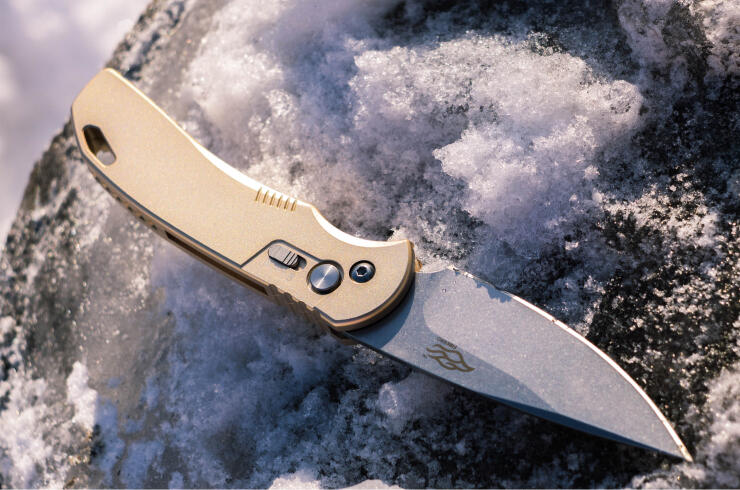
Drop Point Blade: The drop point is a versatile and popular blade shape for camping knives. It features a convex curve from the spine to the tip, making it ideal for general camping tasks like cutting, slicing, and carving. The sturdy point and large belly provide excellent control and precision.
Clip Point Blade: The clip point blade has a concave cutout near the spine, resulting in a more delicate, fine-tipped design. It is well-suited for tasks requiring precision, such as intricate wood carving or preparing food.
Tanto Blade: Tanto blades have a distinct chisel-like tip and a strong point, making them excellent for heavy-duty tasks and piercing through tough materials. However, they might be less versatile for general camping tasks.
Serrated Blade: Some camping knives have partially serrated edges, which are beneficial for cutting through tough materials like rope or thick branches. However, they can be challenging to sharpen and may not perform as well for precise slicing.
Full Tang vs. Partial Tang: Look for a camping knife with a full tang, where the blade extends through the handle. Full tang knives offer increased strength and durability, ensuring the knife can handle demanding tasks without breaking.
Consider the primary tasks you’ll be using the knife for while camping, and choose a blade type that aligns with those needs. A drop point or clip point blade is typically a safe bet for overall camping versatility.
Blade Material and Construction
The blade material and construction significantly impact the performance and durability of a camping knife. Quality materials and proper construction are essential for a reliable and long-lasting tool.
Stainless Steel: Stainless steel blades are popular for camping knives due to their corrosion resistance and ease of maintenance. They are less likely to rust when exposed to moisture, which is crucial during camping trips where conditions can be unpredictable.
High Carbon Steel: High carbon steel blades are known for their exceptional sharpness and edge retention. They can handle heavy-duty tasks and retain their edge for extended periods. However, they are more prone to corrosion, so proper care and maintenance are necessary.
Blade Coating: Some camping knives feature blade coatings, such as titanium or ceramic, to enhance corrosion resistance and durability. These coatings can also reduce glare and reflection, making them suitable for tactical or stealth camping situations.
Blade Thickness: The thickness of the blade affects its strength and cutting ability. Thicker blades are more robust and suitable for heavy chopping or batoning wood, while thinner blades excel at precision tasks like slicing and skinning.
Heat Treatment: A well-tempered blade will have undergone a proper heat treatment process, which enhances its hardness, toughness, and overall performance. Look for knives with reputable heat treatment methods to ensure a reliable blade.
Edge Grind: The grind of the blade’s edge determines its cutting performance. Common edge grinds include hollow grind, flat grind, and convex grind. Hollow grinds are excellent for slicing, while flat grinds offer better strength for heavy-duty tasks.
Blade Length: The ideal blade length depends on your camping needs and personal preferences. A shorter blade is more maneuverable and suited for intricate tasks, while a longer blade is better for chopping and slicing larger items.
When choosing a camping knife, prioritize high-quality materials, durable construction, and a blade that suits your intended use. A well-made knife with the right materials will provide reliable performance and withstand the rigors of camping adventures.
Blade Length and Design
Blade length and design are important considerations when choosing a camping knife. The right blade length and design can significantly impact the knife’s versatility and performance in various camping tasks.
Blade Length: Camping knives come in a range of blade lengths, typically measured from the tip to the handle’s edge. The ideal blade length depends on the specific camping activities you plan to undertake. Here are some general guidelines:
Small Blades (2 to 4 inches): Ideal for detailed tasks like whittling, carving, and preparing food.
Medium Blades (4 to 6 inches): Versatile and suitable for a wide range of camping tasks, from food preparation to light chopping.
Large Blades (6 to 10 inches): Best for heavy-duty tasks like chopping wood and batoning, but may be less maneuverable for intricate work.
Blade Design: The shape and style of the blade influence its functionality. Common blade designs for camping knives include:
Drop Point: The spine of the blade slopes down to the tip, creating a strong and versatile blade with a large belly for slicing and skinning.
Clip Point: Features a concave cutout near the tip, making it suitable for piercing and delicate tasks.
Tanto: A strong, angular design with a reinforced tip for heavy-duty use and piercing tough materials.
Wharncliffe: A straight-edged blade with a slightly curved spine, excellent for controlled cuts and precise work.
Select a blade length and design that aligns with your camping needs. A versatile camping knife with the right blade can handle a variety of tasks and make your outdoor experience more enjoyable and efficient.
Handle Material and Ergonomics
The handle of a camping knife is as important as the blade, as it directly impacts the knife’s comfort, control, and overall performance. When choosing a camping knife, consider the handle material and ergonomics to ensure a secure and comfortable grip.
Handle Material: Camping knife handles are available in various materials, each with its own advantages and disadvantages. Common handle materials include:
Wood: Offers a classic and natural feel, but may require more maintenance to prevent warping or cracking in wet conditions.
Synthetic Materials (Rubber, G10, FRN): Provides excellent grip even in wet or slippery conditions. Synthetic handles are often more durable and low-maintenance.
Micarta: A popular choice for its combination of grip, durability, and aesthetics. It is made from layers of linen or paper impregnated with resin.
Choose a handle material that suits your preferences and offers a secure grip, especially when handling the knife for extended periods.
Ergonomics: The shape and design of the handle determine the knife’s ergonomics, which play a crucial role in preventing hand fatigue and ensuring precise control. Look for the following features in the handle design:
Contoured Shape: A well-contoured handle fits comfortably in your hand and provides a natural grip.
Finger Grooves: Finger grooves help to secure your grip and prevent the knife from slipping during use.
Full Tang Construction: A full tang knife has the blade extending through the entire length of the handle, enhancing strength and stability.
It’s essential to hold the knife in your hand before making a decision. Pay attention to how it feels and ensure it fits comfortably in your grip. A well-designed handle with proper ergonomics can make a significant difference in your camping knife’s performance and your overall camping experience.
Folding vs. Fixed Blade
When choosing a camping knife, one of the key decisions you’ll need to make is whether to go with a folding knife or a fixed blade knife. Each type has its own advantages and considerations, so it’s essential to understand the differences to make an informed choice.
Folding Knife:
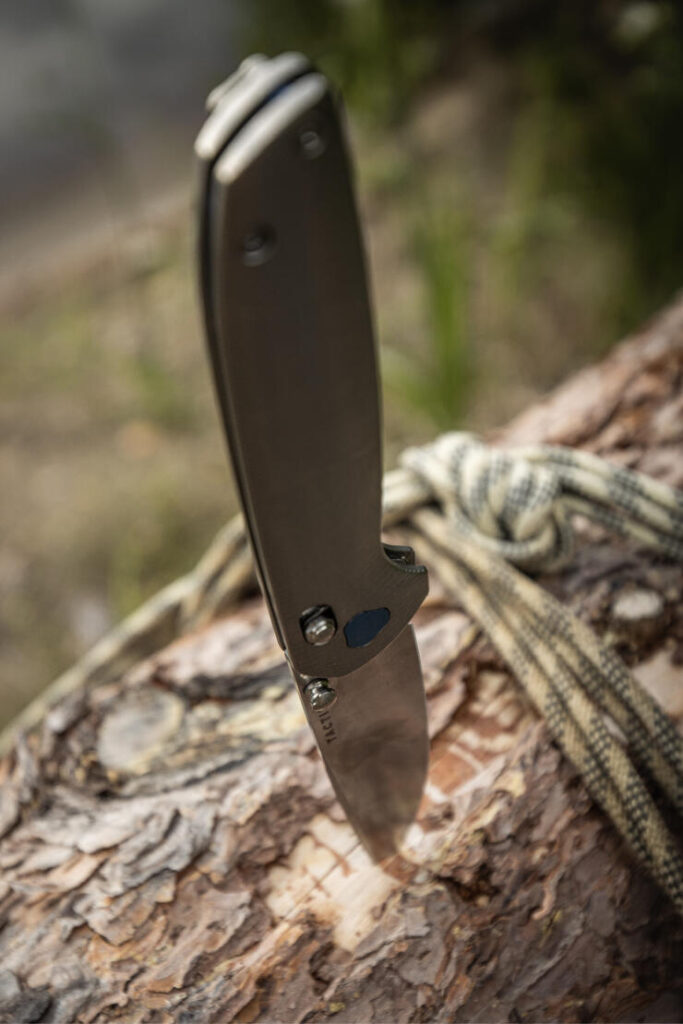
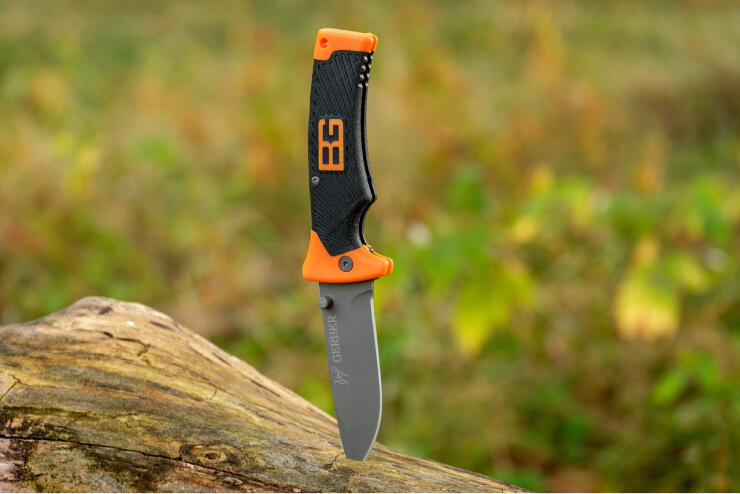
Portability: Folding knives are more compact and easier to carry due to their ability to fold the blade into the handle. This makes them convenient for everyday carry and reduces the risk of accidental cuts when not in use.
Safety: The folding mechanism adds a layer of safety, as the blade is enclosed within the handle when folded. This reduces the risk of injury during storage and transportation.
Versatility: Many folding knives come with additional features such as built-in tools (e.g., can openers, screwdrivers) and multiple blades for different purposes, enhancing their versatility.
Fixed Blade Knife:
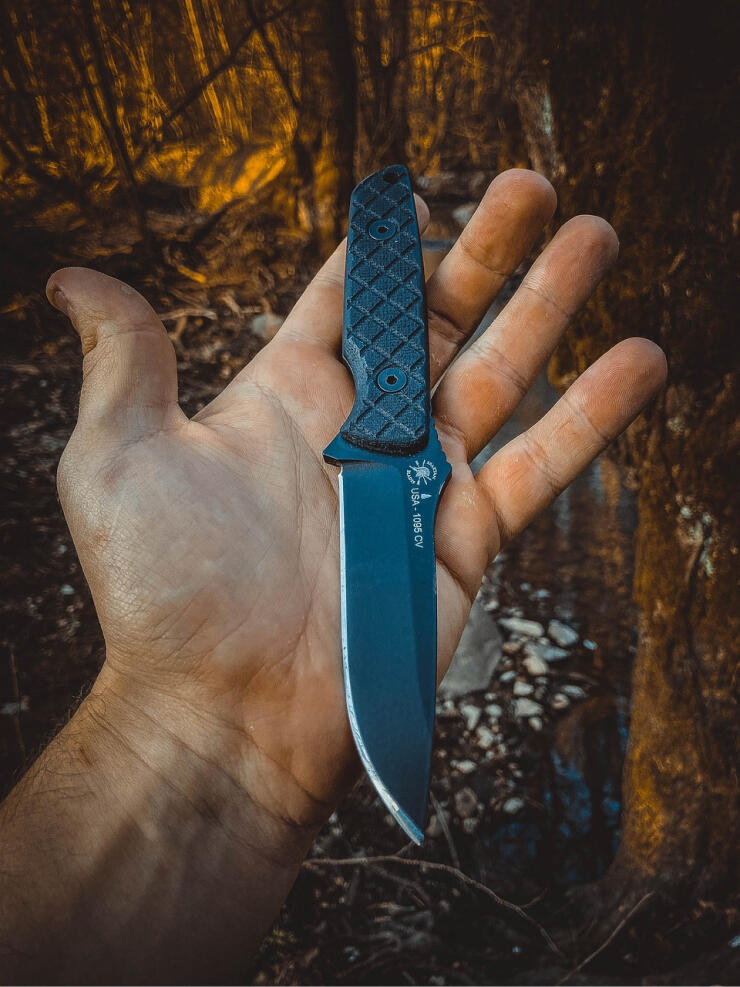
Strength and Durability: Fixed blade knives are generally stronger and more durable than folding knives because they lack moving parts. They can handle more demanding tasks and are less likely to break under heavy use.
Ease of Maintenance: Fixed blade knives are easier to clean and maintain since there are no moving parts or hinges that can accumulate dirt or debris.
Quick Deployment: Fixed blade knives can be quickly drawn and ready for use, making them ideal for situations where speed is essential.
Choosing between a folding knife and a fixed blade knife depends on your specific camping needs and preferences. If you value portability and the added safety of a knife that can be folded away when not in use, a folding knife may be the better option. On the other hand, if you prioritize strength, durability, and ease of maintenance for more demanding tasks, a fixed blade knife may be the right choice. Ultimately, the best knife for camping is the one that suits your style of camping and meets your requirements for functionality and convenience.
Locking Mechanism (For Folding Knives)
When selecting a folding knife for camping, it’s crucial to consider the locking mechanism. The locking mechanism is a crucial feature that ensures the blade stays securely in place during use, preventing accidental closures and potential injuries. There are several common types of locking mechanisms, each offering distinct advantages:
Liner Lock: One of the most popular locking mechanisms, the liner lock involves a spring-loaded metal liner that moves into position behind the blade when fully opened. It keeps the blade securely in place during use and releases the blade when the user presses the liner to the side.
Frame Lock: Similar to the liner lock, the frame lock employs a portion of the knife’s frame to secure the blade. When opened, the frame lock moves behind the blade to prevent accidental closing. Users can easily release the lock by pushing it to the side.
Back Lock (Lockback): The back lock is a robust and reliable locking mechanism found in many traditional folding knives. It features a metal spine on the handle that locks into a notch on the blade, holding it in position. To close the knife, users must press the lock release on the back of the handle.
Axis Lock: Popularized by Benchmade knives, the axis lock utilizes a bar that runs through the handle and engages with a notch in the blade. It provides smooth one-handed operation for both opening and closing.
Compression Lock: This locking mechanism, found in some Spyderco knives, uses a small piece of metal on the back of the handle that compresses against the blade tang to lock it in place. It offers strong lockup and easy one-handed closing.
Ball Bearing Lock: The ball bearing lock, commonly used in some of CRKT’s knives, utilizes a ball bearing to secure the blade. It offers smooth opening and closing with a simple push of the thumb.
When choosing a folding knife for camping, make sure to select one with a reliable and secure locking mechanism that suits your preferences and intended use. Safety is paramount, and a well-designed locking mechanism will provide confidence and peace of mind during your camping adventures.
Sheath or Carry Method
When choosing a knife for camping, you’ll also need to consider the sheath or carry method that comes with the knife. The sheath or carry method is essential for safely carrying and accessing your knife during outdoor activities. There are different options available, and the best choice depends on your personal preference and the type of camping you’ll be doing.
Belt Sheath: Many camping knives come with a belt sheath, which is attached to your belt or waistband for easy access. Belt sheaths are convenient and keep the knife securely in place during movement. They are ideal for quick access to the knife while keeping it safely stowed when not in use.
Neck Knife: Some campers prefer a neck knife, which is a small knife worn around the neck on a lanyard. Neck knives are compact and lightweight, making them easy to carry. They are best suited for smaller tasks and as a backup option.
Pocket Clip: Folding knives often come with a pocket clip, allowing you to carry the knife inside your pocket. Pocket clips offer discreet and comfortable carry, making the knife readily available for everyday tasks.
MOLLE-Compatible Sheath: For campers with MOLLE (Modular Lightweight Load-carrying Equipment) gear, a MOLLE-compatible sheath is a great choice. These sheaths have straps or loops that can be attached to MOLLE webbing on backpacks or other gear.
Boot Sheath: For those who prefer to carry a small backup knife, a boot sheath can be worn inside the boot or strapped to the ankle. Boot sheaths provide a concealed carry option.
Leg Sheath: Leg sheaths are designed to be strapped to the leg, offering a secure and accessible carry method, especially when you need to access the knife while sitting or crouching.
When choosing the sheath or carry method, consider factors such as comfort, accessibility, and the type of camping activities you’ll be engaged in. A good sheath or carry method will ensure your knife is easily accessible and safely stored while camping.
Weight and Portability
Weight and portability are essential considerations when choosing a camping knife. The weight and portability of your knife can significantly impact your overall camping experience, especially if you’ll be carrying it on your person for extended periods. Here are some factors to keep in mind:
Weight: A lightweight knife is generally preferred for camping as it won’t add much extra burden to your gear. Look for knives with blades made of lightweight materials like stainless steel or high-carbon steel. Additionally, consider the handle material, as heavy handle materials can increase the overall weight of the knife.
Size: The size of the knife plays a significant role in its portability. For camping, a compact and moderately sized knife is often the best choice. It should be large enough to handle various tasks but not too big to become cumbersome to carry. A blade length between 3 to 5 inches is typically suitable for most camping needs.
Folding Design: Folding knives are naturally more portable than fixed-blade knives because the blade can be safely tucked away when not in use. Look for folding knives with a smooth and secure locking mechanism to ensure safety during use.
Sheath or Carry Method: The chosen sheath or carry method can also impact portability. A knife with a lightweight and versatile sheath that can be attached to your belt, backpack, or gear is a practical option.
Multifunctionality: Consider selecting a knife with additional features, such as a built-in fire starter, whistle, or bottle opener. This way, you can reduce the need to carry multiple tools, making your overall camping setup more portable.
Knife Purpose: Different camping activities may require different knife types. If you have specific tasks in mind, like food preparation or woodwork, choose a knife that’s tailored to those tasks to ensure optimal portability.
Remember, a well-balanced knife that is lightweight and easy to carry will be more enjoyable to use during your camping adventures. Before making a decision, hold the knife in your hand and assess its weight and portability to ensure it feels comfortable and manageable for your needs.
Corrosion Resistance and Maintenance
Corrosion resistance and maintenance are crucial factors to consider when choosing a camping knife, especially if you’ll be exposed to wet or humid conditions. Here’s what you need to know:
Corrosion Resistance: The knife’s ability to resist corrosion is essential, especially if you plan to use it in damp environments, near water bodies, or during rainy weather. Stainless steel blades are generally more corrosion-resistant than high-carbon steel blades. Look for knife blades made from stainless steel with added elements like chromium and vanadium, which enhance their resistance to rust and corrosion.
Blade Coating: Some camping knives come with blade coatings, such as titanium nitride or ceramic coatings, which add an extra layer of protection against corrosion. These coatings can also provide a non-reflective surface and reduce the risk of scratching.
Maintenance: Proper maintenance is essential to ensure your camping knife stays corrosion-free and functions optimally throughout your camping trips. After each use, it’s crucial to clean the blade thoroughly with soap and water, especially if it comes into contact with food or corrosive substances. Dry the knife completely to prevent moisture from lingering on the blade.
Lubrication: Applying a light coat of oil or lubricant to the blade and any exposed metal parts can help prevent corrosion. Use a food-grade mineral oil or specialty knife oil for this purpose.
Avoid Harsh Conditions: While camping, try to avoid leaving your knife in harsh conditions for extended periods. For example, don’t leave it exposed to saltwater, acidic substances, or extreme humidity, as these conditions can accelerate corrosion.
Storage: Store your knife in a dry and clean place when not in use. Consider using a knife sheath or a dedicated storage case to protect the blade from moisture and contact with other metal objects.
Regular Inspection: Periodically inspect your knife for any signs of corrosion or damage. If you notice any issues, clean and address them promptly to prevent further deterioration.
Remember that proper maintenance is essential to keep your camping knife in top condition and extend its lifespan. By choosing a knife with good corrosion-resistant properties and following maintenance best practices, you can ensure your camping knife remains a reliable and functional tool for your outdoor adventures.
Budget Considerations
Budget considerations are important when choosing a camping knife. Here are some factors to keep in mind:
Price Range: Determine your budget for the camping knife before you start looking for options. Knives can vary widely in price, and setting a budget will help narrow down your choices.
Quality vs. Cost: While it’s tempting to opt for the cheapest option available, keep in mind that the quality of the knife is crucial for safety and durability. A higher-quality knife may cost more initially but will likely last longer and perform better, making it a better long-term investment.
Brand Reputation: Established and reputable brands often offer better quality products. Look for well-known brands with positive customer reviews and a history of producing reliable camping knives.
Material and Features: The materials used in the knife’s construction, such as blade steel and handle material, can significantly impact the price. Knives with premium materials and advanced features will generally be more expensive.
Need vs. Want: Consider your specific camping needs and how you plan to use the knife. Avoid spending extra money on features you won’t utilize during your camping trips.
Value for Money: Look for a camping knife that offers good value for money by balancing quality, features, and price. Sometimes, spending a bit more upfront can save you money in the long run, as a well-made knife will require less frequent replacement.
Sales and Discounts: Keep an eye out for sales, promotions, and discounts, especially during holiday seasons or special events. You might find high-quality camping knives available at more affordable prices during such times.
Warranty and Customer Support: Check if the knife comes with a warranty, as this can provide peace of mind regarding the knife’s durability. Additionally, good customer support from the manufacturer can be beneficial if you encounter any issues with the product.
Ultimately, finding the right balance between price and quality is essential when choosing a camping knife. By considering your budget and evaluating the features and materials that matter most to you, you can select a camping knife that meets your needs without overspending.
Conclusion
In conclusion, choosing the right camping knife is essential for a successful and enjoyable outdoor adventure. Consider your specific camping needs, the intended use of the knife, and the features that are most important to you. Pay attention to the blade type, material, and design, as well as the handle material and ergonomics for a comfortable and secure grip.
Decide whether a folding or fixed-blade knife suits your preferences and activities better, and if it’s a folding knife, look for a reliable locking mechanism. Don’t forget to consider the weight and portability of the knife, as well as its corrosion resistance and maintenance requirements.
While budget considerations are important, prioritize quality and functionality over the price. Investing in a well-made camping knife from a reputable brand can save you money in the long run by ensuring the knife lasts for many camping trips.
By carefully evaluating these factors, you can confidently choose a camping knife that will be your reliable companion during your outdoor excursions, assisting you with various tasks and providing you with peace of mind and safety while camping. Happy camping and happy knife choosing!



 Do I Need a Camping Pillow?
 Best Camping Gear for Families
 Best Camping Gear For Beginners under $200