Hiking in the mountains is a thrilling and rewarding experience, but it also presents unique challenges that demand proper footwear. Selecting the right mountain hiking boots or shoes is crucial for your safety, comfort, and performance on the trails. In this guide, we will explore the essential factors to consider when choosing the perfect pair of hiking footwear for your mountain adventures.
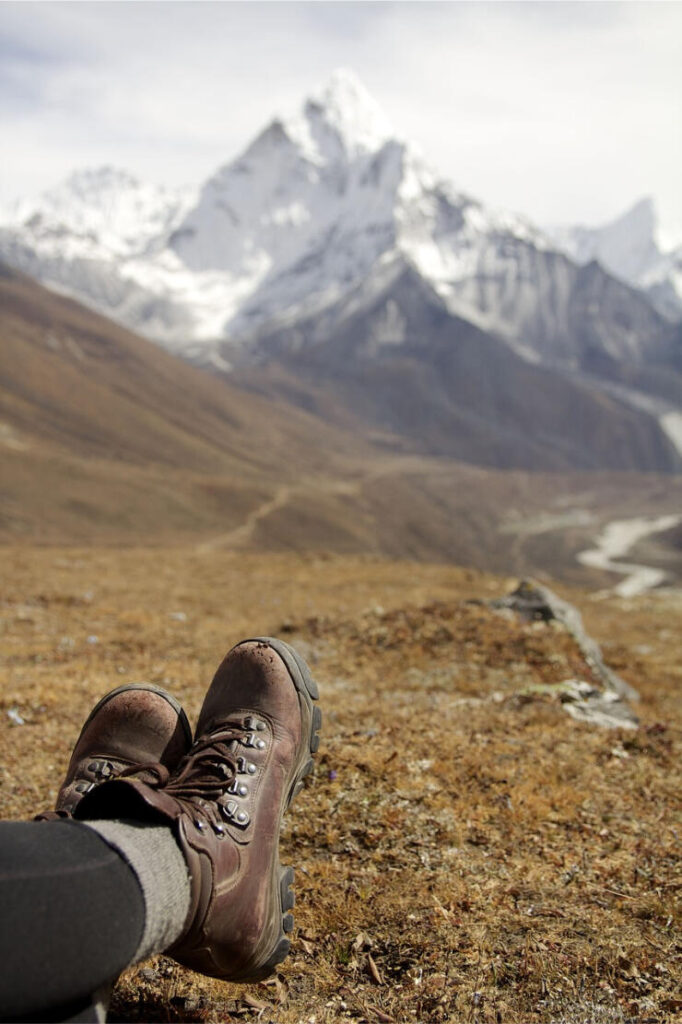
Understanding your hiking needs is the first step in choosing the right mountain hiking boots or shoes. Consider the following aspects:
Understanding these aspects will help you narrow down the options and find hiking boots or shoes that match your specific requirements. Keep in mind that choosing the right footwear is essential for a safe and enjoyable mountain hiking experience.
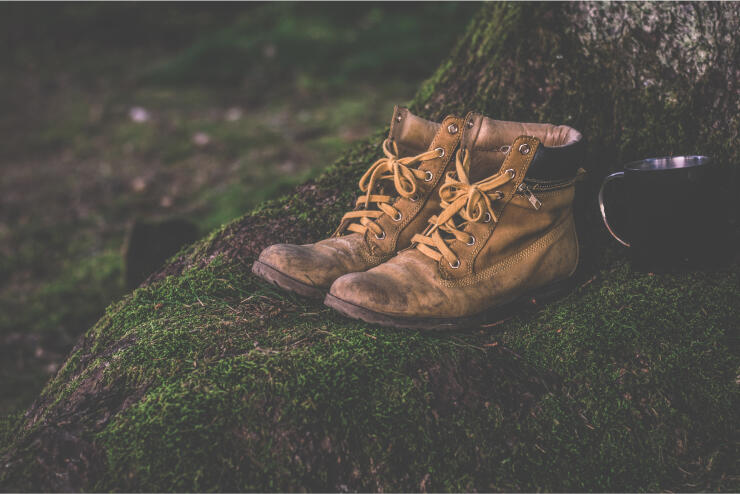
Knowing your hiking style is crucial in selecting the right mountain hiking boots or shoes. Consider the following hiking styles to help you choose the most suitable footwear:
Knowing your preferred hiking style will help you focus on the features and characteristics that best match your activities, ensuring you have the right level of support, traction, and protection for your adventures.
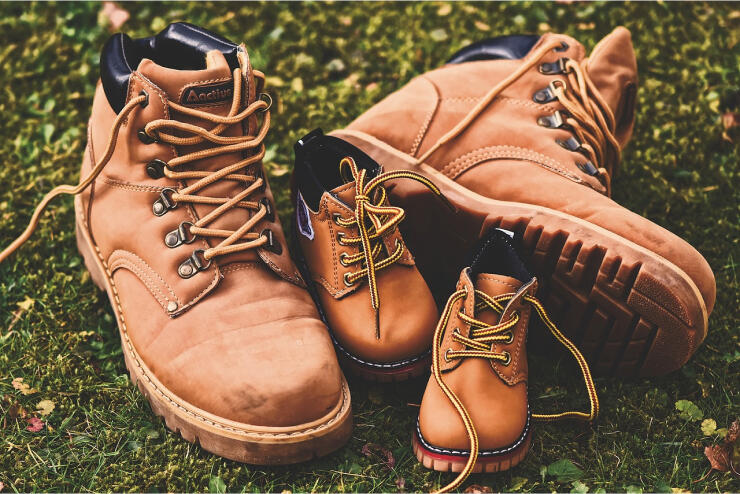
Ensuring a proper fit and size is essential when choosing mountain hiking boots or shoes. Here are some tips to help you find the right fit:
Always prioritize comfort and fit over aesthetics. Ill-fitting footwear can lead to discomfort and blisters, potentially ruining your hiking experience. Taking the time to find the right fit will ensure your feet are happy and supported during your mountain adventures.
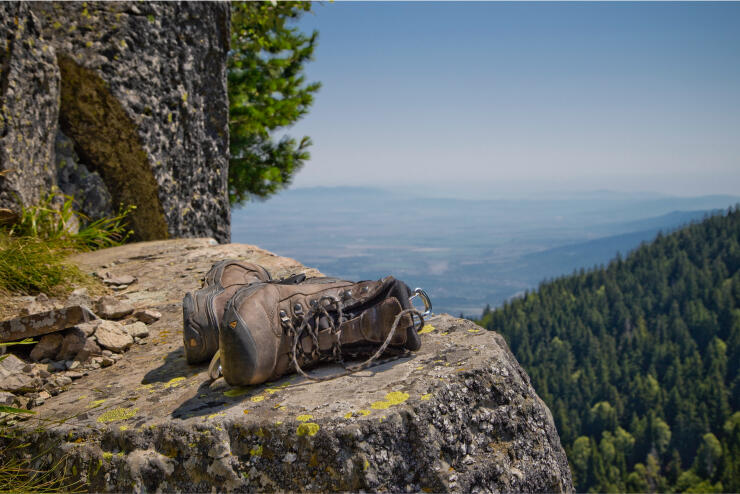
The materials and construction of your mountain hiking boots or shoes play a significant role in their performance and durability. Here are some key factors to consider:
1. Upper Materials: Hiking boots and shoes can have uppers made of various materials, each offering different benefits. Common upper materials include:
2. Waterproofing: If you plan to hike in wet or rainy conditions, consider boots with waterproof membranes like Gore-Tex® or eVent®. These liners help keep water out while allowing moisture to escape, keeping your feet dry and comfortable.
3. Breathability: For warm or dry climates, breathable materials are crucial to prevent excessive sweat and discomfort. Look for boots or shoes with mesh panels or breathable fabrics to enhance ventilation.
4. Midsole Material: The midsole is a critical component for providing support, cushioning, and stability. EVA (ethylene-vinyl acetate) foam midsoles are common in hiking footwear and offer a good balance of comfort and durability.
5. Outsole Design: The outsole provides traction and grip on various terrains. Look for boots or shoes with deep, aggressive lugs and a pattern that suits the types of trails you plan to hike.
6. Toe and Heel Protection: Reinforced toe caps and heel cups provide extra protection against rocks and debris, reducing the risk of injury.
7. Construction: Hiking footwear can be constructed using various methods, including:
8. Weight: Consider the weight of the boots or shoes, especially if you prefer lightweight options for fast hiking or backpacking trips.
9. Durability: Look for quality construction and materials that can withstand the rigors of mountain hiking, ensuring your footwear will last for many adventures.
Choosing the right materials and construction for your mountain hiking boots or shoes will not only affect their performance but also impact your comfort and safety during your outdoor excursions.
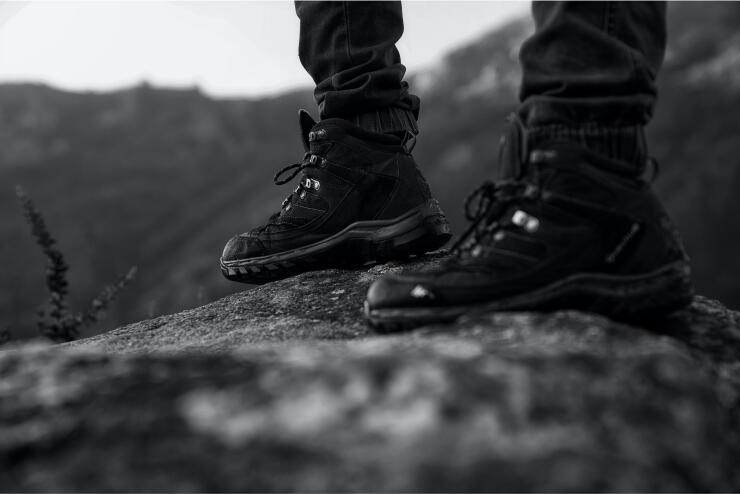
Ankle support and stability are critical factors to consider when choosing mountain hiking boots or shoes, especially for rugged and challenging terrains. The level of ankle support you need will depend on the type of hiking you plan to do and your personal preferences. Here are some points to keep in mind:
1. High-Cut vs. Low-Cut: Hiking boots typically come in two main styles – high-cut and low-cut.
2. Terrain and Trail Difficulty: Consider the type of terrain you’ll encounter on your hikes. Steep and rocky trails or uneven surfaces may require more ankle support to prevent sprains and injuries.
3. Personal Ankle Strength: If you have weak ankles or a history of ankle injuries, opting for high-cut boots with sturdy ankle support can help prevent accidents and provide added confidence on the trails.
4. Weight and Pack Load: The weight of your backpack and the load you carry can impact your ankle stability. Heavier loads may warrant higher-cut boots to handle the additional weight.
5. Flexibility vs. Rigidity: High-cut boots tend to be more rigid, which can limit ankle flexibility. Consider whether you need more ankle mobility or prefer the added stability of a stiffer boot.
6. Break-In Period: High-cut boots may require a longer break-in period compared to low-cut shoes. Make sure to wear your chosen footwear around the house or on short walks before heading out on longer hikes.
7. Personal Comfort: Ultimately, the level of ankle support you choose should be based on your comfort and confidence. Some hikers feel more secure with the added support of high-cut boots, while others prefer the freedom of movement offered by low-cut shoes.
Remember that individual preferences vary, and what works for one person may not suit another. It’s essential to try on different styles and brands of hiking boots to find the best fit and support for your specific needs. Prioritize ankle stability and comfort to ensure an enjoyable and safe hiking experience in the mountains.

Cushioning and comfort are crucial considerations when choosing mountain hiking boots or shoes. The right level of cushioning can enhance your hiking experience by providing support, reducing fatigue, and absorbing impact. Here are some factors to keep in mind:
1. Midsole Material: The midsole is the layer between the outsole and the insole of the shoe. It is responsible for cushioning and support. Common midsole materials include EVA (ethylene-vinyl acetate) and polyurethane (PU). EVA is lightweight and provides good cushioning, while PU is more durable and provides excellent support for longer hikes and heavy loads.
2. Insole Quality: The insole, also known as the footbed, plays a significant role in cushioning and arch support. High-quality insoles can help prevent foot fatigue and discomfort. Some hiking boots come with removable insoles, allowing you to replace them with custom or orthopedic insoles for a personalized fit.
3. Padding and Collar Design: Look for boots with ample padding around the ankle collar and tongue. Well-padded collars can prevent chafing and improve overall comfort, especially during extended hikes.
4. Shock Absorption: Consider the level of shock absorption provided by the boots. This is particularly important when hiking on rocky or uneven terrain, as good shock absorption helps reduce the impact on your joints and feet.
5. Flexibility: While ankle support and stability are essential, the boots should still allow for some degree of flexibility. Flexible boots allow for a more natural stride and adapt better to uneven terrains.
6. Proper Sizing and Fit: The best cushioning will not matter if the boots do not fit correctly. Proper sizing and fit are crucial for comfort. Make sure to try on boots with the socks you intend to wear while hiking to ensure a proper fit.
7. Break-In Period: Keep in mind that even the most comfortable hiking boots may require a break-in period. Wear your boots around the house or on short walks to allow the materials to soften and mold to your feet.
8. Weight Considerations: While cushioning is essential for comfort, be mindful of the overall weight of the boots. Heavy boots may cause more fatigue during long hikes, so strike a balance between cushioning and weight.
9. Brand and Reviews: Research different brands and read reviews from other hikers to get an idea of how well the boots perform in terms of cushioning and comfort.
Remember that individual preferences vary, so it’s essential to try on different boots and styles to find the most comfortable option for your feet. Comfortable hiking boots can significantly enhance your outdoor experience and allow you to focus on enjoying the journey rather than worrying about discomfort.
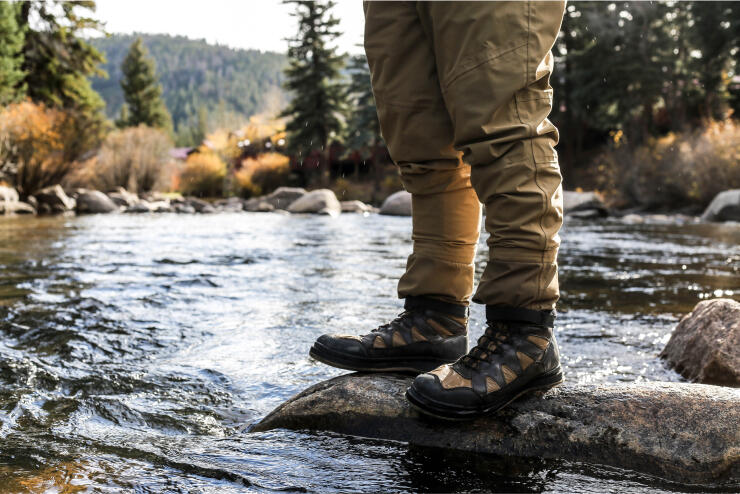
Weight and packability are important factors to consider when choosing mountain hiking boots or shoes. Here’s why they matter:
1. Weight: The weight of your footwear can significantly impact your hiking performance. Lighter boots are generally more comfortable and less fatiguing, especially during long hikes or when covering challenging terrains. They allow for a more natural stride and reduce the overall load on your legs and feet. If you plan to engage in fast-paced hikes or backpacking trips, lighter boots are preferable.
2. Packability: When you’re not wearing your hiking boots, you’ll need to pack them in your backpack or gear bag. Having packable boots can save space and make it easier to organize your gear. Some hiking boots are designed to be more compressible and foldable, making them ideal for backpackers and travelers with limited storage.
3. Materials: The weight and packability of hiking boots are often influenced by the materials used in their construction. For instance, synthetic materials tend to be lighter and more packable than traditional full-grain leather. Keep in mind that lightweight boots may sacrifice some durability compared to heavier, more robust options.
4. Intended Use: Consider the specific type of hiking and terrain you plan to encounter. If you’re going on day hikes or well-groomed trails, lighter and more packable boots may be sufficient. However, for more rugged terrains, such as alpine or mountaineering hikes, you might prioritize stability and support over weight.
5. Waterproofing: Some waterproof hiking boots tend to be heavier due to the added materials and features. If you frequently hike in wet or rainy conditions, the weight of waterproof boots might be a worthwhile trade-off for keeping your feet dry and comfortable.
6. Midsole Design: Some hiking boots feature lightweight and minimalist midsole designs, which reduce the overall weight of the boots. However, these may offer less cushioning, so consider your comfort needs when choosing a midsole design.
7. Striking a Balance: It’s essential to strike a balance between weight, packability, and other performance features that you value in hiking boots. There’s no one-size-fits-all approach, and what works best for one hiker may not be ideal for another.
When shopping for hiking boots, carefully consider the intended use, the type of terrain you’ll encounter, and your personal preferences. Test the boots on different surfaces and inclines to assess their weight and how they feel during movement. Ultimately, finding a pair of hiking boots that strike the right balance between weight, packability, and comfort will ensure a more enjoyable and satisfying hiking experience.
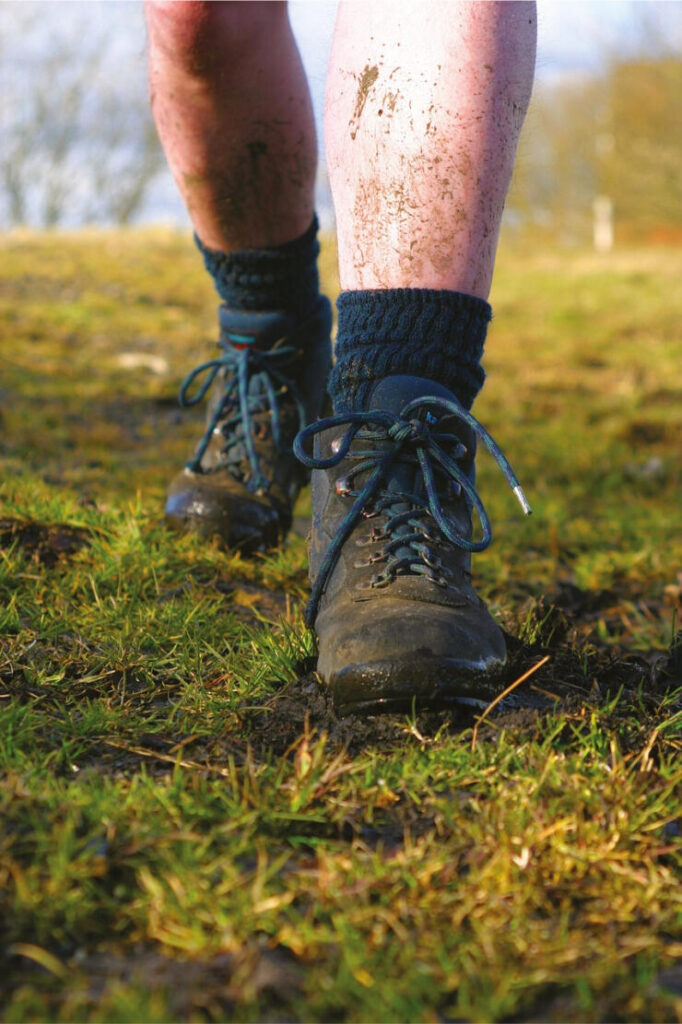
Testing the boots before making a purchase is crucial to ensure they are the right fit for your feet and intended use. Here are some tips for testing the boots:
1. Wear the Right Socks: Bring along the socks you plan to wear during your hikes when trying on the boots. The thickness and material of the socks can affect the fit and comfort of the boots.
2. Adjust the Lacing: Properly lace up the boots to get a secure fit. Make sure the lacing system allows you to adjust the tightness around different parts of your foot, such as the ankle and instep.
3. Walk and Move: Take a walk around the store or the testing area to simulate walking on different surfaces. Try walking uphill, downhill, and on uneven terrain to gauge the boots’ stability and support.
4. Check Toe Room: Make sure there is enough room in the toe box. Your toes should have a little wiggle room to prevent discomfort and potential issues like blisters.
5. Test Ankle Support: If the boots are designed for more rugged terrain, check how well they provide ankle support. You should feel confident that your ankles are stable, especially on uneven ground.
6. Pay Attention to Hot Spots: While walking, pay attention to any hot spots or pressure points. These are areas where the boots rub against your feet and may lead to blisters. Boots that fit well should not cause uncomfortable pressure points.
7. Try Different Sizes: Don’t hesitate to try different sizes and models to find the perfect fit. Remember that hiking boots often have variations in sizing, so the right fit might not always match your regular shoe size.
8. Consider the Sock Liners: Some hiking boots come with removable sock liners or insoles. Test how they feel, as these can affect the overall fit and comfort of the boots.
9. Time Your Test: It’s a good idea to test the boots later in the day when your feet are naturally slightly swollen. This will give you a more accurate idea of how the boots will feel during extended hikes.
10. Consult with Experts: If you’re unsure about the fit or need advice, don’t hesitate to ask the store staff or outdoor experts for assistance. They can offer valuable insights and recommend suitable options based on your needs.
Remember that hiking boots need a proper break-in period before you embark on longer hikes. Wear them around the house or during short walks to allow the materials to mold to your feet and ensure a more comfortable experience on the trails.
When choosing mountain hiking boots or shoes, it’s essential to consider your budget. Hiking footwear can vary widely in price, depending on the brand, materials, construction, and features. Here are some tips to help you navigate your budget considerations:
1. Set a Budget Range: Determine how much you are willing to spend on hiking boots or shoes. Setting a budget range will help narrow down your options and prevent overspending.
2. Invest in Quality: While it’s essential to stick to your budget, consider hiking footwear as an investment in your comfort and safety on the trails. Quality boots made with durable materials and construction are likely to last longer and offer better performance.
3. Prioritize Features: Identify the key features that are crucial for your hiking needs and prioritize them in your budget. For example, if ankle support is essential for you, consider allocating a larger portion of your budget to boots with excellent ankle support.
4. Sale and Discount Opportunities: Look out for sales, discounts, or clearance events from reputable outdoor retailers. This can be a great way to find high-quality hiking boots at a lower cost.
5. Off-Season Purchases: Consider buying hiking boots during the off-season when outdoor retailers might offer discounts to clear out old stock. Just ensure that the boots are still appropriate for the weather conditions you plan to hike in.
6. Avoid Sacrificing Comfort and Quality: While it may be tempting to choose a cheaper option, avoid compromising on comfort and quality. Ill-fitting or poorly constructed boots can lead to discomfort, blisters, and even injuries during your hikes.
7. Compare Prices and Brands: Do some research and compare prices and brands to find the best value for your budget. Read reviews and check the reputation of the brands to ensure you are getting a reliable product.
8. Consider Longevity: A more expensive pair of boots might be more cost-effective in the long run if they last longer and require fewer replacements.
Remember that hiking boots are a crucial piece of gear, and investing in a good-quality pair can significantly enhance your hiking experience and contribute to your safety and well-being on the trails. If possible, try to stretch your budget slightly to ensure you get the best pair of hiking boots that fit your needs and offer the desired level of comfort and performance.

When choosing mountain hiking boots or shoes, considering the brand and reading reviews is an essential step in making an informed decision. Here are some tips to help you evaluate brands and reviews:
1. Research Reputable Brands: Look for well-established brands known for their expertise in outdoor footwear. Reputable brands often have a track record of producing high-quality hiking boots that stand the test of time.
2. Consider Specialization: Some brands specialize in hiking and outdoor footwear, dedicating their resources to research and innovation in this field. Such brands are more likely to offer a wide range of options that cater to different hiking needs.
3. Read Customer Reviews: Customer reviews can provide valuable insights into the performance, comfort, and durability of hiking boots. Look for reviews on retailer websites, online marketplaces, and outdoor forums to gather diverse opinions.
4. Look for Consistency: Pay attention to patterns in reviews. If multiple reviewers praise or criticize the same aspect of a particular brand or model, it may indicate a consistent pattern of quality or issues.
5. Consider Professional Reviews: Outdoor gear review websites and magazines often conduct thorough testing of hiking boots. These reviews can offer more in-depth technical details and comparisons between different models.
6. Ask for Recommendations: Seek recommendations from friends, family, or fellow hikers who have experience with specific brands or models. Personal recommendations can be valuable in finding the right fit for your needs.
7. Check Brand Warranty and Support: Consider the brand’s warranty and customer support policies. A brand that stands behind its products with a strong warranty can provide extra peace of mind.
8. Avoid Overreliance on Brand Name: While established brands can offer reliability, don’t solely rely on the brand name. Some lesser-known brands might also offer excellent quality and performance at a more affordable price.
9. Consider Local Brands: In some cases, local brands may offer specialized products tailored to the unique conditions of your hiking destination.
Remember that brand reputation and customer reviews are valuable tools to gather insights into the performance and quality of hiking boots. However, individual preferences and fit are crucial factors in choosing the right pair for you. Take the time to try on different models and brands to find the one that best fits your feet and provides the support and comfort you need during your mountain hikes.
Choosing the right mountain hiking boots or shoes is essential for a comfortable and enjoyable hiking experience. By understanding your hiking needs, considering your hiking style, evaluating fit and size, examining materials and construction, and assessing ankle support, cushioning, weight, and packability, you can narrow down your options.
Reading customer reviews, looking for consistent patterns in feedback, and considering professional reviews can provide valuable insights into the performance and durability of different hiking boots. Additionally, seeking recommendations from experienced hikers and checking brand warranty and support can help you make an informed decision.
While brand reputation is important, remember that the best hiking boots for you may not necessarily be from a well-known brand. Focus on finding the pair that fits your feet comfortably and provides the support you need on the trails.
With the right pair of mountain hiking boots, you’ll be ready to conquer any adventure, tackle challenging terrains, and enjoy the beauty of the great outdoors to the fullest. Happy hiking!
 Do I Need a Camping Pillow?
 Best Camping Gear for Families
 Best Camping Gear For Beginners under $200