When camping in hot and humid conditions, staying cool and comfortable inside your tent is essential for a pleasant outdoor experience. While tents aren’t designed with built-in air conditioning, there are various techniques and strategies you can employ to air condition your tent and beat the heat. In this article, we will explore different methods and tips to help you create a cool and refreshing environment inside your tent, ensuring a comfortable sleep and relaxation during your camping trips. From selecting the right tent to using portable air conditioners and maximizing natural airflow, let’s discover how to effectively air condition a tent.
Selecting the right tent is crucial when it comes to air conditioning. Look for a tent that offers good ventilation and breathability, as this will allow for better airflow and help in keeping the interior cool. Consider the following factors when choosing a tent for air conditioning:
Size and Height: Opt for a tent with enough space to accommodate a portable air conditioner or fan, if you plan to use one. A taller tent with sufficient headroom will also promote better airflow.
Ventilation: Look for tents with mesh panels, windows, and vents that can be opened or closed to control the airflow. Tents with multiple ventilation options allow you to adjust according to the weather conditions.
Rainfly: Ensure that the tent comes with a rainfly that can be easily removed or rolled up. This will enable you to maximize airflow on hot days while still providing protection during inclement weather.
Material: Choose a tent made from breathable materials that allow air to circulate inside. Avoid tents with heavy or non-breathable fabrics that can trap heat.
By selecting a tent specifically designed for good airflow and ventilation, you’ll be setting yourself up for successful air conditioning efforts during your camping trips.
Use Portable Air Conditioners
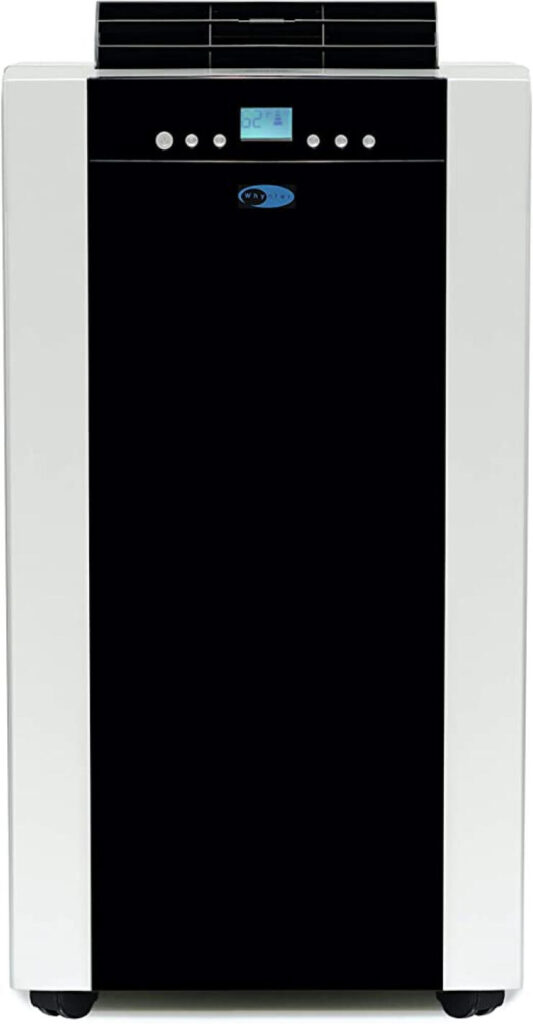
One of the most effective ways to air condition a tent is by using a portable air conditioner. Here’s how to do it:
Choose a suitable portable air conditioner: Look for a compact and lightweight unit specifically designed for camping or outdoor use. Ensure that it is compatible with the power sources available at your camping location.
Position the air conditioner: Place the portable air conditioner near a tent opening or window to allow the cool air to flow into the tent. Make sure the air exhaust hose is properly connected and directed outside the tent to release hot air.
Power the air conditioner: Connect the air conditioner to a suitable power source, such as a generator or electrical outlet, if available. Ensure that you have the necessary cables and adapters to power the unit.
Seal the tent: Close all tent openings, windows, and doors to minimize air leakage and maximize the cooling effect. This will help maintain a comfortable temperature inside the tent.
Adjust the temperature and fan settings: Set the desired temperature and fan speed on the portable air conditioner. Start with a moderate temperature and adjust as needed to create a comfortable environment inside the tent.
Monitor power usage: Keep in mind that running a portable air conditioner requires a power source, so be mindful of your power consumption and the availability of power at your campsite.
Using a portable air conditioner can significantly enhance the comfort level inside your tent during hot weather conditions. Just ensure that you have the necessary power source and proper ventilation to maximize its effectiveness.
Create Natural Airflow
Creating natural airflow is another method to help air condition a tent. Here’s how you can do it:
Choose a well-ventilated tent: When selecting a tent, opt for one that has mesh panels or windows that can be opened to allow for airflow. This will help promote natural ventilation inside the tent.
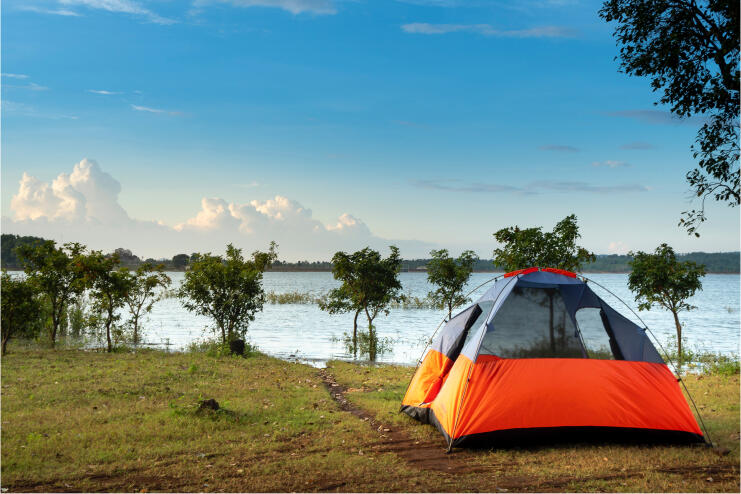
Position the tent strategically: Set up your tent in a location where there is a breeze or airflow, such as near a river, lake, or in an open area with good air circulation. Avoid setting up in stagnant or hot areas with limited airflow.
Use tent ventilation features: If your tent has built-in ventilation features like vents or mesh panels, make sure to open them to allow fresh air to enter and hot air to escape. These features are designed to facilitate airflow and regulate the temperature inside the tent.
Set up a canopy or tarp: Create shade and airflow around your tent by setting up a canopy or tarp. This can help reduce direct sunlight and create a cooler environment inside the tent. Ensure the canopy or tarp is properly secured and positioned to allow air to flow through.
Utilize natural windbreakers: If there is a breeze, position your tent in a way that natural windbreakers, such as trees or rocks, can help channel the wind towards the tent. This can provide a cooling effect and increase airflow inside.
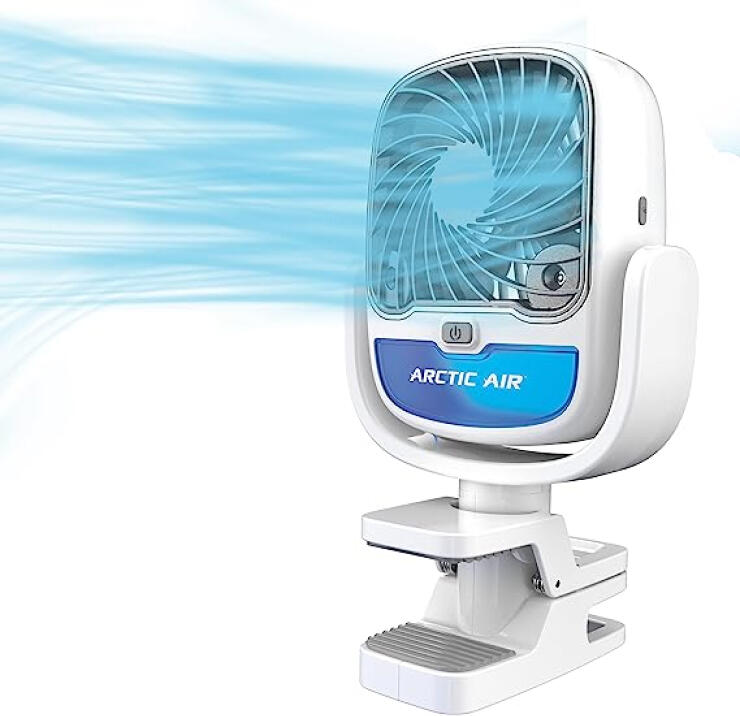
Consider using fans or battery-powered devices: If you have access to electricity or battery-powered devices, you can use portable fans or small battery-operated fans inside the tent to enhance airflow. These can help circulate the air and create a cooling sensation.
By maximizing natural airflow and utilizing ventilation features, you can significantly improve the air conditioning in your tent, making it more comfortable during hot weather conditions
Insulate and Shade the Tent
Insulating and shading your tent can help keep it cooler and more comfortable during hot weather. Here are some tips to achieve this:
Use a reflective tarp or thermal blanket: Covering your tent with a reflective tarp or thermal blanket can help reflect sunlight and prevent heat from entering the tent. Secure the tarp or blanket over the tent, making sure it doesn’t obstruct ventilation or airflow.
Add a rainfly or flysheet: Many tents come with a rainfly or flysheet that provides an extra layer of insulation and shade. Make sure to properly attach the rainfly to your tent to create a barrier against the sun’s rays.
Create a shade canopy: Set up a shade canopy or awning near your tent to block direct sunlight. This can be achieved by using a freestanding canopy or attaching a tarp or shade cloth to trees or poles. Position the canopy to shade the tent during the hottest parts of the day.
Use reflective insulation or emergency blankets: Place reflective insulation or emergency blankets on the ground beneath your tent to reflect heat away from the tent floor. This can help keep the interior cooler.
Insulate the tent floor: Use a thick groundsheet or camping mat to insulate the tent floor from the heat of the ground. This will help prevent heat transfer into the tent.
Ventilate the tent properly: While insulating and shading the tent, make sure to maintain proper ventilation by keeping windows, vents, and doors open. This will allow hot air to escape and fresh air to circulate.
By insulating and shading your tent, you can significantly reduce the heat inside and create a more comfortable environment for camping in hot weather. Remember to prioritize safety and ensure that the tent remains stable and secure in windy conditions.
Use Cooling Accessories
To enhance the cooling effect inside your tent, you can utilize various cooling accessories. Here are some options:
Battery-powered fans: Invest in portable, battery-powered fans that can be hung or placed inside the tent. These fans help circulate air and provide a cooling breeze.
Cooling towels: Use cooling towels that are designed to stay cool for hours when wet. Simply wet the towel, wring out excess water, and place it on your body or around your neck to help lower your body temperature.
Ice packs or gel packs: Place ice packs or gel packs in front of fans or inside the tent to create a cooling effect. You can also wrap the packs in a towel and apply them to your body for localized cooling.
Mist spray bottles: Fill a spray bottle with water and mist it inside the tent. As the water evaporates, it creates a cooling sensation. You can also mist your body to help lower your body temperature.
Cooling pillows or mattress pads: Use specially designed cooling pillows or mattress pads that have cooling properties, such as gel-infused or moisture-wicking materials. These can help regulate your body temperature while you sleep.
Portable evaporative coolers: If you have access to electricity or a power source, you can consider using a portable evaporative cooler designed for camping. These devices use water evaporation to cool the air and can be effective in reducing the temperature inside the tent.
Remember to consider the availability of power sources and the weight and portability of the accessories when choosing the cooling options for your camping trip.
Timing and Location Considerations
When air conditioning your tent, timing and location are important factors to consider:
Timing: Plan your camping trip during the cooler times of the day or year. The temperature tends to be lower during early mornings and evenings, making it easier to cool down the tent. Avoid camping during peak heat hours, typically in the middle of the day.
Location: Choose a campsite that provides natural shade. Setting up your tent under trees or in a shaded area can help keep the temperature inside the tent cooler. Additionally, consider campsites near bodies of water, as the evaporation can create a cooling effect.
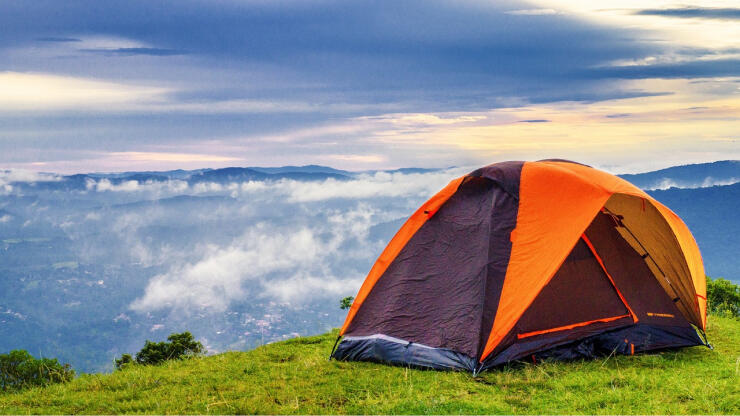
Ventilation: Position your tent strategically to take advantage of natural airflow. Place the tent where it can catch the breeze, such as on a hill or near open spaces. Utilize windows and vents in your tent to maximize airflow and allow hot air to escape.
Insulation: Insulate your tent by using reflective tarps or emergency blankets to cover the tent’s exterior. These materials can reflect sunlight and prevent excessive heat from entering the tent. Additionally, use a rainfly or tent footprint to provide an extra layer of insulation.
Avoid direct sunlight: Keep your tent out of direct sunlight, as it can quickly heat up the interior. Position it in a way that minimizes exposure to the sun, especially during the hottest parts of the day.
By considering the timing and location of your camping trip, as well as optimizing ventilation and insulation, you can create a more comfortable and cooler environment inside your tent.
Stay Hydrated and Dress Appropriately
In addition to the timing and location considerations mentioned earlier, it’s crucial to stay hydrated and dress appropriately while air conditioning your tent. Here are some tips to keep in mind:
Hydration: Drink plenty of water throughout the day, even if you don’t feel thirsty. Staying hydrated helps regulate your body temperature and prevents heat-related illnesses. Carry a water bottle with you and make sure to replenish it regularly.
Lightweight and Breathable Clothing: Wear lightweight and breathable clothing that allows for air circulation. Opt for moisture-wicking materials that can help keep you cool and dry. Avoid dark-colored clothing, as it tends to absorb more heat.
Use Cooling Accessories: Use cooling accessories such as portable fans, misting fans, or handheld misters to provide additional relief from the heat. These can help circulate air and create a refreshing breeze inside the tent.
Use Cooling Towels: Consider using cooling towels or bandanas that can be soaked in water and wrapped around your neck or forehead. These towels use evaporative cooling to provide instant relief from the heat.
Take Breaks in Shaded Areas: Take regular breaks in shaded areas outside the tent to cool down. This can help you regulate your body temperature and prevent overheating.
Remember, air conditioning a tent can help provide some relief from the heat, but it may not offer the same level of comfort as a traditional air-conditioned space. It’s essential to listen to your body, take breaks when needed, and prioritize your well-being in hot weather conditions.
Conclusion
In conclusion, air conditioning a tent can be a great way to stay comfortable during hot weather camping trips. By choosing the right tent, using portable air conditioners, creating natural airflow, insulating and shading the tent, using cooling accessories, considering timing and location, and taking care of your personal comfort, you can enhance your camping experience and enjoy a cooler environment inside your tent. However, it’s important to remember that air conditioning a tent may not provide the same level of comfort as a traditional air-conditioned space, and it’s crucial to stay hydrated, dress appropriately, and take breaks in shaded areas to prevent overheating. With the right preparations and precautions, you can create a more comfortable and enjoyable camping experience even in hot weather.



 How To Go Glamping And Is It Expensive?
 How To Wash Dishes While Camping
 How Much Water Do I Need To Bring While Camping?