When planning a camping trip, one of the essential considerations is how much firewood you’ll need. Whether it’s for cooking, staying warm, or simply enjoying a cozy campfire, having the right amount of firewood ensures a comfortable and enjoyable outdoor experience. However, determining the appropriate quantity of firewood can be tricky, as it depends on various factors such as the duration of your camping trip, weather conditions, campfire usage, and cooking needs.
In this article, we will guide you through the process of understanding your firewood requirements, factors that affect firewood consumption, and how to calculate the ideal amount of firewood for your camping adventure. Additionally, we’ll provide valuable tips for firewood management, ensuring you have enough to keep your campfire burning bright while being mindful of the environment and campground regulations. Let’s get started and make your camping experience even more memorable with the perfect amount of firewood!
Understanding Your Firewood Needs
Before heading on a camping trip, it’s essential to understand your firewood needs to ensure you have an adequate supply throughout your adventure. The amount of firewood required can vary based on several factors, including the duration of your trip, the number of campfires you plan to have, weather conditions, and the availability of firewood at your campsite.
Trip Duration: The length of your camping trip will directly impact how much firewood you need. A weekend camping trip will generally require less firewood than a week-long excursion.
Campfire Usage: Consider how often you plan to have a campfire. If you intend to have multiple campfires each day, you’ll need more firewood compared to just having one in the evening.
Weather Conditions: Cold weather might necessitate more firewood to keep your campsite warm, while hot weather might reduce your firewood needs.
Cooking: If you plan to cook meals over a campfire, factor in the additional firewood required for cooking.
Campground Regulations: Some campgrounds have restrictions on collecting or using firewood, so ensure you’re aware of the rules before relying on campsite firewood.
Local Availability: Depending on your camping location, firewood might be readily available or scarce. If you need to purchase firewood, consider the cost and availability in the area.
To estimate your firewood needs, it’s helpful to plan ahead and consider these factors. This will ensure you have enough firewood to keep your campsite comfortable, while also adhering to local regulations and maintaining the natural beauty of the outdoors. Let’s explore some helpful tips for calculating the ideal amount of firewood for your camping trip.
Factors Affecting Firewood Consumption
Several factors can affect the amount of firewood you’ll need for camping. Being aware of these factors will help you make a more accurate estimation of your firewood consumption:
Campfire Size: The size of your campfire directly impacts how much firewood you’ll use. Larger fires require more wood to sustain them.
Weather and Temperature: Cold weather or chilly nights might lead to increased firewood consumption to keep warm.
Cooking: If you plan to cook meals over the campfire, consider the additional firewood needed for cooking.
Campfire Frequency: How often you have a campfire throughout your camping trip will affect the overall firewood usage.
Wood Type: Different types of firewood have varying burn times and heat output. Hardwoods generally burn longer and produce more heat than softwoods.
Firewood Size and Quality: Smaller pieces of firewood burn more quickly, so you may need more of them to maintain a steady fire.
Altitude: At higher altitudes, fires might burn faster due to increased oxygen levels.
Wind Conditions: Windy conditions can accelerate the burning rate of firewood.
Moisture Content: Wet or green firewood will burn less efficiently and might require more to achieve the desired heat.
Calculating Your Firewood Needs:
To estimate your firewood needs, consider your planned campfire size, duration, cooking requirements, and expected weather conditions. It’s a good idea to bring extra firewood, just in case. If you’re unsure about the availability of firewood at your campsite, it’s best to bring enough for your entire trip.
Remember to follow Leave No Trace principles and respect local regulations regarding firewood collection and usage to protect the environment and preserve the camping experience for future generations.
Calculating Firewood Quantity
To calculate the quantity of firewood needed for your camping trip, follow these steps:
Determine the Number of Campfires: Decide how many campfires you plan to have during your camping trip. This might depend on the number of nights you’ll be camping and your activities.
Estimate Firewood Consumption per Campfire: Consider the average amount of firewood you’ll use for each campfire. This can vary based on the factors mentioned earlier, such as fire size, weather conditions, and cooking needs.
Multiply: Multiply the number of campfires by the estimated firewood consumption per campfire to get the total firewood quantity needed for your trip.
Add Extra Firewood: It’s advisable to bring extra firewood, just in case you need more than expected or if firewood availability at the campsite is limited.
Purchase or Gather Firewood: Based on your calculation, either purchase firewood from a reliable source or gather it responsibly from the area where it’s allowed.
Remember that responsible firewood use is crucial for preserving the natural environment. Avoid transporting firewood from one area to another to prevent the spread of invasive pests and diseases. Always follow the firewood regulations and guidelines of the specific camping area you’re visiting.
Tips for Firewood Management
Effective firewood management is essential for a successful and enjoyable camping trip. Here are some tips to help you manage your firewood:
Bring or Buy Local Firewood: If you plan to use firewood during your camping trip, purchase it from local sources near the campsite to prevent the spread of invasive pests and diseases. Many campgrounds have firewood for sale, or you can bring your own from home.
Use Fallen Branches: Before cutting down live trees, check the campsite rules and see if you can collect fallen branches and deadwood for your campfire. Using existing deadwood reduces the impact on the environment.
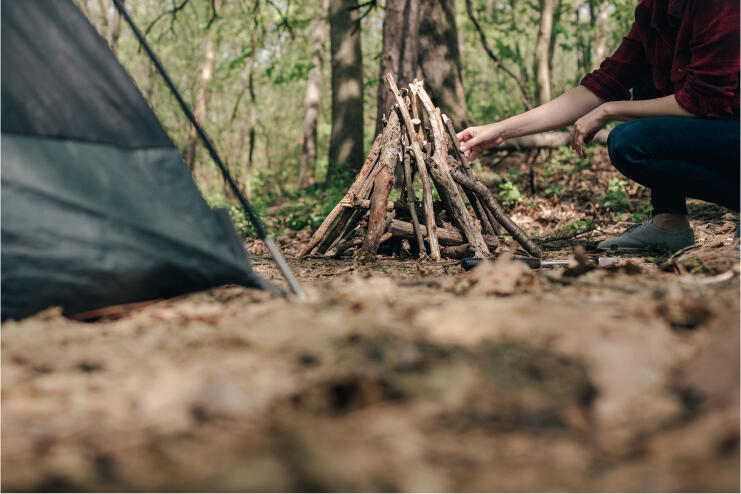
Choose the Right Size: Cut or gather firewood into appropriate sizes for your campfire. Smaller pieces are easier to ignite and manage, while larger logs provide longer-lasting heat. A mix of sizes is ideal.
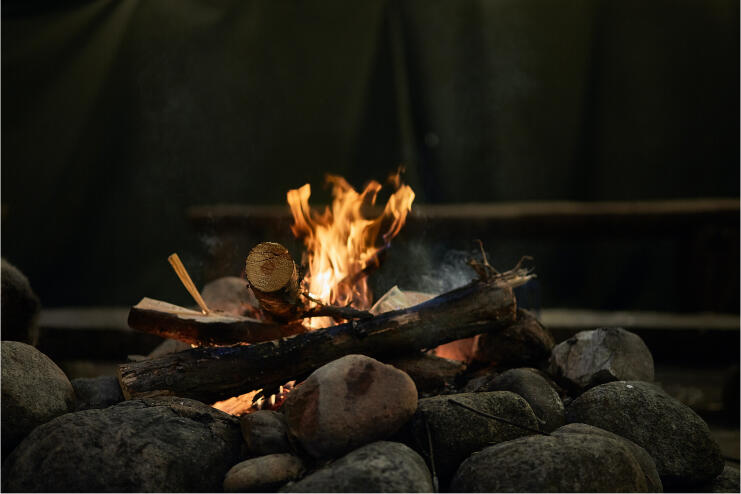
Create a Fire Ring or Fire Pit: Use an established fire ring or pit whenever possible. If there isn’t one, construct a fire ring with rocks to contain the fire and prevent it from spreading.
Store Firewood Properly: Keep your firewood off the ground and covered with a tarp or waterproof material to protect it from rain and moisture. Dry firewood burns more efficiently and produces less smoke.
Only Burn Seasoned Firewood: Green or wet wood can be challenging to burn and creates excessive smoke. Use well-seasoned firewood that has been dried for at least six months to a year for the best results.
Don’t Transport Firewood: To prevent the spread of pests and diseases, avoid transporting firewood from one area to another. Buy or gather firewood near your camping location.
Collect Firewood Early: If you need to gather firewood, do it during daylight hours, not at night when animals might be active, and you might disturb their habitats.
Keep Fire Under Control: Always maintain a safe and manageable fire. Never leave a campfire unattended, and fully extinguish it before leaving or going to bed.
Be Mindful of Fire Bans: Check for any fire bans or restrictions in the camping area before starting a fire. During dry or high-risk fire conditions, campfires might not be allowed.
By following these firewood management tips, you can ensure a safe and responsible camping experience while minimizing your impact on the environment.
Conclusion
In conclusion, understanding how much firewood you need for camping is essential for a successful outdoor experience. By considering factors like the climate, duration of the trip, cooking needs, and availability of firewood at the campsite, you can estimate the appropriate amount of firewood to bring. Overestimating or underestimating your firewood needs can lead to discomfort or unnecessary waste.
Remember to practice responsible firewood management, such as using local firewood, collecting fallen branches, and properly storing the firewood to keep it dry. Always adhere to campground rules and any fire bans or restrictions in the area to ensure your campfire is safe and environmentally friendly.
A well-managed campfire provides not only warmth and light but also a cozy atmosphere for memorable camping experiences with family and friends. With proper planning and consideration, you can enjoy the comfort and beauty of a campfire while being mindful of the impact on the environment and wildlife. Happy camping!


 How To Go Glamping And Is It Expensive?
 How To Wash Dishes While Camping
 How Much Water Do I Need To Bring While Camping?