When it comes to selecting a headlamp, one important factor to consider is the number of lumens it produces. Lumens measure the brightness of the light emitted by a headlamp, and understanding how many lumens you need is crucial for ensuring optimal visibility and performance in various situations. Whether you’re engaging in outdoor activities, working in low-light conditions, or navigating through dark environments, having the right amount of lumens can make a significant difference. In this article, we will explore the factors that influence the lumens requirement, provide recommendations for different activities, discuss additional considerations, and offer tips for maximizing headlamp performance. By the end, you’ll have a better understanding of how many lumens you need in a headlamp to meet your specific needs and enhance your outdoor experiences.
Several factors come into play when determining the lumens requirement for a headlamp. Understanding these factors will help you make an informed decision and choose the appropriate headlamp for your needs. Here are some key factors to consider:
Activity Type: The type of activity you’re engaged in plays a significant role in determining the required lumens. Activities like hiking, camping, and running may require different levels of brightness based on the terrain, speed, and level of detail needed.
Environment: Consider the lighting conditions of your intended environment. If you’re in a pitch-dark wilderness or a well-lit campground, the lumens requirement will vary. Darker environments may require higher lumens to ensure sufficient visibility.
Distance: Think about the distance you need to illuminate. If you’re using the headlamp for close-range tasks like reading or cooking, a lower lumen output may suffice. However, if you require a longer throw or need to see objects at a distance, a higher lumen output will be necessary.
Battery Life: Keep in mind that higher lumen outputs typically consume more battery power. Balancing the desired brightness with battery life is essential, especially for extended trips or situations where access to charging options is limited.
Personal Preference: Personal preference and comfort also play a role. Some individuals prefer brighter light for better visibility and peace of mind, while others may find a lower lumen output sufficient for their needs.
By considering these factors, you can assess the lumens requirement that aligns with your specific activities, environments, and personal preferences.
Lumens Recommendations for Different Activities
The recommended lumen range for different activities can vary based on the specific needs and conditions of each activity. Here are some general guidelines to consider:
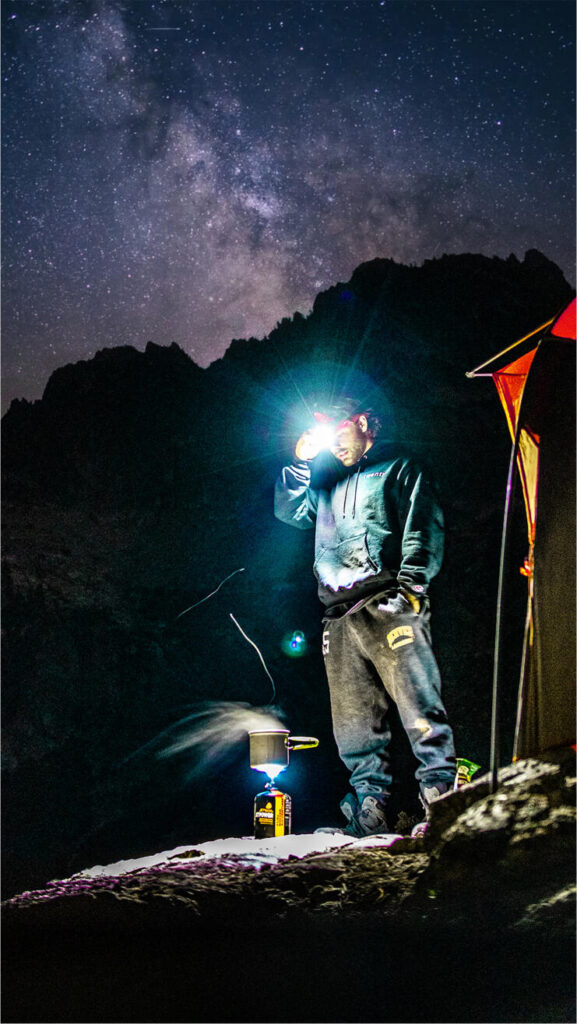
Camping and Hiking: For general camping and hiking activities, a headlamp with a lumen range of 100-300 lumens is typically sufficient. This provides adequate illumination for tasks such as setting up a tent, cooking, and navigating trails in low-light conditions.
Trail Running and Night Hiking: If you’re engaging in more dynamic activities like trail running or night hiking where you need better visibility and the ability to spot obstacles, a headlamp with a lumen range of 200-400 lumens is recommended. This higher lumen output helps to enhance your field of vision and detect potential hazards on the trail.
Climbing and Caving: Activities that involve vertical ascents, such as climbing or caving, require brighter illumination to properly assess the terrain and ensure safety. A headlamp with a lumen range of 300-500 lumens or more is suitable for these activities, as it provides better visibility for intricate movements and helps you identify potential risks.
Search and Rescue or Emergency Situations: In scenarios where you need maximum brightness and long-distance illumination, such as search and rescue operations or emergency situations, headlamps with lumen outputs ranging from 500-1000 lumens or more are recommended. These headlamps have a powerful beam that can cover significant distances and help with locating people or objects in low-light or challenging conditions.
Remember that these recommendations are general guidelines, and individual preferences may vary. It’s essential to consider the specific requirements of your activity, environmental conditions, and personal comfort when selecting a headlamp with the appropriate lumen output.
Additional Considerations
In addition to the specific activity and lumen recommendations, here are some additional factors to consider when determining how many lumens you need in a headlamp:
Beam Distance: Depending on the activity, you may need a headlamp with a longer beam distance to see objects or landmarks at a greater distance. Consider the range of the headlamp’s beam and whether it aligns with your needs.
Battery Life: Higher lumen outputs typically consume more battery power. If you anticipate using the headlamp for an extended period, choose a model with longer battery life or consider carrying extra batteries or a portable power source.
Beam Settings and Modes: Some headlamps offer multiple beam settings and modes, including high, low, strobe, or red light options. These settings allow you to adjust the brightness based on your immediate needs and conserve battery life when full brightness is not required.
Weight and Comfort: The weight and comfort of the headlamp can significantly impact your overall experience, especially during longer activities. Choose a headlamp that is lightweight, properly fits your head or helmet, and has adjustable straps for a secure and comfortable fit.
Durability and Weather Resistance: If you plan to use the headlamp in rugged or challenging environments, consider a model that is durable, waterproof, and able to withstand extreme temperatures. This ensures the headlamp can handle the demands of outdoor adventures.
Budget: Set a budget for your headlamp purchase. Higher lumen headlamps with advanced features may be more expensive. Determine your needs and prioritize the features that are most important to you within your budget.
By taking these additional considerations into account, you can choose a headlamp that meets your specific requirements and provides the appropriate amount of lumens for your outdoor activities. Remember to always test and familiarize yourself with the headlamp before heading out to ensure it performs as expected in your desired settings.
Choosing the Right Headlamp Lumens
When choosing the right headlamp lumens for your needs, consider the following factors:
Activity: Determine the primary activity for which you’ll be using the headlamp. Different activities may require different levels of brightness. For example, reading a book in a tent may require fewer lumens compared to hiking on a trail at night.
Distance and Range: Consider the distance at which you need to see clearly. If you need a headlamp for close-up tasks like cooking or reading, a lower lumen output may be sufficient. However, if you require long-range visibility for activities like hiking or trail running, a higher lumen output will be necessary.
Lighting Conditions: Evaluate the lighting conditions in which you’ll be using the headlamp. If you’ll primarily use it in complete darkness or low-light situations, a higher lumen output will provide better illumination. However, if you’ll be using it in conjunction with ambient lighting or during dawn or dusk, a lower lumen output may be suitable.
Battery Life: Consider the battery life of the headlamp. Higher lumen outputs tend to consume more power, leading to shorter battery life. If you anticipate using the headlamp for extended periods without access to charging or replacement batteries, choose a headlamp with a balance between brightness and battery efficiency.
Personal Preference: Ultimately, personal preference plays a role in choosing the right headlamp lumens. Some individuals may prefer brighter lighting for enhanced visibility, while others may prefer a more subdued lighting experience. Consider what makes you feel comfortable and confident in your activities.
It’s important to note that lumens alone don’t determine the quality of light or beam pattern. The headlamp’s optics and beam shape also play a significant role in delivering a usable and effective light output. Therefore, it’s advisable to test and compare headlamps before making a final decision.
By considering these factors, you can select a headlamp with the appropriate lumen output for your specific needs, ensuring optimal visibility and performance during your outdoor adventures.
Tips for Maximizing Headlamp Performance
To maximize the performance of your headlamp, consider the following tips:
Use fresh batteries or fully charge your rechargeable headlamp before each outing. This ensures maximum brightness and prevents unexpected battery drain.
Carry spare batteries or a portable power bank if you’ll be using your headlamp for an extended period without access to charging.
Adjust the angle of your headlamp properly to direct the light where you need it. This will optimize visibility and reduce unnecessary light spillage.
Clean the lens and reflector of your headlamp regularly. Dust, dirt, and smudges can diminish the light output. Use a soft cloth or lens cleaning solution to keep them clean.
Choose the appropriate lighting mode for your activity. Many headlamps offer different brightness levels and beam patterns. Select a mode that balances your need for brightness and battery life.
When not in use, store your headlamp in a cool and dry place. Extreme temperatures and moisture can affect battery performance and overall lifespan.
Avoid shining the headlamp directly into the eyes of others, as it can be uncomfortable and temporarily impair their vision.
Consider using diffusers or filters to modify the light output of your headlamp. These accessories can help create a softer and more diffused light, which may be beneficial for certain activities like reading or camping inside a tent.
Learn how to adjust the settings and features of your headlamp. Some models offer adjustable beam focus, red light mode, or strobe functions that can be useful in specific situations.
Regularly check the condition of the headlamp’s straps and buckles. Ensure they are securely fastened to prevent the headlamp from slipping or falling off during use.
By following these tips, you can optimize the performance and longevity of your headlamp, ensuring reliable lighting during your outdoor adventures.
Conclusion
In conclusion, determining the right number of lumens for your headlamp depends on various factors such as the activity, environment, and personal preference. Understanding these factors and considering the recommendations for different activities can help you choose a headlamp with an appropriate lumen output.
Remember to take into account additional considerations like battery life, beam distance, and beam type when selecting a headlamp. It’s also important to maximize the performance of your headlamp by following the tips mentioned, such as keeping it clean, using fresh batteries, and adjusting the angle properly.
Having a headlamp with the right amount of lumens ensures sufficient brightness and visibility during your outdoor adventures, providing you with a reliable light source when you need it most. Whether you’re hiking, camping, running, or engaging in any other activity, a well-chosen headlamp can greatly enhance your experience and keep you safe in low-light conditions.




 Do I Need a Camping Pillow?
 Best Camping Gear for Families
 Best Camping Gear For Beginners under $200