When it comes to camping stoves, there are a lot of options out there, but two of the most popular fuel sources are butane and propane. While both fuels have their advantages and disadvantages, understanding the differences between them can help you choose the best fuel source for your camping needs. In this article, we’ll take a closer look at butane and propane, compare their features and benefits, and provide tips for choosing the right fuel for your camping stove.
Choosing the right fuel for your camp stove is essential for a successful camping trip. The fuel you use can affect the performance of your stove, the taste of your food, and even the safety of your campsite. There are two common types of fuel used for camp stoves: butane and propane. While both fuels can be used for camping, each has its own unique characteristics that make it better suited for certain situations. In this article, we will explore the differences between butane and propane and help you decide which fuel is best for your next camping adventure.

Butane and propane are both types of gases commonly used as fuel for camp stoves. They are stored in small, portable canisters that are easy to transport and connect to the stove for cooking meals while camping or backpacking. Both fuels have their own unique characteristics, advantages, and disadvantages that should be considered before making a decision on which to use. In this article, we’ll compare and contrast butane and propane as fuel options for camp stoves to help you make an informed decision for your next outdoor adventure.
Butane is a type of flammable gas that is often used as a fuel for portable camping stoves. It is a highly volatile gas that is stored in small, disposable canisters, which are easy to transport and use. Butane is also odorless, which means that it is less likely to produce unpleasant smells or smoke when it is burned.
One of the main advantages of using butane as a fuel for camping stoves is that it burns very cleanly, producing very little soot or ash. This can make it easier to keep your cooking area clean, as well as reducing the environmental impact of your camping trip.
However, there are some potential downsides to using butane as a fuel. For one thing, it has a relatively low boiling point, which means that it can struggle to produce heat in cold or windy conditions. Butane can also be relatively expensive, as the disposable canisters can add up in cost over time, especially if you are camping frequently. Finally, butane is not ideal for long camping trips, as the small canisters can run out quickly and are not refillable in the field.
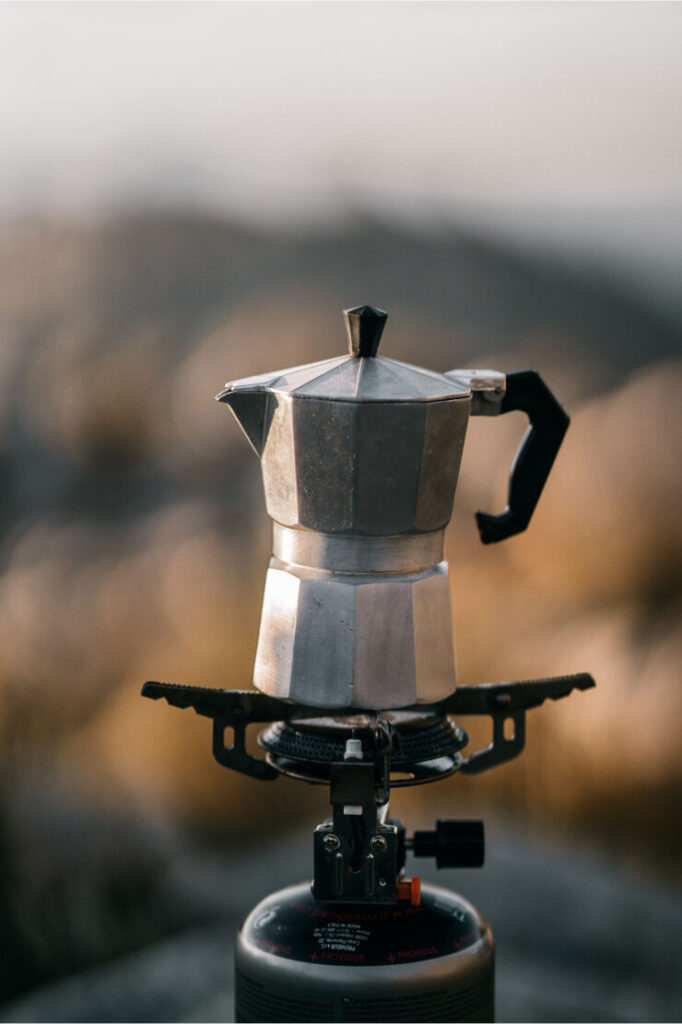
Butane is a hydrocarbon gas that is widely used as a fuel for portable camping stoves. It is a highly flammable gas that is stored in pressurized canisters, which makes it a convenient fuel option for camping and backpacking. When the valve on the canister is opened, the pressure inside the canister drops and the butane gas is released. The gas then travels through a regulator and a fuel line to the stove burner, where it is ignited to produce a flame for cooking. Butane is a clean-burning fuel that produces little to no soot or ash, making it a popular choice for camping stoves. It is also relatively inexpensive and widely available, making it easy to find and purchase before a camping trip. However, there are some limitations to using butane as a fuel, particularly in colder temperatures. Butane has a lower boiling point than propane, which means that it can become difficult to ignite or even freeze in extremely cold temperatures. As a result, butane is not the best option for camping in very cold conditions or at high elevations.
Butane is an excellent fuel option for camp stoves, and it has several advantages. First, butane has a high heat output, which means it can quickly bring water to a boil or cook food efficiently. Second, butane burns very cleanly, producing minimal soot and smoke, making it an eco-friendly option. Third, the fuel canisters for butane stoves are typically lightweight, making them easy to carry on backpacking trips or hikes. Additionally, butane canisters are compact, taking up less space than propane canisters, making them ideal for those with limited storage space. Finally, butane is a highly efficient fuel, meaning that it can burn for longer than other fuel options, which can be cost-effective.

Despite its advantages, butane also has some disadvantages as a fuel for camp stoves. Here are a few to keep in mind:
It’s important to weigh these disadvantages against the advantages of butane to decide whether it’s the right fuel for your camp stove needs.
Propane is a popular fuel option for camping stoves that is widely available and often used for larger camping equipment like grills and RV appliances. It is a hydrocarbon gas that is stored in pressurized tanks, and is often used as an alternative to natural gas or electricity for heating and cooking.
Propane is an effective fuel option for camping stoves because it burns cleanly and produces a consistent heat output. It is also relatively affordable and easy to find at camping supply stores and gas stations.
Additionally, propane canisters are typically more durable than butane canisters and can be used in a wider range of temperatures, making them a good option for camping in colder weather. Propane tanks are also refillable, making them a more sustainable option compared to disposable butane canisters.
Overall, propane is a reliable and versatile fuel option for camp stoves that can provide a consistent heat source for cooking and heating in a range of outdoor environments.
Propane is a hydrocarbon gas that is used as a fuel for a variety of applications, including camping stoves. Propane is typically stored in pressurized steel cylinders, which are available in a variety of sizes. When used as a fuel for camping stoves, propane is burned in a controlled manner to generate heat for cooking or boiling water. Propane camping stoves typically use a regulator to control the flow of gas to the burner, allowing for precise temperature control.
Propane is a popular fuel choice for camp stoves due to its several advantages:
Overall, propane is a reliable and efficient fuel option for camp stoves.
One disadvantage of propane is that the canisters are generally heavier than butane canisters, which can make them less convenient for backpacking or other activities where weight is a concern. Propane can also produce soot buildup on stove grates or pots and pans, which may require additional cleaning. Additionally, while propane performs well in cold weather, it may not burn as efficiently as butane, which can result in more fuel being used to achieve the same level of heat output.
Sure, here is a comparison table between butane and propane as fuels for camp stoves:
| Criteria | Butane | Propane |
|---|---|---|
| Heat Output | Higher | Lower |
| Burning Efficiency | More efficient | Less efficient |
| Canister Weight | Lighter | Heavier |
| Availability | Less widely available | More widely available |
| Cold Weather Performance | Poor | Good |
| Soot Buildup | Minimal | Potential |
| Recyclability | Canister recycling availability may vary | Widely available |
Note: It’s important to note that the performance of each fuel can vary depending on the specific camp stove and environmental factors such as altitude and temperature. It’s recommended to consult the manufacturer’s instructions and do research on the specific conditions of your camping trip before choosing a fuel for your camp stove.
Ultimately, the choice between butane and propane will depend on your specific camping needs and preferences. Butane is a good option if you want a lightweight canister and high heat output, but it may not be as widely available and may not perform well in extremely cold temperatures. Propane, on the other hand, is widely available and performs well in cold weather, but canisters may be heavier and less efficient burning compared to butane.
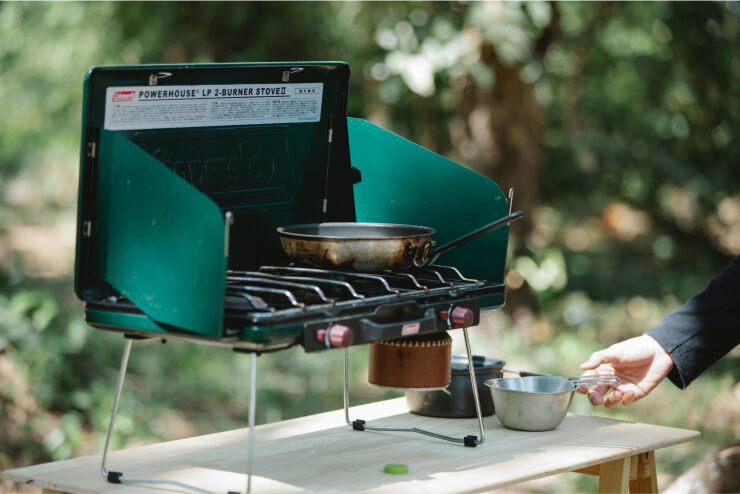
When deciding between butane and propane for a camp stove, there are several factors to consider:
Ultimately, the choice between butane and propane will depend on your individual needs and preferences. Consider the above factors and weigh the pros and cons of each fuel type before making your decision.
When using any type of fuel for a camp stove, safety should always be a top priority. Here are some safety considerations to keep in mind when using butane or propane:
By following these safety considerations, you can minimize the risk of accidents and enjoy a safe and enjoyable camping experience.
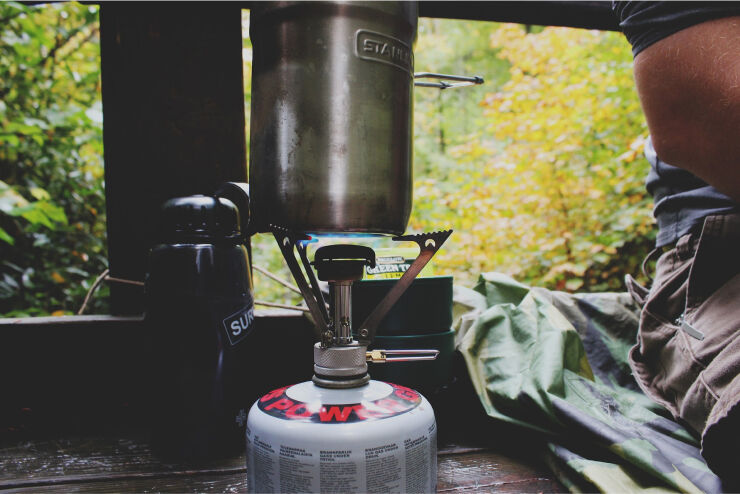
Here are some tips for safe handling, storage, and disposal of fuel canisters for camping stoves:
In conclusion, when choosing between butane and propane for your camping stove, it’s important to consider factors such as your trip duration, weather conditions, and ease of access to fuel. Butane offers high heat output, clean-burning, and lightweight canisters, but it may not perform well in cold weather and its canisters may not be recyclable. Propane, on the other hand, has a high heat output, is widely available, and performs well in cold weather, but its canisters are heavier, it has a potential for soot buildup, and it is less efficient burning compared to butane. Safety precautions should always be taken when handling, storing, and disposing of fuel canisters. By considering these factors and taking necessary safety precautions, you can enjoy a safe and enjoyable camping experience with your chosen fuel for your camping stove.
 Do I Need a Camping Pillow?
 Best Camping Gear for Families
 Best Camping Gear For Beginners under $200