When it comes to camping, many outdoor enthusiasts agree that a perfect day in the wilderness begins with a hot cup of coffee. The aroma of freshly brewed coffee can make the crisp morning air even more invigorating, and the warm embrace of a well-prepared cup can be the ideal companion for your camping adventures.
However, making coffee while camping requires some thought and preparation. With limited resources and outdoor conditions to consider, finding the best way to brew your favorite cup can be a delightful challenge. In this article, we will explore various methods for making coffee while camping, each with its unique charm and suitability for different camping scenarios. Whether you’re a seasoned camper or a newcomer to the wilderness, we’ll guide you through the process of preparing a perfect cup of camping coffee that complements your outdoor experience.
Get ready to discover the best ways to satisfy your coffee cravings while enjoying the wonders of nature!
Choose the Right Coffee Brewing Method for Camping
When it comes to brewing coffee while camping, there are several methods to choose from, each offering its unique advantages and flavors. The right brewing method for you will depend on your personal preferences, the camping environment, and the gear you have available. Let’s explore some popular camping coffee brewing methods:
Instant Coffee: If you’re looking for a quick and convenient option, instant coffee is a great choice. Simply boil water and mix in the instant coffee powder. It’s lightweight, compact, and requires no special equipment. However, the taste may not be as rich or aromatic as other methods.
Coffee Bags: Coffee bags, similar to tea bags, offer a simple brewing process. Just steep the coffee bag in hot water for a few minutes, and you’ll have a decent cup of coffee. This method is lightweight and easy to clean up, making it ideal for minimalist campers.
Pour-Over Coffee: For those who appreciate a more flavorful and customizable brew, pour-over coffee is a popular option. Use a portable pour-over dripper and paper filters to brew coffee by hand. It requires some practice and precision, but the results can be rewarding.
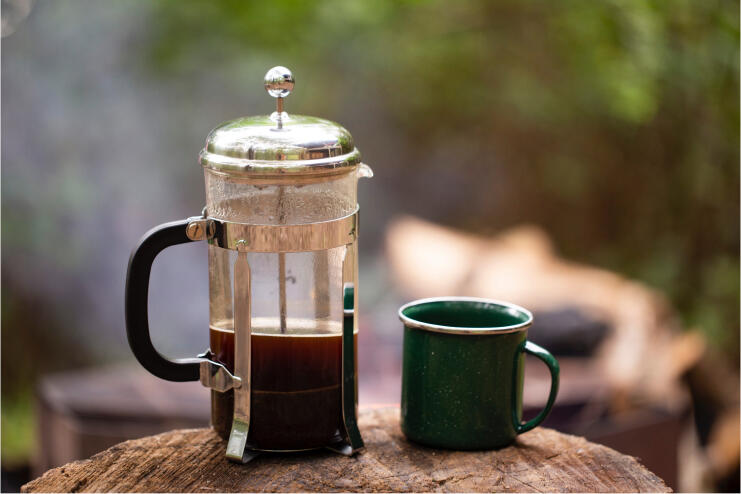
French Press: The French press is a favorite among coffee enthusiasts. It’s a sturdy and easy-to-use method that results in a rich and full-bodied coffee. The press consists of a plunger and a mesh filter that separates the grounds from the brewed coffee. However, the French press can be relatively heavy and may require more cleanup.
Percolator: If you’re camping with a larger group and want to brew coffee for multiple people, a percolator can be a great option. This traditional camping coffee pot uses heat to cycle water through the coffee grounds repeatedly, producing a strong and consistent brew.
Aeropress: The Aeropress is a versatile and lightweight brewing device that uses air pressure to extract coffee flavors quickly. It’s compact, easy to clean, and allows you to experiment with different brewing techniques.
Espresso Maker: If you’re a dedicated espresso lover, there are portable espresso makers available for camping. These devices use manual pressure to brew a concentrated shot of espresso, giving you the coffee kick you need on your outdoor adventures.
Consider the camping conditions, the number of people in your group, and the brewing time you’re willing to invest when choosing the right coffee brewing method for your camping trip. Each method has its charm and can make your camping experience even more enjoyable with a cup of freshly brewed coffee in hand.
Pack the Essential Coffee Gear
When you’re planning to make coffee while camping, having the right gear is essential to ensure a smooth and enjoyable brewing experience. Here are the essential coffee gear items you should pack:
Coffee Beans or Ground Coffee: Bring your favorite coffee beans or pre-ground coffee to suit your taste. Consider using a coffee container to keep your coffee fresh and protected from moisture.
Coffee Grinder (Optional): If you prefer freshly ground coffee, bring a portable coffee grinder. It’s an optional item, but it can significantly enhance the flavor of your coffee.
Brewing Method of Choice: Choose the coffee brewing method that suits your preferences and camping setup, such as a pour-over dripper, French press, Aeropress, or any other method from the list mentioned earlier.
Filter Paper or Reusable Filters: If your chosen method requires paper filters, make sure to pack enough. Alternatively, consider reusable metal or cloth filters for a more eco-friendly option.
Kettle or Pot: A kettle or pot is essential for heating water. Opt for one with a long spout if using a pour-over method.
Heat Source: Depending on your camping setup, you’ll need a heat source to boil water. This could be a camp stove, portable propane burner, or a campfire.
Sturdy Mug or Travel Cup: Pack a sturdy mug or travel cup that can handle hot liquids and won’t easily spill during outdoor activities.
Coffee Scoop and Stirring Utensil: Bring a coffee scoop to measure your coffee grounds and a stirring utensil for thorough mixing.
Water Container: Have a clean water container to store and carry water to your campsite for coffee brewing.
Cleaning Supplies: Remember to pack a sponge, biodegradable soap, and a cloth for cleaning your coffee gear after use.
Insulated Coffee Thermos (Optional): If you prefer to brew more coffee than you’ll consume at once, an insulated coffee thermos can keep your coffee hot and ready to drink throughout the day.
By packing these essential coffee gear items, you’ll be well-prepared to enjoy your favorite cup of coffee while camping, no matter where your outdoor adventures take you.
Bring Quality Coffee Beans or Grounds
To make the best coffee while camping, it’s essential to start with high-quality coffee beans or grounds. Here are some tips for bringing and storing your coffee:
Freshness: If possible, opt for freshly roasted whole coffee beans rather than pre-ground coffee. Whole beans retain their flavor and aroma better, providing a more enjoyable cup of coffee. If you choose pre-ground coffee, ensure it’s as fresh as possible.
Pack in Airtight Containers: Transfer your coffee beans or grounds to airtight containers to protect them from exposure to air and moisture. Mason jars or specialized coffee containers work well for this purpose.
Measure Your Coffee: Bring the right amount of coffee for your camping trip. Measure it according to the number of cups you plan to brew each day. This way, you won’t waste any coffee, and you’ll ensure you have enough for your entire trip.
Consider Single-Serve Packets: To make measuring even easier, you can pre-portion your coffee into single-serve packets. Simply divide the right amount of coffee for each brew into individual bags or filter papers, and seal them with tape or twist ties.
Store in a Cool, Dark Place: Keep your coffee container in a cool, dark place, away from direct sunlight or extreme heat. A shaded corner of your camping gear storage or cooler can work well.
Avoid Freezing: While it might seem tempting to freeze your coffee to keep it fresh, it can lead to condensation and degrade the flavor. Freezing coffee is not recommended.
By bringing high-quality coffee and taking care to store it properly, you’ll be able to enjoy a delicious and satisfying cup of coffee while camping, even in the great outdoors.
Boil Water Safely
Boiling water is a crucial step to ensure that it’s safe for drinking, especially when camping. Here are some tips to boil water safely:
Use a Clean Pot: Start with a clean pot or kettle for boiling water. Make sure it’s free from any dirt or contaminants.
Collect Water from a Reliable Source: If you’re getting water from a natural source like a river or stream, ensure it’s flowing water and not stagnant. Avoid collecting water downstream from human or animal activity, as it may be contaminated.
Filter the Water (Optional): If you have access to a portable water filter, you can use it to remove larger particles and sediments from the water before boiling. This step is optional but can improve the taste and appearance of the water.
Bring Water to a Rolling Boil: Place the pot over a campfire, camp stove, or another heat source, and bring the water to a rolling boil. A rolling boil means that large bubbles are rapidly breaking on the surface of the water.
Boil Water for at Least One Minute: Let the water continue to boil for at least one minute to ensure that harmful pathogens like bacteria, viruses, and parasites are destroyed. At higher altitudes (above 6,562 feet or 2,000 meters), you should boil the water for three minutes.
Allow Water to Cool: After boiling, remove the pot from the heat source and allow the water to cool before using it for drinking or cooking. You can transfer the boiled water to a clean container or water bottles for storage.
Consider Using a Lid: Using a lid while boiling water can help it reach a boil faster, conserve fuel, and prevent contamination from debris or insects.
Boiling water is one of the most effective and reliable methods for water purification in camping situations. By following these safety tips, you can ensure that the water you drink while camping is safe and free from harmful contaminants.
Brewing Methods
When it comes to making coffee while camping, there are several brewing methods to choose from. Each method offers its own unique advantages and considerations. Here are some popular brewing methods for making coffee while camping:
Cowboy Coffee: This is one of the simplest methods, ideal for minimalistic camping. Add coarsely ground coffee directly to a pot of hot water and let it steep. After a few minutes, pour slowly to separate the coffee grounds from the liquid.
French Press: French press coffee makers are portable and easy to use while camping. Add coarsely ground coffee to the press, pour hot water over it, and let it steep. Press down the plunger to separate the coffee grounds from the brewed coffee.
Pour-Over: A pour-over coffee maker, often made of lightweight materials like plastic or stainless steel, is an excellent choice for camping. Place a coffee filter in the dripper, add coffee grounds, and slowly pour hot water over the grounds.
Percolator: Traditional percolators are a classic camping coffee maker. Add water to the bottom chamber, place coffee grounds in the metal filter basket, and assemble the percolator. Place it over a heat source until the water boils and the brewed coffee is forced up the tube.
Instant Coffee: For the utmost convenience, consider bringing instant coffee packets. Simply mix the instant coffee with hot water, and you have a quick and easy cup of coffee.
Aeropress: The Aeropress is a compact and versatile coffee maker. It uses air pressure to force coffee through a filter, resulting in a smooth and rich cup of coffee.
Espresso Maker: For coffee enthusiasts, portable espresso makers that work with ground coffee and hot water are available for camping.
Choose the brewing method that suits your preferences, available equipment, and the level of effort you’re willing to put in while camping. Remember to also consider the ease of cleaning and the weight of the equipment you’ll be carrying. With the right brewing method, you can enjoy a delicious cup of coffee amidst the beauty of nature during your camping adventure.
Coffee Storage and Preservation
When camping, it’s essential to store and preserve your coffee properly to ensure it stays fresh and flavorful. Here are some tips for coffee storage and preservation while camping:
Use Airtight Containers: Transfer your coffee beans or grounds into airtight containers to keep them protected from moisture, air, and odors. This will help preserve the flavor and aroma of your coffee.
Keep Away from Heat and Sunlight: Store your coffee in a cool, dark place, away from direct sunlight and heat sources. Excessive heat can accelerate the deterioration of coffee flavors.
Pre-Portioned Packs: Consider pre-portioning your coffee into single-use packs using small resealable bags or coffee filters. This way, you won’t expose the entire supply to air and moisture each time you make coffee.
Avoid Grinding Until Needed: If you have whole coffee beans, refrain from grinding them until you’re ready to brew. Coffee grounds lose their freshness faster than whole beans.
Separate Strong Odors: Keep coffee away from other strong-smelling items, such as foods with strong aromas, to prevent any unwanted flavors from seeping into the coffee.
Consider Vacuum Sealed Bags: If you have access to a vacuum sealer, use it to create airtight and compact coffee packages that take up less space in your camping gear.
Keep Coffee Dry: Ensure your coffee remains dry, especially if you’re camping in rainy or humid conditions. Moisture can lead to mold growth and spoil the coffee.
Opt for Fresh Roast: If possible, choose freshly roasted coffee beans before your camping trip. Freshly roasted beans offer the best flavor and aroma.
Use Insulated Containers: If you have hot coffee leftovers, use insulated containers like thermoses to keep the coffee warm for later consumption.
By following these coffee storage and preservation tips, you can enjoy a delicious and satisfying cup of coffee throughout your camping adventure.
Considerations for Minimalist Camping
Minimalist camping is all about simplifying your camping experience, focusing on essential items, and embracing a more mindful and immersive outdoor experience. Here are some considerations to keep in mind for minimalist camping:
Lightweight Gear: Choose lightweight and compact gear to minimize the weight you need to carry. Opt for lightweight tents, sleeping bags, and camping stoves. Consider multipurpose items to reduce the number of things you need.
Basic Essentials Only: Prioritize the essential camping items, such as shelter, sleeping gear, food, and water. Leave behind non-essential items that may add unnecessary weight and clutter.
Multi-Functional Gear: Invest in multi-functional gear that can serve multiple purposes. For example, a camping pot can double as a bowl, and a trekking pole can function as a tent pole.
Food and Meal Planning: Plan simple and easy-to-prepare meals using minimal cooking equipment. Consider dehydrated or freeze-dried meals that are lightweight and require less space.
Leave No Trace: Embrace the Leave No Trace principles to minimize your impact on the environment. Pack out all your trash and waste and leave the camping site as you found it.
Embrace Nature: Focus on immersing yourself in nature rather than relying on entertainment or distractions from technology. Embrace the simplicity and beauty of the outdoors.
Limit Clothing: Pack versatile clothing suitable for various weather conditions. Choose quick-drying and moisture-wicking fabrics that can be layered for warmth.
Sleep Comfortably: While minimalist camping may involve fewer comforts, ensure you have a comfortable sleep setup. Invest in a quality sleeping pad or mat to enhance your rest.
Prioritize Quality Over Quantity: Instead of packing multiple items, focus on investing in high-quality, durable gear that will last longer and serve you better.
Know Your Limits: Minimalist camping may not be for everyone, and it’s essential to know your own comfort and skill level. Start with shorter trips to test your setup and gradually extend your camping adventures.
By embracing minimalist camping, you can experience a deeper connection with nature, gain a sense of self-sufficiency, and appreciate the beauty of simplicity in the great outdoors.
Cleaning and Environmental Responsibility
Cleaning and environmental responsibility are crucial aspects of camping to ensure that we leave nature as pristine as we found it. Proper cleaning practices and responsible waste management are essential to minimize our impact on the environment. Here are some tips for cleaning and maintaining an environmentally-friendly camping experience:
Leave No Trace: Follow the Leave No Trace principles, which emphasize leaving nature as you found it. Pack out all trash, food scraps, and litter, and dispose of them properly in designated trash receptacles or by taking them back home.
Biodegradable Soap: Use biodegradable soap for washing dishes, cooking utensils, and personal hygiene. Biodegradable soap breaks down naturally in the environment and has a lesser impact on water sources.
Proper Waste Disposal: Separate recyclables from non-recyclables and dispose of them accordingly. If there are no recycling facilities nearby, carry your recyclables back home for proper disposal.
Campsite Cleanliness: Keep your campsite clean by regularly picking up any litter or debris. Avoid leaving food or scraps outside your tent, as it can attract wildlife.
Filter Water Responsibly: If you need to filter water from natural sources, do so responsibly to avoid contaminating the water. Use a filter or purification method that is safe and eco-friendly.
No Soap in Water Sources: Refrain from using soap directly in rivers, lakes, or streams. Even biodegradable soap can have an impact on aquatic life and water quality.
Avoid Harmful Chemicals: Use eco-friendly and non-toxic camping products. Avoid products with harmful chemicals that can harm the environment or wildlife.
Reduce Single-Use Items: Minimize the use of single-use items such as plastic water bottles, disposable plates, and utensils. Instead, opt for reusable containers and utensils.
Campfire Considerations: If campfires are allowed, use established fire rings and follow fire safety guidelines. Use only dead and downed wood for fuel, and fully extinguish the fire before leaving.
Respect Wildlife: Keep a safe distance from wildlife and avoid feeding them. Feeding wildlife can lead to dependency and disrupt natural behaviors.
By practicing environmental responsibility and cleaning up after ourselves, we can ensure that camping remains a sustainable and enjoyable activity for generations to come. Respect for nature and responsible camping practices go hand in hand, allowing us to continue enjoying the great outdoors while preserving its beauty and integrity.
Conclusion
Camping is a wonderful way to connect with nature, explore new landscapes, and create lasting memories. By following the principles of Leave No Trace and practicing responsible camping techniques, we can minimize our impact on the environment and preserve the beauty of the outdoors for future generations.
Remember to pack out all trash, use biodegradable soap, and dispose of waste properly. Respect wildlife by keeping a safe distance and avoid feeding them. Choose eco-friendly camping products and reduce single-use items to minimize our ecological footprint.
Responsible camping not only benefits the environment but also enhances our overall camping experience. It allows us to fully immerse ourselves in the natural surroundings and appreciate the beauty of the great outdoors without leaving a trace.
Let us all commit to being responsible campers and stewards of the environment so that future generations can continue to enjoy the wonders of nature as we do today. Happy camping, and let’s preserve the outdoors for generations to come!
Winter camping demands a completely different nutritional strategy than summer trips. The cold environment fundamentally changes how your body functions,


 Best Foods to Bring Winter Camping
 Best Hiking Snacks
 How to Cook Over a Campfire