Energy-Boosting Bars & Chews are the cornerstone of many hikers’ snack kits, prized for their convenience, calorie density, and long shelf life. The key is to find options that offer a balance of complex carbohydrates for sustained energy and simple sugars for a quick boost.
Classic choices like Clif Bars are popular for a reason; they are filling, substantial, and packed with protein and carbs, making them ideal for longer hikes. For a more organic and gluten-free option, many hikers swear by Kate’s Real Food Bars, with flavors like peanut butter dark chocolate providing an indulgent yet energizing treat. Bobo Bars are another favorite, noted for their dense, almost meal-like quality that is super satisfying without crumbling easily. Softer options like Nature’s Bakery Gluten-Free Fig Bars offer a lighter, quick burst of energy and are easy to chew, providing a nice break from crunchier snacks.
For a faster-acting energy hit, many turn to chews and gels. Brands like Gu Energy Gel are small, effective, and packed with electrolytes to help replace lost salt, with caffeinated options like Espresso Love providing an extra kick. Hikers also create their own “gummy trail mix” by combining various store-bought gummies like Haribo bears, Trolli worms, or Mott’s fruit snacks into one bag for a fun, sugary boost. The philosophy is that any calories, even simple sugars, are better than no calories at all when you need to keep moving.
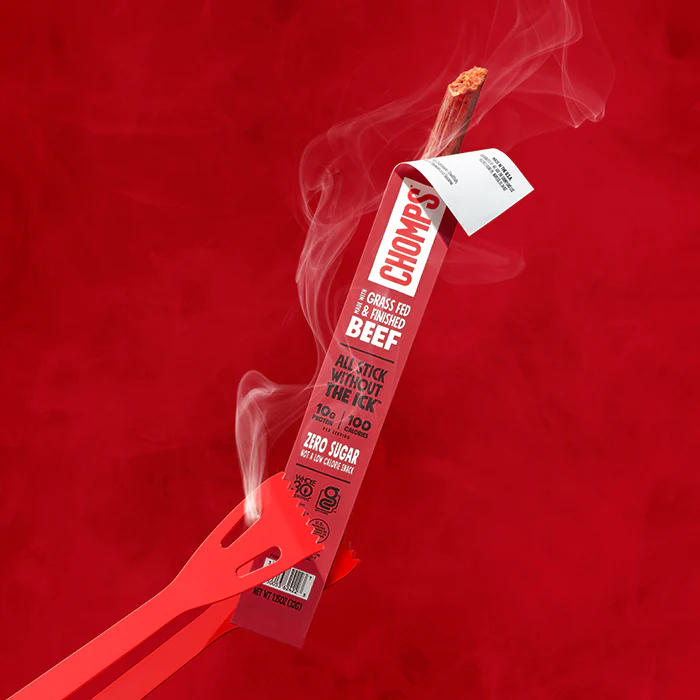
Savory & Protein-Packed Options are essential for lasting energy, staving off hunger, and providing a satisfying contrast to sweet snacks on the trail. These options help replenish salts lost through sweat and are crucial for muscle repair.
Nuts and seeds are a perennial favorite for good reason. Wonderful Pistachios, especially the chili roasted variety, offer a spicy, crunchy, protein-loaded snack. SuperSeedz Pumpkin Seeds, particularly the Somewhat Spicy or Cinnamon & Sugar flavors, are another tiny but mighty option. For a unique twist, many hikers recommend Planters Dill Pickle Flavored Cashews for a salty, protein-rich crunch.
Meat sticks and jerkies provide a powerful protein punch. Brands like CHOMPS (in flavors like jalapeño) and Vermont Smoke & Cure (offering hickory smoked beef or turkey) are highly recommended for being flavorful, individually wrapped, and easy to pack. For a softer, more tender alternative to jerky, biltong is a excellent choice. For a more substantial savory item, Fillo’s Walking Tamales are a unique, shelf-stable option that are hearty and filling, with the green chili flavor being a standout.
Cheese is a classic hiking luxury. Individually wax-sealed options like Babybel cheeses hold up surprisingly well without refrigeration and add a creamy, satisfying element. For a crunchy, cheesy alternative, Whisps Cheese Crisps are perfect when craving something savory without the bulk.
Finally, nut butter squeeze packs, like those from Justin’s, are a versatile staple. They can be eaten straight from the packet for a quick protein hit, squeezed onto crackers, or used to add calories and flavor to other backpacking meals.
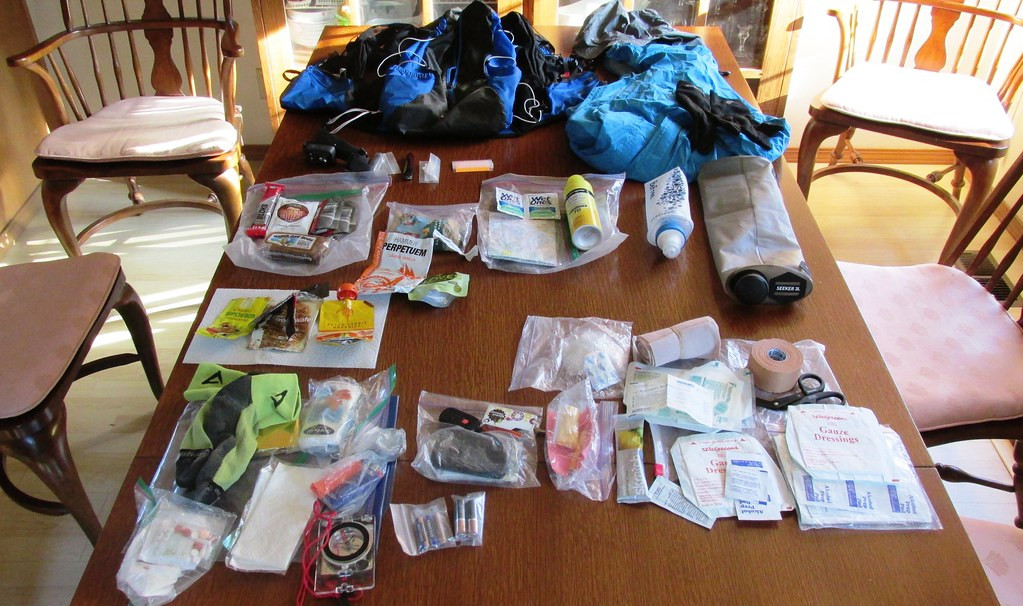
Fresh & Hydrating Snacks provide crucial moisture, vitamins, and a refreshing psychological boost that packaged foods often cannot match. They are especially valuable on hot days when electrolyte loss and dehydration are concerns.
The key to fresh fruit is choosing varieties that are durable and come in their own natural packaging. Apples and oranges, particularly small cuties, are classic choices as they tend to hold up well in a pack. Some hikers even refer to an “adventure cucumber” for its incredible hydrating and refreshing qualities on a summer trail. For a chewy, fruit-forward option, fruit jerky made from 100% fruit with no added junk offers a light and satisfying texture.
Vegetables are another excellent way to stay hydrated. Carrot sticks, celery, and bell peppers are go-to choices because they are crunchy, refreshing, and won’t get soggy as quickly as other veggies. They can be eaten alone or paired with a nut butter squeeze pack or single-serving hummus for added protein and flavor.
For those willing to carry a little extra weight, single-serving pouches of pickles, like Oh Snap! Pickling Co Dilly Bites, are a fantastic choice. They are not only hydrating but also help replenish sodium and electrolytes lost through sweat, all without any messy brine. The general rule with all fresh produce is to pack them carefully, often in a hard-sided container, to prevent them from getting squished and making a mess in your pack.
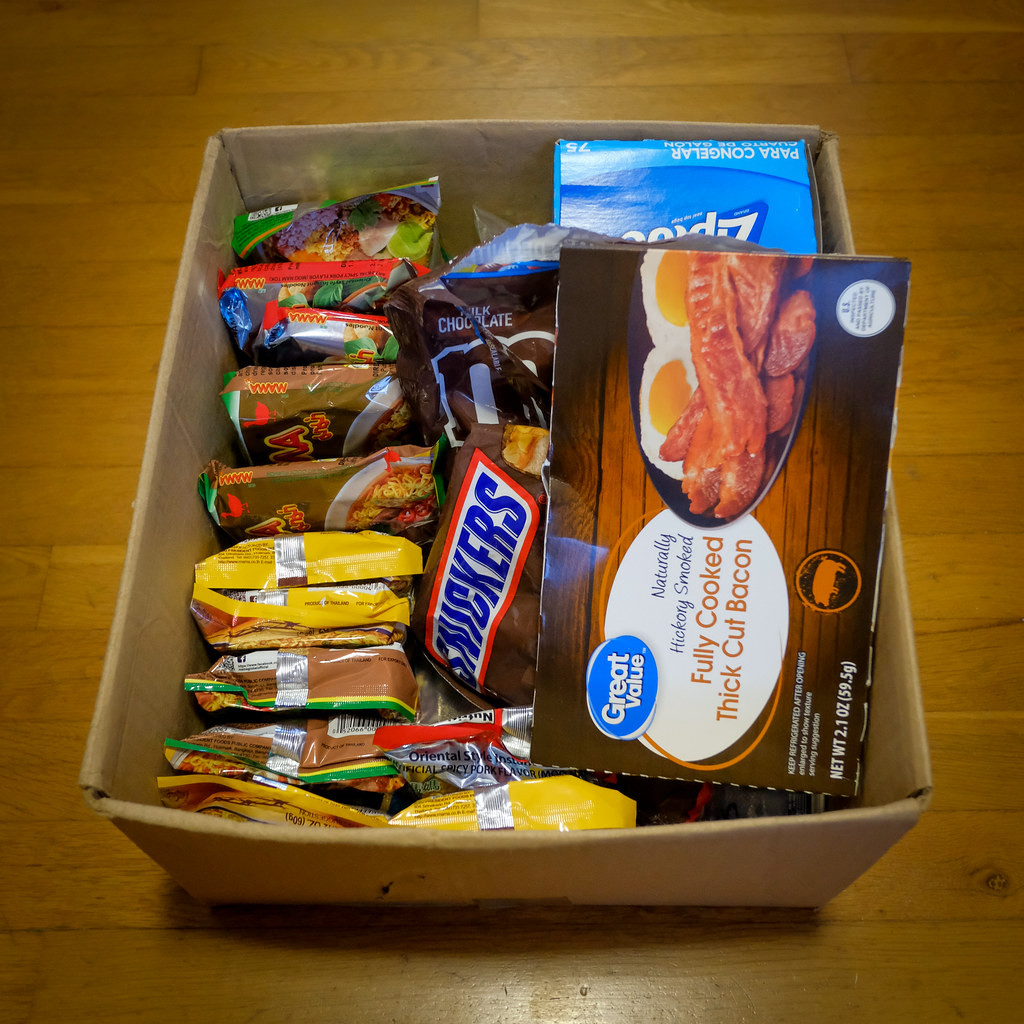
Sweet Treats for Quick Fuel are the ultimate morale booster on the trail, providing an immediate source of energy and a rewarding psychological lift, especially during a tough climb or as a celebration at a summit.
For many hikers, a classic candy bar is the gold standard. A Snickers bar is frequently mentioned as the perfect reward, offering a satisfying mix of chocolate, nuts, and caramel that feels indulgent after hard work. Its popularity is partly due to its resistance to melting compared to other chocolate bars. Payday bars are also a top choice for their high calorie content, good protein levels, and because they contain no chocolate that can melt into a mess.
Beyond candy, there are plenty of other sweet options. Heavenly Hunks are oat-based bites that are chewy, sweet, and totally satisfying for those craving something indulgent yet vegan. Honey Stinger Waffles are soft, organic, and made with honey for quick fuel, holding up well even when smushed in a backpack. For a cookie option, Siete Mexican Wedding Cookies offer a rich, nutty, gluten-free flavor, though they come with a warning about covering your fingers in powdered sugar.
Homemade treats also have a special place on the trail. Many hikers bake their own breakfast cookies, energy bites, or flapjacks using ingredients like oats, bananas, peanut butter, and dark chocolate chips. These allow for complete control over nutrients and flavors, creating a dense, calorie-packed, and personalized sweet snack. The common thread among all these choices is that they provide a quick sugar rush for immediate energy and a much-needed moment of joy during a long hike.
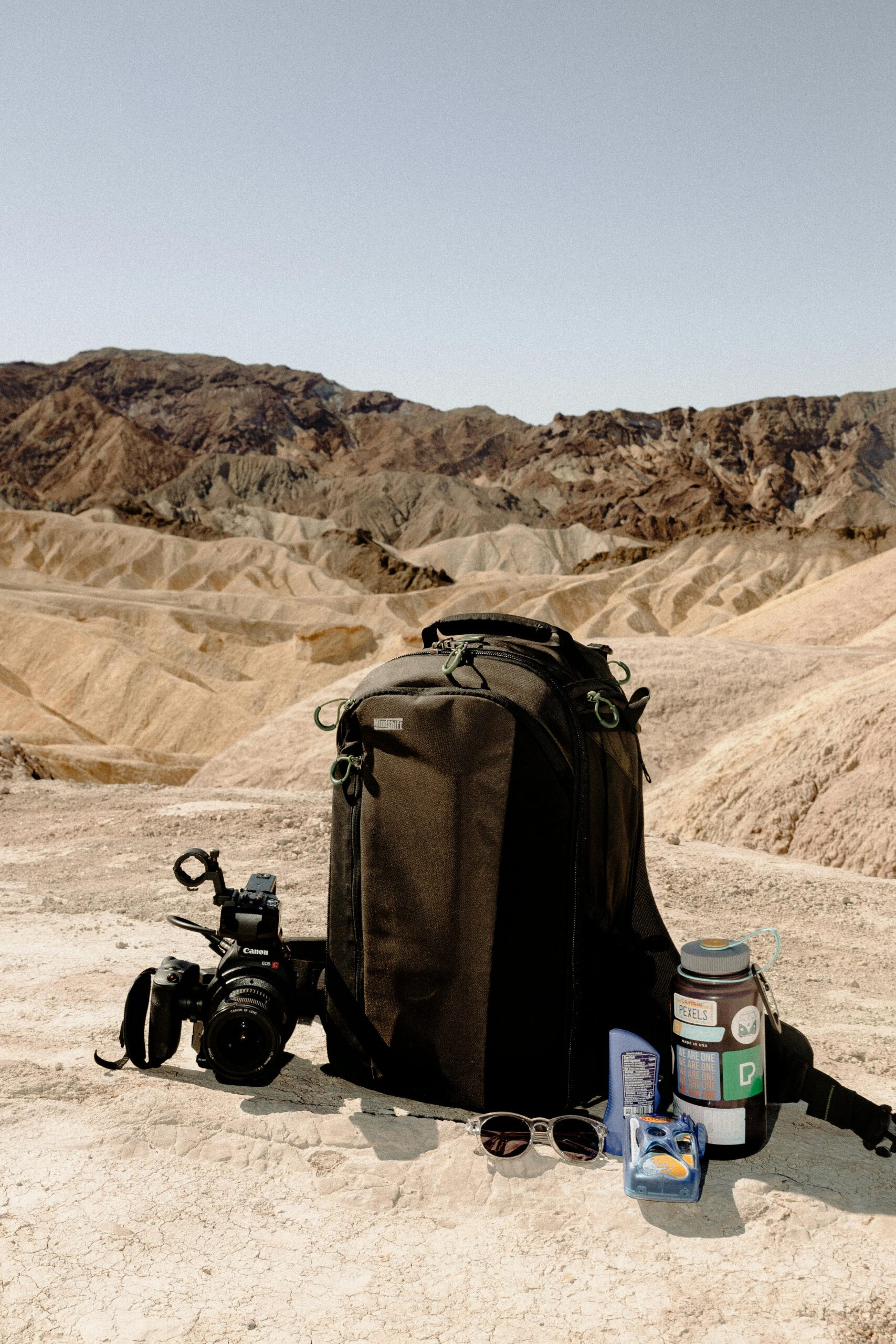
Electrolytes & Hydration Support, while not a snack in themselves, are a non-negotiable part of the hiking toolkit. Proper hydration involves more than just water; it requires replenishing the essential salts lost through sweat to maintain energy, prevent cramping, and avoid more serious issues like hyponatremia.
Electrolyte drink mixes are a highly effective and convenient solution. Products like LMNT are a must-have for many hikers, coming in a variety of flavors including a unique hot chocolate option for cold weather hikes. These powders are designed to be mixed with water to efficiently restore sodium, potassium, and magnesium. For a simpler approach, some hikers opt for Carnation Instant Breakfast drink mixes to supplement vitamins and protein alongside their hydration.
The timing of electrolyte intake is also important. Some hikers find that drinking a protein-rich beverage like a Chobani Complete (offering 20-25 grams of protein) before a hike makes a noticeable difference in their energy levels and helps prevent a drastic crash later on.
It’s also crucial to pair salty snacks with water intake. Savory options like pickles, dill pickle flavored nuts, or even the juice from a pickle pouch help the body retain water and naturally replenish sodium. A good rule of thumb is to consume 16 ounces of water per hour of hiking, increasing that amount and electrolyte supplementation in hot conditions or on particularly strenuous trails.

DIY & Budget-Friendly Trail Mixes are the ultimate customizable and cost-effective snack for hikers. The beauty of making your own mix is the ability to tailor it to personal taste, dietary needs, and nutritional goals, avoiding the premium price of pre-made options while often resulting in a higher-quality blend.
The base of a good trail mix typically consists of nuts and seeds for healthy fats and protein. Almonds, cashews, pistachios, and pumpkin seeds are all excellent choices. To this foundation, a carbohydrate element is added for energy. This can include classic ingredients like raisins and dried mango, or more creative additions like granola clusters, Nature Valley protein oats, or even crunchy cereal. For a touch of sweetness and motivation, many hikers incorporate chocolate chips, peanut M&Ms, dark chocolate chunks, or coconut flakes. The key is to ensure a balance that avoids a sugar crash; a mix heavy in nuts and seeds will provide more sustained energy than one dominated by candy.
For those seeking a savory mix, ingredients like pretzels, cheese crisps, bagel chips, and roasted chickpeas can be combined with nuts and seeds, seasoned with spices like chili or garlic powder. The concept of a “gummy trail mix” is also popular, created by buying all the gummy things you can find and mixing them together in a bag for a pure, fun sugar boost.
The process is simple: buy ingredients in bulk from stores like Costco or supermarket bulk bins for the best value, then combine them in a large gallon-sized ziplock bag or container. Portions can then be divided into individual reusable bags for each hike. This method not only saves money but also allows for endless variety, preventing snack burnout on long trails and ensuring you always have a mix you’re excited to eat.
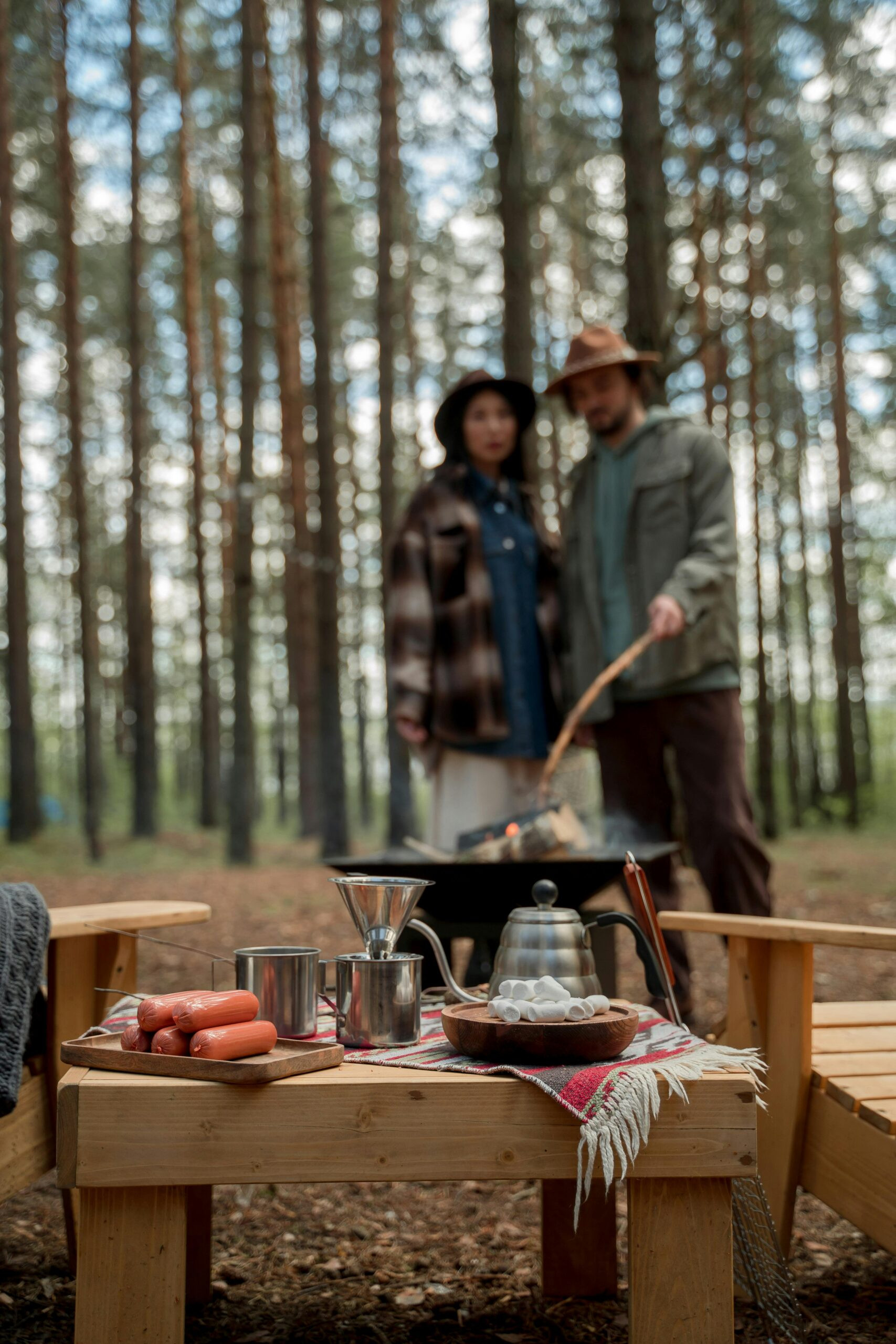
A good rule of thumb is to snack every hour to maintain steady energy levels and avoid fatigue.
Ideal snacks are lightweight, nutrient-dense, non-perishable, easy to eat on the move, and offer a balance of carbohydrates, protein, and healthy fats.
Not necessarily. While they shouldn’t be your only fuel, sugary snacks provide a quick energy boost that can be helpful for immediate effort, like tackling a steep climb. It’s best to pair them with longer-burning foods like nuts.
For short, easy hikes in moderate weather, water is usually sufficient. However, on longer, more strenuous, or hot hikes, electrolytes are crucial to replace salts lost through sweat and prevent cramping.
Great savory choices include nuts (e.g., pistachios, dill pickle cashews), meat sticks, jerky, cheese crisps, individual nut butter packets, and even pickles or Walking Tamales.
The most budget-friendly approach is to make your own trail mix from bulk ingredients. Buying bars in bulk boxes and repackaging other snacks from large bags into single servings also significantly reduces cost.
 Best Foods to Bring Winter Camping
 How to Cook Over a Campfire
 How To Cook Bacon When Camping