Cooking over a campfire is a time-honored tradition that brings a sense of adventure and nostalgia to outdoor meals. The flickering flames and aromatic wood smoke create a unique ambiance that no kitchen stove can replicate. Whether you’re camping in the wilderness or enjoying a backyard bonfire, mastering the art of campfire cooking can elevate your outdoor culinary experience. In this guide, we’ll delve into the techniques, equipment, safety measures, meal ideas, and tips for cooking delicious meals over a campfire. Whether you’re a seasoned outdoor enthusiast or a novice camper, this guide will help you create memorable and satisfying campfire-cooked dishes that are sure to delight your taste buds and warm your soul.
Campfire cooking involves preparing meals using an open fire as the heat source. It’s a skill that requires a bit of practice and preparation, but the rewards are well worth the effort. From roasting marshmallows for s’mores to creating hearty one-pot dishes, campfire cooking offers a range of culinary possibilities.
To understand campfire cooking better, it’s essential to familiarize yourself with a few key concepts:
Heat Zones: Just like a stovetop, a campfire has different heat zones. The hottest part is directly over the flames, followed by a medium-heat area surrounding the flames, and a cooler outer zone.
Cookware: Choose cookware that is suitable for campfire use. Cast iron pans, Dutch ovens, and sturdy stainless steel pots are popular choices. They can withstand the high heat of a fire and distribute heat evenly.
Cooking Methods: Campfire cooking methods include grilling, roasting on skewers or sticks, using a grate or tripod, and cooking in foil packets. Each method has its unique advantages and can be used for different types of dishes.
Firewood: The type of firewood you use can impact the heat and flavor of your food. Hardwoods like oak, hickory, and maple produce long-lasting and consistent heat, while aromatic woods like mesquite and fruitwoods can infuse a delightful smoky flavor.
Safety: Safety should always be a priority when cooking over a campfire. Ensure your fire is contained in a fire pit or ring, keep a bucket of water or sand nearby, and avoid loose clothing that could catch fire. Be cautious of sparks and embers.
Clean-Up: Leave no trace by properly extinguishing your fire and cleaning up after yourself. Pack out all trash, including food scraps, and scatter cold ashes over a wide area.
Meal Planning: Plan your meals in advance, taking into account the available cooking methods and ingredients that won’t spoil quickly. Prepping some ingredients at home can save time and effort at the campsite.
By understanding these basics, you’ll be better prepared to create a successful campfire cooking experience and enjoy delicious meals under the open sky. In the following sections, we’ll explore different campfire cooking techniques, equipment, safety tips, and some mouthwatering recipes to inspire your outdoor culinary adventures.
Cooking Techniques Over a Campfire
Campfire cooking offers a variety of techniques to prepare delicious and satisfying meals. Here are some popular cooking methods to try on your next camping trip:
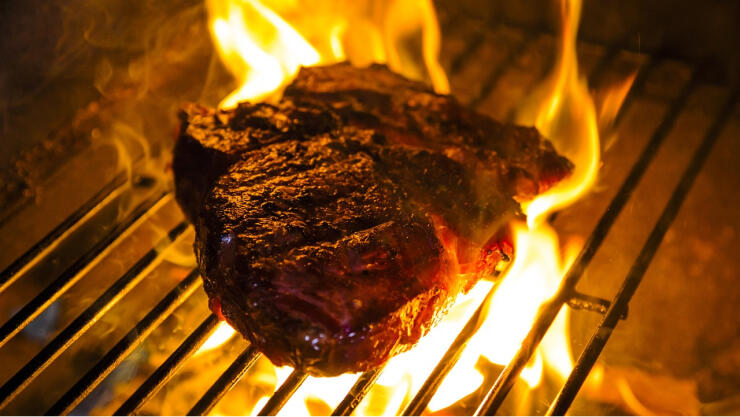
Grilling: Place a grill grate over the campfire and cook food directly on it. Grilling is great for burgers, hot dogs, kebabs, and even vegetables. Make sure to flip the food regularly for even cooking.
Skewer Roasting: Spear food items like marshmallows, sausages, or vegetables onto long skewers and hold them over the flames. Rotate the skewers to ensure even cooking and a nice char.
Dutch Oven Cooking: Dutch ovens are versatile cast iron pots with lids, perfect for slow-cooking stews, soups, casseroles, and even baking. Place hot coals on top of the lid to create an oven-like environment.
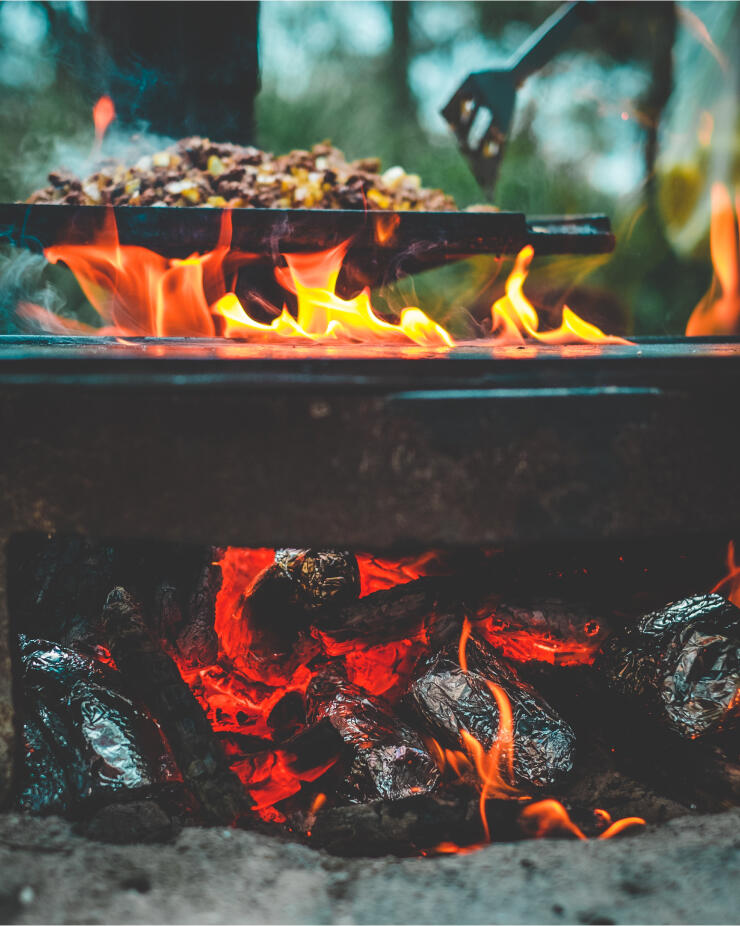
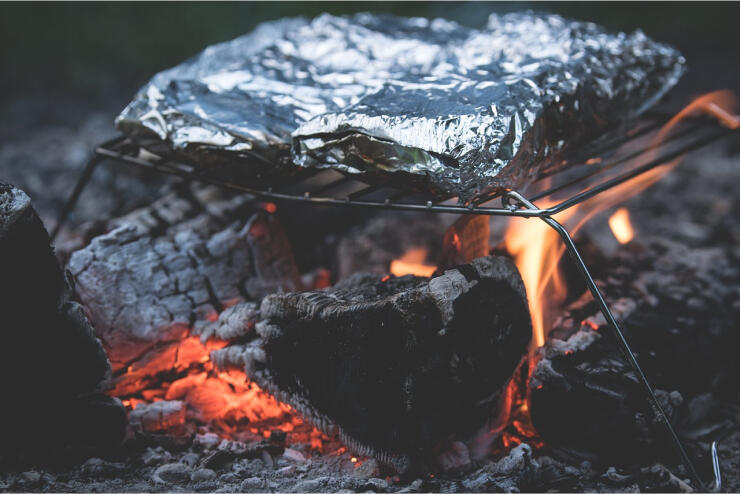
Foil Packets: Wrap seasoned ingredients in aluminum foil and place them directly on the campfire coals or on a grate. This method is excellent for cooking fish, chicken, vegetables, and potatoes.
Campfire Grill: A campfire grill is a platform with legs that can be placed over the fire. You can use it for grilling meat, fish, and vegetables. Adjust the grill’s height to control the cooking temperature.
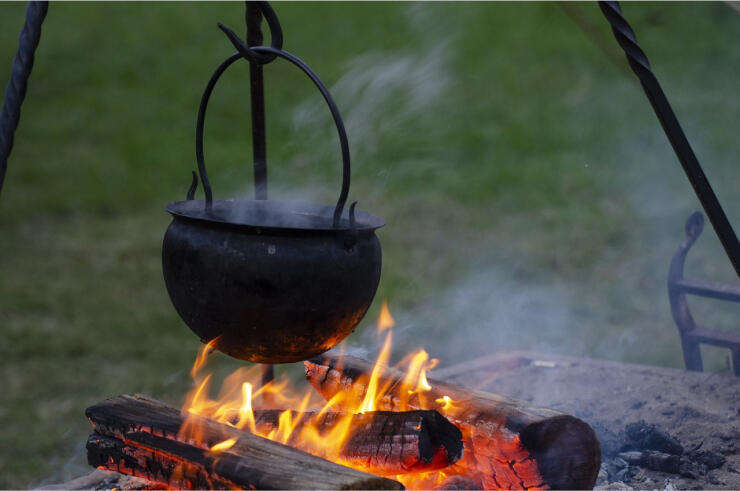
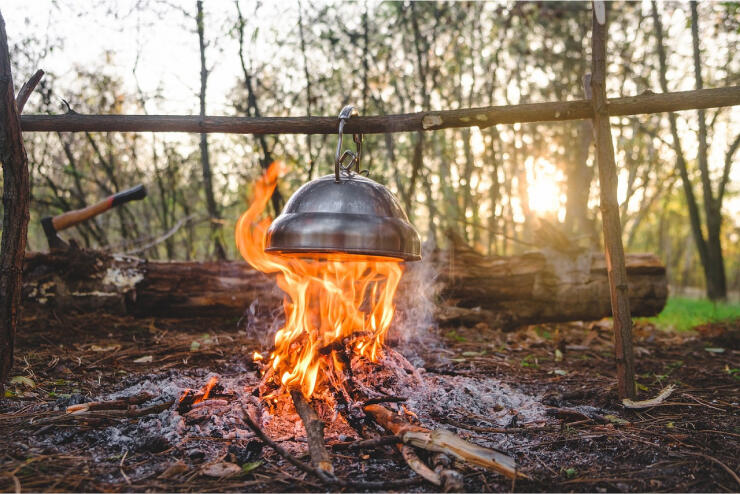
Tripod Cooking: A tripod with a chain or hook can be suspended over the fire to hang pots or kettles. This method is ideal for making soups, stews, and brewing coffee.
Pie Iron Cooking: Pie irons are hinged metal contraptions used to make toasted sandwiches and other treats over the fire. Fill bread slices with ingredients like cheese, ham, or fruit, close the iron, and cook until golden.
Roasting Sticks: Roast sausages, hot dogs, and marshmallows on long sticks over the flames. Rotate the sticks to ensure even cooking and prevent burning.
Remember to always monitor your food closely to prevent overcooking or burning. The heat from a campfire can be unpredictable, so it’s essential to stay attentive. Additionally, prepare all your ingredients and utensils before you start cooking to avoid leaving the fire unattended.
Experiment with different techniques and get creative with your campfire cooking. With practice, you’ll become more comfortable and skilled at preparing a variety of dishes over an open flame. And don’t forget to enjoy the experience of cooking and sharing meals in the great outdoors!
Grilling
Grilling over a campfire is a popular and enjoyable cooking method that imparts a smoky flavor to your food. Here’s how to grill food over a campfire:
Prepare the Fire: Start by building a campfire and allowing it to burn down until you have a bed of hot coals. Coals provide a consistent and even source of heat for grilling.
Select the Grill Grate: If you have a portable campfire grill grate, place it over the coals. Alternatively, you can fashion a simple grill using a metal grate or wire mesh supported by rocks or logs.
Prep the Food: Season your food items with your choice of marinades, spices, or rubs. You can grill a variety of foods such as meat, fish, vegetables, and even fruits.
Oil the Grate: To prevent sticking, lightly oil the grill grate using a paper towel dipped in cooking oil. Be cautious when handling the grate as it can become very hot.
Grilling Technique: Place the food on the grill grate and cook each side. Use long tongs to flip the food and prevent flare-ups. The distance between the food and the coals can be adjusted by raising or lowering the grill grate.
Keep a Watchful Eye: Campfire grilling can be faster than traditional grilling due to the intensity of the heat. Monitor the food closely to prevent burning or overcooking. Remember that the heat distribution might not be as even as a backyard grill, so adjust the placement of the food as needed.
Test for Doneness: Use a meat thermometer to ensure that meats are cooked to a safe internal temperature. Different foods will have different cooking times, so it’s essential to know when they’re done.
Resting Period: Allow grilled meat to rest for a few minutes before serving. This allows the juices to redistribute, ensuring a more flavorful and tender result.
Extinguish the Fire: After you’re done grilling, ensure that the fire is completely extinguished by dousing it with water and stirring the ashes.
Grilling over a campfire can be a fun and rewarding experience. It’s a chance to connect with nature and savor the simple pleasures of outdoor cooking. Remember to follow fire safety guidelines and leave no trace by properly disposing of coals and ashes.
Roasting
Roasting food over a campfire is a rustic and flavorful cooking method that is perfect for items like marshmallows, hot dogs, sausages, and vegetables. Here’s how to roast food over a campfire:
Gather Roasting Sticks: Find long, sturdy sticks or skewers that are clean and free from any chemicals. Wooden sticks work well, but you can also use specialized roasting sticks with handles.
Prepare the Fire: Build a campfire and let it burn down until you have a bed of hot coals. Coals provide a steady and even source of heat for roasting.
Attach the Food: Skewer the food onto the roasting stick. For hot dogs and sausages, insert the stick at one end and push it through the length of the food. For marshmallows and vegetables, insert the stick through the center.
Adjust the Height: Hold the roasting stick with the food over the coals. The distance between the food and the coals determines the intensity of the heat. Experiment with different heights to achieve the desired level of roasting.
Rotate Constantly: Slowly rotate the roasting stick to ensure even cooking. This prevents one side from burning while the other side remains undercooked.
Monitor Cooking Time: The cooking time varies based on the type of food and how well-done you prefer it. Hot dogs and sausages usually take a few minutes, while marshmallows can be roasted until golden brown.
Check for Doneness: Check if the food is cooked to your liking. Hot dogs and sausages should be cooked through with a slightly crispy exterior. Marshmallows should be soft and gooey on the inside.
Serve and Enjoy: Carefully slide the roasted food off the stick onto a plate or bun. Be cautious as the food will be hot.
Extinguish the Fire: After roasting, ensure that the fire is fully extinguished by pouring water over the coals and stirring the ashes.
Roasting food over a campfire is a delightful activity that adds a sense of adventure to outdoor cooking. It’s especially enjoyable during camping trips and gatherings around the fire. Just remember to exercise caution, especially when cooking with open flames, and clean up any food scraps to leave the campsite pristine.
Dutch Oven Cooking
Cooking with a Dutch oven over a campfire is a versatile and rewarding method that allows you to prepare a wide range of meals, from hearty stews to delicious baked goods. Here’s how to cook with a Dutch oven:
Choose the Right Dutch Oven: Use a cast iron Dutch oven with sturdy legs and a tight-fitting lid. Make sure it’s well-seasoned to prevent sticking.
Prepare the Fire: Build a campfire and let it burn down until you have a bed of hot coals. You’ll need both coals under the Dutch oven and some on the lid to create even heat distribution.
Select Recipes: Choose recipes that are suitable for Dutch oven cooking, such as stews, soups, chili, casseroles, or baked goods.
Preheat the Dutch Oven: Place the Dutch oven on a stable surface near the fire to preheat. This helps in even cooking.
Prepare Ingredients: Prepare the ingredients according to the recipe. You can chop vegetables, season meat, and measure out liquids in advance.
Cooking Process: Depending on the recipe, you can follow these steps:
Sauté: Heat a small amount of oil or butter in the Dutch oven and sauté onions, garlic, and other aromatics.
Add Ingredients: Add the rest of the ingredients as per the recipe, including meat, vegetables, liquid, and seasonings.
Cover and Simmer: Place the lid on the Dutch oven and position hot coals on top of the lid. Arrange some coals underneath the Dutch oven. The number of coals will depend on the size of the Dutch oven and the desired cooking temperature.
Monitor Cooking: Check the food periodically to ensure it’s cooking evenly and not sticking to the bottom.
Baking: For baking, place the food inside the Dutch oven, put the lid on, and arrange coals both on top and underneath. This creates an oven-like environment for baking bread, biscuits, or desserts.
Adjust Heat: You can control the cooking temperature by adding or removing coals. More coals mean higher heat, while fewer coals mean lower heat.
Cooking Time: The cooking time varies depending on the recipe and the heat. Refer to your recipe for guidelines, and adjust the cooking time based on your experience.
Check for Doneness: Use a thermometer or check the texture of the food to determine if it’s done. For baked goods, use a toothpick to check if they’re cooked through.
Serve and Enjoy: Carefully remove the Dutch oven from the coals and serve your delicious meal.
Cleaning and Care: After cooking, allow the Dutch oven to cool slightly. Clean it using hot water and a gentle brush or scraper. Avoid using soap, as it can strip away the seasoning. Dry the Dutch oven thoroughly and apply a light coat of oil to prevent rust.
Dutch oven cooking offers a wonderful way to create flavorful and hearty meals in the great outdoors. With practice, you can master the art of Dutch oven cooking and enjoy a wide range of culinary delights during your camping trips.
Foil Packet Cooking
Cooking with foil packets over a campfire is a simple and enjoyable way to prepare a variety of dishes while camping. Here’s how to do it:
Gather Materials: You’ll need heavy-duty aluminum foil, your choice of ingredients (vegetables, meat, seasonings, etc.), and a campfire with hot coals.
Prepare Ingredients: Chop or slice the ingredients into pieces that will cook evenly. You can use a combination of vegetables, meat, poultry, fish, and even pasta or rice.
Seasoning: Season the ingredients with your preferred herbs, spices, sauces, or marinades.
Assemble the Packets: Tear off a sheet of aluminum foil, usually about 18 inches long. Place the ingredients in the center of the foil. Make sure not to overfill to allow proper cooking and steam circulation.
Fold and Seal: Fold the foil over the ingredients to create a packet. Start by folding the short sides of the foil together, then fold up the edges to seal the packet. Leave a bit of space inside for steam to build up.
Cooking Time: The cooking time depends on the ingredients and the heat of the fire. Generally, it takes around 15-30 minutes for the food to cook through. You can flip the packet halfway through if needed.
Placement: Place the foil packet directly on the hot coals or on a metal grate over the campfire. The direct heat will cook the food inside the packet.
Monitoring: Check the packet occasionally to ensure it’s cooking evenly and not burning. You can use tongs to carefully flip or rotate the packet if necessary.
Testing for Doneness: Open a packet slightly to check the doneness of the food. Be cautious of the hot steam when opening.
Serving: Carefully remove the packet from the fire using tongs or a stick. Allow it to cool slightly before opening. Be cautious of the hot steam that will escape when opening the packet.
Enjoy: Once the packet is open, transfer the contents onto a plate and enjoy your delicious campfire-cooked meal.
Variations: There are endless possibilities for foil packet cooking. You can experiment with different ingredients, seasonings, and combinations to create a variety of meals.
Foil packet cooking is a convenient and versatile method for campfire meals. It’s easy to customize your meals to suit your preferences, and cleanup is a breeze since there’s minimal mess to deal with.
Campfire Kettle and Pot Cooking
Cooking with a campfire kettle or pot can be a rewarding and practical way to prepare meals while camping. Here’s how to do it:
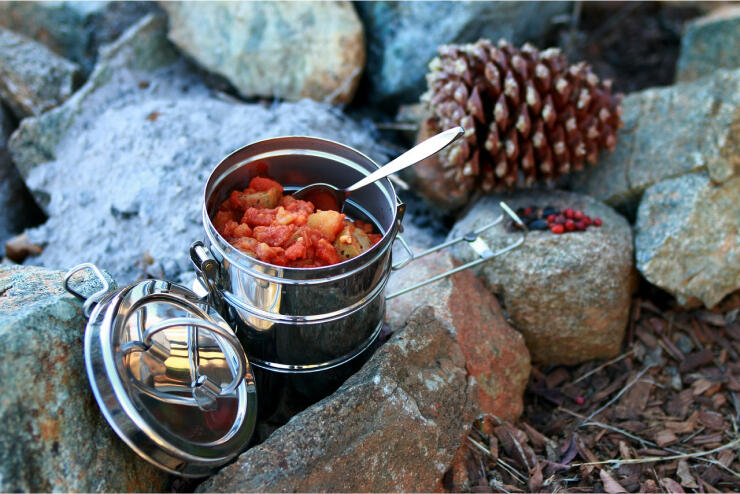
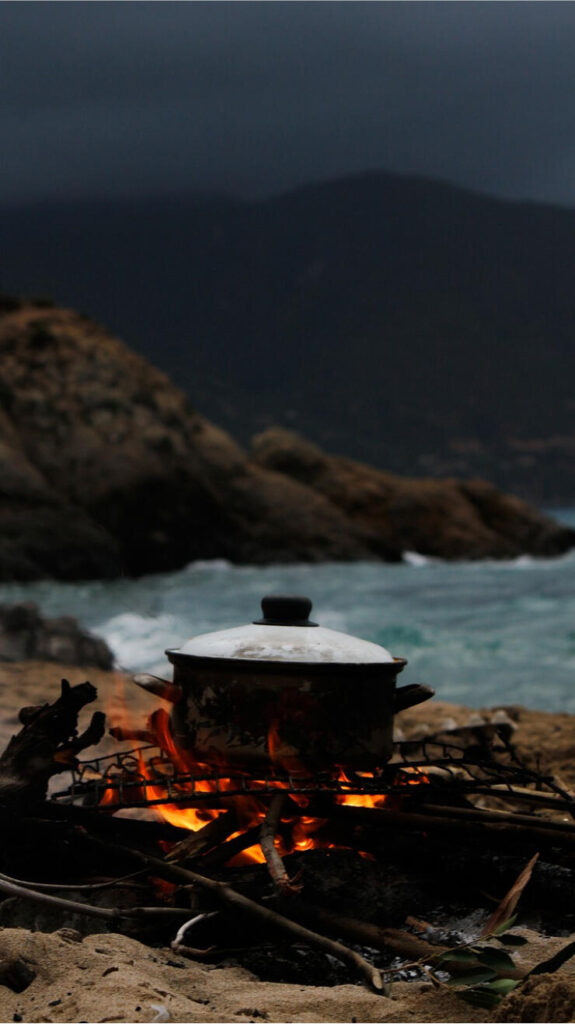
Choose the Right Equipment: Select a sturdy campfire kettle or pot with a handle that can withstand the heat of an open flame. Cast iron and stainless steel are good options for campfire cooking.
Gather Ingredients: Plan your meal and gather the ingredients you’ll need. Consider dishes like soups, stews, chili, pasta, and more.
Prep Ingredients: Chop vegetables, cut meat into manageable pieces, and prepare any other components of your dish.
Add Ingredients to Kettle or Pot: Place the campfire kettle or pot on a stable surface near the campfire. Add a small amount of oil or butter to prevent sticking. Start by sautéing onions, garlic, or other aromatic ingredients.
Layer Ingredients: Add the rest of your ingredients in layers. Start with the ingredients that take longer to cook, such as root vegetables and meats. Gradually add softer vegetables, grains, and liquids.
Seasoning: Season your dish with herbs, spices, and seasonings of your choice. You can also add broth, water, or other liquids to create a flavorful base.
Cover and Simmer: Put the lid on the kettle or pot to trap heat and allow the ingredients to simmer and cook. Adjust the position of the kettle over the campfire to control the heat intensity.
Stirring: Occasionally stir the contents of the kettle or pot to ensure even cooking and prevent sticking.
Cooking Time: Cooking times will vary depending on the ingredients and the heat of the fire. Typically, it takes around 30 minutes to an hour for ingredients to cook through.
Testing for Doneness: Pierce the larger pieces of food with a fork or knife to check if they are tender and fully cooked.
Remove from Heat: Once the ingredients are cooked to your satisfaction, carefully remove the kettle or pot from the campfire using oven mitts or heat-resistant gloves. Place it on a heat-resistant surface.
Let It Rest: Allow the dish to rest for a few minutes before serving. This helps the flavors meld and the temperature to even out.
Serving: Ladle the cooked dish into bowls or plates and enjoy your hearty campfire-cooked meal.
Cleaning: After cooking, clean the campfire kettle or pot using a brush or scraper. If any food is stuck, you can heat the pot again on the campfire to loosen residue before cleaning.
Campfire kettle and pot cooking allows you to prepare a wide range of meals, from simple soups to elaborate stews, right over the open flames. Just make sure to choose a kettle or pot that is well-suited for campfire use and exercise caution when working with open flames and hot surfaces.
Meal Ideas for Campfire Cooking
Cooking over a campfire can lead to delicious and memorable meals. Here are some meal ideas for campfire cooking:
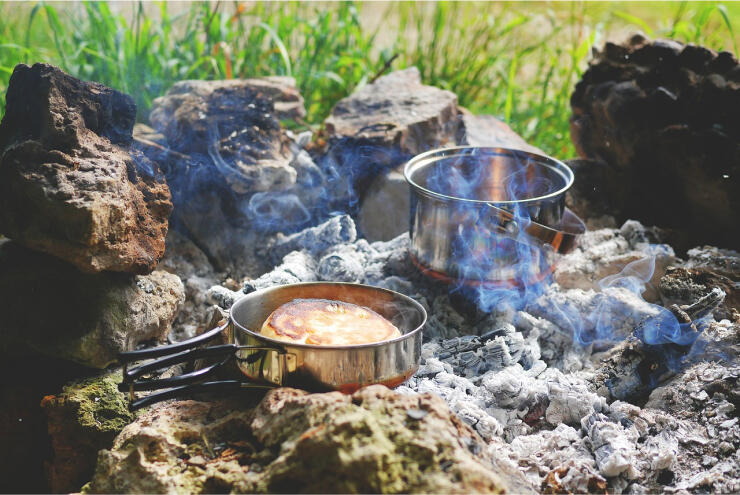
Campfire Skillet Breakfast:
Ingredients: Eggs, bacon or sausage, potatoes, onions, bell peppers, cheese.
Instructions: Cook bacon or sausage in a skillet over the campfire. Remove and set aside. In the same skillet, sauté diced potatoes, onions, and bell peppers. Add cooked bacon or sausage back to the skillet. Crack eggs on top, cover, and cook until eggs are set. Sprinkle with cheese and serve.
Campfire Grilled Sandwiches:
Ingredients: Bread, deli meats, cheese, vegetables.
Instructions: Assemble sandwiches with your choice of deli meats, cheese, and vegetables. Wrap sandwiches in foil and place them on a campfire grate. Cook until cheese is melted and bread is toasted.
Instructions: Place diced chicken, potatoes, carrots, and onions on a large piece of aluminum foil. Drizzle with olive oil and sprinkle with seasoning. Fold the foil into a packet and seal tightly. Cook on the campfire grate, turning occasionally, until chicken is cooked through and vegetables are tender.
Campfire Chili:
Ingredients: Ground beef, beans, tomatoes, onions, chili seasoning.
Instructions: Brown ground beef in a campfire pot. Add diced onions, canned beans, diced tomatoes, and chili seasoning. Let simmer over the campfire, stirring occasionally, until flavors meld and the chili thickens.
Instructions: In a campfire-friendly wok or skillet, stir-fry sliced chicken and a variety of vegetables like bell peppers, broccoli, and carrots. Add soy sauce and ginger for flavor.
Campfire Grilled Fish:
Ingredients: Fresh fish fillets, lemon, herbs, butter.
Instructions: Place fish fillets on a sheet of aluminum foil. Squeeze lemon juice over the fish and add fresh herbs. Top with a pat of butter. Wrap the foil around the fish to create a packet. Cook on the campfire grate until fish flakes easily.
Campfire Pasta:
Ingredients: Pasta, pasta sauce, cooked meat, vegetables.
Instructions: Boil pasta in a campfire pot. Drain and add pasta sauce, cooked meat (like sausage or ground beef), and vegetables. Heat the mixture until everything is heated through.
Campfire S’mores:
Ingredients: Graham crackers, chocolate, marshmallows.
Instructions: Place a piece of chocolate on a graham cracker half. Toast a marshmallow over the campfire until golden brown, then sandwich it between the chocolate and another graham cracker half.
Remember to bring appropriate cookware, utensils, and fire safety tools when cooking over a campfire. Plan your meals ahead of time and enjoy the experience of cooking and dining in the great outdoors.
Cleanup and Leave No Trace
After enjoying your delicious campfire-cooked meal, it’s important to practice responsible outdoor ethics and leave no trace of your presence. Here are some cleanup tips to follow:
Pack Out What You Pack In: Ensure you carry out all your trash, food scraps, and leftover packaging. Even biodegradable items like banana peels should be packed out, as they can take longer to decompose in certain environments.
Dispose of Grease Properly: Cooking oils and grease should be collected and stored in a sealable container. Do not pour grease directly onto the ground or into water sources, as it can attract animals and harm the environment.
Extinguish the Fire Completely: If you had a campfire, make sure it is fully extinguished before leaving. Pour water over the fire and stir the ashes until everything is cool to the touch.
Clean Cookware and Utensils: Use a biodegradable soap to clean your cookware, utensils, and any dishes. Wash them away from water sources, and scatter the used water over a wide area to prevent concentrating it in one spot.
Avoid Soap in Natural Water Sources: While it’s important to clean your cookware, avoid using soap directly in natural water sources like lakes and rivers. Instead, bring water to your campsite for cleaning purposes.
Pack Out Food Scraps: Food scraps can attract wildlife and disturb the ecosystem. Collect food scraps in a sealable container and pack them out.
Dispose of Human Waste Properly: If there are no established restroom facilities, follow Leave No Trace principles for disposing of human waste. Dig a small hole at least 200 feet away from water sources, trails, and campsites.
Brush Up the Campsite: Before leaving, do a thorough check of the campsite to ensure you haven’t left any small items behind. Pick up any trash, stray food particles, or debris.
Respect Wildlife: Avoid feeding wildlife, as human food can disrupt their natural diets and habits. Keep a safe distance from animals and never approach them for photos.
Educate Others: Share the principles of Leave No Trace with fellow campers and encourage them to follow responsible practices as well.
By cleaning up after yourself and leaving the environment as you found it, you help protect natural habitats and ensure that future generations can also enjoy the beauty of the outdoors.
Conclusion
In conclusion, campfire cooking is a wonderful way to connect with nature and enjoy delicious meals in the great outdoors. With the right knowledge and techniques, you can create a variety of meals over a campfire that are both satisfying and memorable. From grilling and roasting to using Dutch ovens and foil packets, there are numerous methods to explore.
Remember to always prioritize safety when cooking over a campfire. Choose a suitable location, build a safe fire, and keep a fire extinguishing method nearby. Plan your meals ahead of time and prepare the necessary ingredients and cooking tools. Follow proper food safety practices and be mindful of Leave No Trace principles to minimize your impact on the environment.
Whether you’re camping with friends, family, or solo, campfire cooking can add a special dimension to your outdoor experience. So gather around the fire, savor the flavors, and create lasting memories with the people you’re sharing the adventure with. Happy campfire cooking!
Winter camping demands a completely different nutritional strategy than summer trips. The cold environment fundamentally changes how your body functions,



 Best Foods to Bring Winter Camping
 Best Hiking Snacks
 How To Cook Bacon When Camping