A campfire can be an enjoyable and memorable part of any camping trip, but it’s important to remember that fires can be dangerous if not handled properly. By following some basic rules, you can have a safe and enjoyable campfire experience. This article will outline some of the essential rules for safe campfire making.
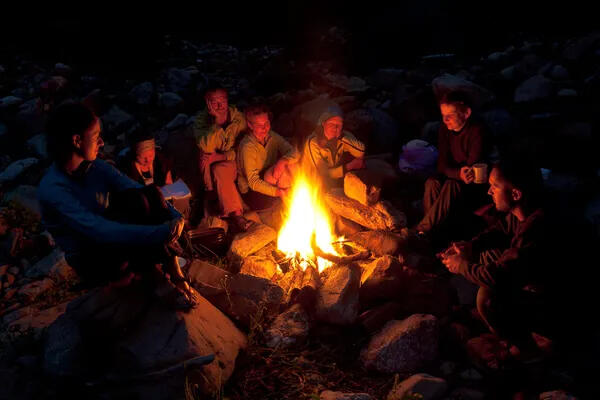
Campfires have been a tradition for centuries, and for good reason. They provide warmth, light, and a focal point for socializing and relaxation. There is something about sitting around a fire with friends and family that brings people together and creates lasting memories. The crackling of the wood, the dancing flames, and the smoky scent all contribute to the unique ambiance that only a campfire can provide. However, it is important to follow safe practices when building a campfire to prevent accidental fires and preserve the natural environment.
Following rules for safe campfire making is essential to prevent the risk of wildfires, injury, and property damage. Campfires can easily get out of control and spread to surrounding vegetation, causing significant damage to the ecosystem and putting human lives at risk. Therefore, it is important to adhere to specific guidelines to ensure that campfires are safe and do not cause any harm. In addition, by being responsible and following the rules, you can enjoy the warmth and ambiance of a campfire while also protecting the environment.
Choose a Safe Location for Your Campfire
When making a campfire, it is important to choose a safe location. Here are some things to keep in mind:
Check for fire restrictions: Before you start a fire, make sure there are no fire restrictions in the area you are camping in. Some areas may have restrictions due to dry weather conditions, high winds, or other factors.
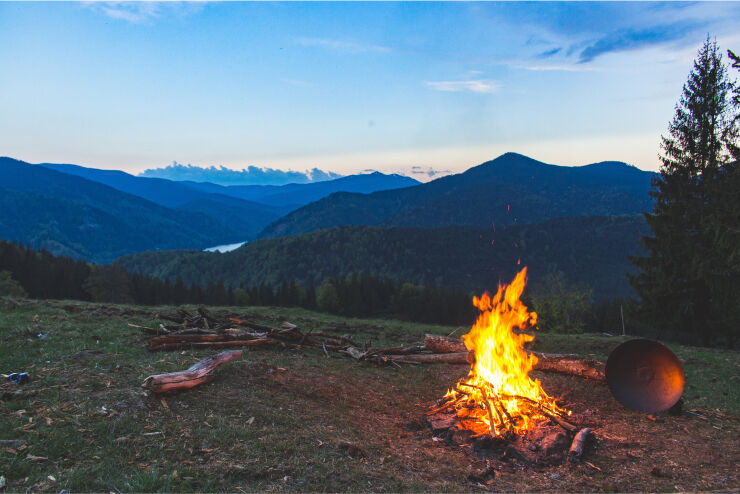
Choose a designated fire ring or pit: Many campsites have designated fire rings or pits that are designed for safe campfires. If there is no designated fire pit, choose a spot that is at least 15 feet away from tents, trees, or other flammable objects.
Look for level ground: Choose a location that is on level ground to prevent the fire from spreading. Avoid areas with slopes or uneven terrain.
Clear the area around the campfire: Remove any flammable materials from the area around the campfire. This includes dry leaves, grass, twigs, and other debris.
Check the wind direction: Make sure the wind is not blowing towards your tent or other structures. If the wind changes direction, adjust the fire or put it out if necessary.
By following these guidelines, you can help prevent wildfires and ensure a safe and enjoyable campfire experience.
Check for fire restrictions in the area
To check for fire restrictions in the area, you should:
Contact the local land management agency: The agency responsible for the land where you plan to camp will have information on fire restrictions in the area. This could be the National Park Service, the U.S. Forest Service, or a state or local agency.
Check online: Many land management agencies have websites that post fire restriction information. You can also check the National Interagency Fire Center’s website for current fire restrictions across the United States.
Check with local officials: If you’re unsure about fire restrictions in the area, you can check with local officials such as the sheriff’s office, the fire department, or the chamber of commerce.
Check with other campers: Other campers in the area may also have information about fire restrictions. You can ask around at the campsite or consult online camping forums for information.
Look for existing fire rings or established fire pits
Looking for existing fire rings or established fire pits can be a good idea for safe campfire making, as these areas have already been cleared and designated for fires. This can help prevent accidental fires and also minimize the impact on the surrounding environment. However, it’s important to note that not all campsites or wilderness areas may have established fire pits or rings, so it’s important to do some research beforehand and come prepared with alternative fire-making methods if needed.
Clear the area of any flammable materials
Before starting a campfire, it’s important to clear the area of any flammable materials to reduce the risk of the fire spreading. This means removing dry grass, leaves, and twigs from the immediate area around the fire pit. Make sure there are no overhanging branches that could catch fire, and clear a perimeter around the fire pit of at least 10 feet. If the ground is dry and the fire danger is high, it’s best to avoid building a campfire altogether.
Keep your campfire a safe distance from tents, trees, and other structures
To keep your campfire a safe distance from tents, trees, and other structures, you should follow these steps:
Check the fire regulations of the area you are in, as some areas may have specific requirements for how far a fire should be from structures.
Choose a flat location that is at least 15 feet away from tents, trees, and other structures.
Clear the area around the fire pit of any flammable materials, such as leaves, branches, and grass.
Create a fire ring using rocks or a metal fire ring to contain the fire.
Keep a shovel and bucket of water nearby to quickly extinguish the fire if necessary.
Avoid building your fire under overhanging branches or near any other potential hazards.
Do not leave the fire unattended, and ensure that it is completely extinguished before leaving the area or going to sleep.
By following these steps, you can help ensure that your campfire remains a safe distance from any tents, trees, or other structures in the area.
Gather the Necessary Materials
When gathering materials for your campfire, it’s important to keep in mind the type and amount of wood you’ll need. Look for fallen, dry wood that snaps easily and breaks into small pieces. Avoid using green wood or wood that is still attached to live trees, as these are more difficult to burn and can release harmful chemicals into the air.
You’ll also need kindling, such as small sticks or dry grass, to help start the fire. Finally, it’s a good idea to have a bucket of water or sand nearby to help extinguish the fire when you’re ready to put it out.
Building Your Campfire
To build a safe and successful campfire, follow these steps:
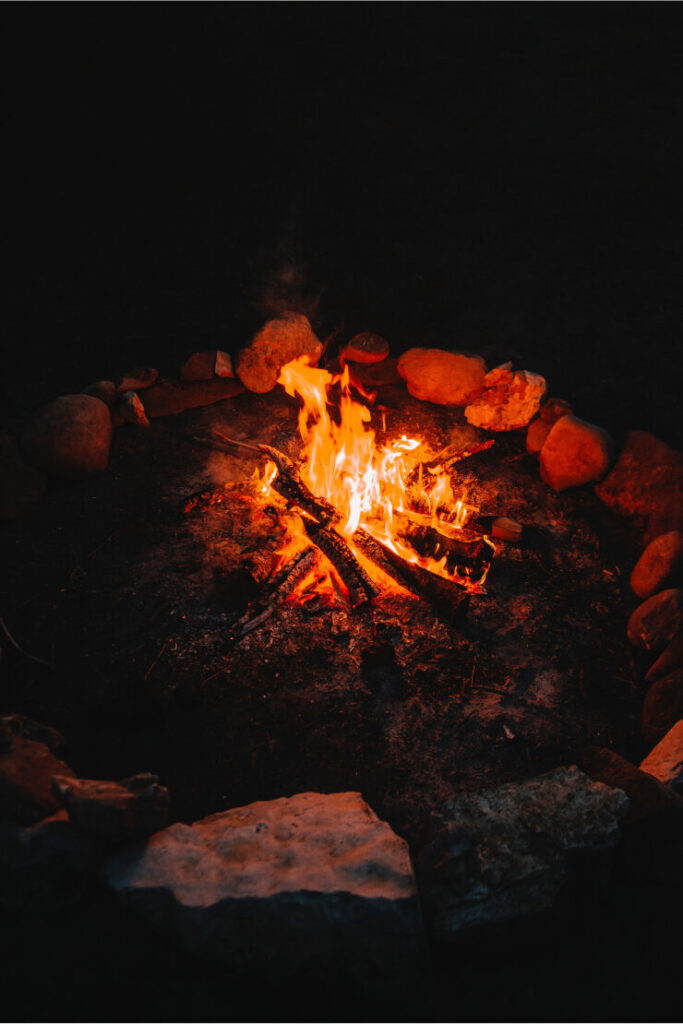
Build a Fire Pit: If there isn’t an existing fire pit, start by digging a small pit in the center of your chosen area. Make sure it is large enough to contain your fire and ring it with rocks to keep the flames contained.
Gather Firewood: Collect a variety of firewood, including kindling, smaller branches, and larger logs. Look for dry, seasoned wood that snaps easily and isn’t covered in bark or sap.
Stack the Wood: Arrange the kindling in a teepee shape inside the fire pit. Place the smaller branches around the kindling, and then stack the larger logs around the branches.
Ignite the Kindling: Light the kindling from the bottom, taking care not to ignite any other flammable materials. Use matches, a lighter, or a fire starter to get the fire going.
Monitor the Fire: Keep an eye on the fire at all times and never leave it unattended. Make sure to add more wood as needed to keep it burning steadily.
Extinguish the Fire: When you’re ready to put the fire out, use water or sand to fully extinguish the flames. Pour water over the embers until the hissing stops and stir the ashes with a stick to ensure everything is completely soaked.
Remember to always check the fire regulations in your area and follow them carefully. Additionally, never use flammable liquids, like gasoline or lighter fluid, to start a fire as this is extremely dangerous.
Maintaining Your Campfire
Once your campfire is burning, it’s important to take steps to maintain it properly to prevent accidents or damage to the surrounding area. Here are some tips for maintaining your campfire:
Keep the fire small: A large campfire can be difficult to control and can easily spread to nearby trees or structures. Keep the fire small and manageable.
Keep a supply of water nearby: Always keep a bucket of water, hose, or other source of water nearby in case the fire gets out of control.
Don’t leave the fire unattended: Never leave your campfire unattended, even for a short period of time. It’s important to keep a watchful eye on the fire at all times.
Use only wood and natural materials: Avoid using synthetic materials or materials that may be harmful when burned. Stick to using only wood and natural materials.
Avoid adding too much fuel: Adding too much fuel to the fire can cause it to grow too large and become difficult to control.
Don’t move the fire: It’s important to keep the fire in one place and not move it around. Moving the fire can cause embers to fly out and start new fires.
Put out the fire completely before leaving: Before you leave your campsite, make sure to put out the fire completely. Pour water over the fire and stir the ashes until they are cool to the touch.
Extinguishing Your Campfire
Extinguishing a campfire is a crucial step in campfire safety. Even if you think the fire is completely out, it’s important to take the time to ensure that it’s extinguished properly to prevent any chance of re-ignition. Here are the steps to follow when extinguishing your campfire:
Allow the fire to burn down to ash: Let the fire burn down until you have a pile of ash and embers. This will make it easier to extinguish the fire.
Spread out the ashes: Use a stick or shovel to spread out the ashes over a wide area. This will help to expose any hot spots that may still be burning.
Pour water over the fire: Slowly pour water over the ashes, making sure to soak the area completely. Use enough water to make sure that everything is thoroughly wet.
Stir the ashes: Use a stick or shovel to stir the ashes and embers. This will help to expose any remaining hot spots.
Pour more water over the fire: Once you’ve stirred the ashes, pour more water over the fire to ensure that everything is completely saturated.
Check the area: After you’ve poured water over the fire and stirred the ashes, check the area to make sure that everything is completely out. There should be no smoke or steam rising from the area.
Repeat if necessary: If there are any hot spots or areas that are still smoldering, repeat the process of pouring water over the fire and stirring the ashes until everything is completely extinguished.
Remember to never leave a campfire unattended, and always make sure that it’s completely out before leaving the area.
Leave No Trace
Leave No Trace is a set of principles designed to encourage outdoor enthusiasts to practice environmentally responsible behavior while enjoying the outdoors. The goal is to minimize human impact on the natural environment and leave the area as close to its natural state as possible. Here are some Leave No Trace principles that apply to campfires:
Use established fire rings or pits whenever possible. If there are no established fire rings, use a portable fire pan.
Use only sticks and twigs found on the ground to build your fire. Do not cut live trees or break branches off live trees.
Do not burn trash, foil, or cans in the fire.
Burn all wood and coals to ash, put out the fire completely, and scatter cool ashes.
Pack out all unburned trash, food, and litter.
Leave the area cleaner than you found it.
Respect wildlife by not leaving food out and avoiding areas with active wildlife.
Conclusion
In conclusion, campfires are an essential part of camping and outdoor experiences, providing warmth, light, and a place for socializing. However, it is crucial to follow rules for safe campfire making to prevent the spread of wildfires and other hazards. When building a campfire, choose a safe location, check for fire restrictions, and clear the area of flammable materials. Gather the necessary materials, build your campfire, maintain it, and extinguish it safely. Remember to always practice Leave No Trace principles and leave the area as you found it. By following these guidelines, you can enjoy a safe and responsible campfire experience.



 Summer Storm Safety Tips for Camping
 How to keep spiders out of your tent while camping
 Is Hammock Camping Safe?