Summer camping offers the promise of warm days, starlit nights, and the freedom to reconnect with nature. However, the serene ambiance can quickly change when the skies darken and a summer storm rolls in unexpectedly. While these storms can add a dramatic touch to your outdoor adventure, they also bring potential risks that demand vigilance and preparedness.
Whether you’re an avid camper or a beginner, understanding the challenges posed by summer storms and having a plan in place can make all the difference in ensuring your safety and enjoyment. In this guide, we’ll delve into essential summer storm safety tips for camping, helping you navigate the unpredictability of the weather while embracing the magic of the outdoors.
From understanding the nature of summer storms to choosing a secure campsite and packing the right gear, you’ll gain the knowledge you need to remain safe and prepared in the face of changing weather conditions. Whether you’re a solo backpacker, a family camper, or part of a group expedition, these insights will empower you to make informed decisions and adapt effectively when the skies take an unexpected turn.
So, as you set out on your summer camping escapade, let this guide be your trusted companion in ensuring that every moment spent in the wilderness remains a memorable and secure experience, no matter what the weather brings.
Understanding Summer Storms
Summer storms, characterized by their sudden and intense nature, can transform a serene camping trip into a challenging and potentially dangerous situation. These storms are often accompanied by thunder, lightning, heavy rain, strong winds, and rapid temperature changes. Understanding the dynamics of summer storms is crucial for staying safe while enjoying the great outdoors.
Summer storms are typically caused by the collision of warm and cold air masses, leading to the rapid development of clouds, rain, and thunder. Thunderstorms can escalate quickly, posing risks such as lightning strikes, flash floods, and gusty winds. Additionally, the sudden temperature drops during storms can catch campers off guard, potentially leading to hypothermia.
Recognizing the signs of an approaching summer storm, such as darkening skies, distant thunder, and shifting winds, is essential for timely action. Being aware of the weather forecast before embarking on your camping trip is a proactive way to prepare for potential storms. By understanding the characteristics and potential hazards of summer storms, you can make informed decisions to prioritize your safety while enjoying the beauty of the outdoors.
Check Weather Forecasts
One of the most critical steps in ensuring your safety during a summer camping trip is staying informed about the weather conditions. Checking weather forecasts before and during your adventure can help you make timely decisions and prepare for sudden changes in the weather. Here’s why and how to stay updated on weather forecasts:
1. Reliable Sources:
Use reputable sources for weather updates, such as official government weather websites, dedicated weather apps, and local news stations.
Choose sources that provide real-time information and accurate forecasts specific to your camping location.
2. Plan Ahead:
Check the weather forecast before your trip to get an idea of the general conditions you can expect.
Be aware of any potential storms or unfavorable weather patterns that might affect your plans.
3. Real-Time Updates:
During your camping trip, use mobile apps or portable weather radios to receive real-time updates.
Stay aware of any sudden weather changes that could impact your safety.
4. Emergency Alerts:
Enable emergency alerts on your mobile device to receive notifications about severe weather warnings or watches in your area.
5. Local Knowledge:
If you’re in a remote area, ask locals or park rangers about typical weather patterns and any special considerations for the region.
6. Plan Activities Wisely:
Use the weather forecast to plan your outdoor activities. If a storm is predicted, consider adjusting your itinerary to prioritize safety.
7. Be Flexible:
Stay open to altering your plans based on the weather forecast. It’s better to be safe and adaptable than to risk being caught in a storm.
8. Lightning Warnings:
Pay special attention to lightning warnings. If lightning is expected in your area, take precautions to stay safe.
9. Monitor Trends:
Observe how the weather is changing throughout the day. Weather patterns can shift quickly, so staying vigilant is crucial.
By staying informed about the weather forecast, you empower yourself to make well-informed decisions that contribute to your safety and enjoyment during your camping trip. Remember that weather conditions can change rapidly, so regularly checking for updates ensures that you’re prepared for any potential challenges that might arise.
Choose a Safe Campsite
Selecting the right campsite is essential for staying safe during a summer camping trip, especially when the threat of summer storms is a possibility. A well-chosen campsite can minimize risks and provide a secure environment. Here’s how to choose a safe campsite to mitigate the impact of unpredictable weather:
1. Elevation and Terrain:
Choose a campsite that is slightly elevated to avoid potential flooding during heavy rainfall.
Avoid areas prone to flash floods, such as dry riverbeds or low-lying valleys.
2. Distance from Water Bodies:
Camp at a safe distance from rivers, streams, and lakes to prevent sudden rises in water levels during storms.
3. Avoid Tall Trees and Overhangs:
Steer clear of tall trees and overhanging branches that can pose a risk of falling during strong winds.
Falling branches or trees can cause injury or damage to your campsite.
4. Open Fields and Ridge Tops:
Avoid open fields and exposed ridge tops that can be vulnerable to lightning strikes during thunderstorms.
5. Natural Windbreaks:
Look for natural windbreaks, such as rock formations or dense foliage, that can provide some protection from strong winds.
6. Survey the Surroundings:
Scan the area for signs of potential hazards, such as dead or unstable trees, which can pose a danger during storms.
7. Sheltered Areas:
Consider campsites nestled among boulders or rocky outcrops that provide natural shelter from wind and rain.
8. Campsite Drainage:
Ensure that your chosen campsite has good drainage to prevent water from accumulating under your tent.
9. Far from Rockslides:
Avoid camping directly under steep slopes or cliffs, as heavy rainfall can trigger rockslides.
10. Access to Emergency Routes:
Choose a campsite that allows easy access to emergency routes or evacuation paths.
11. Nearby Shelter:
If available, consider camping near a designated storm shelter or ranger station for added safety.
By selecting a safe campsite that is well-protected and strategically positioned, you can minimize the potential risks associated with summer storms. While no campsite can guarantee absolute safety in all situations, careful consideration and planning significantly enhance your chances of a secure and enjoyable camping experience, even when unexpected weather changes occur.
Set Up Proper Shelter
Having a sturdy and well-prepared shelter is essential for staying safe during summer storms while camping. Your shelter serves as your primary defense against rain, wind, and lightning. Follow these steps to set up proper shelter and ensure your safety in changing weather conditions:
1. Quality Tent:
Choose a durable and weather-resistant tent designed for the conditions you might encounter.
Make sure your tent is in good condition, with no tears or weakened seams.
2. Tent Location:
Set up your tent on level ground that is slightly elevated to prevent water pooling during rainfall.
Ensure the door faces away from the direction of prevailing winds to minimize wind exposure.
3. Rain Fly:
Attach the rain fly to your tent to provide an extra layer of protection against rain and moisture.
Make sure the rain fly is taut and properly secured to prevent water from pooling on top.
4. Staking and Guy Lines:
Stake down your tent to anchor it securely to the ground.
Use guy lines to provide additional stability and prevent the tent from swaying in strong winds.
5. Properly Pitched:
Ensure your tent is pitched tightly to the ground to prevent wind from getting underneath.
Tighten all tent straps and adjust tension as needed to maintain stability.
6. Waterproofing:
Seam-seal your tent if it’s not already waterproofed to prevent leaks during heavy rain.
Use a ground tarp or footprint to create an additional barrier between your tent and the ground.
7. Storm Straps:
Some tents come with storm straps or additional tie-down points. Utilize these features to enhance stability.
8. Interior Organization:
Keep your gear organized inside the tent to prevent tripping hazards and maximize space.
Place items away from tent walls to avoid moisture transfer.
9. Proper Ventilation:
Leave ventilation flaps slightly open to prevent condensation buildup inside the tent.
Proper airflow helps reduce the risk of dampness and mold.
10. Emergency Exit:
Familiarize yourself with the location of the tent’s emergency exit in case you need to exit quickly.
By setting up your shelter thoughtfully and attentively, you create a safe haven that can withstand the challenges of summer storms. Proper shelter not only protects you from the elements but also provides peace of mind, allowing you to weather the storm while staying comfortable and secure within your camping space.
Pack Appropriate Gear
When preparing for a summer camping trip, packing the right gear is essential for staying safe and comfortable in the face of sudden weather changes, including summer storms. The gear you bring can make a significant difference in how well you handle adverse conditions. Here’s how to pack the appropriate gear to ensure your readiness for unpredictable weather:
1. Extra Clothing:
Pack extra layers of clothing, including waterproof jackets, pants, and moisture-wicking base layers.
Having spare clothing ensures you can stay warm and dry even if your current attire gets wet.
2. Waterproof Gear:
Invest in waterproof or water-resistant gear, including bags, boots, and gloves.
Waterproof gear helps keep you dry during rain showers and prevents discomfort.
3. Dry Bags:
Use dry bags to protect sensitive items like electronics, documents, and spare clothing from getting wet.
4. Emergency Shelter:
Pack an emergency shelter, such as a lightweight tarp or bivvy sack, to provide extra protection during storms.
5. Windproof Accessories:
Bring windproof accessories, such as a windbreaker jacket and gloves, to shield yourself from strong gusts.
6. Footwear:
Wear waterproof and sturdy hiking boots to keep your feet dry and provide ankle support.
Consider bringing spare shoes or sandals to wear around the campsite.
7. Headlamp and Batteries:
Pack a reliable headlamp with spare batteries for visibility during low-light or stormy conditions.
8. Navigation Tools:
Bring a map, compass, and GPS device to navigate in case visibility is reduced by rain or fog.
9. First Aid Kit:
Pack a comprehensive first aid kit that includes essentials for treating minor injuries and illnesses.
10. Fire-Starting Equipment:
Carry waterproof matches, a fire starter, or a lighter to help you start a fire for warmth and cooking.
11. Communication Devices:
Bring a fully charged mobile phone, portable charger, and emergency whistle for communication.
12. Shelter Accessories:
Consider carrying additional shelter accessories, such as tent repair patches or a small sewing kit.
13. Insulation Layers:
Pack lightweight insulation layers that can be easily added or removed to regulate your body temperature.
14. Hat and Sunglasses:
Wear a hat with a brim to protect yourself from rain and sun. Sunglasses help shield your eyes from glare.
15. Personal Medications:
Carry any necessary prescription medications along with a small supply of over-the-counter remedies.
Packing appropriate gear ensures that you’re prepared for sudden weather changes and unexpected challenges. When you have the right equipment at your disposal, you can confidently navigate summer storms and maintain your safety and comfort throughout your camping experience.
Stay Informed
Staying informed about the weather and any potential changes is crucial for your safety and preparedness during summer camping trips, especially when storms are a possibility. Here are important tips to help you stay informed and make informed decisions:
1. Weather Updates:
Keep a portable weather radio or smartphone app handy to receive real-time weather updates and alerts.
2. Emergency Alerts:
Enable emergency alerts on your mobile device to receive notifications about severe weather warnings.
3. Regular Checks:
Check weather forecasts multiple times a day to stay updated on any changes in conditions.
4. Sky Observation:
Pay attention to the sky and cloud patterns. Darkening skies, sudden wind shifts, and cumulonimbus clouds can signal impending storms.
5. Learn Weather Patterns:
Familiarize yourself with local weather patterns and trends for the area you’re camping in.
6. Seek Shelter Early:
If you notice signs of an approaching storm, seek shelter and stay updated on its progress.
7. Communication with Others:
If you’re camping with others, maintain open communication about the weather and any changes in plans.
8. Weather Apps:
Download and use weather apps that provide detailed forecasts and real-time radar images.
9. Ranger Stations:
If you’re camping in a national park or protected area, inquire at ranger stations for weather updates and advice.
10. NOAA Weather Radio:
Carry a NOAA weather radio for reliable and continuous weather information, especially in areas with limited cell reception.
11. Be Prepared for Delays:
Be mentally prepared for weather-related delays in your outdoor activities and plans.
12. Trust Your Instincts:
If you have a bad feeling about the weather or sense a sudden change, take precautionary measures.
13. Monitor Social Media:
Follow official weather and park social media accounts for timely updates and safety information.
14. Local News Stations:
Tune in to local news stations for updates on weather conditions and forecasts.
Staying informed about the weather conditions allows you to make timely decisions that prioritize your safety. By staying vigilant, regularly checking forecasts, and observing the surroundings, you can adapt your plans and actions accordingly to ensure a secure and enjoyable camping experience.
Lightning Safety
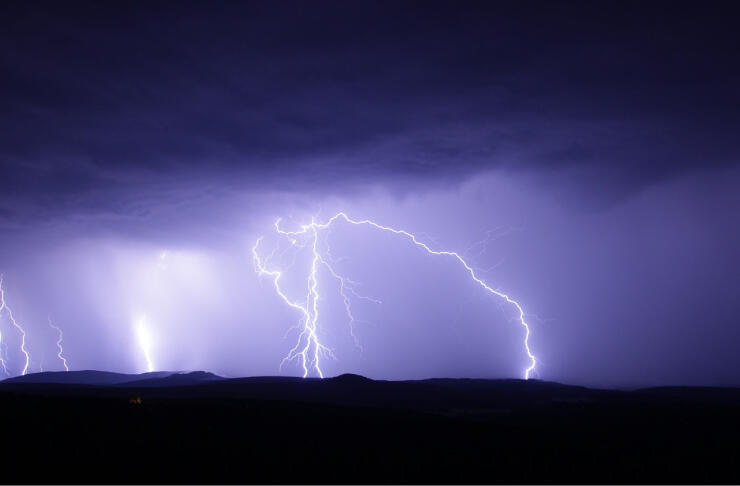
During summer storms, lightning poses a significant threat to campers and hikers. Being aware of lightning safety guidelines and taking appropriate precautions is essential to minimize the risk of lightning-related accidents. Here’s how to stay safe from lightning during your camping trip:
1. Monitor Weather Updates:
Stay informed about lightning activity by regularly checking weather forecasts and alerts.
2. Seek Shelter Early:
As soon as you hear thunder or see lightning, seek shelter immediately.
Lightning can strike several miles away from a storm, so don’t wait for it to be right overhead.
3. Stay Indoors:
Find shelter indoors, in a fully enclosed building, cabin, or vehicle.
Avoid picnic shelters, open-sided structures, and tents, as they do not provide adequate protection from lightning.
4. Avoid Tall Objects:
Stay away from tall objects such as trees, poles, and flagpoles.
Lightning tends to strike the tallest objects in an area.
5. Stay Away from Water:
Do not swim, wade, or be near water bodies like lakes, rivers, and ponds during a thunderstorm.
6. Lightning Position:
If you can’t find shelter, crouch down on the balls of your feet. Place your hands on your knees and tuck your head down, minimizing your height.
7. Distance and Time:
Use the “Flash-to-Bang” method to estimate the distance of lightning. Count the seconds between a lightning flash and the corresponding thunderclap. Divide by 5 to get the distance in miles.
8. Avoid Conductive Materials:
Stay away from conductive materials such as metal fences, wires, and railings.
9. Refrain from Using Electronics:
Avoid using electronic devices like cell phones and corded landline phones during a thunderstorm.
10. Wait for Safety:
Wait at least 30 minutes after the last clap of thunder before resuming outdoor activities.
11. Group Separation:
In a group, spread out to minimize the risk of multiple people being affected by a single lightning strike.
12. Educate Children:
Teach children about lightning safety and ensure they understand the importance of seeking shelter.
13. Educate and Plan:
Educate all members of your camping group about lightning safety and establish a plan for seeking shelter when necessary.
Being cautious and proactive when lightning is present is vital for your safety. Lightning is a powerful and unpredictable force of nature, and by following these guidelines, you can significantly reduce the risks associated with thunderstorms during your camping
Seek Shelter Properly
When caught in a summer storm while camping, seeking shelter properly is crucial to ensure your safety. Knowing where to find shelter and how to position yourself can make a significant difference in minimizing the risks associated with lightning, heavy rain, and strong winds. Here’s how to seek shelter effectively during adverse weather conditions:
1. Fully Enclosed Buildings:
Look for fully enclosed buildings, cabins, or shelters to provide the best protection from lightning and severe weather.
2. Vehicles with a Hard Top:
Seek refuge in a vehicle with a hard top, such as a car or RV, to shield yourself from lightning and rain.
3. Avoid Convertibles and Soft-Tops:
Do not seek shelter in vehicles with convertible or soft-tops, as they do not provide sufficient protection.
4. Public Buildings:
If you’re in a park or public area, find a restroom, visitor center, or other public building for shelter.
5. Avoid Isolated Structures:
Avoid seeking shelter in isolated structures like lone trees, picnic shelters, and flagpoles.
6. Avoid Open Spaces:
Stay away from open fields, hilltops, and elevated areas where you are the tallest object around.
7. Stay Away from Water:
Do not take shelter near water bodies like lakes, rivers, and ponds, as they conduct electricity.
8. Tent as Last Resort:
If no other shelter options are available, retreat to your tent as a last resort.
Stay away from tent poles, wet areas, and metal components inside the tent.
9. Distance from Shelter:
When seeking shelter in a building or vehicle, ensure you’re a safe distance from windows and doors.
10. Wait It Out:
Wait until the storm passes completely before leaving your shelter. Lightning can strike even after rain has stopped.
11. Stay Calm and Informed:
Stay informed about the storm’s progress through weather apps or portable radios while you wait.
12. Avoid Activities:
Refrain from activities like cooking, showering, or using electronics during the storm.
13. Respect Park Rules:
Follow any park or campground guidelines for seeking shelter and adhering to safety protocols.
By seeking shelter properly, you significantly reduce the risks associated with summer storms. Prioritizing your safety over convenience during adverse weather conditions ensures that you can weather the storm in a secure environment until it’s safe to resume your outdoor activities.
Secure Loose Items
During summer storms, strong winds can quickly turn harmless objects into hazardous projectiles. To minimize the risk of injury and damage to your campsite, it’s crucial to secure loose items before a storm hits. Taking proactive steps to anchor and protect your gear ensures a safer camping experience. Here’s how to secure loose items effectively:
1. Tents and Tarps:
Stake down your tent and rain fly securely. Use additional guylines to provide extra stability.
Tighten and secure all tent straps to prevent the wind from getting underneath.
2. Camping Equipment:
Store camping equipment, like chairs, stoves, and utensils, inside your tent or shelter during the storm.
Heavy items can become airborne in strong winds, causing potential harm.
3. Gear Storage:
Use waterproof dry bags or containers to store small gear and electronics that might be sensitive to rain.
4. Backpacks and Clothing:
Store backpacks and clothing items inside the tent to prevent them from blowing away.
5. Campfire Area:
Extinguish your campfire completely before the storm. Remove any burning embers or debris.
6. Utensils and Cookware:
Store cooking utensils, pots, and pans in a secure location during the storm.
7. Personal Items:
Secure personal items such as shoes, hats, and gloves inside the tent or shelter.
8. Garbage and Food:
Properly store garbage and food in sealed containers to prevent them from attracting animals during the storm.
9. Secure Tarps and Covers:
If you’re using tarps or covers for equipment, ensure they are well-secured and not susceptible to wind gusts.
10. Heavy Items on Picnic Tables:
Heavy items like coolers or gear bags can be placed on top of picnic tables to prevent them from blowing away.
11. Secure Tent Doors:
Close and secure tent doors and zippers to prevent them from flapping in the wind.
12. Anchor Canopies and Shelters:
If you have pop-up canopies or shelters, use stakes and guy lines to anchor them securely.
13. Store Electronic Devices:
Keep electronic devices, such as phones and cameras, inside waterproof bags or cases.
14. Secure Tarps and Covers:
If you’re using tarps or covers for equipment, ensure they are well-secured and not susceptible to wind gusts.
By securing loose items, you create a safer environment for yourself and those around you during a summer storm. Preventing objects from becoming projectiles not only protects your gear but also reduces the risk of accidents and injury caused by flying debris. Taking a few minutes to secure your belongings can make a significant difference in the outcome of your camping experience during adverse weather conditions.
Wait Out the Storm
When you’re caught in a summer storm during your camping trip, waiting out the storm safely is essential for your well-being. Taking the right precautions and adopting a patient approach can help you stay comfortable and minimize risks until the weather improves. Here’s how to effectively wait out a summer storm:
1. Seek Shelter:
If you haven’t already, find a safe and secure shelter, such as a fully enclosed building, cabin, or vehicle.
2. Stay Calm:
Stay calm and composed while you wait. Focus on maintaining a positive attitude and a patient mindset.
3. Stay Informed:
Continue to monitor weather updates through apps, portable radios, or other means to stay informed about the storm’s progress.
4. Keep Occupied:
Engage in quiet and calming activities to pass the time. Read a book, play cards, or simply relax and enjoy the sound of rain.
5. Stay Hydrated:
Keep hydrated by drinking water regularly, especially if it’s a warm and humid day.
6. Avoid Electronics:
Refrain from using electronic devices that are not waterproof, as they could be damaged by moisture.
7. Comfort Items:
Keep comfort items like a blanket, pillow, or snacks within reach to stay cozy and nourished.
8. Share Stories:
If you’re with others, share stories, play games, or engage in conversation to keep spirits high.
9. Be Patient:
Recognize that storms can pass quickly or linger for a while. Be patient and avoid rushing back outside prematurely.
10. Stay Away from Windows:
If you’re sheltering in a building, stay away from windows and glass doors to avoid potential debris and shards.
11. Assess Conditions:
Once the storm has passed, assess the conditions before leaving your shelter. Check for any hazards like fallen branches or water accumulation.
12. Remain Alert:
Even if the rain has stopped, continue to stay alert for any changes in weather patterns.
Waiting out a summer storm requires a combination of patience, preparedness, and a positive mindset. By taking precautions, staying informed, and staying occupied, you can turn the waiting period into a moment of relaxation and reflection, ultimately enhancing your camping experience when the skies finally clear.
Post-Storm Caution
After a summer storm has passed during your camping trip, exercising caution is crucial before resuming your outdoor activities. While the rain might have stopped, certain hazards can still persist, making it essential to assess the conditions and make informed decisions to ensure your safety. Here’s how to navigate post-storm conditions with caution:
1. Assess the Area:
Take a moment to assess your campsite and its surroundings for any damage, fallen branches, or hazards.
2. Check for Flooding:
Look for signs of flooding or standing water around your campsite and pathways.
3. Slippery Terrain:
Be cautious on trails and paths that might have become slippery due to rain or mud.
4. Avoid Fallen Trees:
Stay away from fallen trees, as they could be unstable and pose a risk of injury.
5. Debris and Obstacles:
Watch out for debris like branches, rocks, and other obstacles that might have been displaced by the storm.
6. Check for Wildlife:
Be aware that wildlife might be more active after a storm, so exercise caution and keep food securely stored.
7. Flash Flooding Risk:
Be cautious of sudden flash floods that can occur downstream from heavy rainfall.
8. Assess Trails and Routes:
Before continuing with hikes or outdoor activities, assess trail conditions for any potential hazards.
9. Listen for Updates:
Continue to listen for weather updates and potential alerts, as conditions can change rapidly.
10. Emergency Contacts:
Keep emergency contact numbers handy in case of any unforeseen situations.
11. Safety First:
Prioritize safety over expediency. If you’re unsure about conditions, it’s better to wait or choose a safer route.
12. Check Gear:
Inspect your camping gear, equipment, and shelter to ensure they’re still in good condition after the storm.
13. Be Mindful of Wildlife:
Remember that storms can disrupt wildlife patterns. Give animals space and avoid approaching them.
14. Stay Together:
If you’re camping with a group, stay together and communicate about hazards and changes in plans.
After a storm, conditions can be unpredictable, and hidden dangers may exist. Taking a cautious approach and thoroughly assessing the situation before resuming your outdoor activities ensures that you’re prepared to handle any challenges that may arise. By exercising patience and making well-informed decisions, you can continue to enjoy your camping trip safely and responsibly.
Conclusion
Embarking on a summer camping adventure is a rewarding experience that allows you to connect with nature and unwind from the demands of daily life. However, the unpredictable nature of summer storms can add an element of challenge to your outdoor escapades. By prioritizing safety, preparedness, and a thoughtful approach, you can navigate these storms with confidence, ensuring your well-being and the enjoyment of your camping experience.
From understanding the dynamics of summer storms to choosing a safe campsite, packing appropriate gear, and staying informed about weather updates, each step plays a vital role in your overall safety strategy. By seeking proper shelter, securing loose items, and waiting out the storm when necessary, you can weather the elements while minimizing risks.
Remember that safety is paramount, and it’s important to make informed decisions based on the specific conditions you encounter. Whether you’re an experienced camper or a novice explorer, the knowledge and strategies shared in this guide empower you to make thoughtful choices that enhance your summer camping adventure while keeping you and your companions safe.
As you venture into the wilderness, armed with the insights gained from this guide, may you embrace the beauty of nature, navigate the challenges of summer storms, and create lasting memories that highlight the resilience of the human spirit and the wonders of the great outdoors. Happy camping!





 How to keep spiders out of your tent while camping
 Is Hammock Camping Safe?
 How to Keep Raccoons Away From Your Campsite