Hammock camping has gained popularity as a unique and comfortable way to experience the great outdoors. It offers an alternative to traditional tent camping, allowing you to sleep suspended above the ground. However, like any outdoor activity, hammock camping requires careful consideration of safety to ensure a pleasant and secure experience. This article will delve into the various aspects of hammock camping safety, providing you with essential tips and guidelines to make your camping adventure not only enjoyable but also safe and worry-free. Whether you’re a seasoned hammock camper or a beginner looking to try it out, understanding hammock camping safety is crucial for a successful outing.
Selecting the appropriate location for hammock camping is a fundamental step in ensuring your safety. Here’s how to choose the right spot:
Look for Strong Anchor Points: The most critical aspect of hammock camping safety is finding sturdy and secure anchor points. Look for healthy and mature trees with thick trunks that are at least 6-8 inches in diameter. Avoid dead or weak trees that could break or fall.
Check for Hazards: Examine the area for potential hazards such as dead branches, widowmakers (loose branches hanging in trees), or unstable terrain. Clear away any debris or sharp objects from the ground beneath the hammock.
Consider Elevation: While hammocks offer a unique camping experience above the ground, avoid setting up too high. A height of about 18 inches to 4 feet is usually safe. This height provides comfort and ease of access while reducing the risk of injury from falling.
Distance from Water: While camping near a water source can be appealing, be cautious not to camp too close, as water levels can rise unexpectedly due to rain or other factors.
Avoid Wildlife Areas: Choose a spot away from known wildlife paths or areas where animals might frequent. This reduces the chances of unwanted encounters during the night.
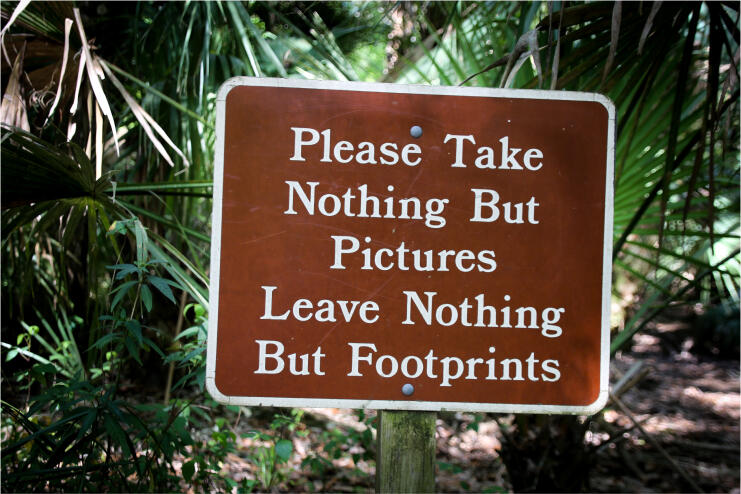
Follow Leave No Trace Principles: Camp at established sites whenever possible to minimize your impact on the environment. If no designated site is available, select a durable surface like compacted soil or rocky terrain to reduce damage to the ecosystem.
Respect Regulations: Follow any rules or regulations set by the park or wilderness area where you’re camping. Some areas may have specific guidelines for hammock camping to protect the environment and preserve the experience for others.
Weather Considerations: Be aware of weather conditions such as wind, rain, and potential flooding. Avoid camping near water bodies that might flood during heavy rainfall.
Privacy: Choose a spot that provides the privacy you desire while adhering to any guidelines set by the camping area.
By taking these factors into account, you can ensure that you choose a safe and suitable location for your hammock camping adventure. Remember that safety should always be a priority, and proper site selection is the first step towards a secure and enjoyable experience.
Inspect Your Hammock and Gear
Before you embark on a hammock camping trip, it’s essential to inspect your hammock and gear to ensure they are in proper condition. Here’s a comprehensive guide on how to inspect your hammock and gear:
Hammock Inspection:
Check the Hammock Fabric: Look for any visible signs of wear, tears, or abrasions on the hammock fabric. Pay close attention to stress points such as the attachment loops and seams.
Inspect Suspension System: Examine the ropes, straps, or suspension system for fraying, knots, or weak points. Ensure carabiners and hardware are functioning correctly.
Bug Net and Rainfly: If your hammock has a bug net or rainfly, inspect these components for any damage or holes that could compromise their effectiveness.
Spreader Bars (if applicable): If your hammock uses spreader bars, ensure they are securely attached and not cracked or damaged.
Straps and Suspension:
Check Tree Straps: Look for any signs of wear, fraying, or stitching issues on the tree straps. Make sure they are clean and free from debris.
Carabiners and Hardware: Inspect carabiners, buckles, and other hardware for any signs of rust, deformation, or damage. Ensure they open and close smoothly.
Tarp or Rainfly:
Check for Tears and Holes: Examine the tarp or rainfly for any holes, tears, or punctures that could compromise its waterproofing capabilities.
Seam Sealing: If your tarp requires seam sealing, make sure the seams are intact and adequately sealed.
Ridgeline and Attachments:
Ridgeline Integrity: If your hammock has a ridgeline, check its strength and ensure it’s properly attached.
Attachment Points: Inspect all attachment points, such as carabiners and loops, to ensure they are secure and not showing signs of wear.
Sleeping Gear:
Sleeping Bag or Underquilt: Check your sleeping bag or underquilt for any damage, tears, or loss of insulation.
Pillow and Blanket: Inspect your pillow and any blankets or insulation layers you plan to use for any issues.
Personal Gear:
Lights and Headlamps: Test your lights and headlamps to ensure they are working correctly and have sufficient battery life.
Other Accessories: Inspect any other personal gear you plan to use, such as camping gadgets, multitools, and navigation equipment.
Emergency Gear:
First Aid Kit: Ensure your first aid kit is fully stocked and up to date.
Communication Devices: Check that your communication devices, such as a whistle or satellite phone, are functional.
Cooking Equipment:
Stove and Cookware: Inspect your camping stove, fuel canisters, and cookware for any damage or leaks.
Clothing:
Inspect clothing items for tears, damage, or missing buttons. Ensure you have appropriate clothing for varying weather conditions.
Footwear:
Check your hiking boots or footwear for signs of wear, loose soles, or any issues that could affect comfort and safety.
By thoroughly inspecting your hammock and gear before your camping trip, you can identify and address any potential issues, ensuring that you have a safe and enjoyable experience in the outdoors.
Proper Hanging Techniques
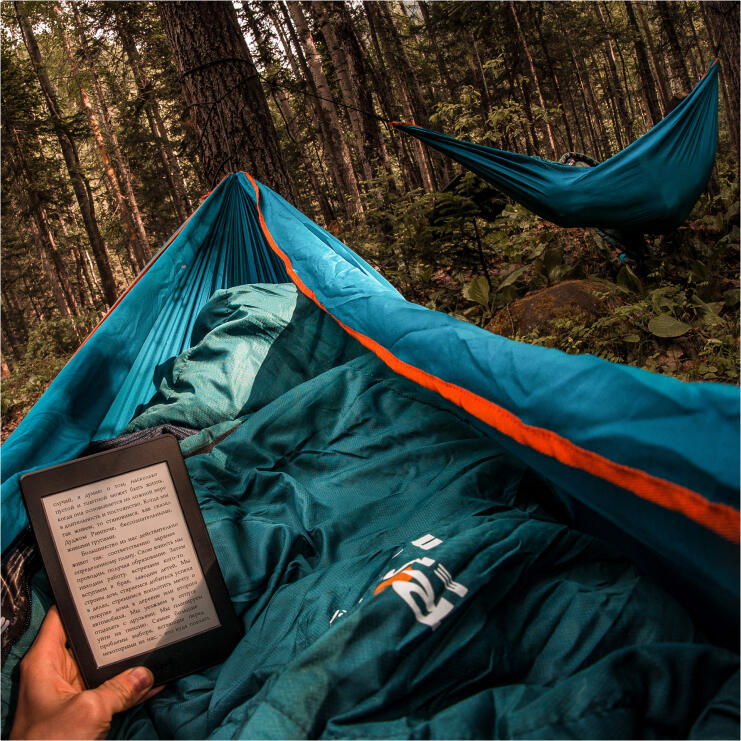
Properly hanging a hammock is crucial for your safety and comfort while hammock camping. Here’s a step-by-step guide to help you master the art of hanging your hammock:
Choose Suitable Trees or Anchors:
Select healthy, sturdy trees or anchor points that are at least 12-15 feet apart. Avoid dead or weak trees.
Check local regulations and guidelines for hammock camping to ensure you are following proper procedures.
Use Tree Straps or Webbing:
Wrap tree straps or webbing around the selected trees to protect the bark and prevent damage. Avoid using ropes directly on trees.
Attach your suspension system (carabiners, straps, or whoopie slings) to the tree straps securely.
Hang at the Right Angle:
The ideal hang angle is around 30 degrees. This angle provides a comfortable and flat sleeping position.
Avoid hanging the hammock too tight, as it can cause discomfort and increase stress on the suspension.
Adjust the Height:
Hang the hammock at a height that allows you to get in and out comfortably. Usually, a height of 18 inches to 2 feet above the ground is a good starting point.
Adjust the hang height based on your preferences and the terrain.
Attach the Hammock:
Attach your hammock to the suspension system using the appropriate hardware (carabiners, S-hooks, or toggles).
Make sure the hammock is evenly balanced and centered between the trees or anchors.
Test the Hang:
Gently sit in the hammock and test its stability. Make adjustments as needed to achieve a comfortable and level position.
Distribute your weight evenly to avoid putting excess stress on one side of the hammock.
Tighten the Suspension:
If your hammock sags too much, gently tighten the suspension straps. Be cautious not to overtighten, as this can cause discomfort.
Consider Rain and Wind:
If rain is expected, angle the hammock suspension slightly downward to prevent water from pooling in the hammock.
Orient the hammock perpendicular to prevailing winds for a more comfortable experience.
Bug Net and Rainfly:
If using a bug net or rainfly, ensure they are properly attached and secured to provide protection from insects and the elements.
Test Before Rest:
Before settling in for the night, spend some time adjusting and testing your hammock setup. Ensure you are comfortable and stable.
Stay Safe:
Always prioritize safety. Avoid excessive height, and double-check all attachments and knots before getting in the hammock.
Never exceed the weight capacity of your hammock and suspension system.
Leave No Trace:
When you’re done using the hammock, remove all traces of your presence, including tree straps and any litter.
By following these steps and practicing proper hanging techniques, you can enjoy a safe and relaxing hammock camping experience while minimizing impact on the environment.
Weather Preparedness
Weather preparedness is a crucial aspect of camping, ensuring your safety and comfort while enjoying the great outdoors. Here’s a comprehensive guide to help you be well-prepared for various weather conditions during your camping trip:
Check the Forecast:
Before your trip, check the weather forecast for the camping area. Be prepared for any changes in weather conditions.
Dress in Layers:
Dressing in layers allows you to adjust your clothing according to temperature changes. Wear moisture-wicking and insulating materials.
Rain Gear:
Pack waterproof and breathable rain gear, including a rain jacket, rain pants, and rain cover for your backpack.
Cold Weather Gear:
If camping in colder climates, bring thermal underwear, a warm hat, gloves, and a down or synthetic insulated jacket.
Hot Weather Gear:
For hot weather, wear lightweight and breathable clothing, a wide-brimmed hat, sunglasses, and apply sunscreen.
Footwear:
Choose appropriate footwear for the weather, such as waterproof boots for rain or insulated boots for cold conditions.
Sleeping Gear:
Use a sleeping bag appropriate for the expected nighttime temperatures. Consider a sleeping pad for insulation from the ground.
Tents and Shelters:
Choose a tent with proper ventilation for hot weather and a rainfly for rainy conditions. Set up tarps for additional shelter if needed.
Emergency Shelter:
Pack an emergency shelter, such as a lightweight tarp or bivy sack, in case you need extra protection from the elements.
Wind Protection:
Stake down your tent and use guylines to secure it in windy conditions. Choose a sheltered campsite to minimize wind exposure.
Lighting:
Bring headlamps or lanterns for lighting during dark and overcast conditions.
Food Storage:
Keep your food safe from animals by using proper food storage techniques, like hanging a bear bag or using bear-resistant containers.
Hydration:
Stay hydrated by drinking plenty of water, even in cooler weather. Dehydration can occur in cold climates too.
Navigation:
Have a map, compass, or GPS device to navigate in case of poor visibility or getting lost.
Communication:
Carry a fully charged cell phone or satellite communicator for emergency communication.
First Aid Kit:
Pack a comprehensive first aid kit to address any injuries or health issues that may arise.
Weather Alerts:
Keep an eye on weather alerts and warnings. Be prepared to change your plans or seek shelter if severe weather is approaching.
Know Your Limits:
If conditions become dangerous, know when to retreat and seek shelter. Your safety is the top priority.
Leave No Trace:
Be mindful of your impact on the environment during adverse weather conditions. Follow Leave No Trace principles.
By following these weather preparedness tips, you can enjoy your camping trip while staying safe and comfortable, regardless of the weather conditions you encounter.
Wildlife Awareness
Wildlife awareness is essential for a safe and enjoyable camping experience. Interacting with wildlife can be exciting, but it’s crucial to respect their natural behaviors and habitats. Here’s a guide to help you stay informed and prepared when encountering wildlife while camping:
Research Local Wildlife:
Before your trip, research the wildlife species that inhabit the camping area. Learn about their behaviors, habits, and potential risks.
Keep a Safe Distance:
Observe wildlife from a safe distance. Use binoculars or a zoom camera lens to get a closer view without disturbing them.
Do Not Feed Wildlife:
Feeding wildlife can disrupt their natural behaviors and lead to dependence on human food. Keep your campsite clean and store food securely.
Proper Food Storage:
Store food, trash, and scented items (toiletries, cooking utensils) in bear-resistant containers or by hanging a bear bag away from your sleeping area.
Avoid Surprising Wildlife:
Make noise while hiking to alert wildlife of your presence. Use a bell or talk loudly to prevent surprising animals like bears.
Respect Nesting Sites:
Avoid disturbing nesting sites, burrows, or dens. Keep a safe distance from young animals, as their parents may become defensive.
Know How to React:
Research how to respond to encounters with different wildlife. For example, stand your ground with large animals like bears, back away slowly from moose, and avoid eye contact with cougars.
Secure Pets:
Keep pets on a leash and under control at all times. Uncontrolled pets can attract or provoke wildlife.
Stay On Trails:
Stick to designated trails to minimize your impact on wildlife habitats and reduce the risk of unexpected encounters.
Minimize Scents:
Avoid using scented lotions, perfumes, or strong-smelling products that could attract curious animals.
Campsite Hygiene:
Keep your campsite clean. Wash dishes promptly, dispose of trash properly, and avoid cooking near your sleeping area.
Leave No Trace:
Adhere to Leave No Trace principles by minimizing your impact on the environment and wildlife. Pack out all trash and leave the area as you found it.
Educate Children:
Teach children about wildlife safety and appropriate behavior around animals.
Emergency Response:
In case of close encounters or dangerous situations, know how to react and follow guidelines provided by park rangers or wildlife experts.
Report Sightings:
Report unusual or aggressive wildlife behavior to park rangers or relevant authorities.
Remember, the goal is to appreciate and coexist with wildlife while ensuring both your safety and theirs. By practicing responsible wildlife awareness, you contribute to the preservation of natural ecosystems and enhance your camping experience.
Set Up Emergency Communication
Setting up emergency communication is crucial for your safety while camping. In case of unexpected situations or emergencies, having reliable ways to communicate with the outside world can make a significant difference. Here’s how to set up emergency communication for your camping trip:
Cell Phone:
Ensure your cell phone is fully charged before heading out. Keep it in a waterproof and shockproof case.
Research the cell phone coverage in the camping area. Understand that remote locations may have limited or no signal.
Portable Charger:
Carry a portable charger or power bank to keep your cell phone and other devices charged, especially if you’re camping for an extended period.
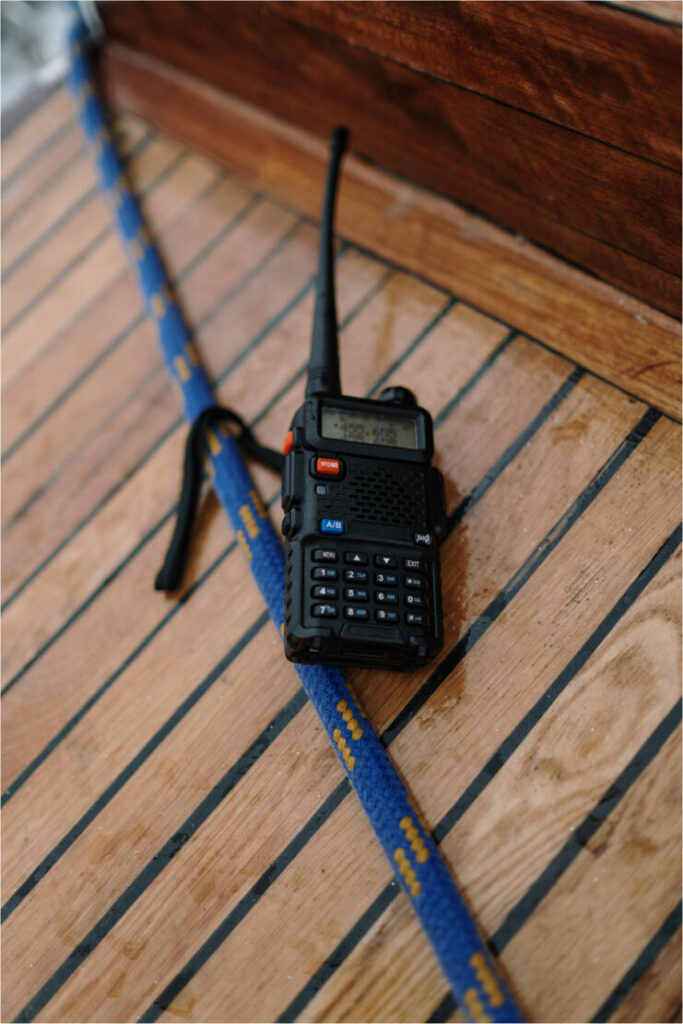
Two-Way Radio:
Two-way radios can be effective for communication within a group. Make sure everyone in your camping party has a radio and knows how to use it.
Emergency Apps:
Install emergency communication apps on your phone, such as those that can send your location to emergency services even without cellular coverage.
Satellite Communicators:
Consider using satellite communicators like SPOT or Garmin inReach. These devices allow you to send text messages and your GPS location via satellite.
Whistle and Signal Mirror:
Carry a whistle to alert others in case of danger or if you’re lost. A signal mirror can be used to reflect sunlight and signal for help.
Emergency Beacons:
Personal Locator Beacons (PLBs) or Emergency Position Indicating Radio Beacons (EPIRBs) are devices that transmit distress signals to search and rescue authorities.
Flares and Smoke Signals:
Pack signal flares or smoke signals in your emergency kit. These can be used to visually signal for help.
Emergency Contact Information:
Share your camping itinerary and emergency contact information with a trusted person who is not on the trip. Inform them about your expected return date.
Know Your Location:
Use a GPS device, smartphone apps, or a map and compass to accurately determine your location. This information is crucial when seeking help.
Communication Plan:
Develop a communication plan with your camping group. Decide on a meeting point, frequency of check-ins, and actions to take in case someone goes missing.
Weather Updates:
Keep an eye on weather forecasts and any alerts for your camping area. Sudden weather changes can pose risks.
Emergency Numbers:
Know the emergency numbers for the area you’re camping in, including local law enforcement, park rangers, and medical services.
Practice Communication:
Familiarize yourself with the operation of your communication devices before the trip. Practice sending messages and signals.
Stay Calm:
In an emergency, staying calm is essential. Assess the situation, prioritize your safety, and use your communication tools effectively.
Remember, emergency communication can vary based on your camping location and the level of remoteness. Always prioritize safety, and be prepared to adapt your communication methods based on the circumstances you encounter.
Sleep Comfort and Insulation
Sleep comfort and insulation are essential factors to consider when camping, as they directly affect the quality of your rest and your overall camping experience. Here’s how to ensure you stay comfortable and well-insulated while sleeping outdoors:
Sleeping Bag:
Choose a sleeping bag with an appropriate temperature rating for the conditions you’ll be camping in. A lower temperature rating is ideal for colder weather.
Consider the type of insulation: down or synthetic. Down is lightweight and compressible, while synthetic retains insulation properties when wet.
Sleeping Pad:
Invest in a good quality sleeping pad to provide cushioning and insulation from the cold ground. Foam, air, and self-inflating pads are common options.
Sleeping Pad R-Value:
Pay attention to the R-value of your sleeping pad. Higher R-values provide better insulation. Choose an R-value suitable for the expected temperature.
Sleeping Bag Liner:
Use a sleeping bag liner to add warmth and keep your sleeping bag clean. Liners are especially useful in colder temperatures.
Double-Layer Clothing:
Wear dry, moisture-wicking base layers to bed. Avoid wearing tight clothing that could compress insulation and reduce warmth.
Warm Hat and Socks:
Keep a warm hat and socks handy to wear while sleeping. A lot of heat can be lost through the head and extremities.
Camping Pillow:
Use a camping pillow for neck support and added comfort. It can also help keep your head elevated and warmer.
Tent Selection and Setup:
Choose a tent that suits the weather conditions. Four-season tents are designed for cold and snowy environments, while three-season tents are suitable for milder conditions.
Properly pitch your tent to prevent drafts and maintain warmth inside.
Ventilation:
While insulation is important, proper tent ventilation is also crucial to prevent condensation and moisture buildup inside the tent.
Ground Insulation:
Use a ground cloth or footprint under your tent to prevent moisture from seeping through and to provide additional insulation.
Sleeping Position:
Sleep on your back or in a slightly curled position to minimize the contact of cold surfaces with your body.
Hot Water Bottle:
Fill a hot water bottle with warm (not boiling) water and place it inside your sleeping bag to provide extra warmth.
Heated Blankets and Pads:
In some situations, battery-operated heated blankets or pads can provide additional warmth. Make sure to use them safely.
Test and Adjust:
Before your camping trip, test your sleeping gear at home to ensure you’re comfortable and adequately insulated.
Stay Dry:
Moisture can sap your body heat. Make sure your sleeping bag and clothing stay dry, especially in colder conditions.
Remember that everyone’s comfort level is different, and it’s important to tailor your sleep setup to your individual needs and preferences. Regularly check the weather forecast for your camping destination and adjust your sleeping gear accordingly to ensure a comfortable and restful night’s sleep.
Leave No Trace
“Leave No Trace” is a set of principles and practices that promote responsible outdoor ethics and sustainable recreation. The goal of Leave No Trace is to minimize the impact of human activities on the environment, preserve natural habitats, and maintain the beauty of outdoor spaces for current and future generations to enjoy. Here are the seven core principles of Leave No Trace:
Plan Ahead and Prepare:
Research and understand the regulations and guidelines of the area you plan to visit.
Choose appropriate gear, clothing, and equipment to minimize your impact.
Consider the group size and potential weather conditions.
Travel and Camp on Durable Surfaces:
Stick to established trails and campsites to avoid damaging fragile ecosystems.
Avoid trampling vegetation, especially in sensitive areas like alpine meadows and wetlands.
Dispose of Waste Properly:
Pack out all trash, leftover food, and litter. Leave the area cleaner than you found it.
Use established restroom facilities when available. If not, follow proper waste disposal techniques, such as digging a cat hole.
Leave What You Find:
Leave natural and cultural features as you found them. Avoid picking plants, disturbing wildlife, or altering landscapes.
Minimize Campfire Impact:
Use a camp stove for cooking instead of making a campfire. If fires are permitted, use established fire rings or fire pans.
Keep fires small and burn only small sticks and twigs. Avoid using firewood from the area to prevent the spread of invasive species.
Respect Wildlife:
Observe wildlife from a distance and avoid getting too close or feeding them.
Store food securely to prevent attracting animals to your campsite.
Be Considerate of Other Visitors:
Yield the trail to others and keep noise levels down to maintain a peaceful outdoor experience.
Respect the privacy of other campers and respect the rights of other outdoor enthusiasts.
By following these principles, you can help preserve the beauty and integrity of natural environments, minimize your ecological impact, and contribute to the sustainability of outdoor recreation for present and future generations. Whether you’re camping, hiking, or enjoying any outdoor activity, practicing Leave No Trace ensures that your presence has a positive and minimal effect on the environment.
Conclusion
Camping is a wonderful way to connect with nature, unwind from the stresses of daily life, and create lasting memories with family and friends. By embracing the principles of Leave No Trace and practicing responsible outdoor ethics, you can enjoy your camping experience while ensuring that the natural beauty and ecosystems of the outdoors are preserved for generations to come.
From choosing the right campsite to setting up your tent, preparing meals, and engaging in various outdoor activities, each aspect of camping presents an opportunity to respect and protect the environment. Whether you’re a beginner or an experienced camper, the knowledge and skills you’ve gained from this guide will help you make informed decisions, minimize your impact, and leave the wilderness just as pristine as you found it.
Remember, the outdoors is a shared resource, and our individual actions collectively shape the future of these natural spaces. By adopting a mindset of environmental stewardship and incorporating sustainable practices into your camping adventures, you can contribute to the conservation and preservation of our planet’s precious landscapes. So, as you embark on your next camping journey, let your love for nature shine through in every choice you make and every step you take. Happy camping!




 Summer Storm Safety Tips for Camping
 How to keep spiders out of your tent while camping
 How to Keep Raccoons Away From Your Campsite