When venturing into bear country, it’s crucial to prioritize safety and be prepared for potential encounters. One essential item for hikers and outdoor enthusiasts is bear spray, a powerful deterrent that can help fend off bear attacks. While commercial bear sprays are readily available, some individuals may be interested in making their own bear spray for various reasons. This article will guide you through the process of making your own bear spray, highlighting the necessary considerations, ingredients, equipment, and safety precautions. However, it’s important to note that homemade bear spray may not have the same level of effectiveness as commercial options, and it’s crucial to understand the risks and limitations before attempting to create your own. With the right knowledge and precautions, making your own bear spray can be a viable option for those seeking an alternative.
Bear spray is a specially formulated deterrent designed to deter aggressive bears and minimize the risk of bear attacks. It typically comes in pressurized canisters and contains a powerful pepper spray formula that creates a cloud of irritants upon spraying. The active ingredient in bear spray is usually capsaicin, a substance derived from chili peppers. When sprayed at a charging bear, the bear spray irritates the bear’s eyes, nose, and respiratory system, causing temporary discomfort and deterring the bear from approaching further.
Bear spray is highly effective when used correctly and can provide a vital line of defense in bear encounters. It is important to note that bear spray is different from regular pepper spray used for self-defense against humans. Bear spray has a higher concentration of capsaicin and is specifically formulated to deter bears, while regular pepper spray may not have the same potency or range required to effectively deter bears.
Using bear spray responsibly and following proper techniques is crucial for maximizing its effectiveness. It is essential to understand the range, spray pattern, and expiration date of your bear spray canister, as well as how to properly deploy it in an emergency situation. Additionally, familiarize yourself with local regulations and guidelines regarding bear spray usage in the areas you plan to visit.
While commercially available bear sprays undergo rigorous testing and meet specific standards, making your own bear spray can be an alternative for those who prefer a DIY approach. However, it is important to proceed with caution and understand the potential limitations and risks associated with homemade bear spray.
Ingredients and Equipment
When making your own bear spray, it is important to gather the necessary ingredients and equipment. Here are the typical ingredients and equipment needed:
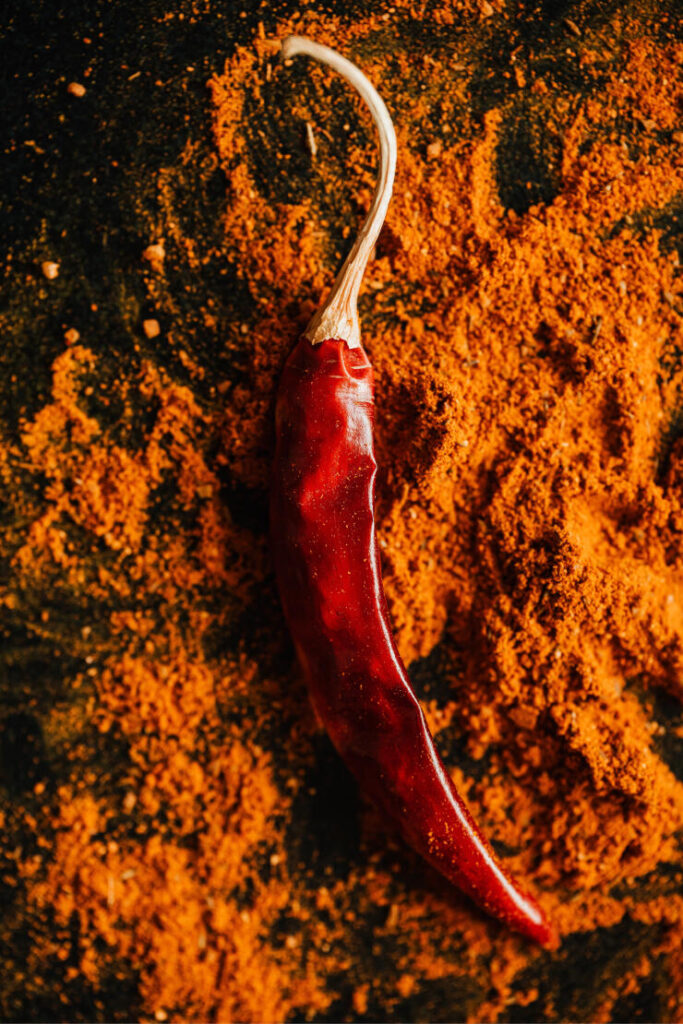
Chili Peppers: The key ingredient in bear spray is capsaicin, which is derived from chili peppers. You can choose a variety of hot peppers, such as habanero, cayenne, or jalapeno. The capsaicin content of the peppers determines the potency of the spray.
Water: Water is needed to create the liquid base for the bear spray. It helps to dilute the capsaicin and ensure the spray is not overly concentrated.
Alcohol: Adding alcohol to the mixture helps to preserve the spray and increase its effectiveness. High-proof rubbing alcohol or grain alcohol can be used.
Liquid Dish Soap: A small amount of liquid dish soap is added to the mixture to help the spray adhere to the bear’s fur and skin, increasing its effectiveness.
Mixing Bowl: A non-reactive mixing bowl is required to combine the ingredients.
Blender or Food Processor: A blender or food processor is needed to process the chili peppers and create a smooth puree.
Strainer or Cheesecloth: To remove any solids from the pepper puree, you will need a strainer or cheesecloth.
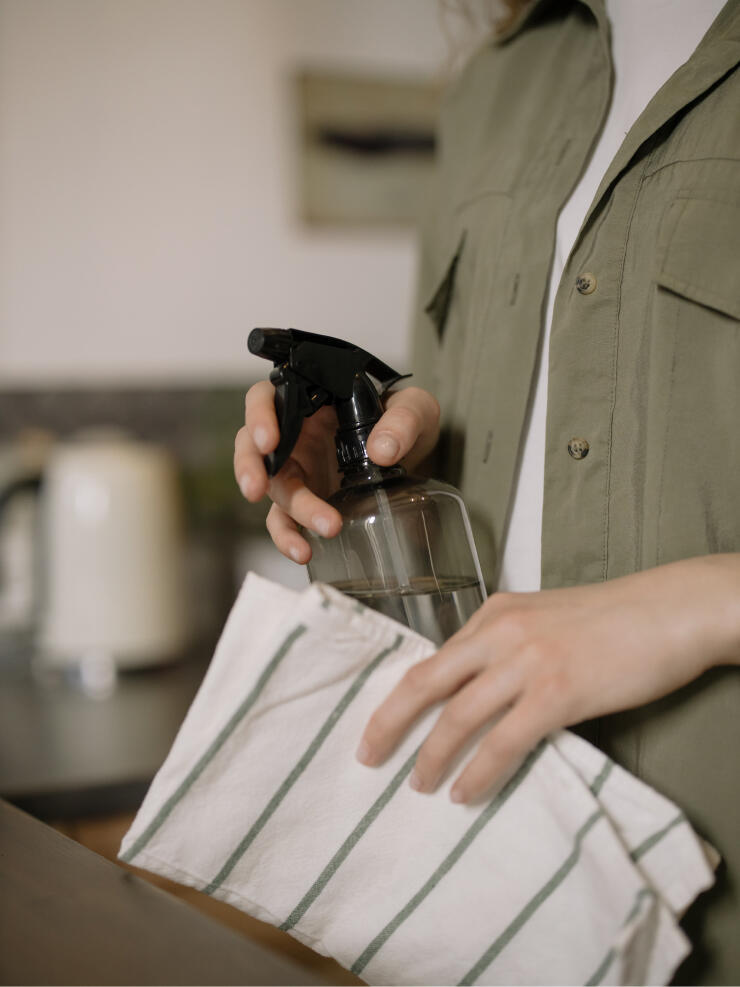
Spray Bottle: A spray bottle with a nozzle that can produce a fine mist is essential for effective deployment of the bear spray.
It is important to note that making your own bear spray carries certain risks. The effectiveness and potency of homemade bear spray may vary, and there is a chance of improper mixing or potential harm if not used correctly. Commercially available bear sprays are specifically designed, tested, and regulated for bear encounters, ensuring consistent and reliable results.
Homemade Bear Spray Recipe
Making homemade bear spray requires careful handling and adherence to safety precautions. Here is a basic recipe for homemade bear spray:
Ingredients:
2-3 fresh hot chili peppers (such as habanero, cayenne, or jalapeno)
2 cups water
1 tablespoon liquid dish soap
1 tablespoon high-proof rubbing alcohol or grain alcohol
Equipment:
Non-reactive mixing bowl
Blender or food processor
Strainer or cheesecloth
Spray bottle
Instructions:
Put on protective gloves and goggles to avoid direct contact with the chili peppers and their oils.
Remove the stems and seeds from the chili peppers, as they can make the spray excessively hot.
Place the chili peppers in a blender or food processor and blend until you have a smooth puree.
In a non-reactive mixing bowl, combine 2 cups of water and the chili pepper puree. Stir well to ensure the capsaicin is evenly distributed.
Let the mixture sit for about 30 minutes to allow the capsaicin to infuse into the water.
After 30 minutes, strain the mixture using a strainer or cheesecloth to remove any solids. This will help ensure a smooth spray.
Add 1 tablespoon of liquid dish soap and 1 tablespoon of high-proof rubbing alcohol or grain alcohol to the strained mixture. Stir well to combine all the ingredients.
Carefully pour the homemade bear spray into a spray bottle with a fine mist nozzle.
Label the spray bottle with its contents and date of preparation.
Store the homemade bear spray in a cool, dark place away from children and pets. Remember that homemade bear spray may have a shorter shelf life compared to commercially available sprays.
Important Notes:
Homemade bear spray may not have the same potency, range, or effectiveness as commercially manufactured bear sprays. It is crucial to exercise caution and use it responsibly.
Before using the homemade bear spray in the wilderness, check local regulations and laws to ensure its legality and proper usage.
It is recommended to carry commercially manufactured bear spray as a primary means of protection against bear encounters.
Testing and Practice
Once you have prepared your homemade bear spray, it’s important to test and practice using it to familiarize yourself with its operation and effectiveness. Here are some guidelines for testing and practice:
Safety first: Always wear protective gloves, goggles, and a mask when testing or practicing with bear spray. The capsaicin in the spray can cause skin, eye, and respiratory irritation.
Outdoor testing: Choose an open and well-ventilated outdoor area for testing. Make sure there are no people or animals nearby who could be affected by the spray.
Aim and distance: Practice aiming the spray nozzle at a target. Start with a shorter distance, around 10-15 feet, and gradually increase the distance as you gain confidence.
Wind direction: Take note of the wind direction before spraying. You want to avoid spraying into the wind, as it can blow the spray back towards you. Position yourself in a way that allows the wind to carry the spray in the intended direction.
Spray technique: Follow the instructions provided with your spray bottle to activate and release the spray. Practice using short bursts or a continuous spray, depending on the type of nozzle.
Evaluate effectiveness: Observe the spray pattern and range to ensure it meets your expectations. Pay attention to the coverage and intensity of the spray. This will help you assess its effectiveness in deterring potential threats.
Repeat practice sessions: Regularly schedule practice sessions to maintain familiarity with your homemade bear spray. Repetition will help build muscle memory and improve your reaction time in a real-life situation.
Dispose of unused spray: If you have leftover spray after testing or practice sessions, follow proper disposal guidelines according to your local regulations. Do not dispose of it in a way that may harm the environment or wildlife.
Remember, homemade bear spray may not have the same reliability or potency as commercially manufactured bear sprays. It is advisable to carry commercially manufactured bear spray as your primary means of defense in bear country. Homemade bear spray should be considered as a last-resort option or a supplemental measure if commercial options are not available.
Safety and Legal Considerations
When making your own bear spray, it’s crucial to consider safety and legal aspects. Here are some important considerations:
Safety precautions: Handling capsaicin, the active ingredient in bear spray, can be dangerous. Ensure you wear protective gloves, goggles, and a mask to prevent contact with your skin, eyes, and respiratory system. Work in a well-ventilated area to minimize exposure to fumes.
Effectiveness and reliability: Homemade bear spray may not have the same level of effectiveness and reliability as commercially manufactured bear sprays. Commercially available bear sprays undergo rigorous testing to ensure they meet specific standards for potency, spray pattern, and range. Homemade sprays may not have consistent results, potentially compromising your safety in a bear encounter.
Legal restrictions: Before using or carrying bear spray, familiarize yourself with the laws and regulations in your area. Some regions have specific requirements for bear spray, including permitted ingredients, labeling, and size limitations. Homemade bear sprays may not meet these legal requirements and could result in legal consequences if used or carried inappropriately.
Liability: In the event of a bear encounter, using homemade bear spray could impact your liability. If the spray fails to deter the bear effectively, resulting in harm or injury, you may be held responsible for any resulting damages. Commercially manufactured bear sprays provide a level of assurance and reliability that can mitigate potential liability concerns.
Consider professional alternatives: Due to the potential risks and limitations of homemade bear spray, it’s recommended to prioritize commercially manufactured bear sprays. These products have been extensively tested, meet regulatory standards, and are specifically formulated for bear encounters. They often come with clear instructions for use and have a proven track record of effectiveness.
Always prioritize your safety when it comes to bear encounters. Educate yourself on bear behavior, take precautions to avoid attracting bears, and be prepared with appropriate safety measures, including commercially manufactured bear spray that meets legal requirements and industry standards.
Alternative Options
If you’re unable to obtain commercially manufactured bear spray or prefer not to use homemade bear spray, there are alternative options to consider for bear safety:
Air Horns: Air horns produce a loud, high-pitched sound that can startle and deter bears. They are lightweight, easy to carry, and don’t require any special ingredients or preparation. However, they may have limited range and effectiveness compared to bear spray.
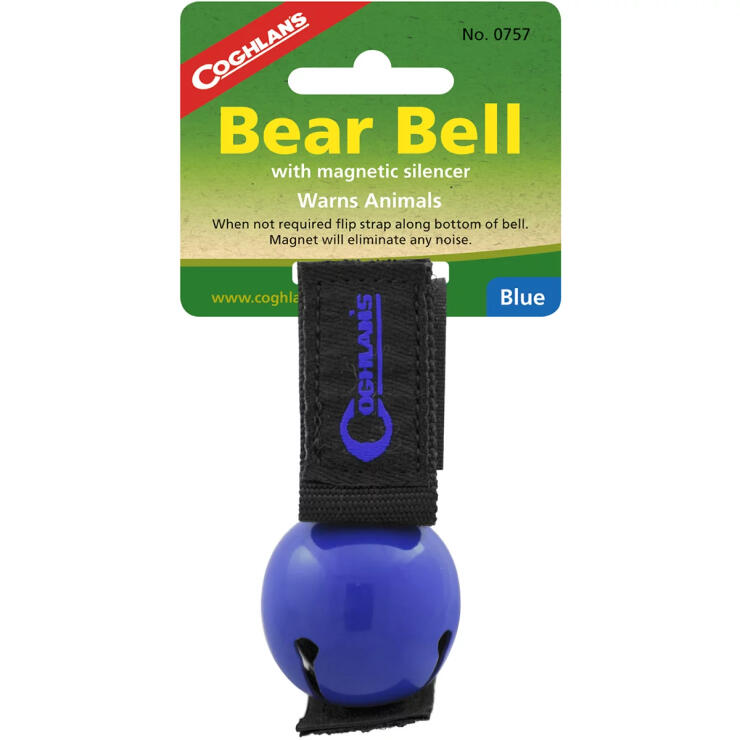
Bear Bells: Bear bells are small bells that can be attached to your backpack or clothing. The jingling sound they produce can alert bears to your presence and potentially deter them. While bear bells are not as effective as bear spray, they can serve as a supplemental tool to make bears aware of your presence and reduce the chance of surprise encounters.
Noise-Making Devices: Items such as whistles, pots, and pans, or even a loud human voice can help create noise and scare off bears. Loud, sudden sounds can startle bears and discourage them from approaching. Keep in mind that these noise-making devices should be easily accessible and ready to use in case of an encounter.
Bear Dogs: Trained bear dogs can provide an added layer of protection in bear country. These specially trained dogs can detect and deter bears, providing early warning and helping to keep bears at a distance. Bear dogs require proper training and handling, so it’s essential to work with professional trainers if considering this option.
Remember, while these alternative options can offer some level of deterrence, they may not be as reliable or effective as bear spray. It’s important to always prioritize your safety and take appropriate precautions when venturing into bear country. Educate yourself about bear behavior, be aware of your surroundings, and follow recommended guidelines for minimizing bear encounters and responding appropriately if one occurs.
Conclusion
In conclusion, bear encounters can be unpredictable and potentially dangerous, especially in areas where bears are known to roam. Bear spray is an effective tool for deterring bears and enhancing personal safety. However, if you are unable to obtain commercially manufactured bear spray or prefer to make your own, it is possible to create a homemade version using natural ingredients.
It’s important to note that homemade bear spray may not be as reliable or effective as commercially manufactured options, as its potency and range may vary. Additionally, homemade bear spray may not meet legal requirements in certain jurisdictions. Therefore, it is crucial to thoroughly research and understand the legal regulations surrounding bear spray in your area before attempting to make or use it.
Regardless of the bear deterrent method you choose, it’s essential to prioritize your safety and take appropriate precautions when venturing into bear country. Educate yourself about bear behavior, be aware of your surroundings, and follow recommended guidelines for minimizing bear encounters and responding appropriately if one occurs. Stay vigilant, stay prepared, and prioritize your safety when exploring the wilderness.




 Summer Storm Safety Tips for Camping
 How to keep spiders out of your tent while camping
 Is Hammock Camping Safe?