When enjoying the great outdoors during camping trips, maintaining personal hygiene can sometimes be a challenge. However, staying clean and fresh is essential for comfort and overall well-being. One of the common concerns for campers is how to shower while camping. Fortunately, there are various options available, ranging from portable showers to DIY solutions. In this article, we will explore different methods, tips, and considerations for showering while camping, ensuring that you can maintain cleanliness and hygiene even in the wilderness. Let’s dive in and discover how to stay refreshed and clean during your outdoor adventures.
When camping, it’s easy to get caught up in the excitement of outdoor activities and overlook the importance of personal hygiene. However, maintaining good hygiene while camping is crucial for several reasons:
Comfort: Personal hygiene practices, such as showering, help you feel fresh and comfortable throughout your camping trip. It removes sweat, dirt, and odors, allowing you to enjoy your outdoor activities without discomfort.
Health and well-being: Good hygiene helps prevent the spread of germs and bacteria, reducing the risk of infections and illnesses. It also promotes overall well-being, both physically and mentally.
Odor control: Camping often involves physical activities and exposure to the elements, which can lead to sweat and body odor. Regular showering helps control odors, making the camping experience more pleasant for you and your fellow campers.
Skin care: Camping exposes your skin to various environmental factors like sun, wind, and insects. Proper hygiene, including showering, helps remove dirt, sweat, and irritants, minimizing skin problems and promoting healthier skin.
Environmental impact: Practicing proper hygiene, such as using biodegradable soaps and minimizing water usage, ensures that you leave minimal impact on the environment and preserve the natural beauty of the camping area.
Overall, prioritizing personal hygiene during camping contributes to your comfort, health, and the enjoyment of your camping experience. It also promotes respect for yourself, others, and the environment. With this in mind, let’s explore different methods for showering while camping.
Assessing Your Camping Shower Options
When it comes to showering while camping, there are various options to consider. Here are a few common methods:
Portable Shower Bags: Portable shower bags are a popular choice for camping showers. They are lightweight, compact, and easy to use. These bags consist of a water reservoir that you can fill with water and hang from a tree or other elevated surface. They typically come with a hose and a nozzle for easy showering.
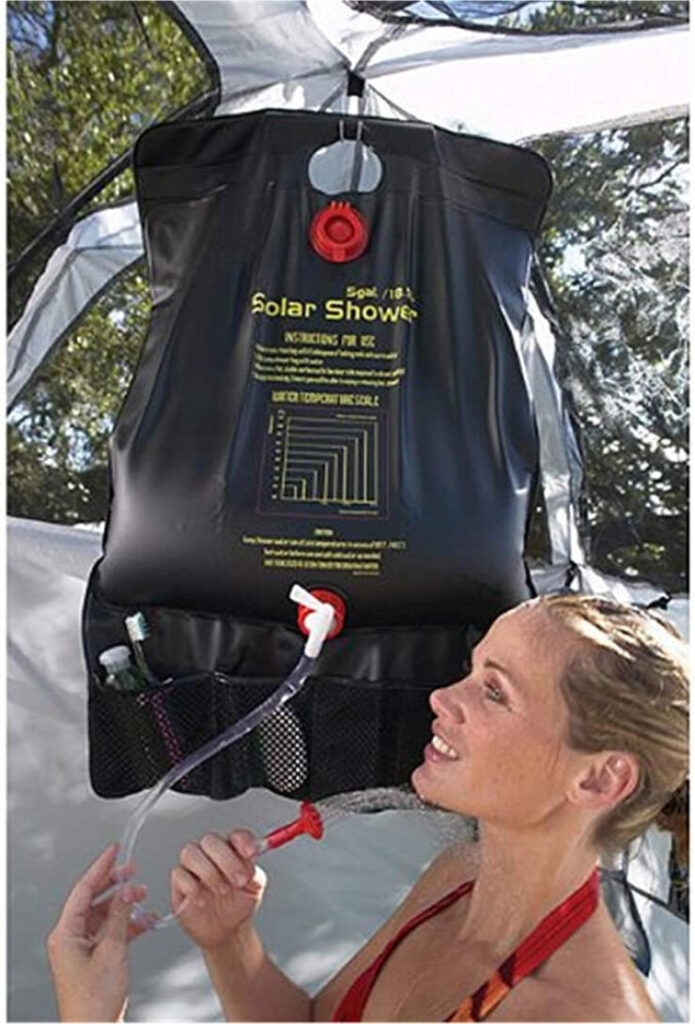
Solar Showers: Solar showers work on the same principle as portable shower bags but with the added benefit of using solar energy to heat the water. These showers have a black water reservoir that absorbs sunlight and warms the water inside. They are an eco-friendly option and suitable for sunny camping locations.
Campsite Shower Facilities: Some campsites provide shower facilities with running water. These facilities may include individual shower stalls or communal shower areas. Check with the campsite in advance to see if they offer such amenities and if any additional fees apply.
DIY Bucket Shower: If you’re looking for a budget-friendly option, a DIY bucket shower can be a viable choice. Fill a large bucket with water and use a smaller container or cup to pour water over yourself. It may not provide the same comfort and convenience as other options, but it gets the job done.
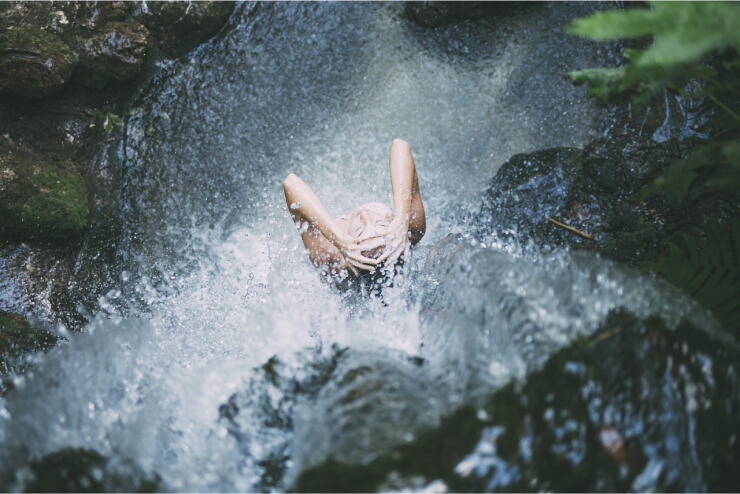
Natural Water Sources: If you’re camping near a lake, river, or other natural water source, you can take a dip for a refreshing “wild” shower. However, keep in mind that not all bodies of water are suitable for bathing, so check local regulations and ensure the water is safe before using it for showering.
Consider your camping location, the availability of resources, and your personal preferences when choosing a shower option. It’s also important to be mindful of water usage and environmental impact by using biodegradable soaps and minimizing water wastage.
In the following sections, we will explore how to set up and make the most of some of these camping shower options.
Water Source and Conservation
When showering while camping, it’s important to consider the water source and practice water conservation. Here are some tips to help you with water management:
Bring Sufficient Water: Depending on the duration of your camping trip and the availability of water sources at your campsite, ensure you have enough water for showering. Calculate the amount of water needed per shower and plan accordingly.
Use Biodegradable Soap: When using soap in natural water sources, such as rivers or lakes, make sure to use biodegradable and environmentally-friendly soap. This helps minimize the impact on aquatic life and the surrounding ecosystem.
Time Your Showers: Keep your showers short to conserve water. Wet yourself, turn off the water, lather up, and then rinse off quickly. Avoid leaving the water running continuously.
Capture and Reuse Water: Consider using a water capture system to collect the water that runs off during your shower. You can reuse this water for other purposes such as washing dishes or cleaning.
Leave No Trace: Always practice Leave No Trace principles while camping, including proper disposal of wastewater. Dispose of the water in designated areas or at least 200 feet away from natural water sources to prevent contamination.
Use Wipes and Dry Shampoo: On occasions when water is limited or not readily available, you can use camping wipes and dry shampoo to freshen up. These products are designed for outdoor use and can help you maintain personal hygiene without requiring water.
By being mindful of water usage and following these tips, you can shower while camping while minimizing your impact on the environment and conserving this precious resource.
In the following sections, we will explore different shower setup methods depending on the camping shower option you choose.
Setting Up Your Camping Shower
When it comes to setting up your camping shower, there are several options available depending on your preferences and camping conditions. Here are some popular methods:
Solar Shower: A solar shower is a portable bag that uses the sun’s heat to warm the water. To set it up, fill the bag with water and place it in direct sunlight for a few hours. Hang the bag from a tree branch or any other suitable support, and use the attached hose and showerhead to enjoy a warm shower. Make sure to elevate the bag higher than your head for proper water flow.
Portable Camping Shower: Portable camping showers are compact and convenient options. They usually consist of a water reservoir, pump, and showerhead. Fill the reservoir with water, activate the pump to create water pressure, and then use the showerhead to control the flow. Some models even have temperature controls for a comfortable shower experience.
DIY Gravity Shower: If you’re looking for a budget-friendly option, you can create a DIY gravity shower using a large water container, such as a collapsible water jug or bucket. Elevate the container above your head using a tree branch or tripod. Create a small hole near the bottom of the container and attach a showerhead or hose with a valve. Gravity will create water pressure, allowing you to enjoy a shower.
Campsite Facilities: Many campgrounds and campsites have shower facilities available for campers to use. These facilities may include communal shower buildings with individual stalls or designated outdoor shower areas. Check with your campsite in advance to see if such facilities are available and if any additional fees apply.
Remember to follow any specific instructions provided with your chosen camping shower equipment and practice proper hygiene while using them. Be mindful of water usage and respect the environment by disposing of wastewater appropriately.
In the next sections, we will provide tips for showering in different camping scenarios and offer some additional hygiene considerations.
Showering Techniques and Tips
When showering while camping, there are some techniques and tips that can enhance your experience and ensure cleanliness. Here are some helpful suggestions:
Water Conservation: Since water may be limited while camping, it’s essential to conserve it. Start by wetting yourself to get wet all over, then turn off the water while you apply soap or shampoo. Only turn the water back on to rinse off.
Quick Showers: Keep your showers short to minimize water usage. Focus on the essential areas to clean, such as underarms, groin, and feet. Use a gentle, biodegradable soap that won’t harm the environment.
Privacy: Find a secluded spot or use a pop-up privacy tent for added privacy while showering. Respect the campground rules and the privacy of other campers.
Water Temperature: Check the water temperature before showering, especially with solar showers. In hot weather, water may become very hot inside the bag, so let it cool down or mix it with cooler water for a comfortable shower.
Foot Pump Showers: Some camping showers come with foot pumps that allow you to control the water flow with your foot. This hands-free operation can be convenient while camping.
Towel Techniques: Pack quick-drying microfiber towels that are lightweight and absorbent. After your shower, gently pat yourself dry instead of vigorously rubbing to avoid irritation.
Dry Shampoo and Wet Wipes: On occasions when a full shower is not possible or convenient, dry shampoo and wet wipes can be handy alternatives. Dry shampoo helps absorb excess oil in your hair, while wet wipes can freshen up your body.
Time Your Shower: Consider showering during off-peak times, such as early morning or late evening, when campground facilities may be less crowded.
Considerations for Wilderness Camping: If you’re camping in remote areas without access to running water, you may need to adapt your showering routine. This could include using water bottles or a water filtration system to create a makeshift shower, or using natural water sources such as rivers or lakes if safe and permitted.
Remember to be mindful of Leave No Trace principles, which emphasize minimizing your impact on the environment. Dispose of any wastewater properly and avoid using harsh soaps or shampoos that can harm the ecosystem.
In the next section, we will discuss hygiene considerations beyond showering to maintain cleanliness while camping.
Maintaining Cleanliness and Hygiene
Maintaining cleanliness and hygiene while camping goes beyond just showering. Here are some additional tips to help you stay clean and fresh:
Hand Hygiene: Proper hand hygiene is crucial to prevent the spread of germs. Use hand sanitizers or biodegradable soap and water to clean your hands before meals, after using the restroom, or whenever necessary.
Teeth and Oral Hygiene: Don’t neglect your dental hygiene while camping. Brush your teeth at least twice a day using a portable toothbrush and toothpaste. Consider using biodegradable toothpaste and spitting into a hole or designated area away from water sources.
Disposable Wipes: Pack biodegradable or compostable wipes to clean your face, hands, and body when a shower is not possible. They are convenient for freshening up and can be used for quick clean-ups.
Proper Waste Disposal: Dispose of trash and waste properly by using designated trash bins or following campground guidelines. Keep your campsite clean to prevent attracting pests and wildlife.
Laundry: If you need to wash your clothes while camping, consider using a portable camping washing machine or hand-washing them in a designated area away from water sources. Hang clothes to dry in a well-ventilated area.
Foot Care: Take care of your feet to avoid discomfort and potential infections. Keep your feet clean and dry, change into clean socks regularly, and wear appropriate footwear that provides good ventilation.
Hygiene Products: Pack personal hygiene products such as toilet paper, feminine hygiene products, and any medications or supplies specific to your needs.
Campsite Cleaning: Clean your campsite regularly by sweeping away debris and removing any food scraps or waste. This helps to prevent attracting animals and insects.
Considerations for Menstruation: If you menstruate, plan ahead and bring appropriate supplies such as tampons, pads, or menstrual cups. Properly dispose of used products following campground guidelines.
Personal Care: Remember to take care of your personal grooming needs, such as trimming nails and hair, to maintain overall cleanliness.
By following these tips, you can maintain good hygiene and cleanliness while camping, ensuring a more comfortable and enjoyable experience for yourself and your fellow campers. In the next section, we will discuss some additional safety considerations to keep in mind during your camping trip.
Conclusion
In conclusion, maintaining personal hygiene while camping is essential for your overall well-being and comfort. By assessing your camping shower options, considering the water source and conservation, setting up a suitable shower system, and practicing proper showering techniques, you can ensure a refreshing and hygienic experience in the great outdoors. Additionally, maintaining cleanliness and hygiene throughout your camping trip, including proper disposal of waste and keeping your campsite tidy, contributes to a healthy and enjoyable camping experience. Remember to respect privacy considerations by choosing appropriate shower locations and taking necessary steps to maintain privacy. With these tips and techniques, you can stay fresh and clean while enjoying the beauty of nature during your camping adventures.




 Summer Storm Safety Tips for Camping
 How to keep spiders out of your tent while camping
 Is Hammock Camping Safe?