When it comes to packing for a camping trip, ensuring the safety and freshness of your food is crucial. This includes properly packing eggs, a versatile and nutritious food item that many campers enjoy. However, eggs are delicate and can easily break if not packed correctly. In this article, we will guide you on how to pack eggs for camping, providing tips and techniques to keep them safe and intact throughout your outdoor adventure. With the right container and careful handling, you can enjoy fresh and delicious eggs during your camping trip.
The first step in packing eggs for camping is to choose the right container. It’s important to use a container that provides adequate protection to prevent the eggs from breaking. Here are a few options to consider:
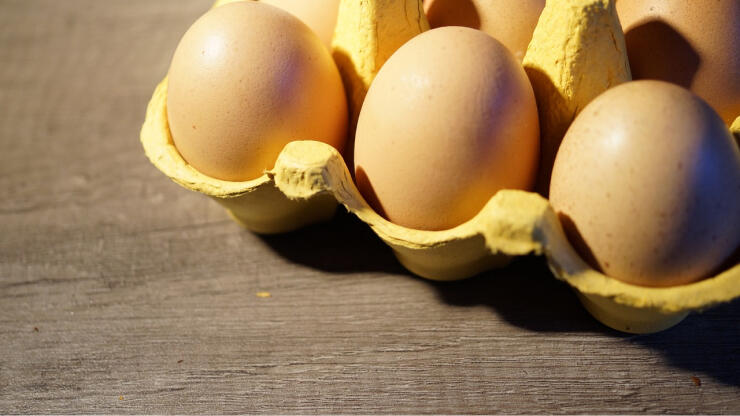
Egg cartons: The most common and readily available option is to use a cardboard egg carton. Simply place the eggs in the individual compartments, ensuring they fit snugly.
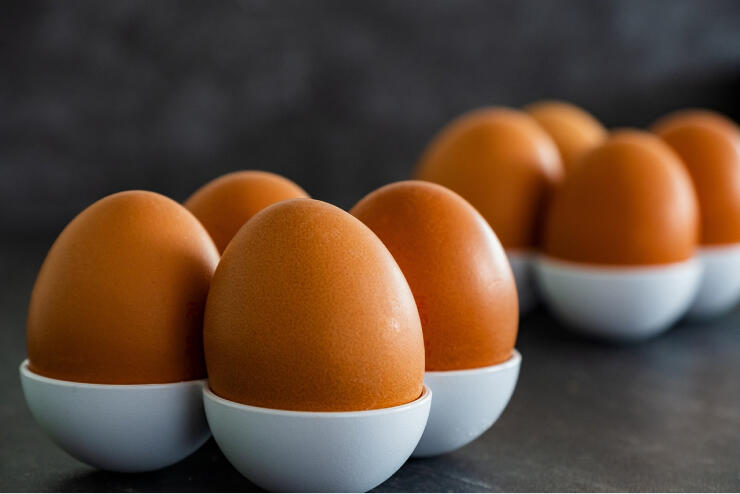
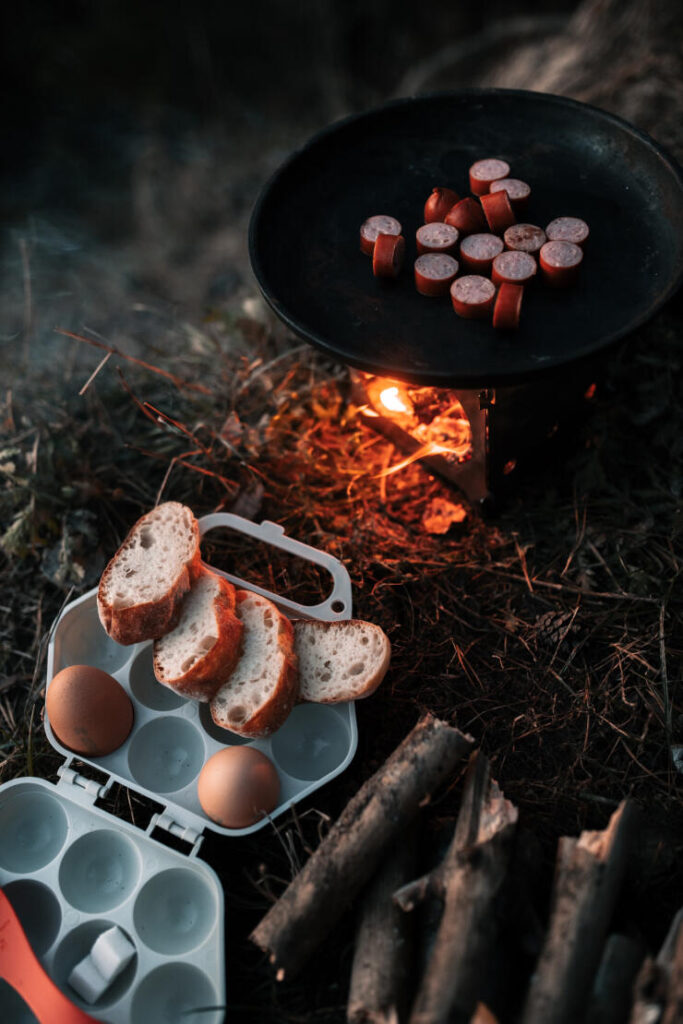
Plastic egg holders: Alternatively, you can opt for plastic egg holders specifically designed for camping. These containers usually have individual slots for each egg and offer better protection against breakage.
Tupperware containers: If you prefer a more durable and reusable option, consider using a Tupperware container with a secure lid. Make sure the container is deep enough to hold the eggs without them moving around too much.
Regardless of the container you choose, ensure it is clean and dry before packing the eggs. This will help maintain the freshness and cleanliness of the eggs during your camping trip.
It’s worth noting that if you’re concerned about conserving space, you can crack and pre-scramble the eggs before pouring them into a sealable container. This eliminates the need for individual egg protection and makes it easier to transport and store. Just remember to handle the container with care to prevent any leakage.
Prepare the Container
Once you have selected the appropriate container for packing eggs, it’s essential to prepare it properly to ensure the eggs stay safe and intact. Follow these steps to prepare the container:
Clean and sanitize the container: Before placing the eggs in the container, wash it thoroughly with warm water and mild soap. Rinse it well to remove any residue. This helps maintain the hygiene of the container and prevents any contaminants from coming into contact with the eggs.
Dry the container: After cleaning, allow the container to dry completely. Any moisture left inside the container can affect the eggs’ quality and increase the risk of spoilage.
Line the container with padding: To provide additional protection and cushioning, line the bottom of the container with soft materials such as paper towels, cloth, or even bubble wrap. This helps absorb any shocks or impacts during transportation and minimizes the risk of breakage.
Close and secure the container: Once the eggs are placed inside the container, close it securely. If using an egg carton, make sure the lid is tightly closed. If using a plastic egg holder or Tupperware container, ensure the lid is properly sealed. This prevents the eggs from shifting or falling out of the container during transit.
By properly preparing the container, you create a safe and secure environment for the eggs, minimizing the chances of damage or spoilage during your camping trip.
Select Fresh Eggs
When packing eggs for camping, it’s crucial to start with fresh eggs. Here’s how to select fresh eggs:
Check the expiration date: Look for the expiration date on the egg carton. Choose eggs that are well within the expiration date to ensure their freshness.
Inspect the eggs: Examine each egg individually for any cracks, leaks, or signs of damage. Avoid selecting eggs with visible cracks or leaks, as they are more likely to spoil or introduce bacteria.
Perform the float test: If you’re unsure about the freshness of an egg, you can perform a simple float test. Fill a bowl with water and gently place the egg into the water. Fresh eggs will sink to the bottom and lay flat on their sides, while older eggs will stand upright or float. It’s best to avoid eggs that float, as they may be past their prime.
By selecting fresh eggs, you ensure better taste and quality when using them during your camping trip. Fresh eggs are less likely to spoil quickly and will provide a more enjoyable culinary experience.
Consider Individual Wrapping (Optional)
Consider wrapping each individual egg in a protective layer to provide extra cushioning and prevent them from cracking during transportation. While this step is optional, it can be beneficial if you anticipate rough handling or if you want added protection for delicate eggs. Here’s how you can do it:
Prepare materials: Gather small pieces of bubble wrap, foam pads, or even individual egg carton cups. You can also use soft cloth or paper towels as a wrapping material.
Wrap each egg: Take an egg and place it in the center of the wrapping material. Fold the material around the egg, ensuring it is snugly wrapped and providing enough cushioning on all sides. Secure the wrapping with tape or a rubber band, if necessary.
Repeat for remaining eggs: Repeat the wrapping process for each individual egg, ensuring they are well-protected.
Individual wrapping can help prevent eggs from cracking or breaking, especially if your camping gear or cooler might experience rough handling or movement during transportation. It provides an extra layer of insulation and keeps the eggs secure within the container.
Note: If you prefer not to wrap each egg individually, you can still place them carefully in a suitable container or carton, making sure they are well-secured and won’t bump against each other or other items in your camping gear.
Proper Placement in the Container
Proper placement of eggs in the container is essential to prevent them from cracking or breaking during camping. Here are some guidelines to follow:
Use a container with dividers: If you have an egg storage container or an egg carton specifically designed for camping, it will likely have individual compartments or dividers to hold each egg separately. This helps prevent the eggs from bumping into each other.
Arrange the eggs gently: Place the eggs in the container one by one, taking care not to drop or slam them against the sides. Ensure they are snugly fit in their respective compartments without any excessive movement.
Place the container in a stable position: Once the eggs are placed in the container, make sure it is positioned securely in your cooler or camping gear. Avoid placing heavy items on top of the container to prevent unnecessary pressure.
Keep eggs away from direct heat or cold: Eggs are sensitive to extreme temperatures, so it’s crucial to keep them away from direct heat or cold sources. If you’re using a cooler, ensure it is properly insulated and maintain a consistent temperature.
By properly placing the eggs in the container and ensuring they are secure and protected, you can minimize the risk of cracking or breaking during your camping trip.
Secure the Container
Securing the container holding the eggs is important to prevent any accidental opening or damage. Here are some tips to help secure the container:
Use a tight-sealing lid: Ensure that the container you choose has a secure and tight-sealing lid. This will prevent any accidental opening during transportation or while in the cooler.
Wrap the container in a towel or cloth: For an extra layer of protection, you can wrap the container in a towel or cloth. This will provide cushioning and absorb any shocks or impacts that may occur while in transit.
Place the container in a sturdy bag or cooler: To further protect the container, place it inside a sturdy bag or cooler. This will provide additional insulation and prevent it from moving around or getting crushed.
Position the container strategically: When packing your camping gear, place the container in a spot where it is less likely to get jostled or damaged. Avoid placing heavy items on top of the container to prevent any unnecessary pressure.
Taking these steps to secure the container will help ensure that your eggs remain intact and safe during your camping trip.
Keep the Eggs Cool
Keeping the eggs cool is crucial to maintain their freshness and prevent spoilage. Here’s how you can keep the eggs cool while camping:
Use a cooler: Invest in a reliable cooler with good insulation to keep your food, including eggs, cool. Make sure the cooler is clean and free from any odors that could transfer to the eggs.
Use ice packs or frozen water bottles: Place ice packs or frozen water bottles in the cooler to create a cold environment. Make sure to place them strategically, ensuring they are in contact with the eggs.
Pack the cooler properly: Position the egg container in a way that it is surrounded by ice packs or frozen items. This helps to maintain a consistent temperature and prevent any direct contact between the eggs and the ice.
Avoid opening the cooler frequently: Limit the number of times you open the cooler to maintain a cool temperature inside. Each time the cooler is opened, warm air enters, which can affect the overall temperature and the eggs’ freshness.
Store the cooler in a cool, shaded area: Place the cooler in a shady spot, away from direct sunlight. Sunlight and heat can quickly raise the temperature inside the cooler, potentially spoiling the eggs.
Monitor the temperature: If possible, use a thermometer to monitor the temperature inside the cooler. Aim to keep it below 40°F (4°C) to ensure the eggs stay cool and fresh.
By following these steps, you can effectively keep your eggs cool during your camping trip, reducing the risk of spoilage and ensuring they remain safe to consume.
Monitor Temperature
Monitoring the temperature is essential to ensure that the eggs stay within a safe range and do not spoil. Here are some tips for monitoring the temperature while camping:
Use a thermometer: Invest in a portable thermometer that can accurately measure the temperature. Place the thermometer inside the cooler near the eggs to monitor the temperature throughout your camping trip.
Check the temperature regularly: Make it a habit to check the temperature inside the cooler at regular intervals. This will help you ensure that the eggs are being stored at a safe temperature.
Adjust cooling methods if needed: If you notice that the temperature inside the cooler is rising, take immediate action to bring it back down. Add more ice or frozen items if necessary or consider relocating the cooler to a cooler spot.
Follow safe temperature guidelines: It’s important to keep the eggs at or below 40°F (4°C) to maintain their freshness and reduce the risk of bacterial growth. Avoid allowing the temperature to rise above this threshold for an extended period.
Use a cooler with temperature control features: Some coolers come with temperature control features, such as built-in thermometers or adjustable cooling settings. If you have access to such a cooler, take advantage of these features to maintain the desired temperature.
By monitoring the temperature regularly and taking necessary actions to keep it within a safe range, you can ensure that your eggs remain fresh and safe to consume during your camping trip.
Use the Eggs Promptly
Using the eggs promptly is crucial to ensure their freshness and reduce the risk of spoilage. Here are some tips for using the eggs in a timely manner while camping:
Plan your meals: Before your camping trip, plan your meals in advance and determine how many eggs you will need for each meal. This will help you estimate the quantity of eggs to pack and ensure you use them within a reasonable timeframe.
Cook the eggs early in your trip: If possible, try to use some of the eggs earlier in your camping trip. This way, you can enjoy them while they are still fresh and minimize the risk of spoilage.
Prioritize perishable foods: If you have a limited supply of eggs, prioritize using them before other perishable foods. Eggs are more susceptible to spoilage, so it’s best to consume them earlier in your trip.
Consider alternative storage methods: If you’re camping for an extended period and want to bring more eggs, you can consider alternative storage methods. For example, you can crack the eggs into a leak-proof container and store them as liquid eggs. This can help save space and prevent the risk of broken shells.
Share with fellow campers: If you have more eggs than you can consume, consider sharing them with your fellow campers. Not only does this help prevent waste, but it also allows everyone to enjoy fresh eggs throughout the camping trip.
By using the eggs promptly and planning your meals accordingly, you can make the most of your eggs while camping and minimize the risk of spoilage.
Conclusion
Packing eggs for camping requires a bit of care and attention to ensure they stay fresh and intact during your outdoor adventures. By choosing the right container, preparing it properly, and securing it in your camping gear, you can protect the eggs from breakage and contamination. Keeping the eggs cool and monitoring the temperature is crucial to maintain their freshness. Remember to use the eggs promptly and plan your meals accordingly to reduce the risk of spoilage. With these tips in mind, you can enjoy delicious and nutritious eggs while camping in the great outdoors.
Winter camping demands a completely different nutritional strategy than summer trips. The cold environment fundamentally changes how your body functions,



 Best Foods to Bring Winter Camping
 Best Hiking Snacks
 How to Cook Over a Campfire