When embarking on a camping trip, one of the essential considerations is how to keep your food cold and safe. Proper food storage and temperature control are crucial to prevent spoilage, maintain freshness, and ensure food safety during your outdoor adventures. In this article, we will explore various methods and tips on how to keep your food cold while camping. By implementing these strategies, you can enjoy your meals without worrying about food contamination or spoilage. So let’s dive in and discover the best practices for keeping your food fresh and chilled during your camping escapades.
Before you head out on your camping trip, it’s essential to plan your meals and packing strategy. This step will help you determine the type and quantity of food you need to bring and ensure that you have proper storage options available.
Make a Meal Plan: Plan your meals in advance, considering the number of days you’ll be camping and the activities you’ll be doing. Opt for meals that are easy to prepare and require minimal perishable ingredients.
Choose Non-Perishable Foods: Select non-perishable foods such as canned goods, dried fruits, nuts, granola bars, and dehydrated meals. These items have a longer shelf life and don’t require refrigeration.
Consider Shelf-Stable Ingredients: Incorporate shelf-stable ingredients like powdered milk, powdered eggs, and dry pasta. These items are lightweight, easy to pack, and can be rehydrated when needed.
Use Coolers or Insulated Bags: Invest in good quality coolers or insulated bags to keep your perishable items cold. Opt for coolers with thick insulation and a tight seal to minimize temperature fluctuations.
Pack Smartly: Place perishable items at the bottom of the cooler, followed by ice or ice packs. Place non-perishable items on top. This arrangement will ensure that the perishable items stay colder for longer.
Pre-Chill Your Cooler: Before packing, pre-chill your cooler by placing ice or ice packs inside for a few hours. This will help lower the cooler’s temperature and provide a head start in keeping your food cold.
Separate Food by Meals: Pack your food in separate containers or bags for each meal. This way, you can grab what you need without opening the cooler repeatedly, which helps maintain the temperature inside.
Consider Freezing Some Items: Freeze items like meat, poultry, or pre-made meals in advance. These frozen items can act as ice packs and gradually thaw while keeping the rest of your food cold.
By planning your meals and packing strategically, you can optimize your food storage and ensure that perishable items stay cold for longer periods. This approach minimizes the risk of food spoilage and helps maintain food safety during your camping trip.
Use a Quality Cooler
Using a quality cooler is essential for keeping your food cold while camping. Here are some tips to consider when choosing and using a cooler:
Insulation: Look for a cooler with thick and efficient insulation. High-quality coolers often have multiple layers of insulation, which helps retain cold temperatures for an extended period.
Size: Consider the size of the cooler based on the amount of food and drinks you plan to store. A larger cooler allows for more storage space but may be heavier and bulkier to carry. Choose a size that suits your needs while considering the available space in your vehicle or campsite.
Seal: A good cooler should have a tight seal to prevent warm air from entering and cold air from escaping. Check for quality latches or zippers that ensure a secure closure.
Durability: Opt for a cooler made of sturdy materials that can withstand outdoor conditions. Look for features like reinforced corners, strong handles, and impact-resistant exteriors.
Ice Retention: Consider the ice retention capabilities of the cooler. Some coolers can keep ice frozen for several days, which is ideal for longer camping trips. Look for coolers with features like insulated lids, gaskets, and drain plugs to enhance ice retention.
Pre-Chilling: Before packing your cooler, pre-chill it by placing ice or ice packs inside for some time. This helps lower the cooler’s temperature and improves its ability to keep your food cold.
Ice Management: Use a combination of ice blocks, ice packs, and crushed ice to maximize cooling efficiency. Ice blocks generally last longer than ice cubes and can help maintain lower temperatures in the cooler.
Organization: Keep your cooler organized by separating items into different compartments or using individual containers for each food category. This helps minimize the opening and closing of the cooler, reducing the amount of warm air entering.
Remember to keep the cooler out of direct sunlight and avoid opening it frequently to maintain the internal temperature. With a quality cooler and proper ice management, you can keep your food cold and fresh throughout your camping trip.
Pre-Cool Your Cooler
Pre-cooling your cooler is an important step to help keep your food cold while camping. Here are some tips on how to pre-cool your cooler effectively:
Clean the Cooler: Start by thoroughly cleaning your cooler with mild soap and water. Rinse it well to remove any soap residue. This ensures that your cooler is free from any debris or odors that could affect the freshness of your food.
Chill the Cooler: Once the cooler is clean, fill it with ice or ice packs and let it sit closed for a few hours or overnight. This allows the cooler to reach a cold temperature before adding your food items. Alternatively, you can use frozen water bottles or gel packs for pre-cooling.
Cold Items First: If you have any pre-chilled items such as beverages or already chilled food, place them in the cooler first. This helps maintain the low temperature inside the cooler when you add other items later.
Use Frozen Items: Adding frozen items like frozen meat, vegetables, or fruits can help lower the temperature inside the cooler. These items act as additional ice packs and help keep other perishable items cold.
Fill Empty Spaces: Fill any empty spaces in the cooler with extra ice, ice packs, or frozen items. This reduces air gaps and helps maintain a more consistent temperature inside the cooler.
Keep It Closed: Once your cooler is packed, try to minimize opening it frequently. Every time you open the cooler, warm air enters, and cold air escapes, which can affect the overall temperature inside. Plan your meals and snacks in advance to reduce the need for frequent opening.
By pre-cooling your cooler, you start with a lower internal temperature, which improves its ability to keep your food cold for longer periods. This simple step can make a significant difference in preserving the freshness and quality of your food during your camping trip.
Pack Food Properly
Properly packing your food is essential to keep it cold and safe during your camping trip. Here are some tips to pack your food effectively:
Use Insulated Containers: Invest in insulated containers or cooler bags to store perishable items such as dairy products, meats, and leftovers. These containers help maintain the temperature and prevent cross-contamination.
Separate Raw and Cooked Foods: To prevent the risk of foodborne illnesses, keep raw and cooked foods separate. Use separate containers or sealable plastic bags to avoid any cross-contamination.
Use Ziplock Bags: Ziplock bags are versatile and can be used for various purposes. They are great for storing small food items like fruits, vegetables, and snacks. They also help keep your cooler organized and prevent any leakage.
Pack in Layers: Arrange your food in layers inside the cooler. Start with a layer of ice or ice packs at the bottom, followed by the items that need to be kept coldest. Place another layer of ice packs or frozen items on top, and then add other food items. This layering helps maintain the cold temperature and prevents the cooler from warming up too quickly.
Keep Meat and Seafood Well-Wrapped: Wrap meats and seafood tightly in individual sealed packages or use double-sealed plastic bags to prevent any leakage. This not only helps keep them fresh but also prevents any juices from contaminating other food items.
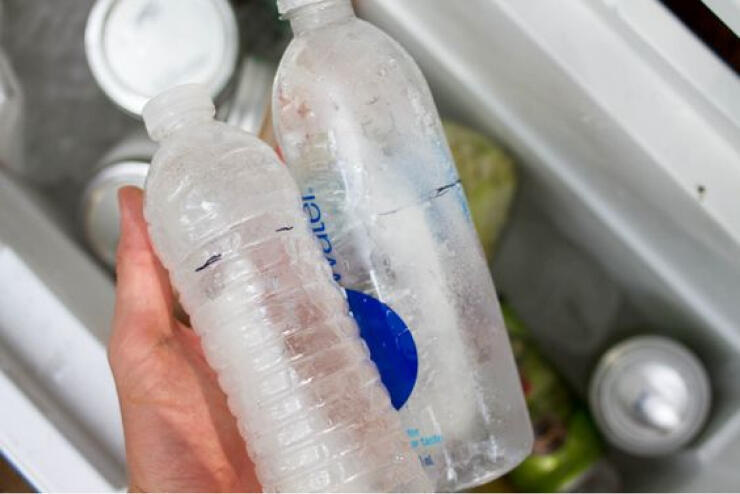
Use Ice Blocks or Frozen Water Bottles: Instead of loose ice, consider using ice blocks or frozen water bottles. They melt slower than loose ice and can keep your cooler colder for a longer time. Plus, you can drink the melted water as it thaws.
Pack Non-Perishable Foods: Alongside perishable items, include non-perishable foods like granola bars, dried fruits, nuts, and canned goods. These items don’t require refrigeration and can serve as backup options or snacks.
Avoid Opening the Cooler Frequently: Just like pre-cooling your cooler, minimizing the frequency of opening it is crucial. Each time you open the cooler, warm air enters, and the cold air escapes. Plan your meals and snacks in advance, so you don’t need to rummage through the cooler frequently.
By packing your food properly, you can maintain its freshness and prevent any foodborne illnesses. Follow these tips to ensure that your food stays cold and safe during your camping adventure.
Utilize Ice and Ice Packs
Utilizing ice and ice packs is an effective way to keep your food cold while camping. Here are some tips on using ice and ice packs effectively:
Use Block Ice: Block ice tends to last longer than loose ice cubes. Consider using large block ice or freeze water in reusable containers to create your own ice blocks. They melt slower and can keep your cooler colder for an extended period.
Pack Ice on Top: Place a layer of ice on top of your packed food items. This helps in maintaining the overall temperature inside the cooler, as cold air tends to sink. The ice on top acts as a barrier, keeping the cold air inside and preventing warm air from entering.
Use Ice Packs: Ice packs are a convenient and reusable option for keeping food cold. They are designed to stay frozen longer than loose ice. Freeze the ice packs ahead of time and place them strategically in the cooler, ensuring they come into contact with the items that need to be kept cold.
Separate Ice from Food: To prevent food from getting soggy or waterlogged, separate the ice or ice packs from the food items. You can use a layer of cardboard or place the ice packs in sealed plastic bags to prevent direct contact with the food.
Drain Excess Water: As the ice melts, there will be excess water in the cooler. Regularly drain the water to prevent it from submerging your food items. Consider using a plug or spout cooler that makes draining easier.
Use Insulated Cooler Bags: If you have smaller food items or beverages that need to be kept cold, consider using insulated cooler bags. These bags are lightweight and easy to carry. They help maintain the temperature and can be an additional layer of insulation within your cooler.
Replenish Ice as Needed: Monitor the ice levels in your cooler and replenish as needed. If possible, keep extra ice or ice packs in a separate cooler to avoid exposing the main cooler to warm air while refilling.
Remember to follow proper food safety guidelines and discard any perishable items that have been exposed to unsafe temperatures for an extended period. By utilizing ice and ice packs effectively, you can keep your food cold and fresh during your camping trip.
Minimize Opening the Cooler
Minimizing the frequency and duration of opening your cooler is crucial to maintaining a cold temperature inside. Here are some tips to help you minimize opening the cooler:
Plan Your Meals: Organize your meals and snacks in a way that minimizes the need to dig through the cooler. Pack items in separate bags or containers based on mealtime, so you can easily grab what you need without rummaging through everything.
Use a Cooler Organizer: Consider using a cooler organizer or dividers to separate different food items. This allows you to access specific sections of the cooler without disturbing the rest of the contents.
Create a Cooler System: Arrange your cooler contents strategically, with frequently used items placed on top. This way, you can quickly access those items without having to search through the entire cooler.
Use Resealable Bags and Containers: Store individual food items in resealable bags or containers to prevent spills and keep items organized. This reduces the need to open larger packages or rummage through loose items.
Plan Ahead for Drinks: If you frequently reach for cold beverages, consider keeping them in a separate cooler or insulated bag. This way, you can access drinks without disturbing the food cooler.
Have a Cooler Menu: Create a menu or list of the items inside your cooler, so you can quickly reference it and retrieve what you need without extensive searching.
Use External Coolers: If possible, bring separate coolers for frequently accessed items like drinks, condiments, or snacks. This way, you can keep the main food cooler closed for longer periods.
By minimizing the number of times you open the cooler and being organized with your packing, you can help keep the interior temperature consistent and extend the cooling efficiency of your cooler.
Keep the Cooler in a Cool Location
Keeping your cooler in a cool location is essential for maintaining the cold temperature inside and ensuring the longevity of your food. Here are some tips for selecting the right spot:
Choose Shade: Place your cooler in a shaded area away from direct sunlight. Sunlight can quickly heat up the cooler and compromise the temperature inside.
Avoid Hot Areas: Keep the cooler away from sources of heat such as campfires, grills, or the trunk of a hot car. High temperatures can rapidly warm up the cooler and spoil your food.
Use Natural Cooling: If possible, take advantage of natural cooling sources like a nearby stream, lake, or shaded area with good airflow. These natural elements can help keep the surrounding temperature cooler.
Elevate the Cooler: Place your cooler on a surface that insulates it from the ground, such as a picnic table or a sturdy camp chair. Direct contact with the hot ground can transfer heat to the cooler.
Insulate the Cooler: Consider using a reflective blanket or tarp to wrap around the cooler, especially if it’s exposed to direct sunlight. This can provide an additional layer of insulation and help maintain a cooler interior temperature.
Monitor the Temperature: Use a thermometer to regularly check the temperature inside the cooler. If you notice it rising, take immediate action to relocate the cooler to a cooler spot or add more ice packs or ice.
Remember, even in cooler locations, the temperature inside the cooler will gradually rise over time. It’s essential to replenish the ice or ice packs as needed to keep your food cold and safe to consume.
By keeping your cooler in a cool location, you can prolong the freshness of your food and ensure a more enjoyable camping experience.
Monitor and Maintain Cold Temperatures
Monitoring and maintaining cold temperatures inside your cooler is crucial for food safety while camping. Here are some tips to help you with that:
Use a Thermometer: Place a refrigerator or freezer thermometer inside your cooler to keep track of the temperature. Aim to keep it below 40°F (4°C) to prevent bacterial growth.
Keep It Closed: Limit the frequency and duration of opening the cooler. Every time you open the lid, cold air escapes and warm air enters, causing the temperature inside to rise. Plan ahead and retrieve what you need in one go.
Separate Food and Drinks: Consider using separate coolers for food and beverages. Since drinks are typically accessed more frequently, having them in a separate cooler helps minimize temperature fluctuations in the food cooler.
Replenish Ice or Ice Packs: Regularly check and replenish ice or ice packs as needed. Depending on the duration of your camping trip, you may need to add fresh ice daily or every couple of days to maintain cold temperatures.
Use Block Ice: Block ice melts more slowly than loose ice or ice packs. Consider using large, solid blocks of ice in your cooler to help maintain low temperatures for a longer period. You can also freeze water bottles or gallon jugs to serve as block ice.
Keep It Insulated: Ensure that the cooler is well-insulated to prevent heat transfer. Use additional insulation such as blankets, towels, or foam mats to cover the cooler and improve its temperature retention.
Use Frozen Foods: Freeze perishable items such as meats, vegetables, and pre-cooked meals before placing them in the cooler. They will act as additional ice packs, keeping the temperature lower and gradually thawing as needed.
Optimize Cooler Packing: Arrange food items strategically in the cooler, placing the most perishable items at the bottom and the ones you’ll need last at the top. This reduces the amount of time the cooler is open and minimizes temperature fluctuations.
By diligently monitoring and maintaining cold temperatures in your cooler, you can ensure the safety and freshness of your food during your camping trip. Proper temperature control is essential for preventing foodborne illnesses and maximizing your camping experience.
Consider Alternative Cooling Methods
In addition to using a cooler, there are alternative methods you can consider to keep your food cold while camping:
Insulated Bags or Boxes: Alongside or instead of a cooler, you can use insulated bags or boxes to store perishable items. These can provide additional insulation and help maintain colder temperatures for shorter durations.
Freeze Water Bottles: Fill reusable water bottles with water and freeze them before your trip. These frozen bottles can act as makeshift ice packs in your cooler. As they melt, you’ll have cold drinking water available too.
Cold Storage Locations: If available, utilize on-site amenities such as refrigerators, freezers, or coolers at your campsite. This is especially useful for longer camping trips where you need to store a larger quantity of food.
Natural Cooling Methods: Take advantage of natural resources like streams, rivers, or lakes to keep perishable items cool. You can place sealed containers or bags of food in these bodies of water (using a tether if necessary) to keep them chilled.
Dry Ice: Consider using dry ice in your cooler as an alternative to regular ice. Dry ice is extremely cold and can help keep your food frozen for an extended period. Follow proper handling and safety guidelines when using dry ice.
Cold Packs or Gel Packs: Alongside traditional ice packs, you can also use cold packs or gel packs specifically designed for keeping food cold. These packs are reusable, easy to handle, and can maintain lower temperatures for longer periods.
Remember, when using alternative cooling methods, it’s important to follow food safety guidelines and ensure that perishable items are stored at safe temperatures to prevent foodborne illnesses. Plan ahead and choose the method that suits your camping needs and the availability of resources.
Practice Proper Food Handling and Safety
Practicing proper food handling and safety is crucial to keeping your food cold and preventing foodborne illnesses while camping. Here are some tips to follow:
Keep it Clean: Wash your hands thoroughly with soap and water before handling any food. Also, make sure to clean all utensils, cutting boards, and surfaces that come into contact with raw or cooked food.
Separate Raw and Cooked Food: To avoid cross-contamination, keep raw meats, poultry, and seafood separate from other food items. Use separate cutting boards and utensils for raw and cooked food.
Store Perishable Foods at Safe Temperatures: Ensure that perishable items such as meat, dairy products, and prepared foods are stored at safe temperatures. Keep them in a well-insulated cooler with sufficient ice or ice packs to maintain a temperature below 40°F (4°C).
Use Proper Food Containers: Pack your food in airtight containers or resealable bags to prevent any leakage or contamination. This will also help preserve the cold temperature inside the cooler.
Practice FIFO Method: FIFO stands for “first in, first out.” Arrange your food items in the cooler so that the ones you plan to consume first are easily accessible. This way, you won’t have to rummage through the cooler and expose the rest of the food to warmer air.
Don’t Leave Food Out for Too Long: Avoid leaving perishable foods out of the cooler for an extended period. Once you’re done serving or eating, promptly return the food to the cooler to keep it cold and prevent bacterial growth.
Cook Food Thoroughly: Ensure that all meats, poultry, and seafood are cooked thoroughly to the appropriate internal temperature to kill any harmful bacteria. Use a food thermometer to check for doneness.
Dispose of Leftovers Properly: If you have any leftover food, discard it if it has been left out for more than two hours (or one hour if the temperature is above 90°F/32°C). It’s better to be cautious and avoid the risk of foodborne illnesses.
By following these food handling and safety practices, you can maintain the quality and safety of your food while camping and enjoy your outdoor adventure worry-free.
Conclusion
Keeping your food cold while camping is essential for maintaining its freshness and safety. By planning your meals, using a quality cooler, pre-cooling it, packing food properly, utilizing ice and ice packs, minimizing opening the cooler, keeping it in a cool location, monitoring and maintaining cold temperatures, considering alternative cooling methods, and practicing proper food handling and safety, you can ensure that your food stays cold and free from contamination. Remember to follow these tips to enjoy delicious and safe meals during your camping trip. Stay prepared, stay safe, and have a great time exploring the outdoors!
Winter camping demands a completely different nutritional strategy than summer trips. The cold environment fundamentally changes how your body functions,




 Best Foods to Bring Winter Camping
 Best Hiking Snacks
 How to Cook Over a Campfire