Emergencies can happen unexpectedly, even in the wilderness. When you’re out exploring nature, it’s crucial to be prepared for any unforeseen circumstances, including the need to make an emergency call. The ability to reach out for help can make a significant difference in ensuring your safety and the safety of others in a wilderness setting. In this article, we will discuss the essential steps to take when making an emergency call from the wilderness, including understanding your location, carrying the right communication devices, knowing the emergency contact numbers, and utilizing additional communication options. By following these guidelines, you can increase your chances of getting the assistance you need in a timely manner.
Understand your location and available communication options
Before making an emergency call from the wilderness, it’s crucial to understand your location and the available communication options. Here are some steps to follow:
Assess your location: Take a moment to evaluate your surroundings and identify any landmarks or notable features that can help you describe your location to emergency responders. Note any nearby trails, bodies of water, or distinctive natural formations.
GPS coordinates: If you have a GPS device or a smartphone with GPS capabilities, determine your exact coordinates. This information is essential for emergency services to locate you accurately. There are various apps and tools available that can provide your GPS coordinates even in areas without cellular reception.
Check for cell phone reception: Determine if you have a cell phone signal in your location. Move to higher ground or an open area to improve your chances of getting reception. If there is no signal, explore other communication options.
Satellite communication devices: Consider carrying a satellite phone or a personal locator beacon (PLB) for emergencies. These devices can transmit distress signals to dedicated emergency response centers, even in remote areas where there is no cellular coverage.
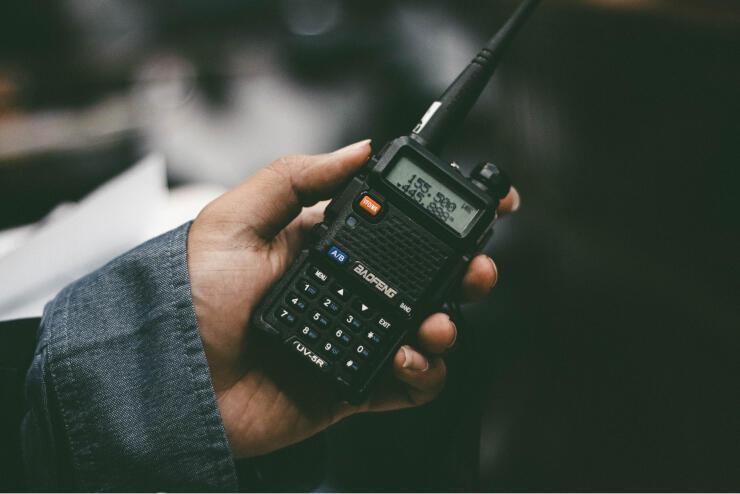
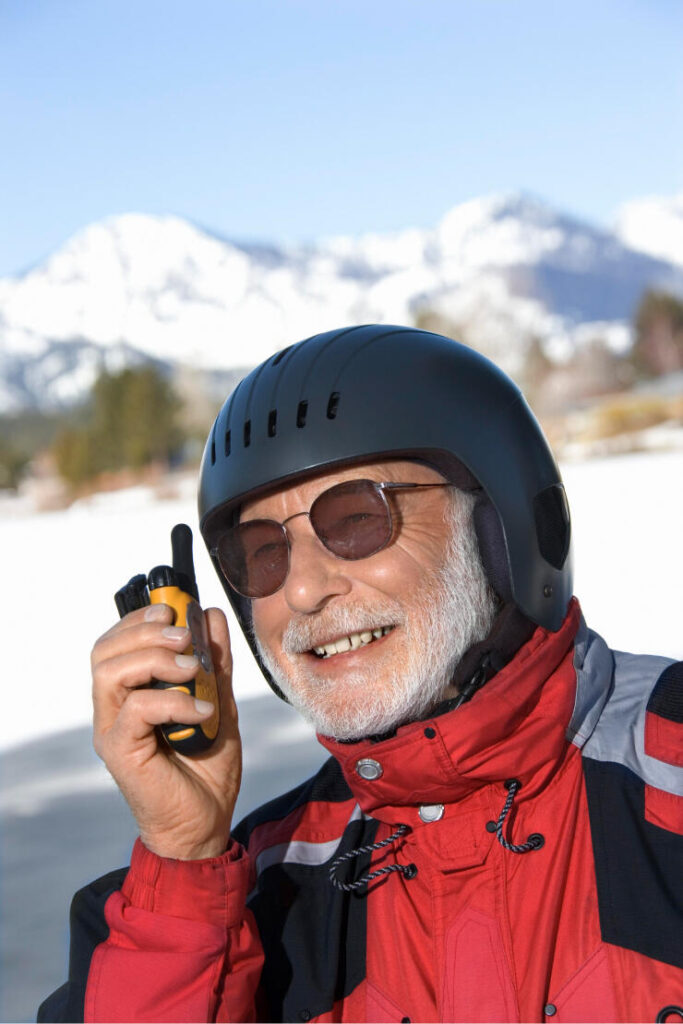
Two-way radios: If you’re camping or hiking with a group, use two-way radios to communicate within your party. Make sure everyone knows how to operate the radios and establish a designated channel for emergencies.
Whistle or signal mirror: Carry a whistle or a signal mirror as part of your essential gear. These tools can help attract attention and alert others to your location in case of an emergency.
Know the local emergency contact numbers: Research and memorize the local emergency contact numbers for the area you’re visiting. This includes the local police, park rangers, or search and rescue teams. Keep these numbers readily accessible.
Consider satellite messenger devices: Satellite messenger devices, such as SPOT or Garmin inReach, provide two-way communication via satellite. They allow you to send text messages and request emergency assistance when needed.
Remember, communication options may vary depending on your location and the level of wilderness you’re in. It’s essential to research and prepare accordingly before venturing into remote areas. By understanding your location and the available communication options, you can be better equipped to make an emergency call and get the necessary help when needed.
Carry essential communication devices
In order to make an emergency call from the wilderness, it’s crucial to carry essential communication devices. Here are some recommended devices to have with you:
Cell phone: Bring a fully charged cell phone with you, even if you don’t have a signal in the wilderness. In emergency situations, you may be able to find pockets of signal or use it to connect to nearby Wi-Fi networks. Make sure to protect your phone from water damage by storing it in a waterproof case or bag.
Satellite phone: Consider carrying a satellite phone if you plan to venture into areas with no cellular coverage. Satellite phones rely on satellites orbiting the Earth to establish a connection, allowing you to make calls even in remote locations. They can be more expensive than regular cell phones but can provide a lifeline in emergency situations.
Personal locator beacon (PLB): A PLB is a small device that transmits a distress signal to satellite systems and alerts search and rescue authorities of your emergency situation. PLBs are registered to individuals and should only be activated in life-threatening situations. They are designed for one-way communication and do not allow for voice calls.
Two-way radios: If you’re traveling with a group, consider using two-way radios to maintain communication within your party. These radios operate on specific frequencies and have a limited range. Make sure to have spare batteries and establish a designated channel for emergencies.
Satellite messenger devices: Satellite messenger devices, such as SPOT or Garmin inReach, offer two-way communication through satellite networks. These devices allow you to send text messages, track your location, and request emergency assistance when needed. They often require a subscription service, but they provide reliable communication in remote areas.
Whistle or signaling devices: Carry a whistle or other signaling devices, such as a signal mirror or a flare, to attract attention in case of an emergency. These items can help rescuers locate you more easily.
Remember to familiarize yourself with the operation of these devices before your trip and ensure they are in good working condition. It’s also important to have spare batteries or a portable charger to keep your devices powered throughout your journey.
Know the emergency contact numbers
Knowing the emergency contact numbers is crucial when making an emergency call from the wilderness. Here are some important numbers to keep in mind:
Emergency Services: Dial the emergency services number specific to your country. In the United States, it’s 911. Research and note down the emergency services number for the country or region where you’ll be hiking or camping.
Local Park or Forest Service: Find out the contact number for the local park or forest service in the area you’re visiting. They can provide valuable assistance and coordinate emergency response if needed.
Non-Emergency Contacts: Along with emergency numbers, it’s helpful to have non-emergency contacts for the area you’re in. This could include local police departments, ranger stations, or search and rescue organizations. These numbers can be useful for reporting non-life-threatening situations or seeking guidance in emergency scenarios.
Emergency Contacts: Before heading into the wilderness, inform someone you trust about your itinerary and estimated return time. Provide them with emergency contact numbers specific to your location. This person can contact authorities on your behalf if you’re overdue or if there’s a known emergency.
It’s essential to carry a physical list of emergency contact numbers as a backup in case your electronic devices run out of battery or lose signal. Keep this list in a waterproof container or bag along with other essential items in your backpack.
Learn wilderness survival skills
Learning wilderness survival skills is crucial for handling emergency situations in the wilderness. Here are some key skills to consider:
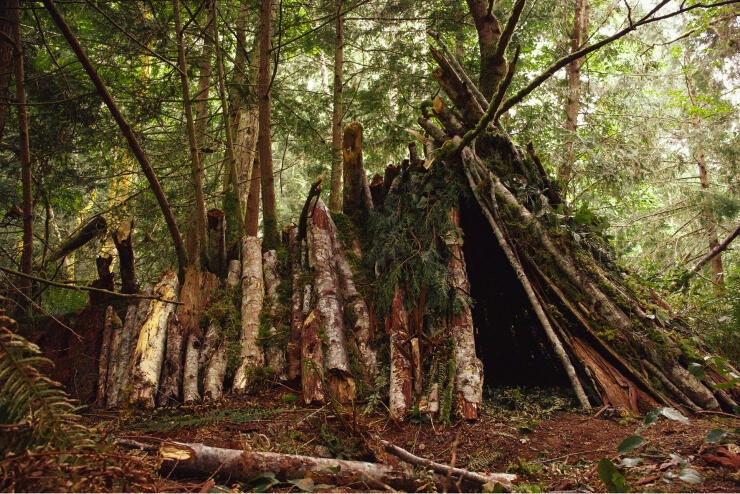
Shelter Building: Learn how to construct emergency shelters using natural materials to protect yourself from the elements. Understand different shelter designs and techniques based on the environment and available resources.
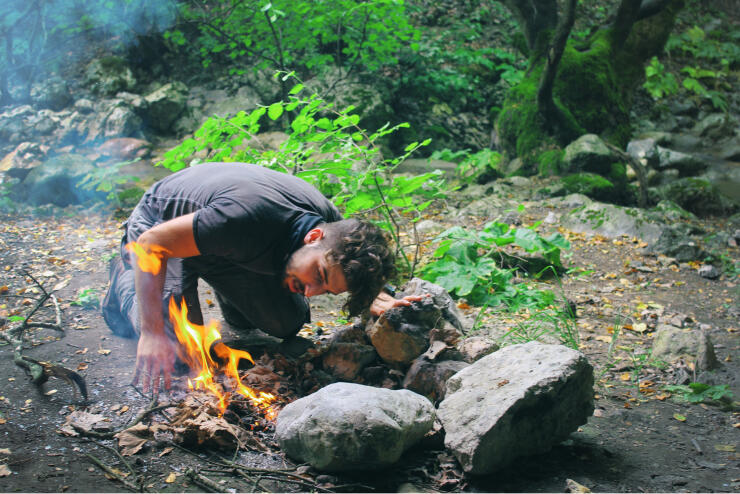
Fire Starting: Master various fire-starting methods such as using a lighter, matches, or friction-based methods like a fire bow drill or flint and steel. Understand how to collect and prepare tinder, kindling, and fuel for a successful fire.
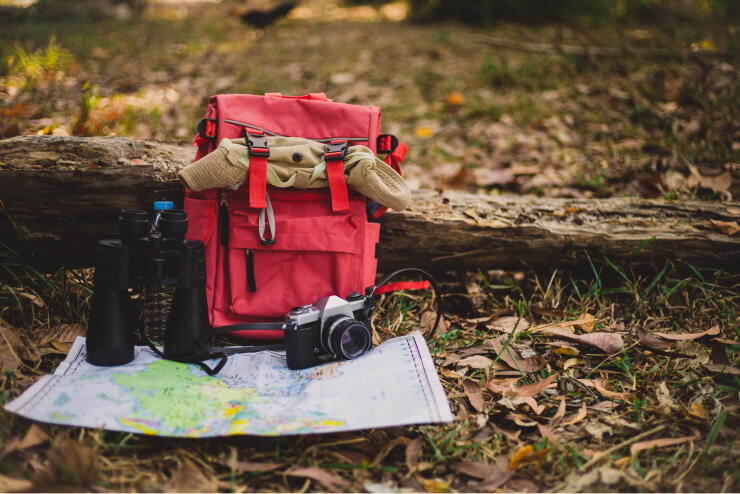
Navigation: Develop navigation skills using a compass, map, and landmarks. Learn how to orient yourself, read topographic maps, and navigate through different terrains.
Water Sourcing and Purification: Learn how to locate and collect water from natural sources such as streams, rivers, or rain. Understand water purification methods like boiling, chemical treatment, or using a water filter.
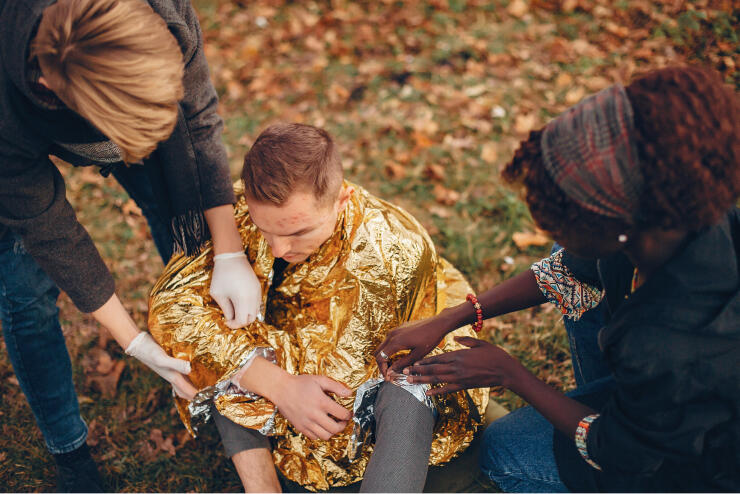
Basic First Aid: Acquire basic first aid knowledge to address common injuries and illnesses in the wilderness. Learn how to treat cuts, burns, sprains, insect bites, and exposure-related conditions.
Signaling for Help: Familiarize yourself with different signaling techniques to attract attention in emergency situations. This includes using whistles, mirrors, bright-colored materials, or creating smoke signals.
Food Foraging: Gain knowledge of edible wild plants, fruits, and insects that can provide sustenance in emergency situations. However, exercise caution and only consume plants you can positively identify.
Wildlife Awareness: Learn about the wildlife in the area you’ll be exploring, including potential hazards and how to minimize encounters or respond appropriately if encountered.
It’s important to remember that wilderness survival skills require practice and hands-on experience. Consider taking courses or participating in guided wilderness trips to gain practical knowledge and confidence in applying these skills. Additionally, always prioritize safety, and if possible, hike or camp with a partner for added support.
Make an emergency call
If you find yourself in a wilderness emergency and need to make a call for help, follow these steps:
Assess the Situation: Evaluate the severity of the emergency and the immediate danger to yourself and others. Determine if it’s necessary to make an emergency call.
Find a Safe Location: Move to a safe area away from any immediate threats or hazards. Ensure you have a clear line of sight to the sky for better reception.
Dial the Appropriate Emergency Number: In most countries, the emergency number is 911. However, it’s important to research and know the specific emergency number for the country you’re in. Some countries may have different emergency numbers or specific numbers for certain types of emergencies (e.g., search and rescue, medical emergencies).
Provide Relevant Information: Stay calm and clearly state your location, the nature of the emergency, and any important details or injuries. Be prepared to provide specific landmarks, trail names, or GPS coordinates if available.
Follow Instructions: Listen carefully to the operator’s instructions and follow them accordingly. They may ask for additional information or provide guidance on what actions to take while waiting for help to arrive.
Maintain Communication: Keep your phone turned on and accessible for any updates or further communication from the emergency services. Ensure your phone has enough battery power or consider using a portable charger.
Stay in Place: Unless directed otherwise by emergency personnel, it’s generally advised to stay in your current location until help arrives. Moving around can make it more challenging for rescuers to locate you.
Remember, making an emergency call should be reserved for true emergencies where immediate assistance is required. Misusing emergency services can divert resources from those who truly need them. Stay prepared, be responsible, and prioritize your safety in the wilderness.
Additional communication options
In addition to making an emergency call, there are other communication options you can consider in a wilderness emergency:
Whistle: Carry a whistle with you as part of your essential gear. A whistle can be heard over longer distances than shouting, making it an effective way to signal for help. Use three short bursts of sound (SOS) to attract attention.
Signal Mirror: A small signaling mirror with a reflective surface can be used to reflect sunlight and create flashes of light that can catch the attention of search and rescue teams or passing aircraft.
Flares or Smoke Signals: If you have access to flares or smoke signals, use them according to the manufacturer’s instructions to create a visible signal. Flares produce bright lights, while smoke signals create a visible plume of smoke.
Satellite Communication Devices: Consider carrying satellite phones or personal locator beacons (PLBs) that operate on satellite networks. These devices can transmit distress signals and your GPS coordinates to emergency response centers, increasing your chances of being located quickly.
Two-Way Radios: If you’re traveling with a group, two-way radios can be a useful means of communication, especially when separated or in areas with limited cell phone coverage. Make sure everyone in your group knows how to operate the radios and establish a communication plan.
Cell Phone Apps: There are several mobile apps available that can help in emergency situations. These apps can provide your location coordinates, send distress signals, and even offer offline maps and navigation features.
Remember, not all communication options may be available or reliable in all wilderness areas. It’s essential to research and familiarize yourself with the communication tools that work best for the specific location you’re visiting. Always carry backup communication methods and be prepared for situations where cell phone reception may be limited or unavailable.
Stay prepared and proactive
When it comes to emergency situations in the wilderness, it’s crucial to stay prepared and proactive. Here are some additional tips to keep in mind:
Plan and Prepare: Before heading into the wilderness, ensure you have a detailed trip plan, including your expected route, estimated time of return, and emergency contact information. Share this plan with a trusted person who can initiate a search if needed.
Carry Essential Supplies: Always carry essential supplies, such as a first aid kit, extra food and water, emergency shelter, fire-starting tools, and navigation equipment. These items can help you in a variety of emergency situations.
Stay Calm and Assess the Situation: In an emergency, it’s essential to remain calm and assess the situation objectively. Evaluate your surroundings, injuries, and available resources before taking any actions.
Signal for Help: If you find yourself in a critical situation, use the communication options discussed earlier to signal for help. Remember to stay visible, create audible signals, and utilize any tools or equipment you have to attract attention.
Follow Search and Rescue Instructions: If you make contact with emergency services, listen carefully to their instructions. They are trained to guide you through the situation and provide valuable assistance. Cooperate fully and provide accurate information to aid in your rescue.
Stay in One Place: Unless you have a specific reason to move, it’s generally best to stay in one place if you’re lost or injured. Moving around can make it harder for search and rescue teams to locate you. Find a safe spot, stay warm, and conserve your energy while awaiting assistance.
Stay Updated on Weather Conditions: Weather conditions can significantly impact emergency situations. Pay attention to weather forecasts and any changes in conditions. Adjust your plans accordingly to avoid further risks.
Learn Wilderness Survival Skills: Acquiring wilderness survival skills can greatly enhance your ability to handle emergency situations. Take the time to learn essential skills like navigation, shelter building, fire starting, and first aid. These skills can make a significant difference in your safety and well-being.
Remember, prevention is key. Taking necessary precautions, being aware of your surroundings, and having the right mindset can help you avoid emergencies or minimize their impact. Stay informed, stay prepared, and prioritize your safety when venturing into the wilderness.
Seek professional help
In some emergency situations, seeking professional help may be necessary. If you are unable to resolve the situation on your own or if you or someone with you requires immediate medical attention, it’s important to reach out to emergency services or search and rescue teams. Here are some steps to follow when seeking professional help:
Assess the severity of the situation: Determine the urgency of the emergency. If it’s a life-threatening situation or if someone requires immediate medical assistance, don’t hesitate to call emergency services right away.
Use available communication devices: If you have a working phone or other communication devices, dial the emergency hotline number of the country you are in (such as 911 in the United States) and explain your situation clearly and concisely. Provide your location as accurately as possible.
Provide necessary information: When speaking with emergency services, provide essential details about the emergency, including the nature of the situation, the number of people involved, any injuries or medical conditions, and any other relevant information that can assist in the response.
Follow instructions: Emergency service operators are trained to guide you through the situation and provide necessary instructions. Listen carefully to their guidance and follow their directions. Stay on the line until instructed otherwise.
Provide updates if possible: If the situation changes or if you need to provide updated information, communicate this to the emergency services. Keeping them informed can help them make more informed decisions and provide appropriate assistance.
Stay visible and accessible: If possible, find a location that is easily accessible and visible to rescue teams. Use visual and auditory signals to attract attention, such as waving bright clothing, blowing a whistle, or creating a fire. Make yourself as noticeable as possible to aid in your rescue.
Remain calm and patient: While waiting for professional help to arrive, it’s important to stay calm and patient. Panic and anxiety can cloud judgment and hinder decision-making. Focus on maintaining your safety and the safety of others until help arrives.
Remember, professional help is trained to handle emergency situations and provide the necessary support. Don’t hesitate to reach out for assistance when needed. Your safety and well-being should always be the top priority in any emergency situation.
Conclusion
In the wilderness, being prepared for emergencies and knowing how to make an emergency call can be crucial for your safety and the safety of those around you. By understanding your location, carrying essential communication devices, knowing emergency contact numbers, and learning wilderness survival skills, you can be better equipped to handle unexpected situations.
Making an emergency call requires clear communication, providing accurate details about the situation, and using available communication devices effectively. It’s important to remain calm, provide necessary information, and follow the instructions given by emergency service operators. Additionally, considering alternative communication options and staying prepared and proactive can further enhance your ability to seek help when needed.
Remember, in a wilderness emergency, seeking professional help may be necessary. Knowing when and how to contact emergency services and providing them with accurate information can significantly aid in the response and increase the chances of a successful outcome.
By staying prepared, knowing your options, and taking prompt action in emergency situations, you can help ensure your safety and the safety of others in the wilderness.



 Summer Storm Safety Tips for Camping
 How to keep spiders out of your tent while camping
 Is Hammock Camping Safe?