Choosing food for a hike

Choosing food for a hike

The right food can make all the difference on a long hike. Not only does it provide the energy and nutrients needed to keep going, but it can also boost morale and enhance the overall hiking experience. However, choosing the right food can be a challenge. Factors such as weight, nutrition, taste, and convenience all need to be taken into account. In this article, we’ll provide some tips and considerations to help you choose the best food for your next hike.

Dietary Guidelines

When it comes to choosing food for a hike, it’s important to consider the nutritional needs of your body. Hiking is a physically demanding activity, and your body requires a balanced intake of carbohydrates, protein, and fats to maintain energy levels and stamina.

Carbohydrates are the primary source of energy for the body during physical activity, and they can be found in foods like fruits, vegetables, grains, and sugars. Protein is essential for repairing and building muscle tissue, and can be found in foods like meat, fish, nuts, and legumes. Fats are a secondary source of energy, and can be found in foods like oils, nuts, and seeds.
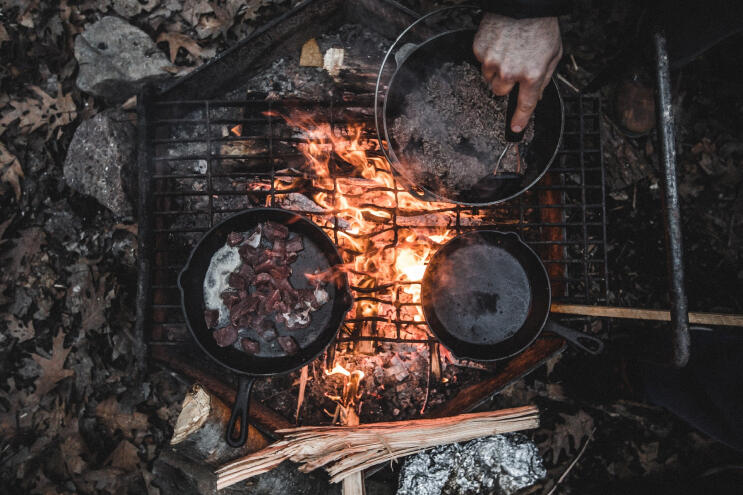
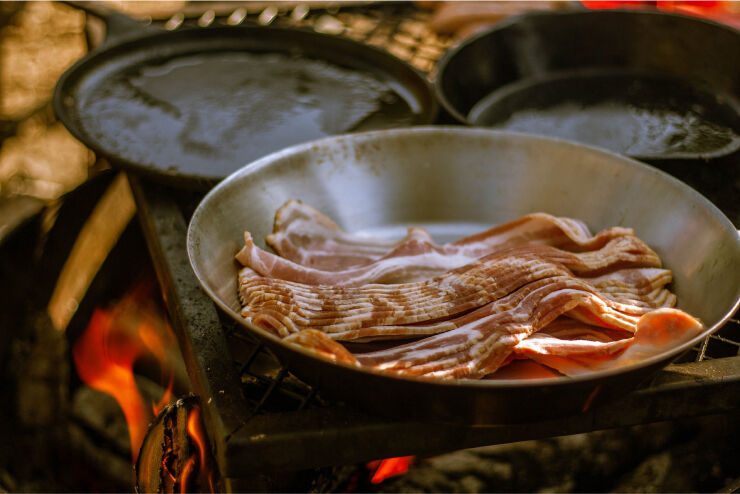
frain pan on fire

In addition to these macronutrients, it’s important to consider micronutrients like vitamins and minerals, which help regulate bodily functions and support overall health. A balanced diet that includes a variety of whole foods is the best way to ensure that your body is getting all the nutrients it needs to perform at its best during a hike.

How to balance macronutrients (carbohydrates, protein, fat) in trail meals

Macronutrients are essential for providing energy to your body during a hike. The three main macronutrients are carbohydrates, protein, and fat, and it’s important to balance them properly in your trail meals to ensure you have enough energy to sustain your activity level. Here are some tips for balancing macronutrients in trail meals:

  1. Carbohydrates: Carbohydrates are the body’s primary source of fuel during exercise. It’s important to choose complex carbohydrates, which are found in foods like whole grains, fruits, and vegetables, as they provide sustained energy. Simple carbohydrates, such as candy or sugary drinks, can give you a quick boost of energy but can lead to a crash later on. Aim for carbohydrates to make up about 50-60% of your calorie intake during a hike.
  2. Protein: Protein is essential for repairing and building muscle tissue. Good sources of protein for hiking include nuts, seeds, lean meats, fish, and legumes. Aim for protein to make up about 15-20% of your calorie intake during a hike.
  3. Fat: Fat is an important source of energy for longer hikes or higher altitude trips. Healthy sources of fat include nuts, seeds, avocado, and oils like olive or coconut. Aim for fat to make up about 20-30% of your calorie intake during a hike.

By balancing these macronutrients, you can ensure that you have sustained energy throughout your hike and are meeting your body’s nutritional needs.
Importance of hydration and electrolyte balance on the trail

Staying hydrated is critical when hiking, as dehydration can lead to fatigue, cramping, and other health problems. It’s important to drink water regularly, even if you don’t feel thirsty, as thirst is not always a reliable indicator of hydration status.

In addition to water, hikers should also consider electrolyte balance. Electrolytes are minerals like sodium, potassium, and magnesium that help regulate fluid balance and nerve function in the body. When you sweat, you lose electrolytes, so it’s important to replenish them during prolonged exercise.

One way to maintain electrolyte balance is to consume foods and drinks that contain electrolytes. Sports drinks, coconut water, and certain fruits and vegetables (like bananas and leafy greens) can be good sources of electrolytes. Additionally, hikers should aim to consume salty foods to replace lost sodium. A good balance of water and electrolytes can help prevent dehydration, fatigue, and other health problems on the trail.
Meal Planning and Preparation

Meal planning and preparation are essential for a successful hiking trip. Here are some tips for choosing food for a hike:

  1. Plan ahead: Before your trip, plan out your meals and snacks for each day. Consider the length and difficulty of your hike, and make sure you have enough food to sustain you.
  2. Pack lightweight, nutrient-dense foods: Choose foods that are lightweight and easy to pack, but also nutrient-dense to provide the necessary energy for your hike. Some good options include nuts, dried fruit, jerky, energy bars, and trail mix.
  3. Choose foods that are easy to prepare: Look for foods that are easy to prepare on the trail, such as instant oatmeal, pasta, and rice dishes. Consider using a backpacking stove or a portable grill to cook your meals.
  4. Pack plenty of water and electrolyte replacement drinks: Staying hydrated is crucial when hiking, so make sure you pack plenty of water and electrolyte replacement drinks like sports drinks or electrolyte tablets.
  5. Consider dietary restrictions: If you have any dietary restrictions or allergies, make sure to choose foods that fit within those constraints. There are plenty of options available for vegetarians, vegans, and those with gluten or dairy allergies.
  6. Avoid heavy or bulky foods: Avoid packing heavy or bulky foods like canned goods or fresh produce. They can add unnecessary weight to your pack and may spoil quickly.
  7. Bring a variety of foods: It’s important to have a variety of foods to keep your taste buds interested and prevent food fatigue. Pack a mix of sweet and savory snacks, and switch up your meals from day to day.

By following these tips, you can choose the right foods for your hike and ensure that you have the necessary nutrients and energy to tackle any trail.
Different meal options (snacks, trail mix, dehydrated meals, etc.)

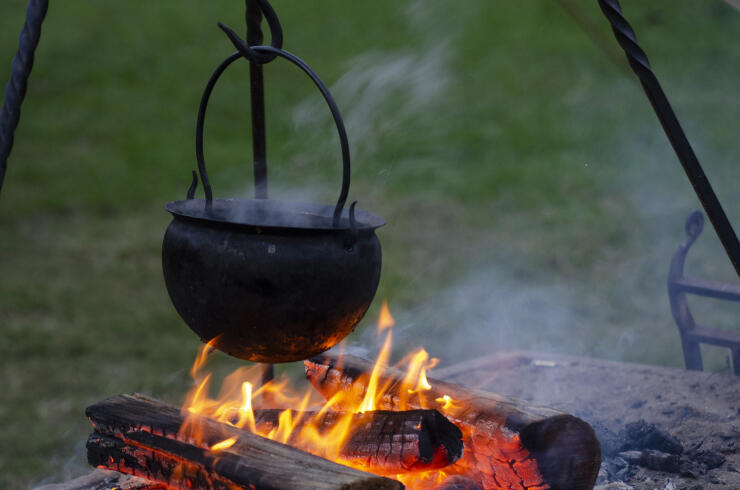
bowler hat

When it comes to hiking, there are a variety of meal options to consider. Here are a few common options:

  1. Snacks: Snacks are a great way to keep your energy levels up throughout the day. Some good options include energy bars, trail mix, dried fruit, jerky, and nut butter packets.
  2. Dehydrated meals: Dehydrated meals are a popular choice for backpackers because they are lightweight, easy to prepare, and have a long shelf life. These meals typically come in a pouch and just require hot water to rehydrate.
  3. Sandwiches and wraps: Sandwiches and wraps can be a great option for day hikes or shorter backpacking trips. They are easy to pack and can be made with a variety of fillings, such as peanut butter and jelly, tuna salad, or hummus and veggies.
  4. Instant noodles: Instant noodles, such as ramen, can be a quick and easy meal option. Just add hot water and any additional ingredients you like, such as veggies or protein.
  5. Fresh fruit and vegetables: Fresh fruits and vegetables can be a refreshing addition to any hiking meal. Some good options include apples, bananas, carrots, and bell peppers.
  6. Cheese and crackers: Cheese and crackers can be a tasty and filling snack or meal option. Just be sure to choose a hard cheese that won’t spoil in the heat.
  7. Nutritious beverages: It’s important to stay hydrated while hiking, so be sure to bring plenty of water. You can also consider bringing electrolyte drinks, such as sports drinks or electrolyte tablets, to help replenish lost electrolytes.

Cooking options

When it comes to cooking options on the trail, there are several options available to hikers. The most common cooking options are:

  1. Stove: A lightweight backpacking stove is a popular choice for hikers as it is compact, easy to carry, and allows for a quick and easy meal preparation. Stoves that run on gas or liquid fuel are commonly used, and some hikers prefer stoves that use renewable fuels like wood or biomass.
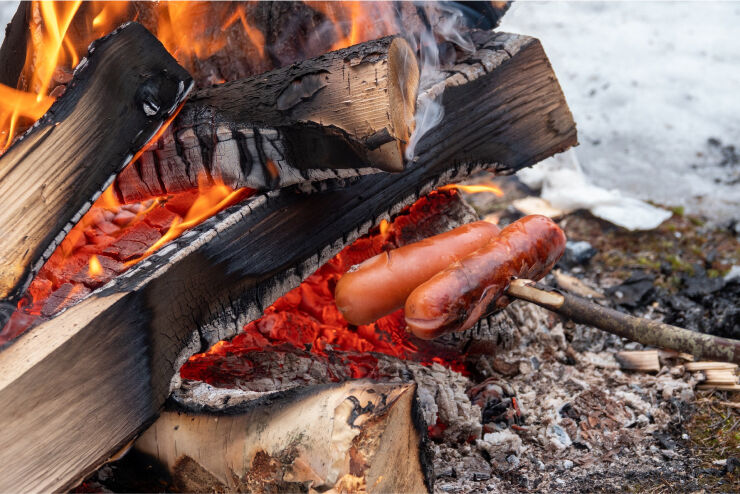
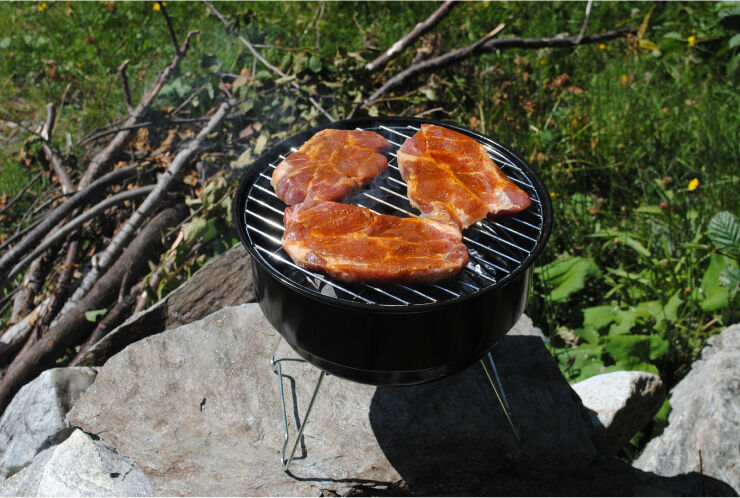
  2. Campfire: Building a campfire is a traditional way of cooking on the trail. However, campfires are not always allowed in all hiking areas, and it’s important to check with park rangers or authorities before starting a fire. In some areas, a permit may be required to start a fire, and hikers are encouraged to follow Leave No Trace principles when building a fire.
  3. No-cook meals: For hikers who prefer not to cook, there are many no-cook meal options available. These can include pre-packaged snacks, energy bars, trail mix, and fresh fruits and vegetables.

Regardless of the cooking option chosen, hikers should be prepared with a lightweight cookset, utensils, and fuel as needed. It’s also important to follow proper food safety practices to avoid foodborne illnesses on the trail.
Food Storage and Safety

When hiking or camping, it is important to properly store and handle food to prevent contamination and spoilage. Here are some considerations for food storage and safety:
  1. Properly package food: Store food in airtight containers or resealable bags to prevent contamination and to keep them fresh.
  2. Keep food cold: Bring along a cooler or insulated bag to keep perishable items, such as meat and dairy, cold. Use ice packs or freeze water bottles to use as ice packs to help keep food cool.
  3. Keep raw meat separate: If you are bringing raw meat, store it separately from other foods to avoid cross-contamination. Bring extra bags to store raw meat in and avoid packing it with ready-to-eat foods.
  4. Cook food to the appropriate temperature: Use a food thermometer to ensure that meat is cooked to the appropriate temperature to prevent foodborne illness.
  5. Practice good hygiene: Wash hands with soap and water or use hand sanitizer before handling food. Use disposable wipes or biodegradable soap for washing dishes and utensils.
  6. Pack out trash: Make sure to pack out all food scraps and trash to avoid attracting wildlife and to keep the area clean for future hikers.

Food safety (avoiding foodborne illness, proper disposal of waste)

When hiking, it’s important to take food safety seriously to avoid getting sick. Here are some food safety considerations to keep in mind:

  1. Avoid cross-contamination: When packing food, keep raw meats separate from other foods to prevent cross-contamination. Use separate cutting boards, utensils, and storage containers.
  2. Keep food at safe temperatures: Perishable foods like meat, dairy, and eggs should be kept in a cooler with ice or ice packs to prevent spoilage. Avoid leaving food out in the sun for long periods of time.
  3. Properly dispose of waste: Pack out all your trash, including food waste. Use a sealable plastic bag to store food waste and dispose of it properly in a designated trash bin.
  4. Clean hands and utensils: Always wash your hands before handling food, and use clean utensils and equipment to prepare and cook food.
  5. Consider using a bear canister: In some areas, bears and other wildlife may be attracted to the smell of food. Consider using a bear canister or other food storage method to keep your food and yourself safe.

Dietary restrictions (vegetarian, vegan, gluten-free, etc.)

For hikers with dietary restrictions, it is important to plan meals ahead of time and bring appropriate food options. Many outdoor retailers offer a variety of dehydrated meal options that cater to specific dietary needs, such as vegetarian and vegan options. It is also important to read the ingredient labels on all food items to ensure that they meet dietary restrictions.

For those with gluten-free diets, there are many options available for trail meals, including gluten-free pasta, bread, and snack bars. It is important to double-check all ingredient labels to ensure that they do not contain gluten.
camp morning

For those with allergies to common trail foods, such as nuts or dairy, it is important to plan meals carefully and avoid any potential allergens. It may also be helpful to bring along an EpiPen or other medication in case of an emergency.

In addition to dietary restrictions, hikers with medical conditions such as diabetes may need to plan meals and snacks carefully to ensure stable blood sugar levels throughout the day. Consultation with a healthcare professional may be necessary to develop a meal plan that meets specific needs.

When hiking at high altitudes, it’s common for hikers to experience changes in appetite and metabolism. The decreased atmospheric pressure at higher altitudes causes a decrease in oxygen levels, which can lead to a decrease in appetite and an increase in metabolism. Additionally, the body may have difficulty digesting food at higher altitudes, leading to feelings of bloating and indigestion.

To combat these effects, it’s important to make sure you’re consuming enough calories and staying hydrated. Eating small, frequent meals throughout the day and drinking plenty of water can help maintain energy levels and prevent dehydration. It’s also important to choose high-calorie, nutrient-dense foods that are easy to digest, such as trail mix, energy bars, and dehydrated meals.

In addition to proper nutrition, it’s important to acclimate gradually to higher altitudes to allow your body time to adjust to the changes in atmospheric pressure. This can help minimize the effects of altitude-related changes in appetite and metabolism.

Conclusion

In conclusion, choosing the right food for a hike is essential to ensure that you have the energy and nutrients needed for a successful and enjoyable trip. Balancing macronutrients, staying hydrated, and considering dietary restrictions and altitude-related changes are all important factors to keep in mind when planning and packing meals for the trail. It’s also important to follow proper food storage and safety guidelines to prevent foodborne illness and minimize waste. By taking the time to plan and prepare your meals, you can fuel your body for a rewarding and memorable hiking experience.

Se also
Two people preparing and serving rice outdoors from a pot... Best Foods to Bring Winter Camping
Winter camping demands a completely different nutritional strategy than summer trips. The cold environment fundamentally changes how your body functions,
person sitting and holding Perfect Bar chocolate with bite Best Hiking Snacks
Energy-Boosting Bars & Chews are the cornerstone of many hikers’ snack kits, prized for their convenience, calorie density, and long
How to Cook Over a Campfire
Cooking over a campfire is a time-honored tradition that brings a sense of adventure and nostalgia to outdoor meals. The