In the great outdoors, being equipped with basic survival techniques can make a significant difference in your ability to handle unexpected situations and emergencies. Whether you’re an avid hiker, camper, or adventurer, knowing how to navigate, find shelter, procure water and food, and handle injuries can be invaluable skills. This article will provide an overview of 10 basic survival techniques that can help you stay safe and increase your chances of survival in the wilderness. By understanding and practicing these skills, you’ll be better prepared to face the challenges of the outdoors with confidence.
Shelter building is a crucial survival technique that can protect you from the elements and provide a safe haven in the wilderness. Learn how to identify suitable shelter locations, such as under tree canopies or rock overhangs, and gather materials like branches, leaves, and natural debris to construct a sturdy shelter. Techniques like lean-to, debris hut, or tarp shelter can be employed based on available resources and weather conditions. Knowing how to build a shelter efficiently can help keep you dry, warm, and protected from harsh weather conditions.
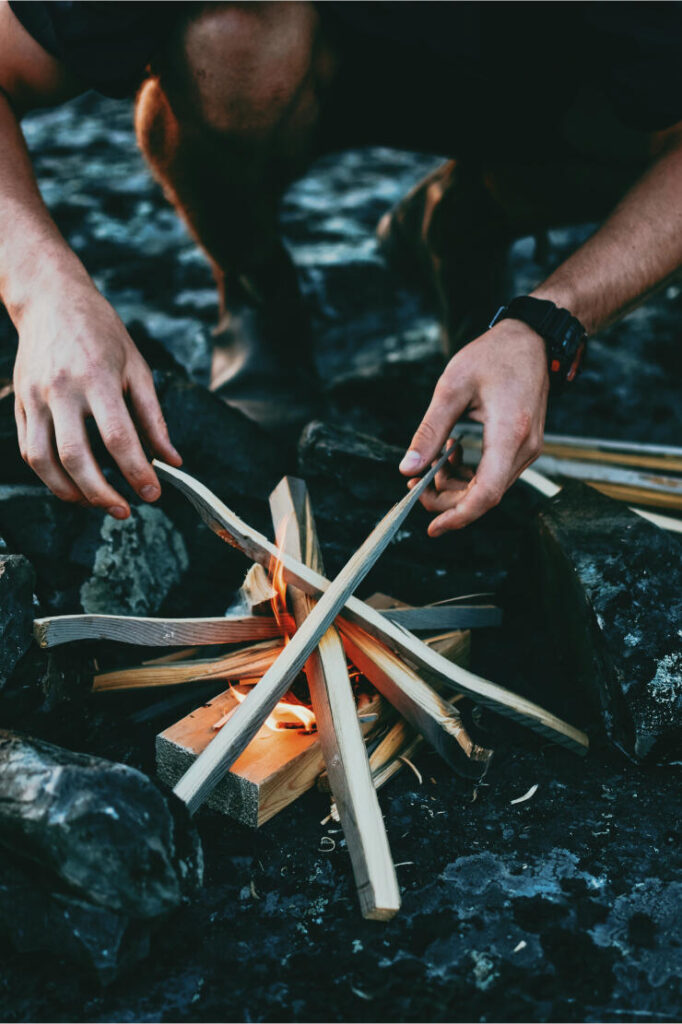
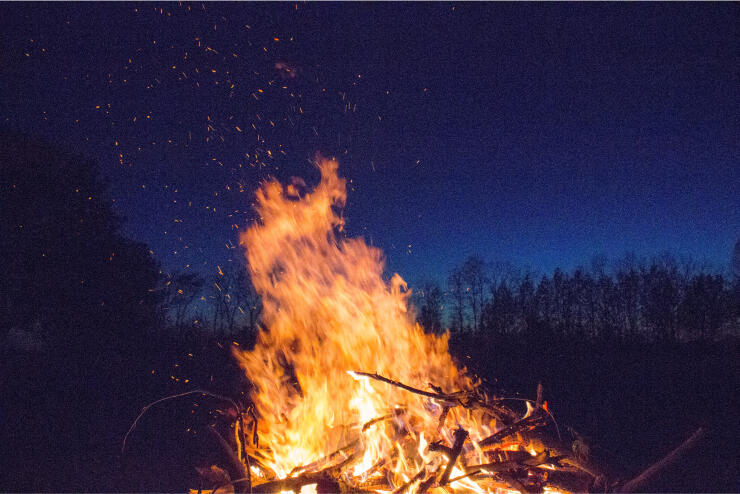
Fire Starting
Fire starting is a fundamental survival skill that provides warmth, light, cooking capabilities, and the ability to purify water. Here are some key points to consider when it comes to fire starting:
Gather suitable materials: Collect dry tinder, such as small twigs, leaves, or wood shavings, as well as kindling, such as small sticks and branches. Look for dry materials that easily catch fire.
Prepare the fire pit: Clear the area from any flammable debris, ensuring a safe distance from trees, bushes, or other combustible materials. Use rocks or a fire ring to create a boundary for the fire.
Choose the fire-starting method: There are various methods to start a fire, including using matches, lighters, fire starters, or primitive methods like the bow drill or hand drill. Carry multiple fire-starting tools in your survival kit.
Create a fire lay: Arrange the tinder and kindling in a way that allows air to flow through, promoting combustion. Use the teepee, log cabin, or lean-to fire lay techniques to build a stable and efficient fire.
Ignite the fire: Apply the chosen fire-starting method to ignite the tinder. If using matches or a lighter, carefully light the tinder from multiple angles to ensure it catches fire evenly.
Add fuel gradually: Once the tinder and kindling are burning, gradually add larger sticks and logs to sustain the fire. Start with small pieces and progressively increase the size to maintain a steady flame.
Maintain the fire: Keep the fire fed with additional fuel as needed, but be mindful not to suffocate it by adding too much at once. Ensure proper ventilation to allow for efficient burning.
Extinguish the fire: When you’re finished with the fire, thoroughly extinguish it to prevent any potential wildfires. Pour water over the fire and stir the ashes until they are cool to the touch. Be responsible and follow Leave No Trace principles.
Practice fire safety: Always prioritize fire safety by keeping a safe distance from the flames, never leaving a fire unattended, and being mindful of surrounding conditions such as wind or dry vegetation.
Know fire regulations: Familiarize yourself with any fire regulations or restrictions in the area you’re camping or hiking. Some locations may have specific rules regarding fire use or require permits for open fires.
By mastering the skill of fire starting, you can ensure your ability to create fire in various conditions, increasing your chances of survival and comfort in the wilderness. Practice fire starting techniques regularly to build confidence and maintain proficiency in this essential survival skill.
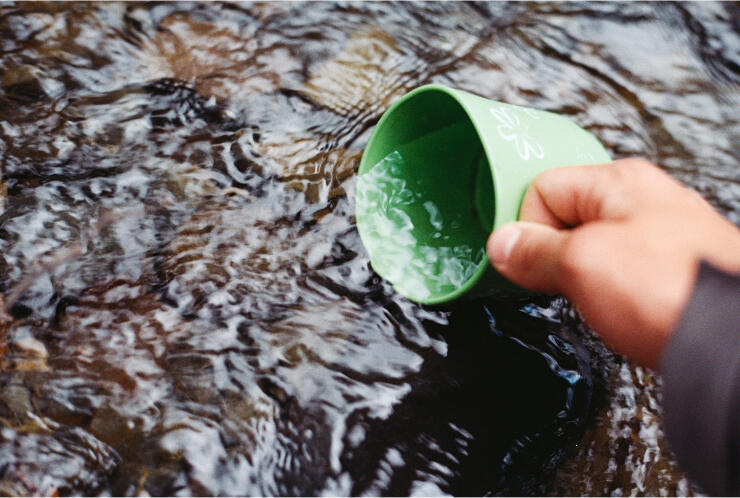
Water Procurement
Water procurement is a critical survival technique, as water is essential for hydration and overall well-being. Here are some basic tips to help you find and procure water in the outdoors:
Locate water sources: Look for nearby water sources such as rivers, streams, lakes, ponds, or springs. Consider using topographic maps or GPS devices to assist you in finding water sources.
Purify water: Not all water sources are safe to drink directly. It’s important to purify water to eliminate harmful bacteria, viruses, and parasites. There are several methods you can use for water purification, including boiling, using water filters or purifiers, chemical treatments, or ultraviolet (UV) light sterilization.
Collect rainwater: If it’s raining, you can collect rainwater by using a rain catchment system. Set up a tarp or any waterproof material to collect and funnel rainwater into a container. Ensure the container is clean and sanitized before using it for water storage.
Dig for water: In some cases, water may be available underground. Digging a shallow hole in areas with damp soil or near vegetation can help you access groundwater. Wait for the hole to fill with water, and then filter and purify it before drinking.
Utilize natural features: Keep an eye out for natural depressions, such as rock crevices or hollow tree trunks, which may contain small amounts of water. Collect water from these sources using a container or improvised tools like large leaves.
Use vegetation: Certain plants, like cacti or vines, may store water in their stems or roots. Learn to identify and extract water from these plants if they are available in your environment. Research and understand the local flora to ensure you select safe and non-toxic plants.
Consider condensation: Condensation can be an effective method for procuring water in certain situations. Use a plastic bag or container to collect moisture from plants or vegetation. Tie the bag around a leafy branch or secure it over a plant to capture the condensation as it evaporates.
Store water: When you find a water source, take advantage of it by storing as much water as you can for later use. Use containers or water bladders designed for outdoor use to store and carry water safely.
Conserve water: Practice water conservation techniques to make the most of your water supply. Use water sparingly for drinking and cooking, and avoid wastage by minimizing spills or excessive washing.
Plan ahead: Before your outdoor adventure, research the area you’ll be visiting and identify potential water sources. Carry maps, guidebooks, or consult local authorities for information on reliable water sources in the region.
Remember, water procurement requires caution and knowledge of your surroundings. It’s crucial to be aware of potential hazards such as pollution, animal activity, or contamination. Prioritize safe and reliable water sources, and always purify water before consuming it to prevent waterborne illnesses.
Navigation and Orienteering
Navigation and orienteering skills are essential for outdoor survival and can help you find your way when you’re in unfamiliar terrain. Here are some basic techniques to help you navigate effectively:
Use a map and compass: Familiarize yourself with reading maps and using a compass. Learn how to identify key features on a map such as topography, landmarks, and trails. Use a compass to determine your direction and orient the map accordingly.
Learn to read topographic maps: Topographic maps provide valuable information about the terrain, including elevation, contours, and features like rivers, lakes, and mountains. Understand how to interpret contour lines to visualize the landscape and plan your route.
Establish a baseline: To navigate accurately, establish a baseline by identifying prominent landmarks or features in your surroundings. Use these reference points to gauge your position and direction as you move.
Use natural signs and landmarks: Pay attention to natural signs and landmarks such as mountains, rivers, rock formations, or distinctive trees. These features can serve as reliable reference points for navigation.
Follow trails and footprints: If you’re hiking on established trails, follow them to stay on track. Look for footprints or signs of previous travelers to verify the correct path. Be cautious of diverging or unofficial trails.
Use a GPS device: Global Positioning System (GPS) devices can provide precise location information, especially in areas with clear satellite reception. Learn how to operate a GPS device and use it in conjunction with maps for accurate navigation.
Learn basic compass navigation: Understand how to use a compass to determine direction, set bearings, and navigate using azimuths. This skill can be particularly useful in situations where you don’t have access to detailed maps or GPS.
Take note of your surroundings: Pay attention to your surroundings and make mental or written notes of significant features, landmarks, or intersections. This will help you retrace your steps if needed and maintain your bearings.
Practice pacing and estimating distances: Develop the ability to estimate distances by pacing, which involves counting your steps over a known distance. This technique can help you gauge how far you’ve traveled and estimate the distance to your destination.
Stay oriented at all times: Continuously assess your surroundings and check your map or compass regularly to stay oriented. Keep track of your progress and adjust your route if necessary.
Remember, navigation and orienteering skills take practice and experience to master. Start by practicing in familiar areas or under the guidance of experienced navigators. Gradually challenge yourself with more complex terrain and navigation scenarios to improve your skills.
Signaling for Help
Signaling for help is a crucial survival technique that can potentially save your life in emergency situations. Here are some methods for effectively signaling for help in the outdoors:
Whistle: Carry a whistle with you at all times. A whistle’s sound can travel over long distances and is distinct from natural sounds, making it an effective way to attract attention. Use three short bursts or blasts to signal for help.
Mirror or reflective material: Carry a small mirror or any reflective material such as a CD or aluminum foil. Use it to reflect sunlight towards potential rescuers or passing aircraft. Aim the reflection in the direction of the potential help.
Fire and smoke: Build a fire and create a column of thick smoke to attract attention. Use materials like green leaves, damp wood, or rubber to produce dark smoke. The contrast against the natural environment makes it more visible.
Signal fires: Arrange rocks or logs into large “SOS” or “X” shapes that can be seen from the air or from a distance. Keep the signal fire well-maintained and add fuel periodically to keep it burning.
Brightly colored or contrasting items: Place brightly colored or contrasting items such as clothing, backpacks, or tarps in an open area where they can be easily spotted. Use natural materials like branches or rocks to form shapes or symbols.
Flashlight or strobe light: If you have access to a flashlight or a strobe light, use it to send distress signals during nighttime. Use the international Morse code for SOS (three short, three long, three short) to indicate an emergency.
Signal flags or panels: Carry signal flags or panels made of brightly colored fabric that can be easily seen from a distance. Wave them vigorously or lay them out on the ground to attract attention.
Emergency signals in the sky: If you spot an aircraft or helicopter, create signals with your body or any available materials. Use large movements or create patterns with your arms to draw attention.
Vocal signals: Yell or shout loudly to attract attention. Use distinct patterns such as three short shouts or continuous shouts with regular intervals to indicate that you need help.
Distress signals on the ground: Use rocks, sticks, or any available materials to create visible distress signals on the ground. Form large letters such as SOS or HELP that can be easily seen from the air.
Remember, it’s important to stay calm and focused when signaling for help. Prioritize your safety, conserve your energy and resources, and use these signaling techniques strategically to maximize your chances of being noticed and rescued.
Basic First Aid
Basic first aid skills are essential for outdoor survival. Here are some key first aid techniques to help you in the outdoors:
Assess the situation: Quickly assess the situation and ensure your own safety before providing assistance to others. Take note of any hazards or dangers in the surroundings.
CPR and rescue breaths: Learn cardiopulmonary resuscitation (CPR) and rescue breaths. These techniques are used to revive someone who is not breathing or whose heart has stopped. Knowing these skills can be crucial in life-threatening situations.
Stop bleeding: Learn how to control bleeding by applying direct pressure to the wound with a clean cloth or bandage. Elevate the injured body part if possible to help reduce blood flow.
Splinting fractures: In the event of a bone fracture, immobilize the injured limb by creating a splint. Use rigid materials like sticks, boards, or trekking poles to stabilize the fracture and prevent further damage.
Treating burns: Cool a burn with cool water for at least 10 minutes to reduce pain and prevent further tissue damage. Cover the burn with a clean, non-stick dressing.
Handling sprains and strains: RICE (Rest, Ice, Compression, Elevation) is the standard treatment for sprains and strains. Rest the injured area, apply ice wrapped in a cloth, compress the area with an elastic bandage, and elevate the limb if possible.
Treating insect bites and stings: Remove any stingers or insect parts from the skin if present. Clean the area with soap and water, and apply a cold compress to reduce swelling. Use over-the-counter antihistamines or creams for relief.
Dealing with heat-related illnesses: Learn how to recognize and treat heat-related illnesses such as heat exhaustion and heatstroke. Move the person to a shaded area, loosen tight clothing, provide cool fluids, and apply cool compresses.
Hypothermia and frostbite: Recognize the signs of hypothermia and frostbite, and take appropriate actions. Move the person to a warm area, remove wet clothing, provide warm, dry clothing or blankets, and seek medical help if needed.
Basic wound care: Clean wounds with clean water and mild soap, and cover them with sterile bandages or dressings. Monitor wounds for signs of infection, such as redness, swelling, or discharge.
Remember, first aid skills are best learned through formal training and practice. Consider taking a first aid and CPR course offered by reputable organizations to gain comprehensive knowledge and confidence in administering first aid in outdoor settings.
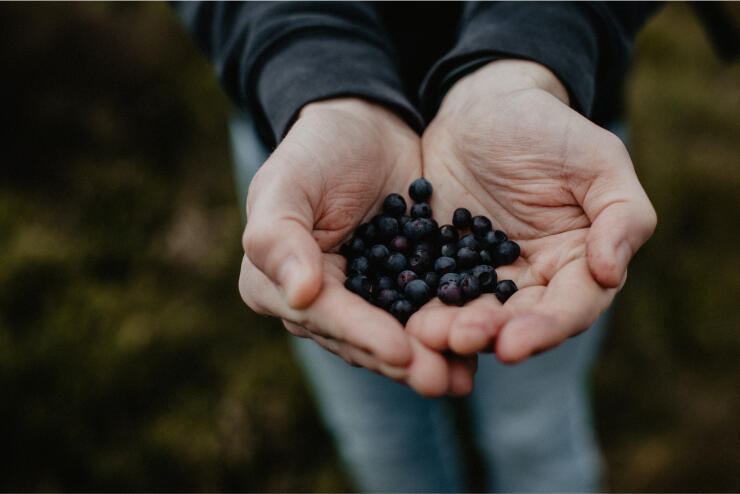
Food foraging
Food foraging, or gathering edible wild plants and mushrooms, is a valuable survival skill in the outdoors. Here are some basic guidelines for food foraging:
Educate yourself: Before foraging, educate yourself about the local plant life and their edible counterparts. Invest in a reliable field guide or take a foraging class to learn about the plants, mushrooms, and berries that are safe to eat in your area.
Identify plants accurately: Accurate plant identification is crucial to ensure you are gathering safe and edible species. Pay close attention to identifying features such as leaf shape, color, texture, and growth patterns. Learn to distinguish edible plants from similar-looking toxic or inedible plants.
Start with easy-to-identify plants: As a beginner, focus on gathering plants that are easily recognizable and have no poisonous look-alikes. Examples include dandelions, wild berries, nettles, and edible flowers like violets and clovers.
Harvest responsibly: Harvest only what you need and do not over-harvest from a single plant or area. Be mindful of the environment and its sustainability. Avoid foraging in protected areas, private property, or contaminated areas where plants may have been exposed to pollutants.
Be aware of toxic plants: Familiarize yourself with toxic plants in your area to avoid accidental ingestion. Learn to identify common toxic plants like poison ivy, poison oak, and certain mushrooms that can cause harm if consumed.
Know the seasons: Different plants and mushrooms are available in different seasons. Learn about the seasonal availability of edible plants in your area to plan your foraging trips accordingly.
Practice ethical foraging: Respect nature and forage ethically. Do not damage plants unnecessarily, and be considerate of wildlife that rely on these resources. Leave no trace by cleaning up any waste or litter and avoid trampling delicate habitats.
Prepare and cook properly: Once you’ve gathered your foraged food, ensure you clean it thoroughly to remove any dirt or insects. Properly cook or prepare the food before consumption to eliminate any potential harmful bacteria or parasites.
Start with familiar plants: Begin your foraging journey with plants you are already familiar with, such as dandelions or wild berries. As you gain experience and knowledge, gradually expand your repertoire and explore new species.
Consult experts: If you’re uncertain about the identification or edibility of a plant or mushroom, consult with local experts or experienced foragers for guidance. Joining a foraging group or community can provide valuable insights and mentorship.
Remember, foraging should be approached with caution and respect for the environment. It’s important to prioritize safety and accuracy in plant identification to avoid any potential risks or harmful consequences.
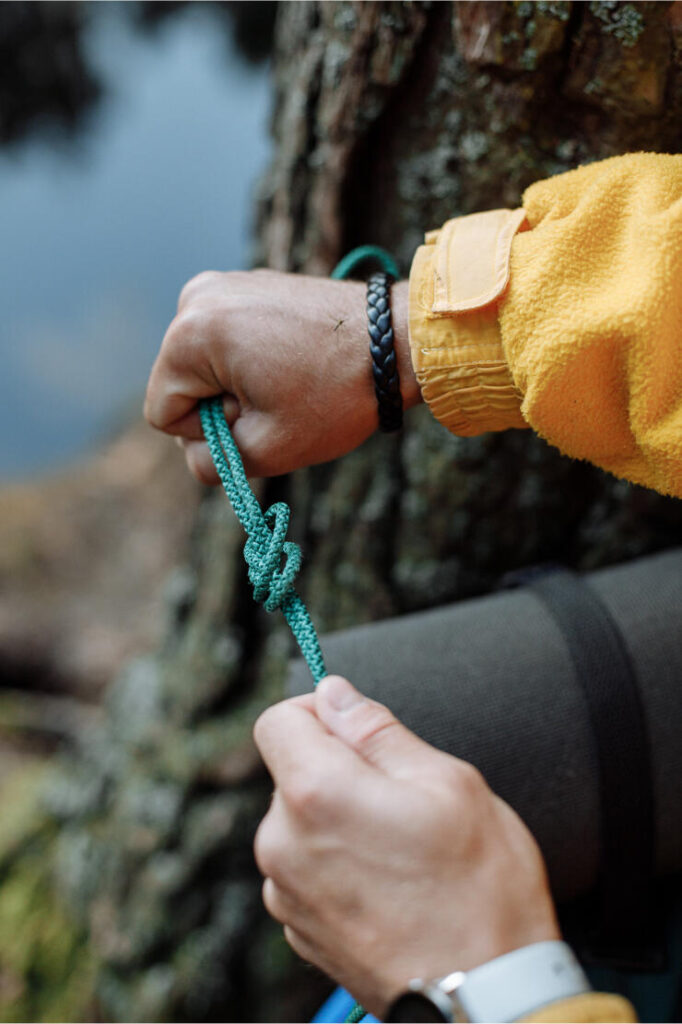
Knot tying
Knot tying is an essential skill for outdoor survival and various activities. Here are some basic knots that can be useful in outdoor settings:
Square Knot: The square knot is used for joining two ropes of equal diameter. It’s commonly used for securing loads, tying bandages, or joining two ends of a rope together.
Bowline Knot: The bowline knot creates a fixed loop at the end of a rope. It’s useful for creating a secure loop to attach equipment or for rescuing purposes.
Clove Hitch: The clove hitch is a simple knot used for temporarily securing a rope to a post or pole. It’s easy to tie and untie, making it suitable for various applications.
Taut-Line Hitch: The taut-line hitch is an adjustable knot used for securing a tent guyline or clothesline. It allows you to easily adjust the tension of the line without retying the knot.
Figure Eight Knot: The figure eight knot is a sturdy and secure stopper knot that prevents the end of a rope from slipping through another knot or an opening. It’s commonly used to prevent ropes from unraveling.
Alpine Butterfly Knot: The alpine butterfly knot creates a secure loop in the middle of a rope. It’s useful for creating a fixed point in the middle of a rope or for forming a loop that can be easily adjusted.
Sheet Bend: The sheet bend is a knot used for joining two ropes of different diameters. It’s particularly useful when you need to extend the length of a rope or join ropes of different thicknesses.
Prusik Knot: The Prusik knot is a friction hitch that allows you to attach a loop of cord to a larger rope. It’s commonly used in climbing and mountaineering for ascending or descending a rope.
Fisherman’s Knot: The fisherman’s knot is used for joining two ropes of similar diameter. It’s often used in fishing and camping to tie two pieces of rope together securely.
Double Fisherman’s Knot: The double fisherman’s knot is a stronger variation of the fisherman’s knot. It’s used for joining two ropes together when a more secure connection is needed.
Remember to practice knot tying before heading out into the wilderness to ensure you can tie them confidently and efficiently when needed. Understanding and mastering these basic knots will greatly enhance your outdoor skills and ability to handle various situations.
Survival Mindset and Mental Preparedness
Survival mindset and mental preparedness are crucial aspects of outdoor survival. Here are some key points to consider:
Stay Calm: Maintaining a calm and composed mindset is essential in survival situations. Panic and anxiety can cloud your judgment and hinder your ability to make rational decisions. Take deep breaths, assess the situation, and focus on the immediate steps you need to take.
Positive Attitude: Adopting a positive attitude can greatly impact your mental state during a survival scenario. It helps you stay motivated, find solutions, and maintain hope. Focus on what you can control and look for opportunities rather than dwelling on the challenges.
Adaptability: Being adaptable and flexible in your thinking is vital in survival situations. Conditions may change, and your initial plans may need adjustment. Embrace change, think creatively, and be open to trying new approaches to overcome obstacles.
Problem-Solving Skills: Developing problem-solving skills is crucial for survival. Break down complex problems into smaller, manageable tasks. Prioritize your needs and focus on the most critical issues first. Use your resources wisely and think critically to find solutions.
Resilience: Resilience is the ability to bounce back from adversity. Understand that setbacks and challenges are part of the survival experience. Learn from failures, stay persistent, and maintain a resilient mindset to overcome obstacles and keep moving forward.
Preparedness and Training: Mental preparedness starts before you enter the wilderness. Educate yourself on survival techniques, practice essential skills, and undergo training. The more knowledge and experience you have, the more confident and mentally prepared you’ll be in challenging situations.
Focus on Priorities: In survival situations, it’s essential to prioritize your needs. Focus on the core elements of survival: shelter, water, fire, and food. By addressing these priorities first, you increase your chances of survival and alleviate stress.
Stay Positive and Motivated: Find sources of motivation to keep yourself going. Whether it’s thinking about loved ones, visualizing success, or setting small goals, maintaining a positive and motivated mindset can make a significant difference in your ability to persevere.
Maintain Awareness: Stay alert and observant of your surroundings. Notice changes in weather, terrain, and wildlife behavior. Being aware of your environment helps you anticipate potential risks and make informed decisions.
Learn from Experience: Reflect on your past outdoor experiences and learn from them. Take note of what worked well and what didn’t. This self-reflection can enhance your future decision-making and improve your survival skills.
Remember, a strong survival mindset and mental preparedness can be just as important as physical skills and equipment in challenging outdoor situations. By cultivating these qualities, you enhance your ability to adapt, problem-solve, and stay focused during times of adversity.
Wildlife Awareness and Safety
Wildlife awareness and safety are essential when venturing into the outdoors. Here are some key points to consider:
Research and Education: Before heading out, research the wildlife species that inhabit the area you’ll be visiting. Learn about their behaviors, habitats, and any potential risks or encounters you may have.
Maintain Distance: Keep a safe distance from wildlife. Respect their space and avoid approaching or attempting to touch or feed them. Use binoculars or a zoom lens to observe wildlife from a safe distance without disturbing them.
Observe from a Distance: When encountering wildlife, observe their behavior from a distance. Avoid sudden movements or loud noises that could startle or provoke them. Give them space and allow them to go about their natural activities without interference.
Store Food Properly: Properly store food and dispose of waste to avoid attracting wildlife to your campsite. Use bear-resistant containers or hang food in a bear bag high off the ground and away from your sleeping area.
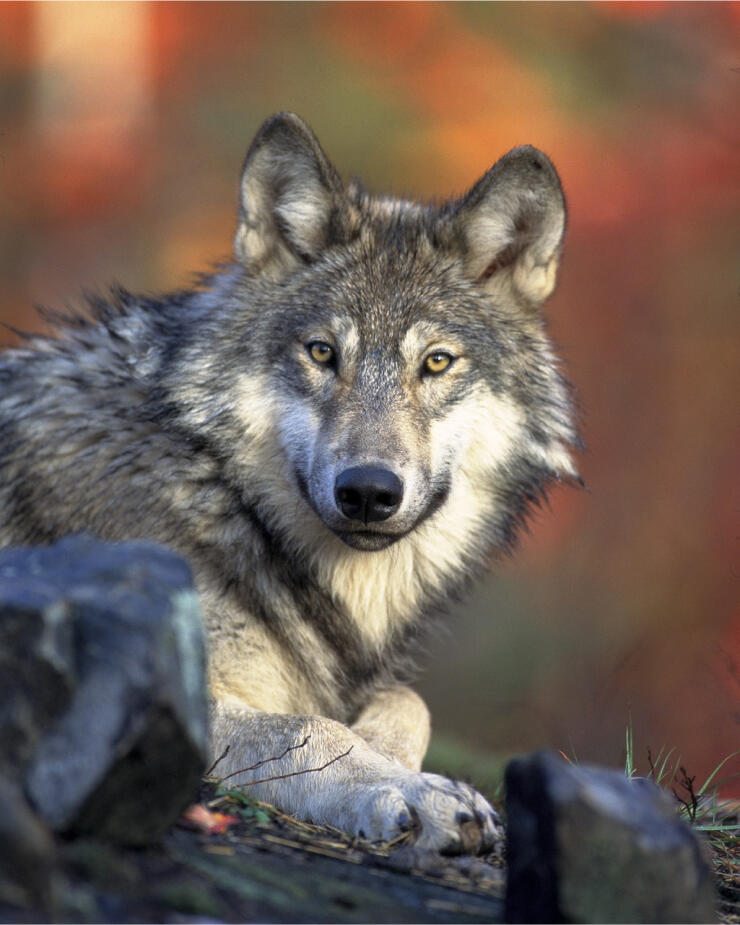
Know How to React: If you encounter potentially dangerous wildlife, such as bears or large predators, it’s important to know how to react. Stay calm, avoid direct eye contact, and slowly back away. Do not run, as it may trigger a chase response. Make noise or use bear spray if necessary.
Respect No-Entry Zones: Some areas may have designated no-entry zones to protect nesting sites or sensitive habitats. Respect these restrictions to minimize disturbance to wildlife populations.
Be Cautious at Night: Wildlife activity can increase at night. Take extra precautions when moving around or cooking after dark. Use a headlamp or flashlight to increase your visibility and avoid surprising or unintentionally disturbing nocturnal animals.
Leave No Trace: Follow the principles of Leave No Trace to minimize your impact on wildlife and their habitats. This includes packing out all trash, disposing of waste properly, and avoiding damage to vegetation or natural features.
Report Wildlife Sightings: If you come across rare or endangered wildlife, report your sightings to the appropriate authorities or organizations. This information can contribute to ongoing research and conservation efforts.
Stay Informed: Stay updated on local wildlife advisories, regulations, and guidelines. These may include specific recommendations or restrictions regarding wildlife encounters in the area you’re visiting.
Remember, wildlife encounters can be thrilling and memorable experiences, but it’s crucial to prioritize safety and respect for the animals and their environment. By practicing wildlife awareness and following these guidelines, you can enjoy the outdoors while minimizing the potential risks to both yourself and the wildlife.
Conclusion
In conclusion, mastering basic survival techniques is essential for anyone venturing into the outdoors. From building a shelter and starting a fire to finding water and navigating through unfamiliar terrain, these skills can make a significant difference in an emergency situation. Additionally, knowledge of first aid, food foraging, knot tying, and maintaining a survival mindset can greatly enhance your chances of survival and comfort in the wilderness.
Remember, preparation is key. Before heading out, familiarize yourself with the environment, weather conditions, and potential risks. Pack the necessary gear and supplies, including a first aid kit, navigation tools, and appropriate clothing. Stay alert and aware of your surroundings, and always prioritize safety.
While it’s impossible to predict every scenario you may encounter, having a solid foundation in these basic survival techniques will give you the confidence and skills needed to handle unexpected situations. Stay calm, think logically, and adapt to the circumstances. With practice and experience, you can become adept at outdoor survival and enjoy your adventures with greater peace of mind.





 Summer Storm Safety Tips for Camping
 How to keep spiders out of your tent while camping
 Is Hammock Camping Safe?